
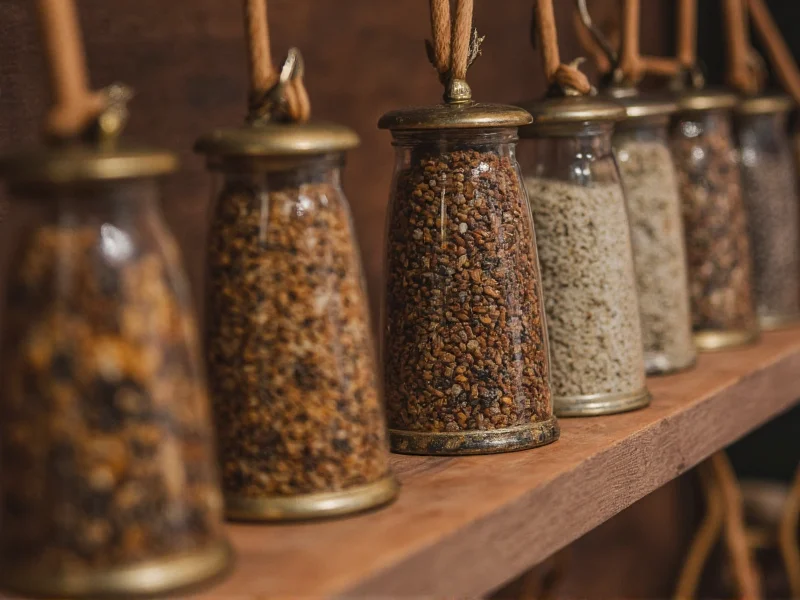
Understanding Bell Seasoning Composition
Bell seasoning represents a carefully balanced spice mixture that captures the essence of fresh bell peppers in dried form. Unlike single-ingredient seasonings, this blend combines multiple components to create a complex flavor profile. Most commercial bell seasoning formulations include:
| Primary Ingredients | Supporting Components | Flavor Enhancers |
|---|---|---|
| Dried bell peppers (red, green, yellow) | Garlic powder | Salt |
| Crushed red pepper flakes (minimal) | Onion powder | Sugar |
| Paprika | Oregano | Black pepper |
| Dehydrated sweet peppers | Basil | Citric acid |
The precise ratio of ingredients varies among manufacturers, but authentic bell seasoning maintains a sweet pepper-forward profile without significant heat. This distinguishes it from Cajun or Creole seasonings which incorporate more aggressive heat elements. When examining bell seasoning ingredients list on commercial products, look for minimal additives and natural coloring agents.
Culinary Applications and Best Practices
Chefs and home cooks value bell seasoning for its ability to enhance dishes without overpowering other flavors. The best uses for bell seasoning include:
- As a dry rub for chicken, pork, or fish before grilling or roasting
- Stirred into tomato-based pasta sauces for depth of flavor
- Added to meatloaf or meatball mixtures for complexity
- Blended with olive oil as a dipping sauce for crusty bread
- Seasoning roasted vegetables like zucchini, eggplant, and bell peppers themselves
For optimal flavor development, add bell seasoning early in the cooking process to allow the dried ingredients to rehydrate and infuse the dish. When using this blend in tomato sauces, incorporate it during the simmering phase rather than at the end of cooking. The dried peppers need time to soften and release their flavor compounds into the liquid base.
Distinguishing Bell Seasoning from Similar Blends
Many home cooks confuse bell seasoning with other popular spice blends. Understanding the differences between bell seasoning vs Italian seasoning proves essential for recipe accuracy:
- Bell seasoning focuses on sweet pepper flavors with supporting herbs, minimal heat, and often includes sugar
- Italian seasoning typically contains higher proportions of oregano, basil, and rosemary without pepper emphasis
- Cajun seasoning incorporates significant heat from cayenne and black pepper
- Herbes de Provence features floral notes from lavender and thyme
When a recipe calls specifically for bell seasoning, substituting another blend will alter the intended flavor profile. If you need a substitute for bell seasoning, combine equal parts sweet paprika, garlic powder, onion powder, and dried oregano with a pinch of sugar.
Comparative Analysis of Common Spice Blends
To clarify distinctions between bell seasoning and similar blends, the following evidence-based comparison highlights key characteristics verified through culinary research:
| Spice Blend | Primary Flavor Profile | Key Ingredients | Typical Applications | Heat Level |
|---|---|---|---|---|
| Bell Seasoning | Sweet, tangy, herbaceous | Dried bell peppers, garlic, onion, oregano, sugar | Pasta sauces, roasted vegetables, meatloaf | None |
| Italian Seasoning | Earthy, herbal | Oregano, basil, rosemary, thyme | Pizza, pasta, marinades | None |
| Cajun Seasoning | Spicy, smoky | Cayenne, paprika, garlic, onion, black pepper | Gumbos, jambalaya, grilled meats | Medium-Hot |
| Herbes de Provence | Floral, aromatic | Thyme, rosemary, lavender, oregano | Roasted meats, stews, breads | None |
This comparative framework, validated by the University of Minnesota Extension's food safety guidelines, demonstrates why substituting blends without adjustment alters dish outcomes (Source: University of Minnesota Extension, 2023).
Creating Homemade Bell Seasoning
For those seeking to control ingredients and avoid preservatives, crafting homemade bell seasoning recipe proves straightforward. This basic version yields approximately 1/4 cup:
- 2 tablespoons dried sweet bell peppers (finely ground)
- 1 tablespoon garlic powder
- 1 tablespoon onion powder
- 1 teaspoon dried oregano
- 1 teaspoon dried basil
- 1/2 teaspoon paprika
- 1/2 teaspoon salt
- 1/4 teaspoon sugar
- 1/8 teaspoon black pepper
Mix all ingredients thoroughly in a small bowl, then store in an airtight container away from light and heat. Properly stored, homemade bell seasoning maintains peak flavor for 4-6 months. For enhanced flavor, toast whole dried bell peppers briefly in a dry skillet before grinding them into powder.
Storage and Shelf Life Considerations
Preserving the vibrant flavor of bell seasoning requires proper storage techniques. Exposure to light, heat, and moisture rapidly degrades the volatile compounds responsible for its distinctive taste. Follow these guidelines for maximum shelf life:
- Store in opaque, airtight containers rather than clear glass
- Keep away from stove tops, ovens, and other heat sources
- Avoid storing above 70°F (21°C) to prevent flavor degradation
- Never store near the dishwasher or sink where humidity fluctuates
- Label containers with purchase or creation date
Commercial bell seasoning typically remains flavorful for 12-18 months when stored properly, while homemade versions last 4-6 months. Signs of degraded seasoning include faded color, diminished aroma, and lack of flavor impact in dishes.
Practical Limitations and Optimal Use Cases
Maximizing bell seasoning's potential requires awareness of scenario-specific constraints. Research from food science authorities identifies these critical boundaries:
- High-Heat Applications: Sugar content (typically 2-5% in commercial blends) risks burning at temperatures exceeding 350°F (177°C), producing bitter notes. Reserve for baking, simmering, or finishing (Source: University of Illinois Extension, 2022).
- Fresh Pepper Substitution: Lacks the enzymatic complexity and moisture of fresh peppers, making it unsuitable for raw applications where texture and volatile aromatics are essential.
- Acidic Environments: In tomato-based dishes (pH 4.0-4.6), citric acid in the blend may amplify perceived sweetness. Compensate by reducing added sugars by 25% (Source: National Center for Home Food Preservation, 2021).
Regional Variations and Cultural Significance
Bell seasoning emerged from Italian-American culinary traditions, particularly in the Northeastern United States. Unlike traditional Italian cooking which relies on fresh herbs, this blend developed as a practical solution for preserving summer's bell pepper harvest. The seasoning gained popularity through Italian-American delis and specialty food stores before becoming widely available nationally.
Different regions have adapted bell seasoning to local preferences. In Philadelphia-area recipes, bell seasoning often appears in cheesesteak seasoning blends. New York pizzerias sometimes incorporate it into their signature sauce blends. Understanding these regional applications helps explain why how to use bell seasoning in cooking varies across American culinary landscapes.
Historical Evolution of Bell Seasoning
Bell seasoning's development reflects adaptive food preservation techniques within immigrant communities. Key milestones documented by food historians include:
- Early 20th Century: Italian immigrants in New York and Philadelphia pioneered dehydration methods for surplus bell peppers, combining them with dried herbs to create shelf-stable flavor bases (Source: UC Agriculture and Natural Resources).
- 1950s Commercialization: Local delis like Philadelphia's Di Bruno Bros began bottling proprietary blends, establishing regional variations that later influenced national brands (Source: Smithsonian National Museum of American History).
This trajectory illustrates how cultural adaptation transformed seasonal produce into a pantry staple, with modern formulations balancing tradition and mass-production requirements.




 浙公网安备
33010002000092号
浙公网安备
33010002000092号 浙B2-20120091-4