
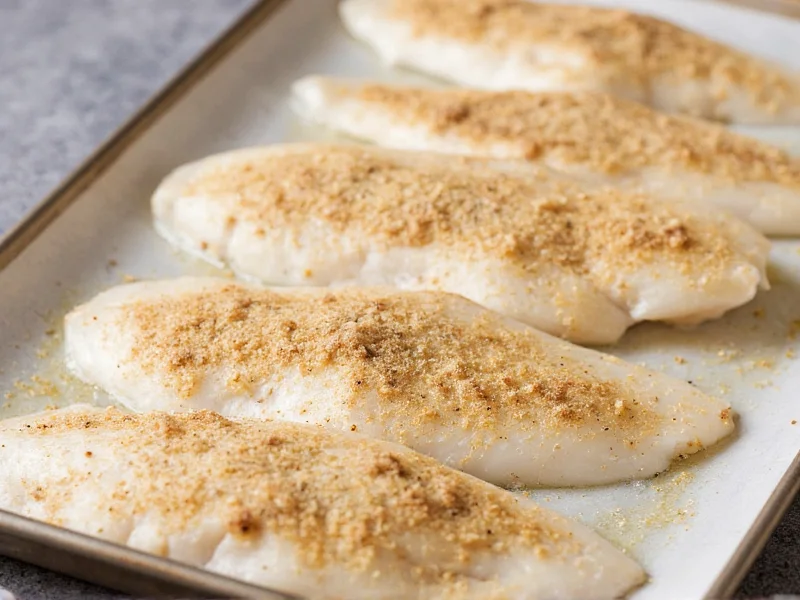
The best seasonings for tilapia include lemon pepper, garlic powder, paprika, dill, and mild herbs like parsley and thyme. Tilapia's delicate flavor pairs well with citrus-based blends, light herb mixes, and subtle spice rubs that enhance rather than overpower its mild taste. For optimal results, apply seasoning 15-20 minutes before cooking to allow flavors to penetrate without making the fish mushy.
When preparing tilapia, understanding its mild, slightly sweet flavor profile is essential for selecting the right seasonings. This versatile white fish absorbs flavors beautifully but can easily be overwhelmed by strong spices. The key to perfect tilapia seasoning lies in balancing complementary flavors that enhance rather than mask the fish's natural taste.
Why Tilapia Needs Careful Seasoning
Tilapia has a much milder flavor compared to salmon or tuna, making seasoning selection crucial. Unlike stronger fish varieties, tilapia won't stand up to heavy spice blends or intense marinades. The ideal tilapia seasoning should complement its delicate nature while adding depth and complexity to the final dish.
Professional chefs recommend using seasoning blends with bright, fresh components that work with the fish rather than against it. Overpowering tilapia with strong spices like cayenne or excessive garlic can result in an unbalanced dish where neither the fish nor the seasoning shines.
Top 5 Tilapia Seasoning Profiles
| Seasoning Profile | Key Ingredients | Best Cooking Method |
|---|---|---|
| Citrus-Herb Blend | Lemon zest, dill, parsley, olive oil | Pan-searing or baking |
| Mediterranean Mix | Oregano, thyme, garlic, lemon juice | Baking or grilling |
| Cajun-Inspired Rub | Paprika, onion powder, cayenne (light), thyme | Blackening or grilling |
| Simple Salt-Pepper-Garlic | Sea salt, black pepper, garlic powder | Any method |
| Asian Fusion | Ginger, soy sauce (low sodium), sesame oil | Stir-frying or steaming |
Detailed Tilapia Seasoning Recipes
1. Classic Lemon-Dill Seasoning
This versatile blend works perfectly for how to season tilapia fillets for everyday meals. Combine 2 tablespoons olive oil, 1 tablespoon fresh lemon juice, 1 teaspoon lemon zest, 1 tablespoon fresh dill (or 1 teaspoon dried), 1/2 teaspoon garlic powder, and 1/4 teaspoon black pepper. Pat tilapia dry, then brush with the mixture 15 minutes before cooking. The acid in the lemon helps firm the fish texture while adding bright flavor.
2. Quick Cajun-Style Rub for Tilapia
For those seeking mild fish seasoning ideas with a subtle kick, try this balanced Cajun blend. Mix 1 teaspoon paprika, 1/2 teaspoon garlic powder, 1/2 teaspoon onion powder, 1/4 teaspoon dried thyme, 1/8 teaspoon cayenne (optional), and 1/2 teaspoon sea salt. Unlike traditional Cajun seasoning which can overwhelm tilapia, this modified version provides just enough warmth without dominating the fish's delicate flavor.
3. Mediterranean Herb Crust
Create an aromatic crust with this healthy tilapia seasoning option. Combine 1 tablespoon finely chopped fresh parsley, 1 teaspoon dried oregano, 1 teaspoon lemon zest, 1/2 teaspoon garlic powder, and 1 tablespoon breadcrumbs (optional for texture). Press gently onto the fish surface before baking. The breadcrumb addition creates a light crust that protects the delicate fillets during cooking while adding pleasant texture.
Seasoning Application Techniques
How you apply seasoning matters as much as the blend itself when working with tilapia cooking seasoning tips. Always start with thoroughly dried fish fillets, as moisture prevents proper adhesion of dry rubs. For wet marinades, limit immersion time to 20-30 minutes maximum to prevent the acid from partially 'cooking' the fish and altering its texture.
When using dry rubs, gently press the seasoning into the fish rather than rubbing vigorously, which can damage the delicate flesh. For best results with tilapia, apply seasonings at least 15 minutes but no more than 30 minutes before cooking to allow flavor penetration without texture degradation.
Cooking Method Considerations
Different cooking techniques require different seasoning approaches for optimal results with tilapia spice rub recipes:
- Pan-searing: Use oil-based marinades that can withstand high heat without burning
- Baking: Dry rubs work exceptionally well as they have time to penetrate during longer cooking
- Grilling: Add olive oil to seasoning blends to prevent sticking to grates
- Steaming: Apply seasonings after cooking to preserve delicate flavors
Common Tilapia Seasoning Mistakes
Even experienced cooks make these errors when preparing easy tilapia marinade recipes:
- Over-marinating: Acidic ingredients can 'cook' the fish, making it mushy
- Using pre-made blends: Many contain excessive salt that draws out moisture
- Seasoning too heavily: Tilapia's mild flavor disappears under strong spices
- Applying salt too early: Salt draws out moisture; apply just before cooking
Remember that tilapia's natural flavor is its greatest asset. The best what spices go well with tilapia approach enhances rather than masks this quality. When in doubt, start with simpler seasoning combinations and adjust to taste in future preparations.
Storage and Preparation Tips
For the best results with any tilapia seasoning recipes, proper fish preparation is essential. Always rinse tilapia under cold water and pat completely dry with paper towels before seasoning. Store fresh tilapia on ice in the refrigerator and use within 1-2 days of purchase for optimal flavor and texture. Frozen tilapia should be thawed slowly in the refrigerator overnight rather than using quick-thaw methods that can damage the delicate flesh.




 浙公网安备
33010002000092号
浙公网安备
33010002000092号 浙B2-20120091-4