
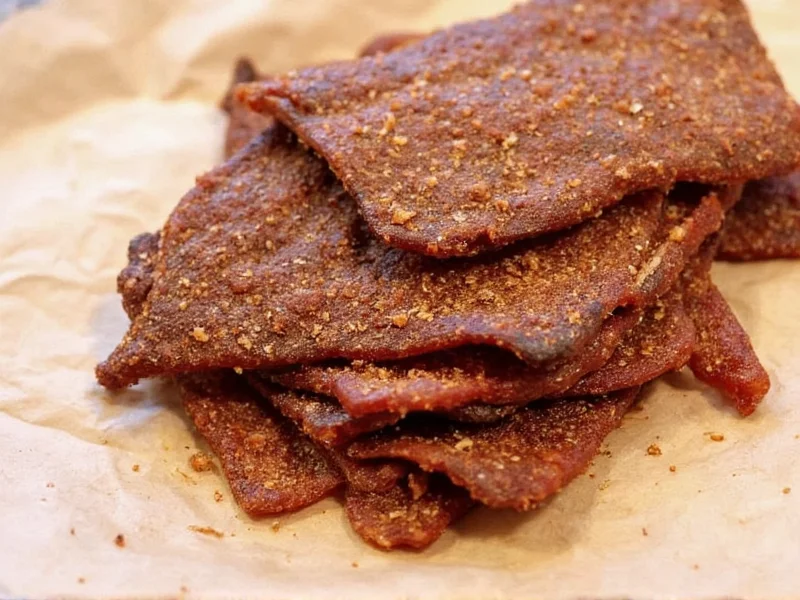
Creating delicious homemade beef jerky is simpler than most people realize, and the key to exceptional flavor lies in the seasoning blend. Unlike store-bought options filled with preservatives and artificial flavors, a homemade beef jerky seasoning recipe gives you complete control over ingredients and flavor profiles. Whether you're using a dehydrator, oven, or smoker, the right seasoning mix transforms ordinary beef into a protein-packed snack that satisfies cravings while providing essential nutrients.
The Science Behind Great Jerky Seasoning
Effective beef jerky seasoning balances four critical elements: salt for preservation and flavor enhancement, sweet components to counteract saltiness, acidic elements for tenderizing, and aromatic spices for complexity. The ideal ratio creates a flavor profile that penetrates the meat rather than just coating the surface. Understanding these components helps you customize your homemade beef jerky seasoning recipe to match your personal taste preferences while ensuring proper preservation.
Classic Beef Jerky Seasoning Formula
This foundational recipe yields consistently excellent results and serves as the perfect starting point for customization. The measurements are calibrated for 1 pound of meat, making portioning straightforward for beginners exploring how to make beef jerky seasoning from scratch.
| Ingredient | Measurement | Function |
|---|---|---|
| Soy sauce | 1/4 cup | Provides salt content and umami flavor |
| Worcestershire sauce | 2 tbsp | Adds complexity and tenderizing acids |
| Brown sugar | 2 tbsp | Counteracts saltiness and aids caramelization |
| Garlic powder | 1 tbsp | Provides consistent garlic flavor throughout |
| Onion powder | 1 tbsp | Enhances savory notes without texture issues |
| Black pepper | 1 tsp | Adds subtle heat and complexity |
| Smoked paprika | 1 tsp | Creates smoky flavor without actual smoking |
| Cayenne pepper | 1/2 tsp | Provides adjustable heat level |
Step-by-Step Preparation Guide
Follow these professional techniques to transform your best beef jerky marinade ingredients into perfect jerky every time:
- Meat selection: Choose lean cuts like eye of round, top round, or flank steak. Fat doesn't dehydrate properly and will spoil faster.
- Slicing technique: Freeze meat for 1-2 hours until firm, then slice against the grain for tender jerky or with the grain for chewier results. Aim for 1/8 to 1/4 inch thickness.
- Marinating process: Combine all seasoning ingredients in a bowl, add meat slices, and massage mixture thoroughly. Refrigerate in a sealed bag for 4-12 hours (longer for thicker cuts).
- Dehydration method: Arrange meat in single layer on dehydrator trays. Dry at 160°F for 4-6 hours, checking periodically after 4 hours. Jerky is done when it bends without breaking and shows no moisture when torn.
- Cooling and storage: Let jerky cool completely before storing in airtight containers with oxygen absorbers for maximum shelf life.
Popular Flavor Variations
Once you've mastered the classic beef jerky spice blend proportions, experiment with these crowd-pleasing variations that maintain proper preservation while adding exciting flavors:
Spicy Chipotle Version
Replace smoked paprika with 1 tbsp ground chipotle peppers and increase cayenne to 1 tsp. Add 1 tsp cumin for earthy depth. This smoked beef jerky seasoning mix delivers serious heat with complex smokiness.
Teriyaki-Ginger Fusion
Substitute 2 tbsp of soy sauce with pineapple juice, add 1 tbsp fresh grated ginger, and 1 tsp sesame oil. Reduce brown sugar to 1 tbsp and add 1 tsp rice vinegar. The natural enzymes in pineapple help tenderize the meat while creating authentic teriyaki flavor.
Montreal Steak Seasoning Style
Increase black pepper to 2 tbsp, add 1 tbsp dried rosemary, 1 tbsp dried thyme, and 2 tsp crushed coriander seeds. This herb-forward variation works particularly well with venison or bison for game jerky.
Avoiding Common Jerky-Making Mistakes
Even with the perfect easy beef jerky recipe for beginners, certain pitfalls can ruin your batch. Watch for these frequent issues:
- Insufficient drying: Under-dried jerky develops mold. Properly dried jerky should feel dry to the touch with no visible moisture when bent.
- Over-marinating: Acidic ingredients can begin to "cook" the meat if left too long, resulting in tough texture. Never marinate more than 24 hours.
- Inconsistent thickness: Varying slice thickness causes uneven drying. Use a mandoline or sharp knife for uniform slices.
- Improper storage: Store jerky with oxygen absorbers in vacuum-sealed bags or airtight containers. Refrigerate for longest shelf life.
Health Considerations for Homemade Jerky
Creating your own healthy beef jerky seasoning without preservatives offers significant advantages over commercial products. By controlling sodium content and avoiding artificial nitrates, you create a cleaner protein snack. For lower sodium options, reduce soy sauce by half and compensate with additional Worcestershire sauce and a splash of liquid aminos. The natural preservation comes from the dehydration process itself rather than chemical additives.
Storage and Shelf Life Guidelines
Properly made and stored homemade jerky typically lasts 1-2 months at room temperature, 3-6 months refrigerated, and up to one year frozen. Always check for signs of spoilage before consuming, including any off odors, visible mold, or unexpected moisture. For longest shelf life, include food-safe oxygen absorbers in your storage containers to prevent oxidation and moisture absorption.
How long should I marinate beef for jerky?
For optimal flavor penetration without compromising texture, marinate beef slices for 4-12 hours. Thinner cuts need less time (4-6 hours), while thicker slices benefit from 8-12 hours. Never exceed 24 hours as the acids in the marinade can begin to break down the meat's structure, resulting in mushy jerky.
Can I make beef jerky without a dehydrator?
Yes, you can make excellent jerky using your oven. Set it to the lowest possible temperature (usually 170°F), prop the door open slightly with a wooden spoon, and place meat slices on wire racks over baking sheets. Rotate trays periodically for even drying. The process takes approximately 4-6 hours, similar to a dehydrator.
Why did my homemade jerky mold after a few days?
Mold growth indicates insufficient dehydration. Jerky must reach 90-95% moisture removal to prevent spoilage. If your jerky develops mold, it wasn't dried long enough or stored improperly. Always ensure jerky bends without breaking but shows no moisture when torn. Store with oxygen absorbers in airtight containers to maximize shelf life.
What's the best cut of beef for jerky?
Eye of round, top round, and flank steak are ideal cuts for jerky. These lean cuts have minimal fat (which doesn't dehydrate well and spoils faster) and consistent grain structure. Avoid highly marbled cuts like ribeye. Partially freezing the meat before slicing makes it easier to cut uniform, thin slices essential for even drying.
Can I use liquid smoke in my jerky seasoning?
Yes, liquid smoke can enhance your seasoning blend, but use it sparingly. Add only 1/2 to 1 teaspoon per pound of meat, as it's highly concentrated. For authentic smoke flavor without liquid smoke, consider using smoked paprika or actual wood chips if using a smoker. Remember that liquid smoke won't provide the preservation benefits of actual smoking.




 浙公网安备
33010002000092号
浙公网安备
33010002000092号 浙B2-20120091-4