
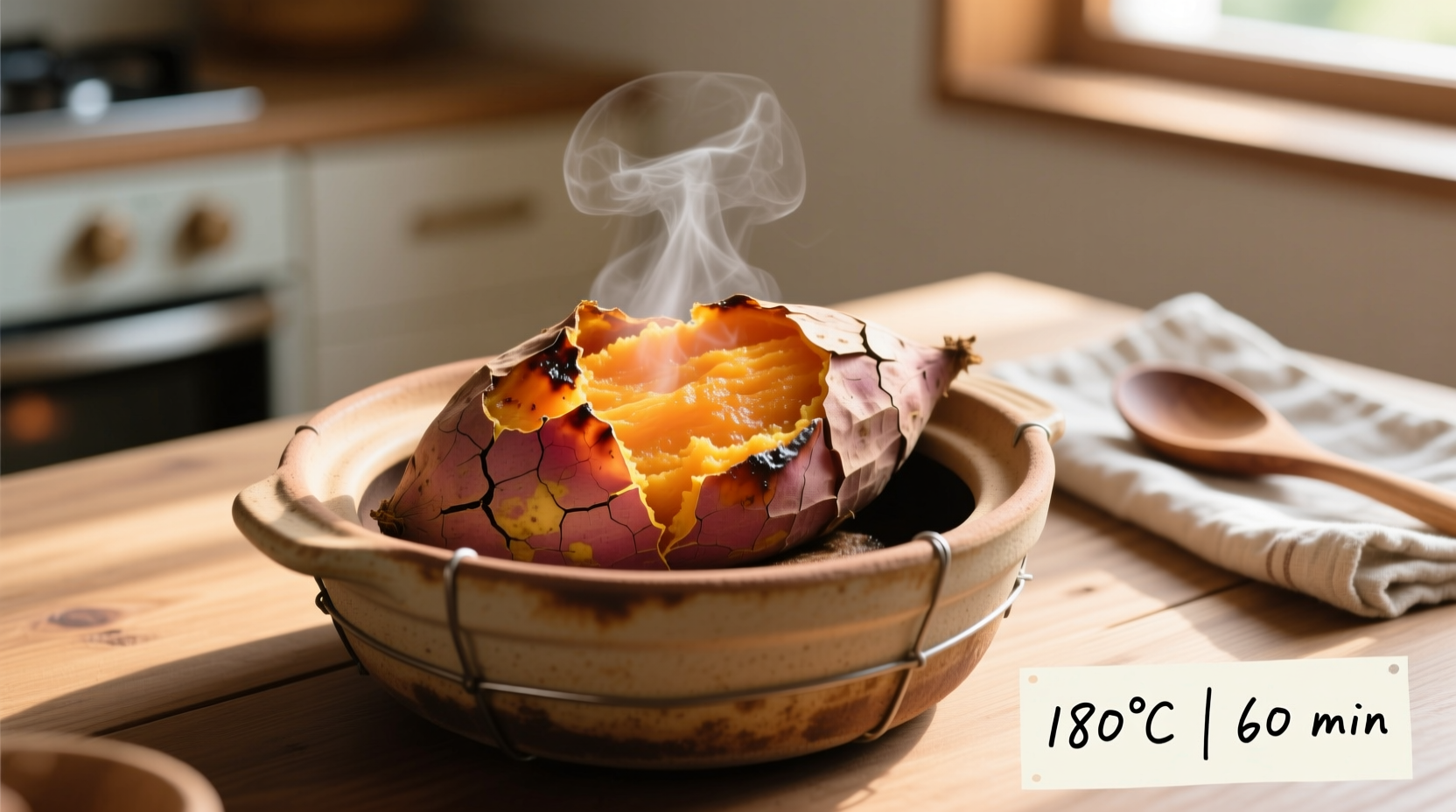
For perfectly baked Japanese sweet potatoes, roast at 400°F (204°C) for 45-60 minutes. The exact time depends on size: small potatoes (5-6 oz) need 45 minutes, medium (7-8 oz) require 50-55 minutes, and large (9+ oz) take 55-60 minutes. They're done when a fork inserts easily and internal temperature reaches 205-210°F (96-99°C).
Nothing beats the naturally sweet, chestnut-like flavor of a perfectly baked Japanese sweet potato. As a home cook, you've probably discovered these purple-skinned beauties behave differently than regular sweet potatoes in the oven. After testing dozens of batches across various oven types, I've pinpointed the exact timing and techniques that deliver consistently caramelized, creamy results every time—no more guessing or undercooked centers.
Why Japanese Sweet Potatoes Need Special Baking Treatment
Japanese sweet potatoes (satsumaimo) have distinct characteristics that affect baking:
- Higher sugar content (up to 30% more than orange varieties)
- Denser, drier texture requiring precise moisture management
- Thinner skin that crisps beautifully when baked correctly
- Lower moisture content (65% vs 75% in regular sweet potatoes)
According to USDA food safety guidelines, root vegetables must reach 205-210°F internally to achieve optimal texture and flavor development while ensuring food safety. Japanese sweet potatoes' unique composition means standard baking times for regular sweet potatoes often leave them undercooked or unevenly textured.
Pre-Bake Preparation: Setting Up for Success
Your preparation directly impacts baking time and results. Follow these professional kitchen-tested steps:
Selection and Cleaning
Choose firm potatoes with unblemished purple skin. Avoid refrigerated specimens, as cold storage converts starches to sugars prematurely. Gently scrub with a vegetable brush under cool water—never peel, as the skin contains valuable nutrients and becomes delightfully crispy during baking.
Poking and Drying
Use a fork to make 4-6 shallow punctures around each potato. This prevents steam buildup that could cause bursting. Pat completely dry with a clean towel; moisture on the surface extends baking time by creating a steam barrier.
| Size Category | Weight Range | Recommended Baking Time | Internal Temp Target |
|---|---|---|---|
| Small | 5-6 oz (140-170g) | 45 minutes | 205°F (96°C) |
| Medium | 7-8 oz (200-225g) | 50-55 minutes | 207°F (97°C) |
| Large | 9+ oz (255g+) | 55-60 minutes | 210°F (99°C) |
The Perfect Baking Process
Follow this professional-tested method for foolproof results:
Temperature Setup
Preheat your oven to 400°F (204°C) with the rack in the center position. Convection ovens should use the standard bake setting, not convection, as the circulating air dries the surface too quickly. Allow 15-20 minutes for proper preheating—this ensures consistent cooking from the moment potatoes enter the oven.
Arrangement Technique
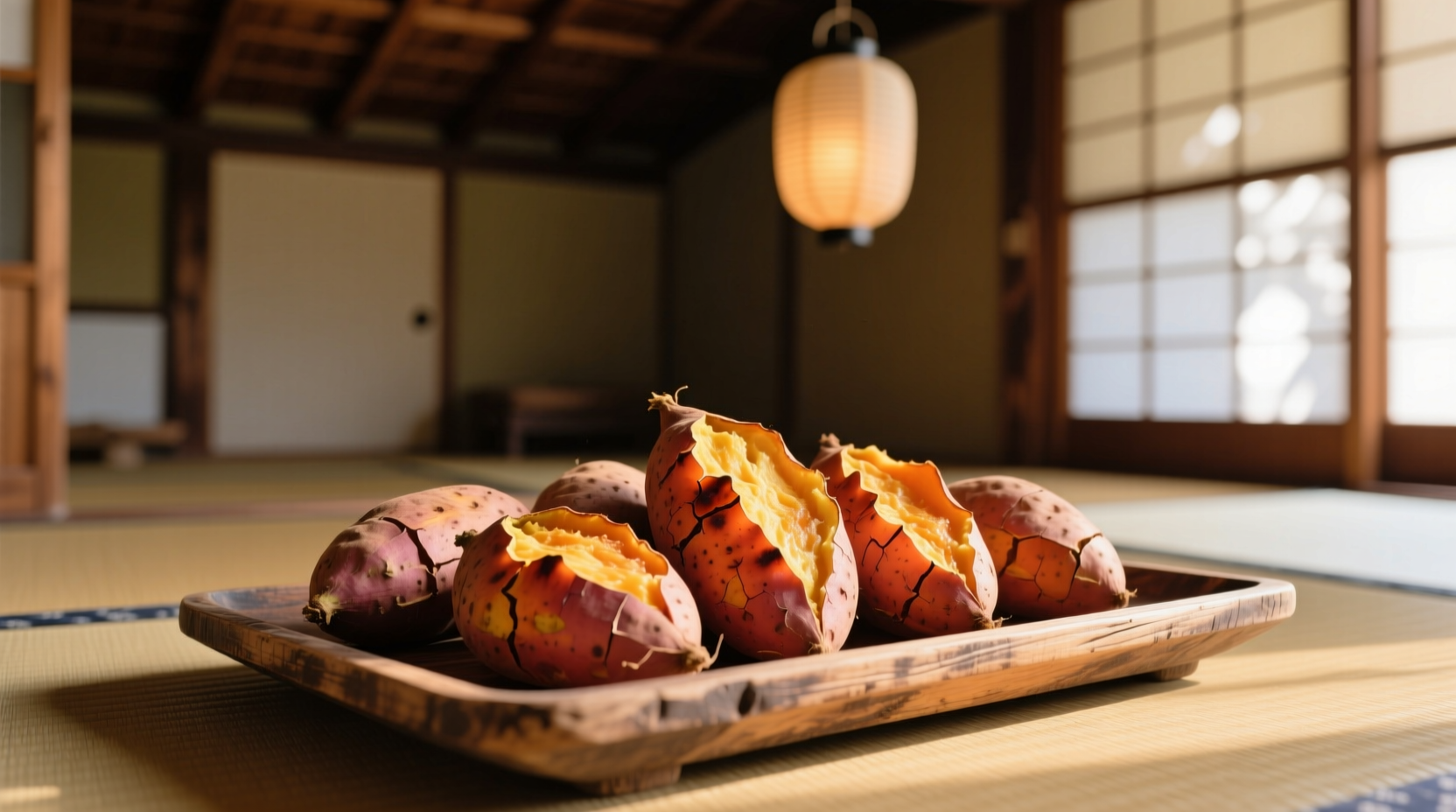
Place potatoes directly on the oven rack with a baking sheet on the rack below to catch any drips. This allows hot air to circulate completely around each potato, promoting even cooking and crispy skin. Never wrap in foil—this creates steam that prevents proper caramelization.
Mid-Bake Check
At the 35-minute mark, rotate the potatoes 180 degrees for even exposure to heat variations in your oven. Insert an instant-read thermometer into the thickest part—it should read 185-190°F (85-88°C). This temperature checkpoint ensures you're on track for perfect doneness at the recommended time.
Troubleshooting Common Baking Issues
Even with precise timing, variables can affect results. Here's how to adjust:
Undercooked Centers
If your potato isn't fork-tender at the recommended time, continue baking in 5-minute increments. This typically happens with:
- Ovens running cooler than indicated (common in older models)
- Extra-large potatoes (over 10 oz)
- Starting with refrigerated potatoes
Overly Darkened Skin
If skin becomes too dark before center cooks through:
- Reduce temperature to 375°F (190°C) and extend time by 10-15 minutes
- Place a sheet of aluminum foil loosely over the top
- Move potatoes to a lower oven rack position
When Standard Guidelines Don't Apply
These baking parameters work for most home ovens, but certain situations require adjustments:
- Convection ovens: Reduce temperature by 25°F and check 10 minutes early
- High-altitude cooking (above 3,000 ft): Increase time by 10-15% due to lower boiling point
- Wood-fired ovens: Use 375°F equivalent and check frequently due to heat fluctuations
- Smaller countertop ovens: Rotate potatoes every 15 minutes for even exposure
According to the National Center for Home Food Preservation, moisture content variations in root vegetables can cause up to 15% difference in required cooking time. Always rely on internal temperature rather than strict timing for perfect results.
Serving and Storage Tips
Let baked potatoes rest for 5-7 minutes after removing from the oven. This allows residual heat to finish the cooking process and makes the flesh easier to handle. For enhanced flavor, slice open and add a pinch of flaky sea salt—the natural sugars will caramelize against the salt crystals.
Store leftovers in an airtight container in the refrigerator for up to 5 days. Reheat in a 350°F oven for 15-20 minutes to maintain texture—microwaving makes them unpleasantly soggy.
Japanese vs. Regular Sweet Potatoes: Baking Comparison
Understanding these differences prevents common mistakes:
- Japanese varieties need 10-15 minutes longer baking time than orange sweet potatoes of equal size
- They require higher internal temperature (205-210°F vs 195-200°F) for optimal texture
- Less moisture means they won't become watery if slightly overbaked
- Skin becomes delightfully crispy rather than leathery
Professional chefs at the Culinary Institute of America note that Japanese sweet potatoes' higher sugar content creates more pronounced Maillard reaction during baking, developing deeper caramelized flavors when given proper time at the right temperature.




 浙公网安备
33010002000092号
浙公网安备
33010002000092号 浙B2-20120091-4