
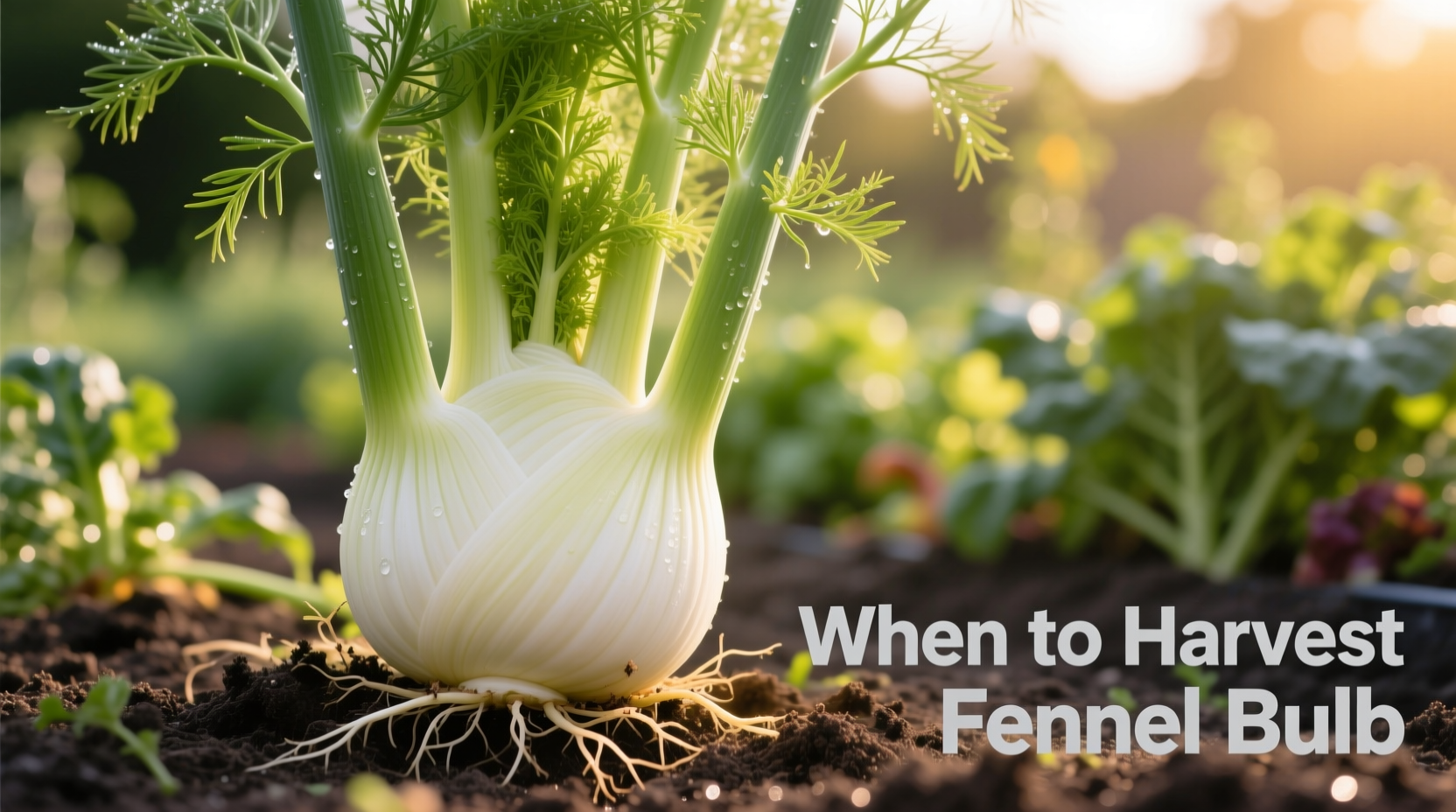
Harvest fennel bulbs when they reach 3-4 inches in diameter, typically 60-90 days after planting, before the bulb begins to split or the plant flowers. This timing ensures maximum flavor, crisp texture, and prevents the bulb from becoming woody or bitter.
Knowing exactly when to harvest fennel bulb can make the difference between enjoying its delicate anise flavor and ending up with tough, bitter produce. As a gardener, you've nurtured your fennel from seed, and now comes the critical moment to reap your rewards. Get it right, and you'll savor crisp, flavorful bulbs perfect for salads, roasting, or grilling. Get it wrong, and you might waste your entire crop.
What You Need to Know About Fennel Bulb Maturity
Fennel bulbs develop in stages, and recognizing these stages is crucial for harvesting at peak quality. Unlike many vegetables where size alone determines readiness, fennel requires attention to multiple visual and tactile cues. The optimal harvest window is narrow—just a few days—and missing it can significantly impact your culinary results.
| Fennel Growth Stage | Days After Planting | Bulb Characteristics | Harvest Recommendation |
|---|---|---|---|
| Early Development | 30-50 days | Less than 2 inches, tight base | Not ready - continue monitoring |
| Optimal Harvest | 60-90 days | 3-4 inches, firm, no splitting | Harvest immediately |
| Overmature | 90+ days | 5+ inches, splitting, flowering | Use immediately or discard |
Visual and Tactile Cues for Perfect Harvest Timing
While calendar counting provides a general guideline, your senses should be your primary harvesting tools. Here's what to look for when determining when to harvest fennel bulb:
- Size matters—but not too much: Aim for bulbs measuring 3-4 inches in diameter at their widest point. Larger isn't better with fennel; oversized bulbs become fibrous and lose their delicate flavor.
- Firmness test: Gently squeeze the bulb. It should feel solid and dense, not spongy or soft. A mature fennel bulb will have taut layers that resist slight pressure.
- Check for splitting: As fennel matures, the outer layers may begin to separate. Harvest before significant splitting occurs, as this indicates the bulb is past its prime.
- Watch the stalks: The stalks growing from the bulb should be vibrant green and about 12-18 inches tall. Yellowing stalks suggest the plant is diverting energy to seed production.
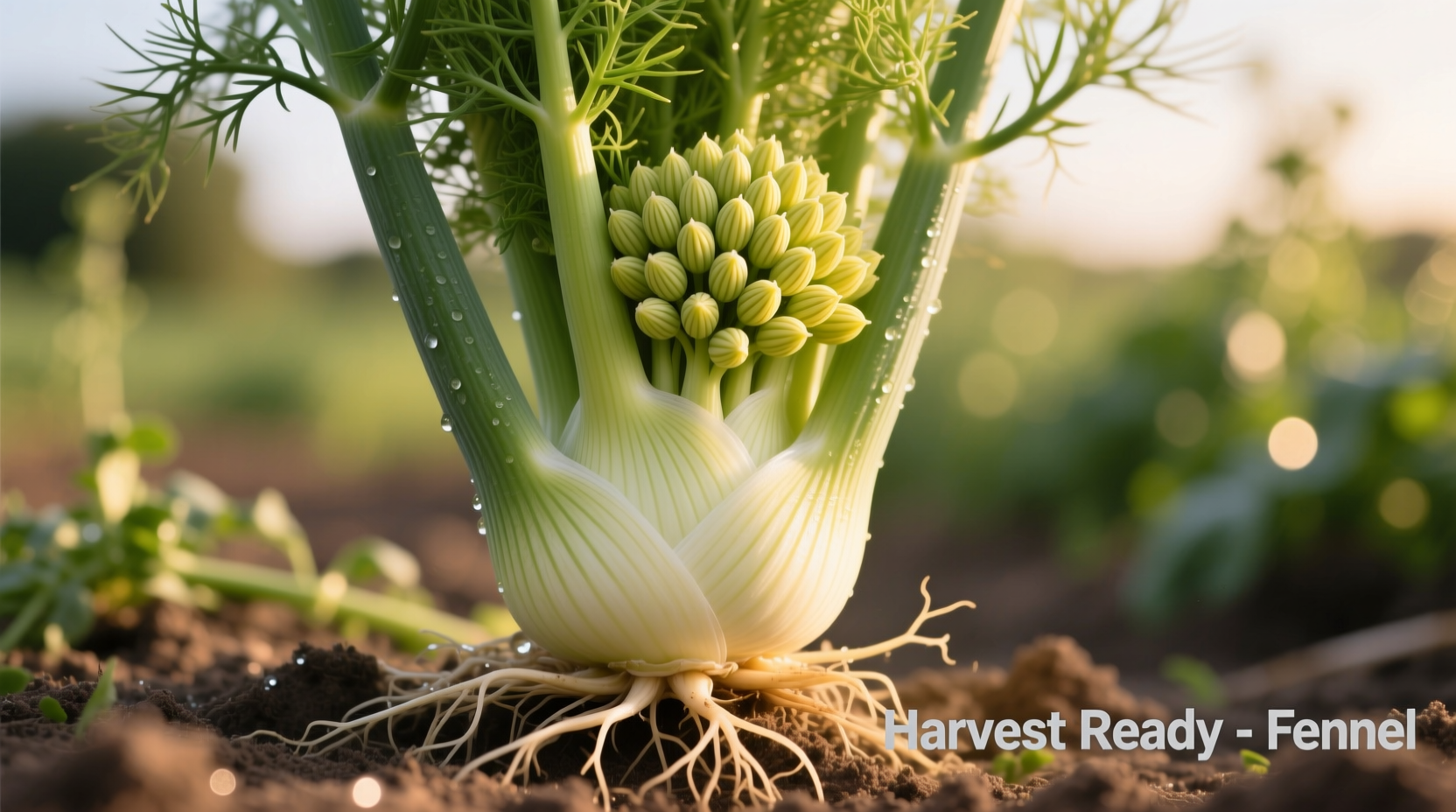
- Flower watch: Once fennel begins flowering (usually indicated by small yellow buds at the top), the bulb quickly becomes tough. Harvest immediately if flowering starts.
Seasonal Timing Considerations
The exact when to harvest fennel bulb depends significantly on your climate and planting schedule:
Cool-season planting: When sown in early spring, fennel typically reaches harvest readiness in late spring to early summer. In regions with mild winters, fall-planted fennel matures in late winter to early spring.
Temperature impact: Fennel grows best in temperatures between 60-70°F (15-21°C). During heat waves above 80°F (27°C), fennel matures faster and may bolt (flower) prematurely, requiring earlier harvesting.
According to the USDA Agricultural Research Service, fennel bulb development accelerates by approximately 15-20% for every 10°F increase above 65°F, meaning you'll need to monitor your crop more frequently during warm spells.
Step-by-Step Harvesting Process
Once you've determined your fennel bulbs are ready, follow these steps for perfect harvesting:
- Choose your harvesting time: Early morning is ideal when temperatures are cool and plants are fully hydrated.
- Prepare your tools: Use a sharp knife or garden shears sterilized with rubbing alcohol to prevent disease transmission.
- Cut properly: Cut the bulb 1-2 inches below the base where the layers converge. Don't pull the plant, as this can damage remaining roots if you're harvesting selectively.
- Handle gently: Fennel bulbs bruise easily. Place them directly into a padded container rather than tossing them into a basket.
- Leave some plants: If you want to collect fennel seeds or encourage regrowth, leave a few plants to flower and set seed.
What Happens If You Harvest Too Early or Too Late
Timing mistakes can significantly impact your fennel's quality:
Harvesting too early (before 3 inches): Results in underdeveloped flavor and texture. The bulb may be edible but lacks the characteristic anise notes and remains overly crisp to the point of being unpleasant in dishes.
Harvesting too late (after splitting begins): Causes the bulb to develop a woody texture and increasingly bitter flavor. According to Cornell University's horticultural studies, fennel bulbs that have begun splitting lose up to 40% of their essential oils within 48 hours, dramatically reducing their culinary value.
Post-Harvest Handling for Maximum Freshness
Proper handling after harvest preserves your fennel's quality:
- Immediate cooling: Remove any excess dirt (don't wash yet) and place bulbs in a cool location out of direct sunlight.
- Cleaning: Rinse gently under cool water just before use. Avoid soaking, which can make bulbs soggy.
- Storage: Wrap in a slightly damp paper towel and store in a perforated plastic bag in the refrigerator's crisper drawer. Properly stored fennel bulbs maintain quality for 2-3 weeks.
- Preservation: For longer storage, slice and freeze or pickle your harvest. The University of California Cooperative Extension recommends blanching fennel slices for 2 minutes before freezing to preserve texture.
Common Harvesting Mistakes to Avoid
Even experienced gardeners sometimes miss these critical points when determining when to harvest fennel bulb:
- Mistaking Florence fennel for herb fennel: Only Florence fennel (Foeniculum vulgare var. azoricum) develops the edible bulb. Herb fennel grows tall with feathery fronds but no substantial bulb.
- Ignoring microclimate variations: Fennel plants on the south side of your garden may mature 7-10 days earlier than those on the north side due to increased sun exposure.
- Waiting for uniform size: Bulbs mature at slightly different rates even in the same planting. Harvest each bulb individually as it reaches optimal size rather than harvesting your entire crop at once.
- Overlooking soil moisture clues: Dry soil conditions can cause premature bolting. Check soil moisture regularly during hot, dry periods and water deeply if needed to delay flowering.
Extending Your Fennel Harvest Season
For continuous harvest throughout the growing season:
Succession planting every 2-3 weeks provides a steady supply of fresh fennel bulbs. The National Gardening Association reports that staggered plantings can extend your harvest window by 6-8 weeks compared to a single planting. In cooler climates, use row covers to protect late-season plantings from early frosts, potentially extending harvest into late fall.




 浙公网安备
33010002000092号
浙公网安备
33010002000092号 浙B2-20120091-4