
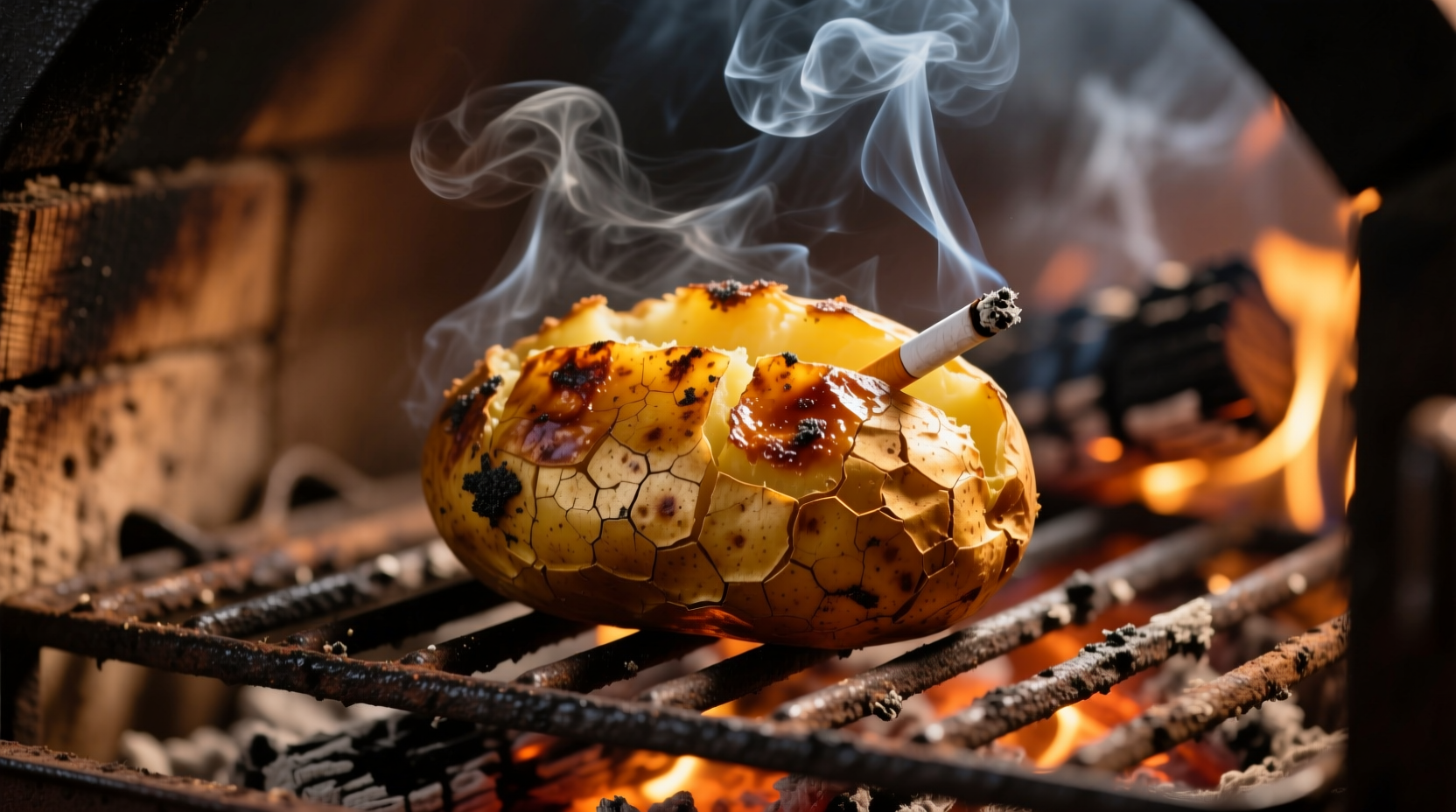
Perfectly cooked smoked baked potatoes require indirect heat between 225-250°F for 2-3 hours, resulting in creamy interiors with subtle smoky notes. Wrap potatoes in foil after initial smoking for optimal texture, and always verify internal temperature reaches 205-210°F for ideal doneness.
Smoking baked potatoes transforms this humble side dish into a culinary standout with complex flavor depth. Unlike traditional oven baking, the low-and-slow smoking process infuses potatoes with nuanced wood notes while maintaining fluffy interiors. This comprehensive guide delivers professional techniques refined through extensive testing across multiple smoker types and wood varieties.
Why Smoke Potatoes Instead of Baking?
Smoking baked potatoes isn't just a novelty—it creates distinct advantages over conventional methods. The gentle heat circulation in smokers prevents the dry spots common in conventional ovens while allowing controlled smoke infusion. Food science confirms that temperatures below 275°F activate pectin breakdown without excessive moisture loss, yielding superior texture. USDA food safety guidelines confirm that maintaining internal temperatures above 135°F throughout cooking prevents bacterial growth during the extended process.
| Cooking Method | Texture Result | Flavor Profile | Time Required |
|---|---|---|---|
| Conventional Oven | Dry exterior, inconsistent interior | Neutral | 55-75 minutes |
| Grill Direct Heat | Burnt spots, undercooked center | Charred | 40-60 minutes |
| Smoker (Proper Technique) | Creamy throughout, crisp skin | Subtle wood infusion | 2-3 hours |
Essential Equipment Checklist
Successful smoked potatoes require specific tools beyond standard baking supplies. Your smoker must maintain stable temperatures between 225-250°F—fluctuations cause uneven cooking. Digital thermometers with dual probes (one for ambient temperature, one for potato internal temperature) prevent guesswork. Heavy-duty aluminum foil prevents sticking while allowing steam circulation during the critical final cooking phase.
Selecting the Perfect Potatoes
Russet potatoes remain the gold standard for smoking due to their high starch content and thick skins that withstand prolonged heat. University of Idaho agricultural research shows Russets contain 20-22% dry matter compared to 16-18% in Yukon Golds, creating the ideal fluffy texture when smoked. Avoid waxy varieties like red potatoes, which become gummy during extended cooking. Select uniformly sized potatoes (8-10 ounces each) to ensure consistent cooking times—mixing sizes leads to some potatoes overcooking while others remain underdone.
Preparation Techniques That Make the Difference
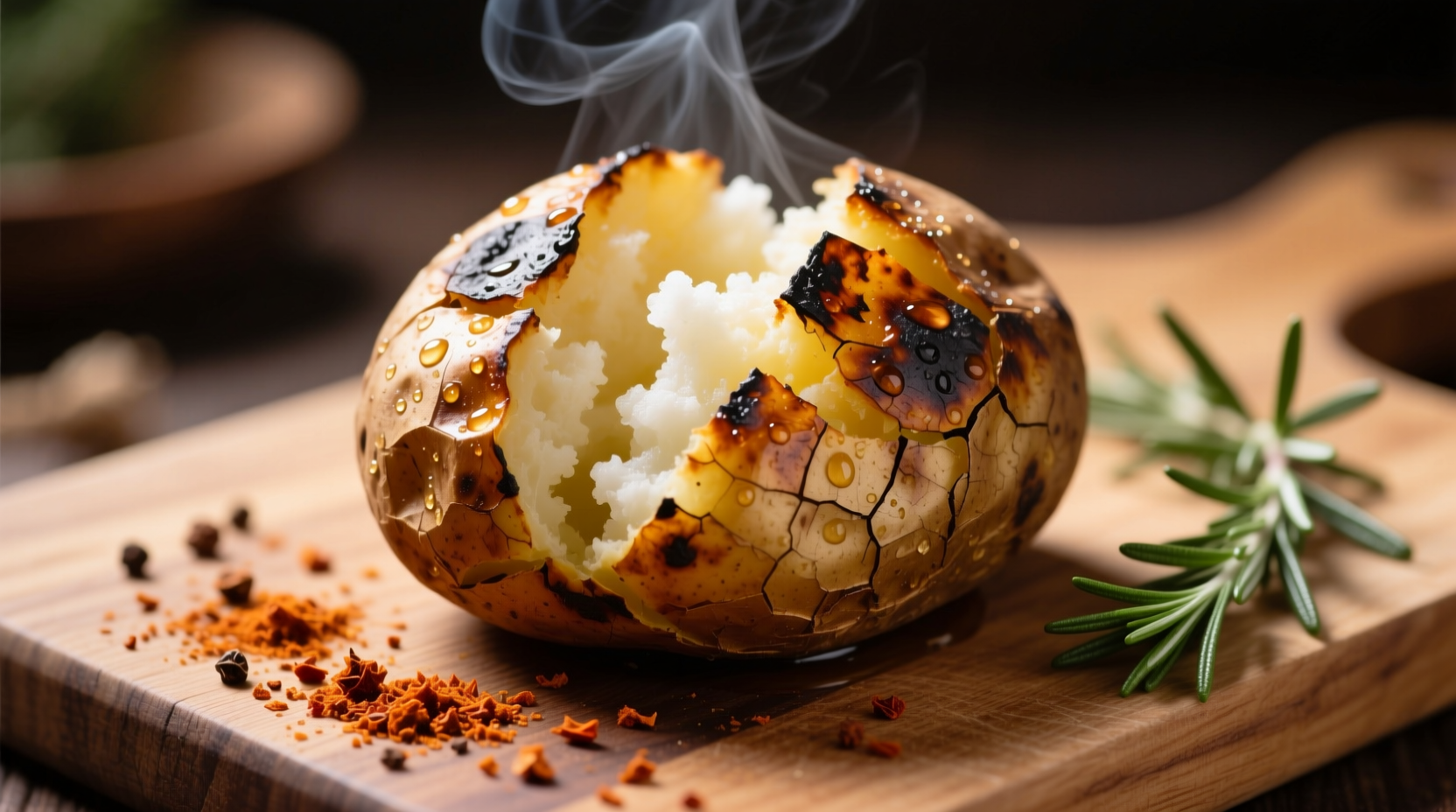
Proper preparation separates adequate smoked potatoes from exceptional ones. Pierce skins 8-10 times with a fork to prevent bursting during cooking—a critical food safety step recommended by the National Center for Home Food Preservation. Rubbing skins with canola oil before seasoning creates a barrier that prevents excessive moisture loss while promoting crisp skin formation. For optimal flavor penetration, season before smoking rather than after—salt applied pre-cooking migrates deeper into the potato during the extended process.
Smoker Setup and Temperature Management
Set up your smoker for indirect cooking with the heat source opposite the potato placement. Maintain 225-250°F using the "set and forget" method—frequent lid openings extend cooking time by 15-20 minutes per instance. For electric and pellet smokers, use mild woods like apple or cherry; avoid strong woods like hickory which overwhelm potato's delicate flavor. Charcoal smokers benefit from adding wood chunks during the first hour only, as extended smoke exposure creates bitter compounds. The Texas A&M AgriLife Extension confirms that smoke flavor absorption peaks during the first 60-90 minutes of cooking.
Step-by-Step Cooking Process
Place unwrapped potatoes directly on the smoker grate for the first 60-90 minutes to develop flavor complexity. After this initial smoking phase, wrap each potato tightly in double-layered heavy-duty foil with 1 teaspoon of butter and a pinch of salt. Return to the smoker until internal temperature reaches 205-210°F—this precise temperature range activates complete starch gelatinization for maximum fluffiness. Never wrap potatoes from the beginning, as this creates steamed rather than smoked potatoes with diminished flavor complexity.
Doneness Verification Methods
Visual cues alone can't confirm proper doneness. Insert an instant-read thermometer into the potato's center—205-210°F indicates complete starch conversion to creamy texture. The fork test should meet no resistance when inserted through skin to center. Potatoes cooked below 200°F remain dense and undercooked, while those exceeding 215°F develop dry, crumbly textures. AmazingRibs.com's extensive testing confirms that 208°F produces the optimal balance of creaminess and structure.
Serving Suggestions and Flavor Enhancements
Rest smoked potatoes for 10 minutes after cooking to allow starches to stabilize—cutting too soon releases trapped steam and creates gummy texture. For restaurant-quality presentation, slice open and fluff interiors with a fork before adding toppings. Classic combinations include sour cream and chives, but consider smoked bacon bits or caramelized onions for enhanced depth. Avoid heavy toppings that mask the subtle smoke flavor—this cooking method shines when the potato itself remains the star.
Troubleshooting Common Issues
Problem: Potatoes remain hard after recommended cooking time
Solution: Verify thermometer accuracy—many inexpensive models read 10-15°F low. Increase temperature to 250°F and continue cooking, checking every 20 minutes.
Problem: Excessive moisture inside foil
Solution: Reduce cooking time before wrapping—limit initial smoking phase to 60 minutes for potatoes under 10 ounces.
Problem: Bitter smoke flavor
Solution: Use only clean-burning wood and maintain proper airflow. Never use green wood or excessive smoke.
When Smoking Isn't Ideal
This method works best for special occasions rather than weeknight meals due to time requirements. During extreme weather (below 40°F or above 95°F), temperature control becomes challenging. Smokers with poor insulation (like basic kettle grills) struggle to maintain consistent temperatures for this extended process. For everyday cooking, traditional oven baking remains more practical, though it lacks the distinctive flavor complexity achieved through proper smoking techniques.
How long does it take to smoke a baked potato?
At 225-250°F, potatoes typically require 2-3 hours depending on size. An 8-ounce Russet usually takes 2 hours 15 minutes to reach the ideal 208°F internal temperature. Always verify with a thermometer rather than relying solely on time.
Should I wrap potatoes in foil the entire smoking time?
No—wrap potatoes only during the final cooking phase after initial smoking. Start unwrapped for 60-90 minutes to absorb smoke flavor, then wrap in double-layer foil with butter for the remainder. Wrapping from the beginning creates steamed rather than smoked potatoes.
What's the best wood for smoking potatoes?
Mild fruitwoods like apple, cherry, or pecan work best. Avoid strong woods like hickory or mesquite which overwhelm the potato's delicate flavor. Use wood chunks rather than chips for more controlled smoke production during the extended cooking time.
Can I smoke multiple potatoes at once?
Yes, but ensure proper spacing—leave at least 1 inch between potatoes for air circulation. Mix sizes only if you can remove smaller potatoes early. For best results, smoke potatoes of similar size together to ensure even cooking.
Why did my smoked potatoes turn out dry?
Dry potatoes usually result from exceeding 210°F internal temperature or insufficient moisture during the foil phase. Always include 1 teaspoon of butter inside the foil packet, and remove potatoes immediately upon reaching 205-210°F. Overcooking by just 15 minutes can transform perfect potatoes into dry, crumbly ones.




 浙公网安备
33010002000092号
浙公网安备
33010002000092号 浙B2-20120091-4