
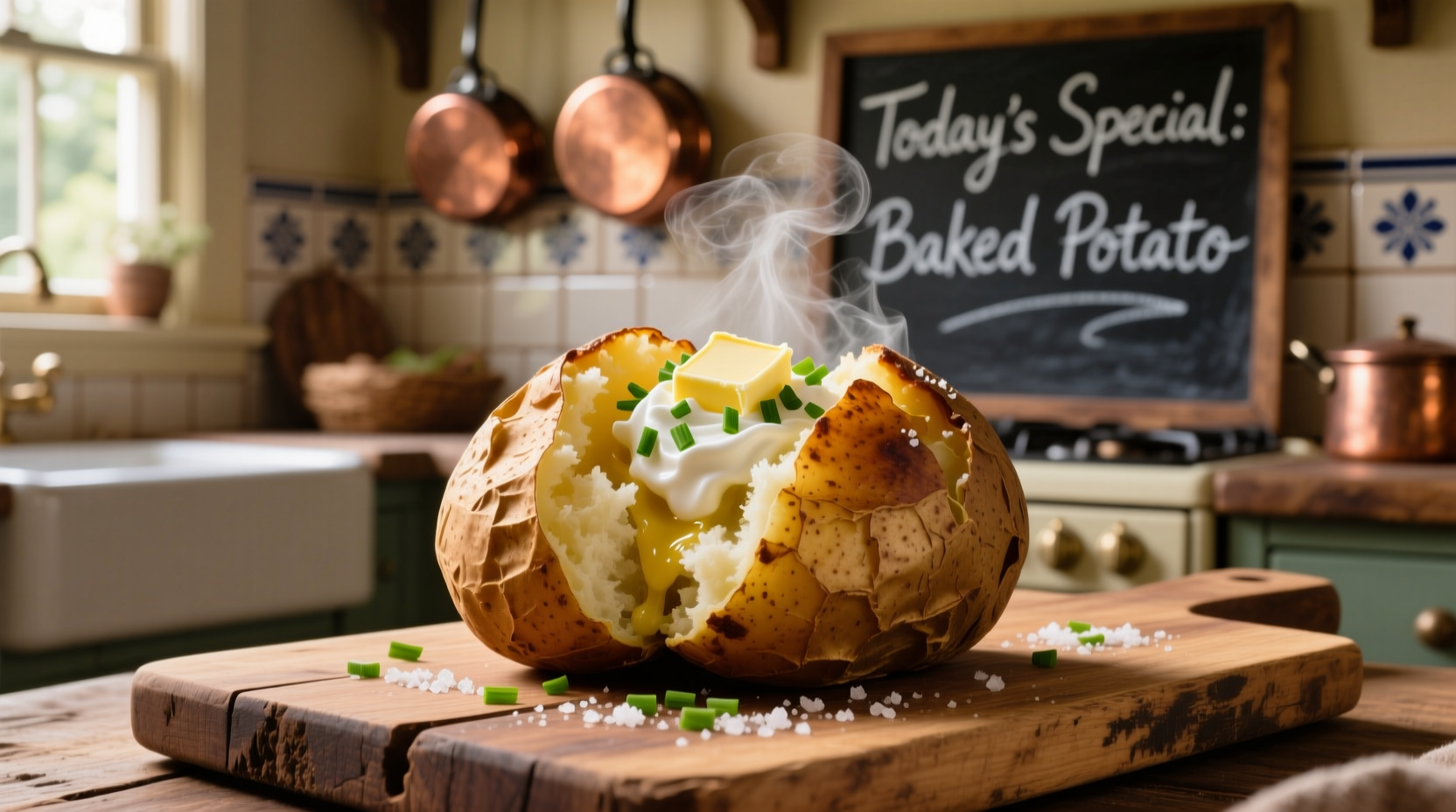
The perfect baked potato requires just 3 essential steps: thoroughly clean and pierce the skin, bake at 400°F (204°C) for 45-60 minutes, and test for doneness by gently squeezing. This method delivers crispy skin and fluffy interior every time with minimal effort.
Nothing beats the comforting simplicity of a perfectly baked potato. Whether you're looking for a quick weeknight side or the foundation for a hearty meal, mastering this kitchen staple unlocks endless possibilities. In this guide, you'll discover the science-backed method professional chefs use to achieve consistently perfect results—crispy skin, fluffy interior, and maximum flavor in every bite.
Selecting the Right Potatoes for Baking
Russet potatoes reign supreme for baking due to their thick skin and high starch content. According to the USDA Agricultural Research Service, Russets contain approximately 21% starch compared to 16% in Yukon Golds and 14% in red potatoes. This higher starch content creates that signature fluffy texture when baked properly.
| Potato Variety | Best For Baking? | Texture Result | Recommended Use |
|---|---|---|---|
| Russet (Idaho) | Excellent | Fluffy, light interior | Classic baked potato |
| Yukon Gold | Good | Creamy, buttery texture | Smashed or roasted |
| Red Potato | Poor | Dense, waxy texture | Boiling or salads |
| Sweet Potato | Specialty | Moist, sweet interior | Alternative option |
For optimal results, choose medium to large Russets (about 8-10 ounces each) with smooth, unblemished skin. Avoid potatoes with green spots or sprouts, which indicate exposure to light and potential solanine development.
Proper Preparation Techniques
Before baking, proper preparation ensures even cooking and prevents explosions in your oven. The University of Minnesota Extension recommends:
- Thoroughly scrub potatoes under cold running water using a vegetable brush
- Dry completely with a clean towel (moisture prevents crispy skin)
- Pierce 4-6 times with a fork (1/4 inch deep) to allow steam to escape
- Never wrap in foil—this steams rather than bakes the potato
For enhanced flavor, rub the skin with 1/2 teaspoon of olive oil and sprinkle with coarse salt before baking. This creates an irresistibly crispy exterior while seasoning penetrates during cooking.
The Science of Perfect Baking
Temperature and timing are critical for perfect baked potatoes. Food safety guidelines from the FDA require that potatoes reach an internal temperature of 205°F (96°C) to ensure they're fully cooked and safe to eat.
Follow this baking timeline based on potato size:
- Small potatoes (6-8 oz): 40-45 minutes at 400°F (204°C)
- Medium potatoes (8-10 oz): 45-55 minutes at 400°F (204°C)
- Large potatoes (10-12 oz): 55-65 minutes at 400°F (204°C)
Place potatoes directly on the oven rack with a baking sheet on the rack below to catch any drips. This allows heat to circulate evenly around the potato for uniform cooking. For even better results, flip potatoes halfway through baking to prevent flat spots.
Determining Perfect Doneness
Don't rely solely on time—multiple indicators confirm your potato is perfectly baked:
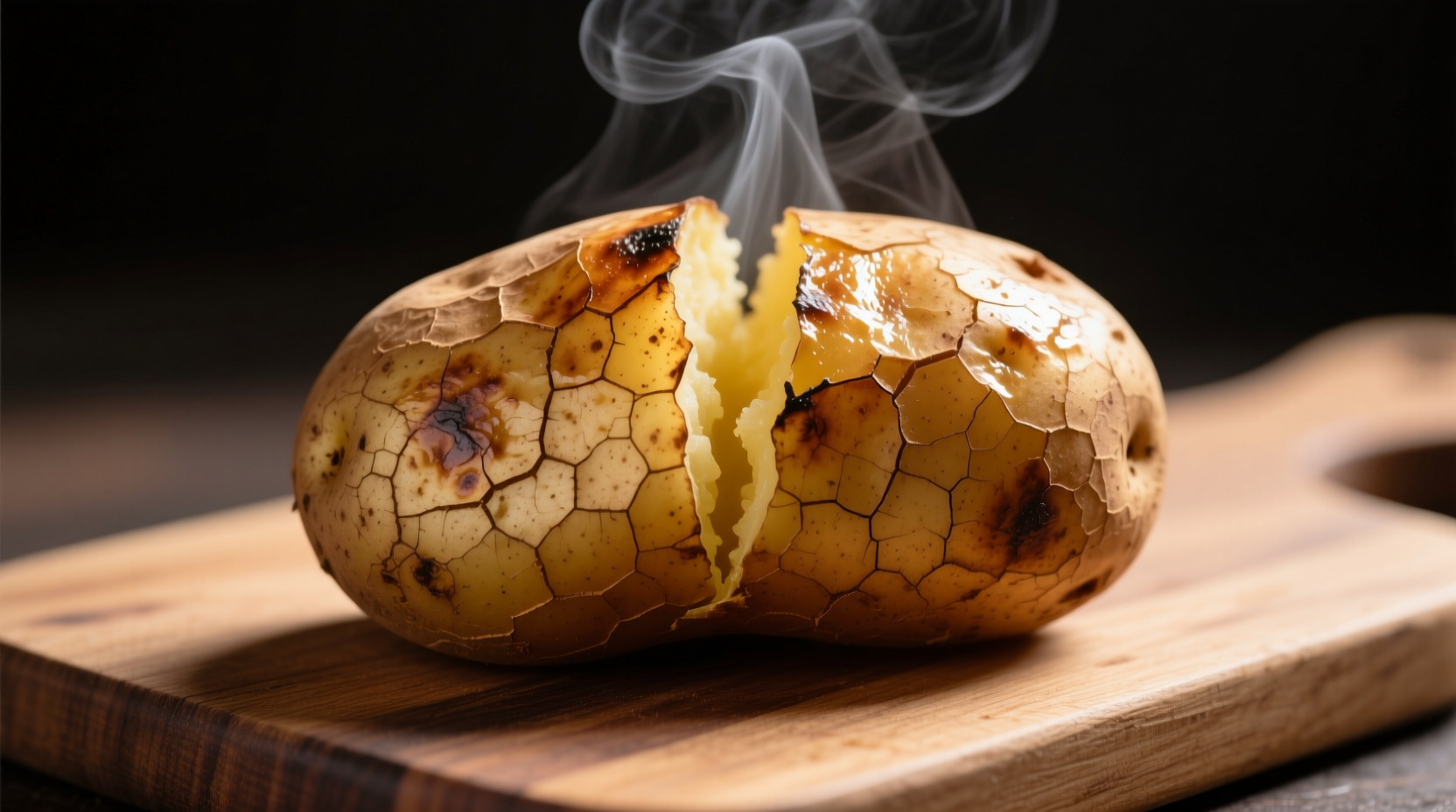
- Skin appears slightly wrinkled and papery
- Internal temperature reaches 205°F (96°C) when measured with an instant-read thermometer
- Gentle squeeze yields slightly (use oven mitts!)
- Fork inserts with no resistance in the thickest part
Rest baked potatoes for 5 minutes before serving. This allows the interior to finish setting and makes handling safer. Cutting immediately causes steam to escape too quickly, resulting in a less fluffy texture.
Flavorful Serving Options
While butter and sour cream are classic toppings, consider these professional chef-recommended combinations:
- The Classic: Salted butter, sour cream, chives, and black pepper
- Mediterranean: Olive oil, feta cheese, roasted garlic, and fresh oregano
- Loaded Baked Potato: Crispy bacon, shredded cheddar, green onions, and a dollop of sour cream
- Healthy Alternative: Greek yogurt, steamed broccoli, and toasted pumpkin seeds
For maximum flavor absorption, make a cross-shaped cut in the top and gently squeeze the base to open the potato before adding toppings. This creates pockets for fillings to sink into rather than sliding off.
Avoiding Common Baking Mistakes
Even simple recipes have pitfalls. Here's what to avoid:
- Using foil: Creates steam that makes skin soggy rather than crispy
- Skipping the pierce step: Can cause potatoes to explode in the oven
- Incorrect oven temperature: Below 375°F won't crisp the skin properly
- Overcrowding: Baking too many potatoes at once reduces air circulation
- Not drying thoroughly: Moisture prevents proper crisping of the skin
For those using convection ovens, reduce baking time by 10-15% as the circulating air cooks more efficiently. Always position potatoes away from the oven walls for optimal heat distribution.
Storage and Reheating Tips
Leftover baked potatoes can be stored in the refrigerator for up to 5 days. The National Center for Home Food Preservation recommends:
- Cool completely before storing (within 2 hours of cooking)
- Store uncovered for 1 hour to prevent sogginess, then wrap in paper towel
- Place in airtight container with paper towel to absorb excess moisture
- Reheat in oven at 350°F (177°C) for 15-20 minutes for best texture
Avoid microwaving leftovers if possible, as this often creates uneven texture. When reheating, add a small pat of butter inside the potato to restore moisture.
Frequently Asked Questions
How do I get crispy skin on baked potatoes?
For perfectly crispy skin, thoroughly dry potatoes after washing, rub with olive oil and coarse salt, and bake directly on the oven rack without foil. The circulating hot air creates the ideal environment for crispy skin formation. Avoid wrapping in foil, which traps steam and creates soggy skin.
Can I bake potatoes at a lower temperature for longer?
While possible, baking below 375°F (190°C) typically results in less crispy skin and potentially uneven cooking. The ideal temperature range is 400-425°F (204-218°C), which properly gelatinizes the starches while creating crispy skin. Lower temperatures extend cooking time significantly without improving results.
Why do I need to pierce potatoes before baking?
Piercing creates vents for steam to escape during baking. Without these vents, pressure builds inside the potato which can cause it to explode in the oven. Four to six shallow piercings (about 1/4 inch deep) with a fork are sufficient to prevent this while maintaining the potato's structure.
How can I tell if a baked potato is done without a thermometer?
Gently squeeze the potato with an oven mitt—it should yield slightly to pressure. The skin will appear slightly wrinkled, and a fork should insert with no resistance in the thickest part. If the potato feels hard or the fork meets significant resistance, it needs more time. Remember that carryover cooking continues for several minutes after removal from the oven.
Are baked potatoes healthy?
Yes, baked potatoes are naturally fat-free, cholesterol-free, and provide potassium, vitamin C, and fiber (especially with the skin). A medium baked potato contains approximately 160 calories. To keep it healthy, top with Greek yogurt instead of sour cream, fresh herbs instead of excessive butter, and vegetable-based toppings. The healthiest preparation method is baking without added fats.




 浙公网安备
33010002000092号
浙公网安备
33010002000092号 浙B2-20120091-4