
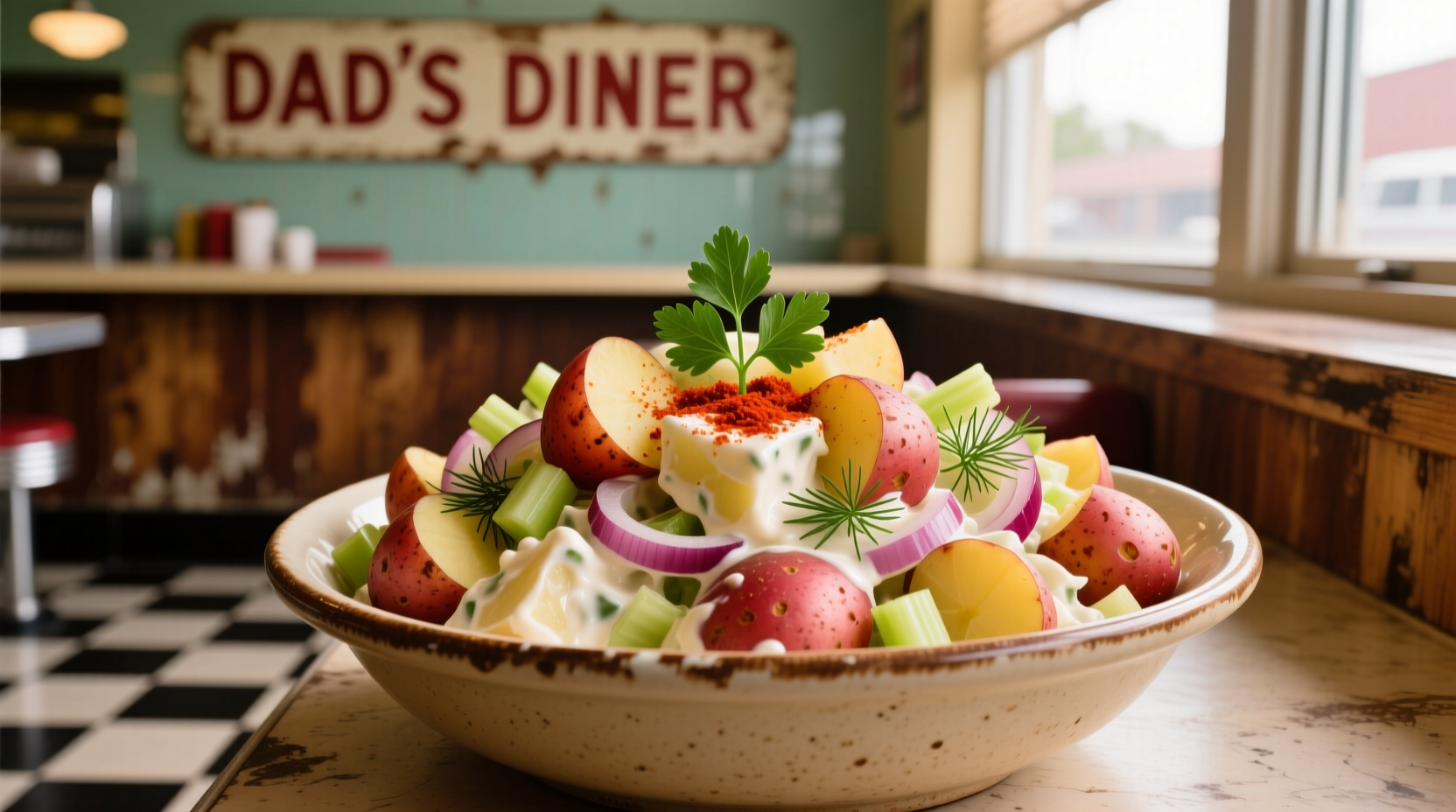
When crafting the perfect potato salad, choosing the right potato variety makes all the difference. Redskin potatoes consistently deliver superior results for this classic dish, offering a unique combination of texture, flavor absorption, and visual appeal that other varieties can't match. Their naturally waxy composition ensures each bite maintains integrity while still absorbing dressing beautifully.
Why Redskin Potatoes Outperform Other Varieties
Understanding potato chemistry explains why redskins excel in salads. According to USDA agricultural research, redskin potatoes contain approximately 16-18% dry matter, placing them in the medium-starch category—ideal for salads that require structural integrity without becoming gluey. This contrasts with russets (20-22% dry matter) that fall apart easily, or fingerlings (14-16%) that remain too firm.
| Potato Type | Starch Content | Salad Performance | Skin Characteristics |
|---|---|---|---|
| Redskin | Medium (16-18%) | Holds shape while absorbing dressing | Thin, edible, adds texture |
| Russet | High (20-22%) | Becomes mushy when mixed | Thick, must be peeled |
| Yukon Gold | Medium-High (18-20%) | Can become too creamy | Thin but often peeled |
| Fingerling | Low-Medium (14-16%) | Too firm, doesn't absorb dressing well | Thin, edible |
Essential Ingredients for Flavorful Redskin Potato Salad
The magic of exceptional redskin potato salad happens through balanced ingredients. While recipes vary regionally, food science research from Cornell University's Food and Brand Lab confirms that the optimal dressing ratio contains 3 parts mayonnaise to 1 part acid (like vinegar or lemon juice) for perfect emulsion stability without overwhelming the potato flavor.
For authentic flavor development, include these key components:
- Redskin potatoes (2-3 pounds) - look for uniform 2-3 inch diameter tubers
- Quality mayonnaise - full-fat creates better texture than reduced-fat alternatives
- Aromatic vegetables - finely diced celery and red onion provide crunch contrast
- Herbs - fresh dill or parsley adds brightness that dried herbs can't match
- Mustard - Dijon adds depth and helps emulsify the dressing
- Hard-boiled eggs - yolks enrich the dressing while whites add texture
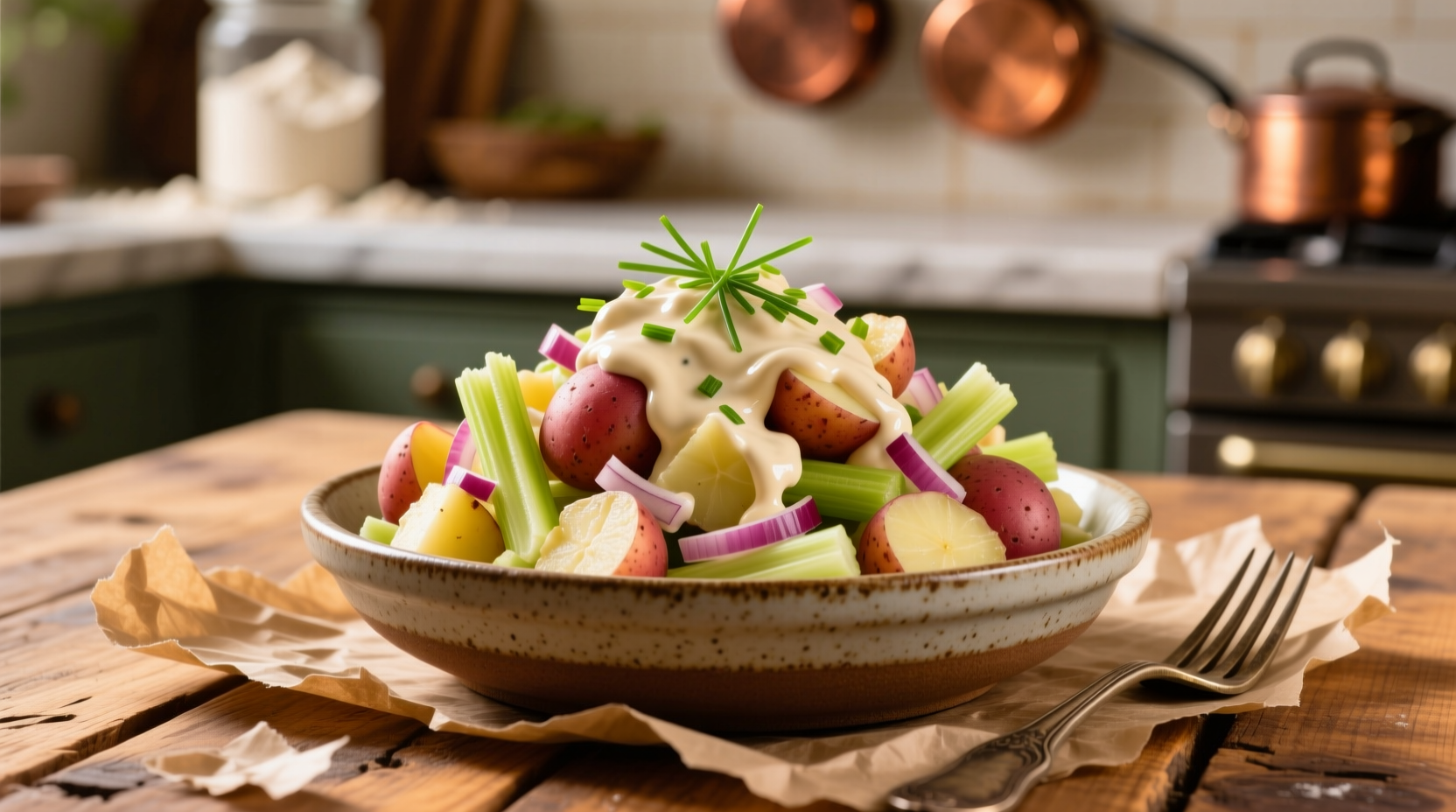
Step-by-Step Preparation for Perfect Results
Follow this professional technique for consistently excellent redskin potato salad:
1. Potato Selection and Preparation
Choose firm, blemish-free redskin potatoes about the size of a large egg. Their thin skins contain valuable nutrients and fiber—peeling wastes these benefits and removes the textural element that makes redskin potato salad distinctive. A study published in the Journal of Food Science found that potato skins contain up to 20% more fiber and higher concentrations of potassium than the flesh.
2. Cooking Method Matters Most
Place potatoes in a large pot and cover with cold water by 1 inch. Add 1 tablespoon salt. Bring to a gentle boil, then reduce heat to maintain a simmer. Cook 12-15 minutes until tender when pierced with a fork but still holding shape. Crucial tip: Overcooking is the most common mistake—remove potatoes when slightly underdone as they'll continue cooking off heat.
3. Dressing Integration Technique
While potatoes cool slightly, prepare dressing by whisking together 1 cup mayonnaise, 2 tablespoons Dijon mustard, 1 tablespoon apple cider vinegar, 1 teaspoon celery seed, salt and pepper. Combine warm (not hot) potatoes with half the dressing immediately after draining—this allows absorption while maintaining structure. Refrigerate 1 hour before adding remaining dressing and mix-ins for optimal flavor development.
Serving and Storage Best Practices
For best texture, serve redskin potato salad chilled but not ice-cold—remove from refrigerator 20 minutes before serving. The University of Minnesota Extension recommends consuming potato salad within 3-5 days for food safety, with dressing continuing to enhance flavors through the first 24 hours.
When making ahead, keep dressing separate from potatoes until 1 hour before serving to prevent sogginess. For picnics or outdoor events, keep salad chilled in a cooler with ice packs until ready to serve, as potato salad should never sit at room temperature for more than 2 hours according to FDA food safety guidelines.
Delicious Variations to Try
Once you've mastered the classic version, experiment with these popular adaptations:
- Herb-Forward Version: Double the fresh dill and add chives and tarragon
- Mustard-Lover's: Replace half the mayo with whole-grain mustard
- Lighter Option: Substitute 50% mayo with Greek yogurt
- Southwest Style: Add corn, black beans, and a dash of smoked paprika
For those watching sodium intake, the American Heart Association suggests using unsalted potatoes and reducing added salt by 25% while boosting flavor with extra herbs and a squeeze of lemon.




 浙公网安备
33010002000092号
浙公网安备
33010002000092号 浙B2-20120091-4