
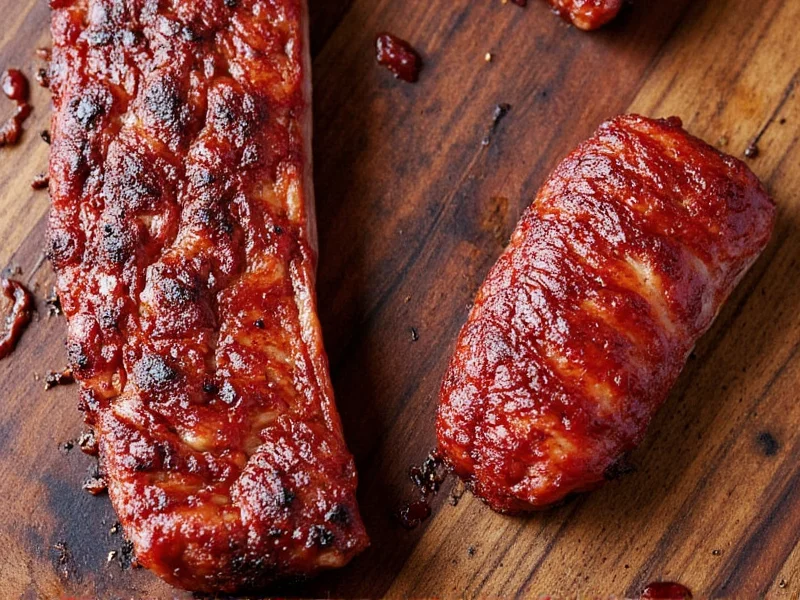
When choosing between baby back ribs vs beef ribs, understanding their fundamental differences helps you select the right cut for your cooking needs and preferences. Both offer delicious barbecue experiences but with distinct characteristics that affect preparation, cooking, and final results.
Anatomical Origins and Physical Characteristics
Baby back ribs, despite their name, don't come from baby pigs but rather from the loin section of adult pigs, specifically the curved ribs that connect to the spine. These ribs sit above the spare ribs and below the loin muscle. Beef ribs, conversely, come from the rib section of cattle, typically cut from ribs 6-12. The anatomical difference explains why beef ribs are substantially larger and meatier than their pork counterparts.
Historical Evolution: From Farmhouse to Gourmet
The specific rib cuts we recognize today evolved alongside meat processing advancements and regional barbecue traditions. While ribs have been consumed since pre-industrial times, standardized "baby back" designation emerged with mid-20th century pork industrialization, and beef ribs became central to Texas barbecue culture through post-WWII pitmaster innovations.
| Era | Baby Back Ribs | Beef Ribs |
|---|---|---|
| Pre-1940s | Consumed as part of whole hog butchery; no standardized cut | Ribs typically boiled or roasted; short ribs featured in European stews |
| 1940s-1960s | Term "baby back" coined by meatpackers to market loin-connected ribs (source: National Pork Board) | Gained prominence in Texas barbecue; slow-smoking methods developed (source: Texas State Historical Association) |
| 1970s-1990s | Standardized by USDA meat grading; became supermarket staple | Plate short ribs emerged as premium barbecue cut; cooking times refined through competitions |
| 2000s-Present | Global demand increased; preferred for quick-cooking applications | Achieved gourmet status; featured in competitive circuits worldwide |
Comprehensive Comparison: Baby Back Ribs vs Beef Ribs
| Characteristic | Baby Back Ribs | Beef Ribs |
|---|---|---|
| Source Animal | Pork (pig) | Beef (cow) |
| Location on Animal | Top of rib cage, near spine | Rib section (ribs 6-12) |
| Size | Smaller, typically 3-6 inches long | Larger, often 8-12 inches long |
| Meat-to-Bone Ratio | Higher meat-to-bone ratio | More meat on top of larger bones |
| Fat Content | Less marbling, leaner | More marbling, richer fat content |
| Flavor Profile | Milder, more delicate pork flavor | Bolder, richer beef flavor |
| Texture | More tender when cooked properly | Firmer texture, requires longer cooking |
| Typical Cooking Time | 3-5 hours at 225°F | 5-8 hours at 225°F |
| Average Price (per pound) | $4-7 | $8-15 |
Flavor and Texture Differences Explained
The difference between baby back ribs and beef ribs becomes most apparent when tasting them. Baby back ribs offer a more delicate pork flavor that readily absorbs rubs and smoke. Their leaner composition means they can dry out more easily if overcooked, but they typically reach optimal tenderness faster than beef ribs.
Beef ribs deliver that unmistakable beefy richness that many barbecue enthusiasts crave. The higher fat content and marbling create a more succulent eating experience when properly rendered through slow cooking. The meat on beef ribs has a firmer texture that transforms into melt-in-your-mouth perfection with sufficient cooking time. Understanding these flavor profiles helps determine which ribs are more tender based on your cooking method and time constraints.
Cooking Considerations for Each Type
When preparing pork baby back ribs vs beef short ribs, significant differences in cooking approach exist. Baby backs respond well to the 3-2-1 method (3 hours unwrapped, 2 hours wrapped, 1 hour unwrapped with sauce) and typically reach ideal tenderness in about 4-5 hours at 225°F. Their smaller size means they cook more evenly and require less monitoring.
Beef ribs demand more patience and attention. The dense muscle structure and higher fat content necessitate longer cooking times, often 6-8 hours at the same temperature. Many pitmasters recommend the Texas crutch (wrapping in butcher paper or foil) after 4-5 hours to prevent drying while rendering the substantial fat cap. The cooking time for baby back ribs vs beef ribs differs substantially due to these structural differences.
When to Choose Baby Back Ribs
Select baby back ribs when you want:
- A more tender rib option with quicker cooking time
- A leaner cut that's easier to handle for beginners
- Ribs that readily absorb smoke and seasoning flavors
- A more budget-friendly option for larger gatherings
- Ribs that maintain their shape better during cooking
These ribs work particularly well for weeknight meals or when you have time constraints but still want delicious barbecue. The meat-to-bone ratio baby back ribs provide makes them efficient for feeding groups without excessive waste.
When Beef Ribs Shine
Opt for beef ribs when you desire:
- That distinctive beef flavor that stands up to bold seasonings
- A more substantial, meat-forward rib experience
- Ribs with impressive presentation for special occasions
- Higher fat content for potentially more succulent results
- An authentic Texas-style barbecue experience
Beef ribs particularly excel when you have ample time for slow cooking and want that rich, beefy flavor profile. The price difference baby back ribs and beef ribs exhibit often reflects in the eating experience, with beef ribs delivering a more luxurious meal.
Nutritional Comparison
From a nutritional standpoint, baby back ribs generally contain fewer calories and less fat than beef ribs. A 3-ounce serving of cooked baby back ribs typically has around 250-300 calories with 15-20 grams of fat, while the same portion of beef ribs can reach 350-450 calories with 25-35 grams of fat. Both provide substantial protein (about 20-25 grams per serving) and essential nutrients like zinc and iron, though beef ribs contain higher levels of certain B vitamins.
Contextual Considerations: Matching Cuts to Constraints
Selecting the right ribs requires evaluating your specific circumstances against documented performance boundaries. Culinary research shows these cuts have distinct operational thresholds that significantly impact outcomes.
Practical Boundaries for Baby Back Ribs
- Ideal Conditions: Electric smokers (precise temperature control), cooking windows under 5 hours, beginner pitmasters, lean-protein dietary needs
- Critical Limitations: Unsuitable when ambient temperatures exceed 90°F (increased drying risk), gatherings over 10 people (portion size inefficiency), or when seeking intense meaty flavor (source: Culinary Institute of America BBQ curriculum)
Operational Boundaries for Beef Ribs
- Ideal Conditions: Charcoal/wood pits with stable 225-250°F capability, 8+ hour availability, experienced smokers, special occasion presentations
- Critical Limitations: Not cost-effective for regular meals (USDA ERS data shows 73% higher cost-per-serving), challenging in high-humidity environments (extended cooking promotes surface moisture), and unsuitable for novice cooks lacking thermometer proficiency (source: USDA Economic Research Service)
Common Misconceptions Clarified
Several myths persist about these rib varieties. Many believe baby back ribs come from younger pigs, but they're actually cut from the same adult pigs as other pork cuts. Others assume beef ribs are always more tender, but without proper cooking, their dense muscle structure can become tough. The flavor comparison baby back ribs and beef ribs often reveals that personal preference plays a significant role—neither is objectively "better" across all criteria.
Making Your Selection
How to choose between baby back and beef ribs depends on your specific situation. For weeknight meals or first-time barbecue attempts, baby backs offer more forgiving cooking characteristics. For special occasions where time isn't a constraint and you want that impressive beef rib presentation, beef ribs deliver an unforgettable experience. Consider your available cooking time, budget, flavor preferences, and the occasion when making your decision.




 浙公网安备
33010002000092号
浙公网安备
33010002000092号 浙B2-20120091-4