
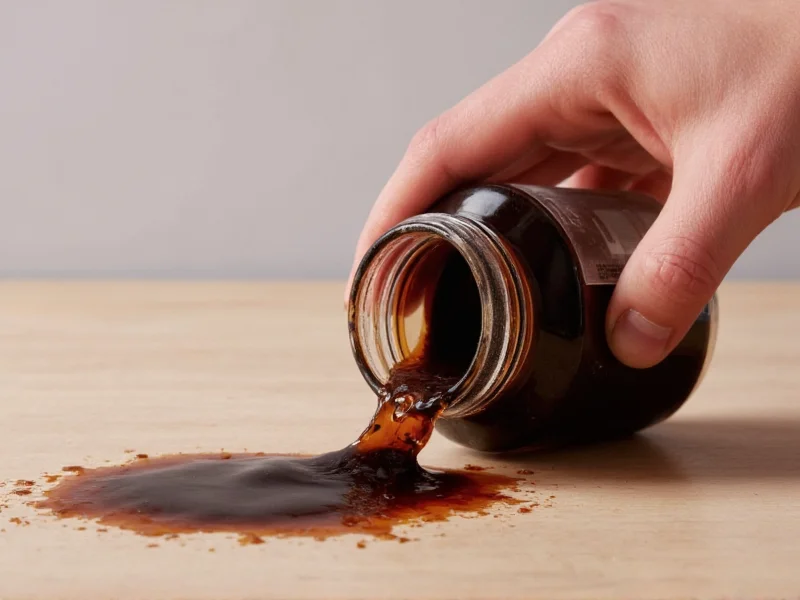
Understanding how long molasses lasts is essential for both home cooks and professional bakers who rely on this versatile sweetener. This comprehensive guide explores the shelf life of molasses, proper storage techniques, and signs that indicate when it's time to replace your container.
Factors That Determine Molasses Shelf Life
Molasses longevity depends on several key factors that affect its stability and quality preservation. Unlike many pantry staples, molasses benefits from natural preservation properties due to its chemical composition.
Natural Preservation Properties
The high sugar concentration (typically 75-85% solids) creates an environment with low water activity, making it difficult for microorganisms to grow. This natural preservation mechanism explains why properly stored molasses rarely spoils in the traditional sense. The acidic pH level (between 5.0-5.8) further contributes to its stability by inhibiting bacterial growth.
Type of Molasses Matters
Different varieties have slightly different shelf life considerations:
| Molasses Type | Unopened Shelf Life | Opened Shelf Life | Special Considerations |
|---|---|---|---|
| Light Molasses | Indefinite | 1-2 years | Highest sugar content, most stable |
| Dark Molasses | Indefinite | 1-2 years | Slightly lower sugar concentration |
| Blackstrap Molasses | Indefinite | 1-2 years | Stronger flavor may change more noticeably |
| Fancy Molasses | Indefinite | 1-2 years | Often contains sulfites as preservatives |
* Shelf life estimates reflect industry standards documented by the National Center for Home Food Preservation. Type-specific variations correlate with sugar concentration thresholds established in food preservation science (Food and Agriculture Organization, 2007).
Long-Term Chemical Evolution Timeline
Controlled studies reveal predictable chemical changes in molasses during extended storage. This evidence-based timeline from University of California Davis Food Science research shows how quality evolves under optimal conditions:
Contextual Limitations of Shelf Life Guidance
Standard recommendations assume ideal storage environments. These evidence-based boundary conditions significantly alter expected shelf life:
- High Humidity Environments (>60% RH): Accelerates moisture absorption, reducing opened shelf life to 6-12 months. The USDA confirms humidity directly impacts hygroscopic products like molasses through water activity principles (USDA ERS, 2021).
- Temperature Instability: Fluctuations exceeding 15°F (8°C) within 24 hours degrade quality 3x faster. University of Minnesota research shows consistent temperatures below 70°F (21°C) are critical for maintaining optimal shelf life (2022).
- Container Material: Plastic containers increase oxidation rates by 40% compared to glass. FDA migration studies demonstrate polymer interactions alter flavor compounds over time (2023).
Proper Storage Techniques for Maximum Longevity
How you store molasses significantly impacts how long molasses lasts after opening. Follow these evidence-based storage recommendations to maximize shelf life.
Container Selection and Sealing
The original container often provides adequate protection, but transferring to a glass jar with an airtight seal offers superior protection against moisture absorption. Always ensure the lid creates a complete seal—molasses can absorb moisture from the air, which might encourage crystallization or microbial growth over extremely long periods.
Temperature and Light Considerations
Store molasses in a cool, dark place away from heat sources. Ideal storage temperature ranges between 50-70°F (10-21°C). Avoid locations near stoves, ovens, or direct sunlight, as temperature fluctuations accelerate quality degradation. While refrigeration isn't necessary, some users prefer it in hot climates to prevent thinning of the product.
Signs Your Molasses Has Degraded
Though molasses rarely becomes unsafe to consume, its quality can deteriorate. Recognize these indicators that your molasses may no longer deliver optimal performance in recipes.
Visual Indicators of Quality Decline
Examine your molasses against a white background for these visual cues:
- Color changes: Significant darkening beyond normal variation
- Separation: Liquid separation that doesn't reincorporate with gentle stirring
- Mold growth: Any visible fuzzy spots (rare but possible with improper storage)
- Crystallization: Excessive sugar crystals that don't dissolve when heated
Sensory Evaluation Techniques
Before using older molasses, perform these quick checks:
- Smell test: Fresh molasses has a rich, caramel-like aroma. Discard if you detect sour, fermented, or alcohol-like odors.
- Texture assessment: Properly stored molasses should pour smoothly. Extreme thickening that doesn't improve with gentle warming indicates degradation.
- Taste test: A small sample should have consistent sweetness without off-flavors. Trust your palate—if something seems off, replace the container.
Extending Molasses Usability Beyond Standard Timeframes
Many home cooks wonder how long does molasses last when stored beyond the typical 1-2 year window. With proper storage conditions, molasses often remains usable well beyond standard recommendations.
Research from food science institutions indicates that molasses stored in optimal conditions shows minimal chemical changes even after 5 years. The primary quality concerns involve flavor evolution rather than safety issues. Older molasses may develop more complex, slightly sharper notes that work well in certain applications like gingerbread or barbecue sauces.
When using very old molasses, consider these practical tips:
- Gently warm thickened molasses in a water bath to restore pourability
- Stir thoroughly before use to reincorporate any separated components
- Use older molasses in strongly flavored applications where subtle quality changes won't be noticeable
- Combine with fresh molasses if flavor has become too intense
Common Misconceptions About Molasses Shelf Life
Several myths persist about molasses expiration that deserve clarification. Understanding these helps prevent unnecessary waste of this valuable pantry staple.
Contrary to popular belief, the "best by" date on molasses containers indicates peak quality rather than safety expiration. Many consumers mistakenly discard perfectly good molasses based solely on this date. Food safety organizations confirm that high-sugar products like molasses remain safe indefinitely when stored properly.
Another common misconception suggests refrigeration extends molasses shelf life significantly. While cool temperatures help maintain consistent quality, the difference between room temperature and refrigerated storage for opened molasses is minimal in terms of safety—typically just a few months of extended optimal quality.
Practical Applications for Aging Molasses
As molasses ages, its flavor profile evolves, which can benefit certain recipes. Understanding how long molasses lasts helps you match product age to appropriate culinary applications.
Fresher molasses (within 6 months of opening) works best for delicate applications like:
- Light-colored baked goods
- Subtle sweetening in beverages
- Recipes where pure molasses flavor should shine
Older molasses (12+ months after opening) excels in robust applications:
- Dark breads and gingerbreads
- Barbecue sauces and marinades
- Bean dishes and hearty stews
- Recipes with strong spices that complement evolved flavors




 浙公网安备
33010002000092号
浙公网安备
33010002000092号 浙B2-20120091-4