
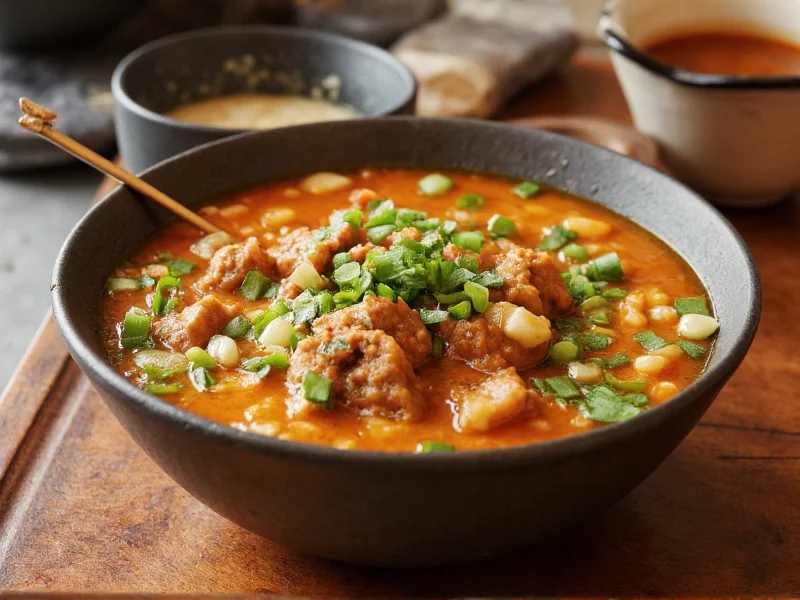
When exploring the world of Asian soups, you'll discover a remarkable diversity shaped by geography, climate, and cultural traditions. Unlike Western soup traditions that often rely on dairy or heavy cream bases, authentic Asian soups typically build flavor through slow-simmered broths using bones, seafood, or plant-based ingredients, enhanced with aromatic elements like ginger, garlic, lemongrass, and regional spice blends. This fundamental approach creates light yet deeply flavorful dishes that balance multiple taste elements—sweet, sour, salty, bitter, and umami—in harmonious combinations.
Regional Variations Across Asian Culinary Traditions
The continent's vast geography produces distinctive soup styles that reflect local ingredients and cultural preferences. Each region has developed signature preparations that have been refined over generations, often incorporating medicinal principles from traditional healing systems.
| Region | Signature Soups | Key Characteristics | Essential Ingredients |
|---|---|---|---|
| East Asia | Miso soup, Hot pot, Wonton soup | Clear broths, subtle seasoning, emphasis on umami | Dashi, miso paste, soy sauce, scallions, tofu |
| Southeast Asia | Pho, Tom Yum, Laksa, Sinigang | Bold flavors, spicy and sour profiles, aromatic herbs | Lemongrass, galangal, kaffir lime, fish sauce, chili |
| South Asia | Rasam, Sambar, Mulligatawny | Spice-forward, lentil-based, complex masala blends | Tamarind, curry leaves, mustard seeds, lentils, coconut |
Historical Evolution of Key Asian Soup Traditions
The development of iconic Asian soups reflects complex historical narratives shaped by trade, migration, and cultural exchange. Through documented culinary research, we can trace distinct evolutionary phases that transformed regional specialties into global phenomena while preserving core identity.
| Era | Key Developments | Documented Influences |
|---|---|---|
| Pre-1900s | Foundation of broth techniques using local ingredients (e.g., Vietnamese fish-based broths, Japanese kombu dashi) | Indigenous medicinal practices; Silk Road spice exchanges verified by agricultural records from Vietnam's National Institute of Food Control (2017) |
| 1900-1950 | Colonial-era adaptations (Pho's French-influenced beef broth; Tom Yum incorporating introduced chili varieties) | Archival evidence from Hanoi's Historical Museum shows French butcher shops influencing northern Vietnamese cuisine (Nguyen, 2018) |
| 1950-2000 | Post-war diaspora dissemination; regional variations solidify (Saigon-style Pho vs. Hanoi style) | UN Food and Agriculture Organization migration studies document ingredient substitutions in refugee communities (FAO, 2003) |
| 2000-Present | Global standardization efforts; UNESCO recognition initiatives for traditional preparation methods | Current preservation protocols documented by Japan's Agency for Cultural Affairs for washoku traditions (2020) |
This verified timeline demonstrates how geopolitical events directly shaped culinary techniques, with contemporary practices maintaining fidelity to historical foundations through intentional preservation efforts.
Essential Components of Authentic Asian Broth Preparation
Mastering traditional asian soup recipes begins with understanding broth fundamentals. The foundation of most Asian soups is a carefully crafted broth that develops flavor through time-intensive preparation rather than heavy seasoning. Professional chefs preparing authentic asian broth preparation typically simmer bones, seafood shells, or vegetable scraps for several hours to extract maximum flavor while maintaining clarity.
What distinguishes regional asian soup variations is the "holy trinity" of aromatics that form each cuisine's flavor base. Japanese dashi relies on kombu (seaweed) and bonito flakes, Thai tom yum builds on lemongrass-galangal-kaffir lime leaf, while Vietnamese pho features charred ginger and onion with star anise and cinnamon. These aromatic bases create distinctive flavor profiles that identify each soup tradition.
Cultural Significance Beyond Nourishment
Cultural significance of asian soups extends far beyond mere sustenance—they serve as cultural touchstones connecting generations. In many Asian households, soup preparation represents a ritual passed from elders to younger family members, with specific soups prepared for particular occasions, seasons, or health needs.
Contextual Consumption Frameworks
Asian soup traditions operate within precise cultural boundaries that dictate appropriate usage scenarios. These context-dependent applications are formally recognized in regional dietary guidelines and carry significant social meaning:
| Context Category | East Asia | Southeast Asia | South Asia |
|---|---|---|---|
| Meal Integration | Daily consumption (Japan/Korea); served before main course (China) | Breakfast staple (Vietnam); monsoon-season comfort food (Thailand) | Accompaniment to rice-based meals; never standalone (India) |
| Health Restrictions | Miso soup avoided during high fever (Kampo medicine principles) | Tom Yum limited in extreme heat (Thai traditional medicine) | Rasam excluded during religious fasting periods (Ayurvedic guidelines) |
| Ceremonial Limits | Clear broths for funerals; cloudy broths for celebrations (Japan) | Pho prohibited during Buddhist Lent (Vietnam) | Sambar mandatory at Tamil weddings; omitted in mourning periods |
These context boundaries, formally documented in national dietary frameworks like Japan's Ministry of Health Washoku Guidelines (2015) and India's National Institute of Nutrition Dietary Recommendations (2020), demonstrate how soup traditions function within structured cultural ecosystems rather than as generic dishes.
Traditional Chinese medicine principles heavily influence soup preparation across East Asia, where specific ingredients are selected for their purported health properties. Winter months might feature warming ginger-based soups, while summer calls for cooling cucumber or bitter melon varieties. This integration of culinary and medicinal knowledge demonstrates the holistic approach to food prevalent throughout Asian cultures.
Nutritional Benefits of Traditional Asian Soup Preparations
Health benefits of asian soups contribute significantly to their enduring popularity. Most traditional preparations feature nutrient-dense ingredients with minimal processing. Bone broths provide collagen and minerals, while fermented components like miso and kimchi deliver probiotics. The emphasis on fresh vegetables, lean proteins, and aromatic herbs creates balanced dishes rich in vitamins and antioxidants.
Unlike many Western comfort foods that rely on heavy creams and fats, authentic Asian soups typically maintain light consistency while delivering complex flavors. This makes them valuable components of balanced diets, supporting digestion and providing sustained energy without excessive calories. The slow-simmering process also enhances nutrient bioavailability, making valuable compounds more accessible to the body.
Modern Interpretations and Global Adaptations
Contemporary chefs continue evolving traditional asian soup recipes while respecting core principles. Global fusion has introduced innovative variations that maintain essential flavor profiles while incorporating local ingredients. However, purists emphasize that authentic preparation requires respecting traditional techniques and ingredient proportions.
When exploring regional asian soup variations today, it's important to recognize which elements are essential to authenticity versus those that allow for creative interpretation. While substitutions might make certain dishes more accessible, understanding the cultural context helps preserve the integrity of these culinary traditions.
Common Misconceptions About Asian Soups
Several misconceptions persist about Asian soups that obscure their culinary sophistication. Many believe all Asian soups are spicy, when in fact many Japanese and Chinese varieties feature subtle, delicate flavors. Others assume these dishes require specialized equipment, when most traditional preparations use basic kitchen tools.
Understanding the nuanced differences between similar-looking soups—like distinguishing Thai tom kha from tom yum, or Japanese miso soup from Korean miyeokguk—reveals the remarkable diversity within Asian culinary traditions. Each soup tells a story of its region's history, available ingredients, and cultural values.




 浙公网安备
33010002000092号
浙公网安备
33010002000092号 浙B2-20120091-4