
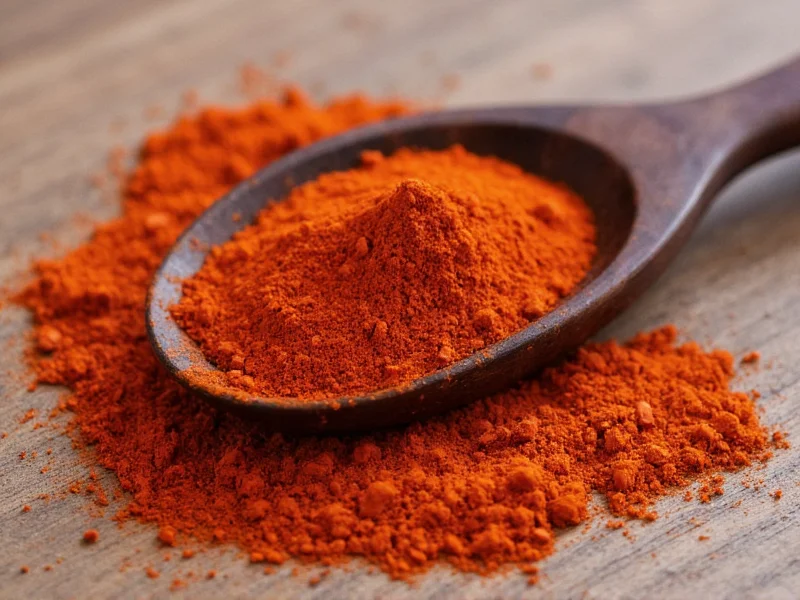
Understanding the distinction between smoked paprika and sweet paprika is essential for home cooks and professional chefs alike. While both spices originate from ground red peppers, their processing methods create dramatically different culinary characteristics that can make or break your recipes.
Breaking Down the Fundamental Differences
The primary difference between smoked paprika (often labeled as pimentón de la Vera when authentically Spanish) and sweet paprika lies in their production process. Smoked paprika undergoes a traditional smoking process where peppers are slowly smoked over oak wood fires for several weeks before grinding. This smoking process imparts a deep, complex smoky flavor that permeates through dishes. Sweet paprika, by contrast, comes from sweet red peppers that are simply dried in the sun or with gentle heat and then ground, preserving their natural sweetness without any smoky notes.
| Characteristic | Smoked Paprika | Sweet Paprika |
|---|---|---|
| Production Method | Peppers smoked over oak fires for 15-20 days | Peppers air-dried without smoking |
| Flavor Profile | Pronounced smoky, earthy, sometimes slightly bitter | Mild, sweet, slightly fruity |
| Heat Level | Can be sweet, bittersweet, or hot varieties | Always mild and sweet (non-spicy) |
| Color | Deep brick red to dark mahogany | Bright red to orange-red |
| Best Culinary Uses | Stews, braises, grilled meats, roasted vegetables | Salmon dishes, potato salads, deviled eggs, light sauces |
Understanding Paprika Varieties and Classifications
Many people confuse the terms because paprika comes in multiple varieties that are classified along two different dimensions: sweetness/heat level AND smoking process. This dual classification system creates understandable confusion.
On the sweetness/heat spectrum, paprika falls into three categories:
- Sweet paprika - Made from sweet red peppers with no heat
- Bittersweet paprika - Mild heat with complex flavor
- Hot paprika - Contains spicy pepper varieties
Meanwhile, the smoking process creates another classification:
- Smoked paprika - Can be sweet, bittersweet, or hot varieties that have been smoked
- Non-smoked paprika - Traditional paprika without smoking process
This means you can actually find smoked sweet paprika - which is smoked but not spicy. The "sweet" in this context refers to the absence of heat, not added sugar. This dual classification explains why many grocery stores carry both "sweet paprika" and "smoked paprika" side by side - they're categorized by different attributes.
When Substitution Works (and When It Doesn't)
Can you substitute smoked paprika for sweet paprika in recipes? The answer depends entirely on your desired outcome. If you're making traditional Hungarian goulash, using smoked paprika instead of sweet paprika would dramatically alter the authentic flavor profile. However, if you're making barbecue rubs or southwestern dishes, smoked paprika might actually enhance the recipe.
Crucially, the University of California Cooperative Extension emphasizes that smoked paprika's volatile flavor compounds degrade with prolonged heat exposure. As stated in their culinary guidelines: "Add smoked paprika at the end of cooking to preserve the smoky flavor," while sweet paprika can be added at any stage. This makes smoked paprika unsuitable for recipes requiring extended high-heat cooking. (Source: UCCE Spice Tips)
As a general rule of thumb:
- Never substitute smoked for sweet in delicate dishes like potato salad, deviled eggs, or light cream sauces
- Smoked paprika works well as a substitute in hearty dishes like chili, stews, or meat rubs
- When substituting, use about half the amount of smoked paprika as you would sweet paprika, as its flavor is more intense
- Sweet paprika cannot effectively replace smoked paprika when a smoky flavor is essential to the dish
Regional Variations and Quality Indicators
Authentic Spanish smoked paprika (pimentón) comes from the La Vera region and carries a Protected Designation of Origin (PDO) status. Hungarian sweet paprika is renowned for its quality and comes in multiple grades from édesnömör (mild sweet) to erős (hot).
Protected Designation of Origin: Certification Timeline
The European Commission's PDO framework ensures traditional production methods are preserved. Key milestones for authentic Spanish smoked paprika:
- 1999: Initial PDO application submitted by the Regulatory Council of Pimentón de la Vera
- 2001: Official EU recognition (Registration No. 1049/96) requiring production within Spain's La Vera region using traditional oak-smoking methods
- 2016: Regulation update mandating minimum 15 days of smoking for all PDO-certified products
Source: European Commission PDO Database
When shopping for quality paprika, look for:
- Deep, vibrant color (dull color indicates age or poor quality)
- Specific origin labeling (Spanish, Hungarian, etc.)
- Harvest or production dates (paprika loses potency over time)
- Opaque packaging (light degrades paprika quality)
Store both varieties in airtight containers away from light and heat. Properly stored, they'll maintain their flavor for 6-12 months, though peak freshness occurs within the first 3-6 months after opening.
Culinary Applications: Getting the Most From Each Variety
Sweet paprika shines in dishes where you want color and mild pepper flavor without competing elements:
- Traditional Hungarian dishes like chicken paprikash
- Light-colored sauces and soups
- Salmon and other delicate fish preparations
- Deviled eggs and potato salads
- As a colorful garnish for finished dishes
Smoked paprika excels in recipes where smokiness enhances the overall flavor profile:
- Spanish dishes like paella and chorizo
- BBQ rubs and marinades
- Bean dishes and hearty stews
- Roasted vegetables (especially potatoes and sweet potatoes)
- Smoky tomato sauces and salsas
Professional chefs often keep both varieties on hand because they serve distinctly different purposes in the kitchen. Understanding the difference between smoked paprika and sweet paprika allows you to make intentional choices that elevate your cooking rather than accidentally overpowering dishes with unexpected flavors.




 浙公网安备
33010002000092号
浙公网安备
33010002000092号 浙B2-20120091-4