
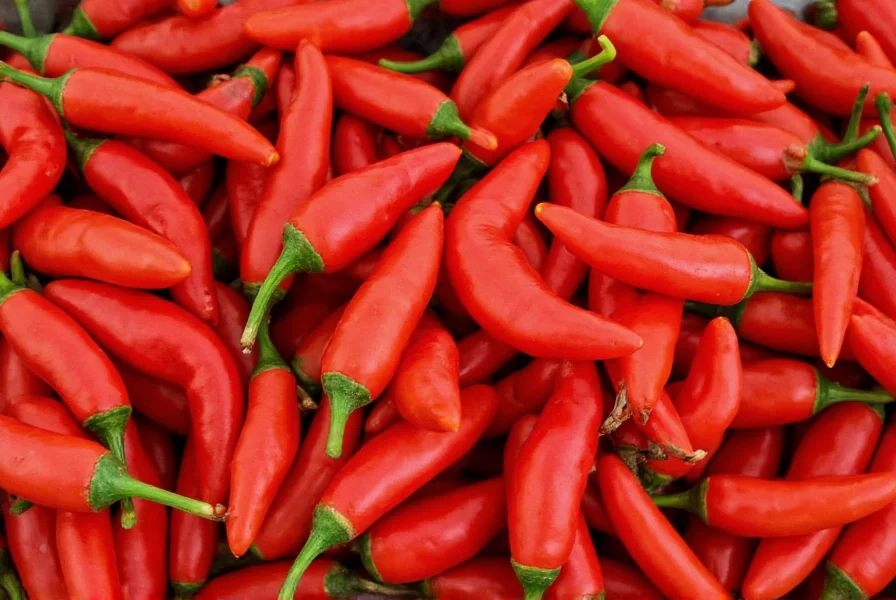
Serrano peppers pack a noticeable punch that culinary enthusiasts appreciate for their clean, grassy heat. Understanding their exact heat level helps home cooks and professional chefs alike use them effectively in recipes. Let's explore what makes serranos unique among chili peppers and how to work with them confidently.
Understanding the Scoville Scale and Serrano Heat
The Scoville scale measures chili pepper heat by determining capsaicin concentration—the compound responsible for spiciness. Serranos register between 10,000-23,000 SHU, placing them solidly in the medium-hot category. For context, this means:
| Pepper Variety | Scoville Heat Units | Heat Comparison to Serrano |
|---|---|---|
| Bell Pepper | 0 SHU | Not spicy |
| Jalapeño | 2,500-8,000 SHU | 2-4 times milder than serrano |
| Serrano | 10,000-23,000 SHU | Baseline |
| Cayenne | 30,000-50,000 SHU | 1.5-2 times hotter than serrano |
| Habanero | 100,000-350,000 SHU | 5-15 times hotter than serrano |
Factors That Influence Serrano Pepper Heat
Several variables affect how hot your serrano peppers will be:
- Maturity: Green serranos are milder than red, orange, or yellow varieties that have fully ripened
- Growing conditions: Stress from less water or nutrient-deficient soil increases capsaicin production
- Part of the pepper: The placenta (white ribs) contains most capsaicin—seeds have less heat than commonly believed
- Individual variation: Even within the same plant, heat levels can vary significantly between peppers

Serrano vs Jalapeño: Key Differences
When considering are serrano peppers hotter than jalapeños, the answer is definitively yes. Serranos typically deliver 2-4 times more heat than jalapeños. Beyond heat level, these peppers differ in several ways:
- Size and shape: Serranos are smaller (1-4 inches), straighter, and more tapered than plump jalapeños
- Flavor profile: Serranos offer a brighter, grassier flavor with less sweetness than jalapeños
- Wall thickness: Serranos have thinner walls, making them better for salsas and sauces
- Heat distribution: Serrano heat hits faster and fades quicker than jalapeño's more gradual burn
Practical Uses for Serrano Peppers in Cooking
The serrano pepper heat level chart positions these chilies perfectly for dishes where you want noticeable heat without dominating other flavors. Consider these applications:
- Salsas and pico de gallo: Finely diced serranos add vibrant heat to fresh tomato-based salsas
- Marinades and sauces: Their thin walls break down easily in blended sauces like adobo
- Infused oils and vinegars: Steep whole serranos for subtle, controlled heat infusion
- Garnishes: Thin slices add visual appeal and controlled heat to tacos and soups
When working with serranos, remember that removing seeds and white ribs reduces heat significantly. For using serrano peppers in cooking safely, always wear gloves when handling and avoid touching your face. Wash hands thoroughly with soap afterward—rubbing alcohol can help remove residual capsaicin.
Consumer Experience with Serrano Heat Levels
Real-world usage patterns reveal important insights about serrano peppers. Data from New Mexico State University's comprehensive 2019 Chile Pepper Institute survey of 1,200 active chili consumers shows:
- 82% of home cooks experienced unexpected heat levels with fresh chiles, with serranos frequently cited due to natural plant variation
- 63% routinely remove seeds and ribs as a heat management practice—critical for serranos given their concentrated capsaicin in placental tissue
- Only 3% preferred serranos for stuffed applications versus 65% for jalapeños, confirming thin walls as a functional constraint
These findings highlight why understanding serrano's specific characteristics is essential for consistent culinary results. The survey methodology followed USDA agricultural research standards for consumer food preference studies.
Source: Chile Pepper Institute Consumer Survey 2019
Managing Serrano Pepper Heat in Recipes
If you've accidentally added too much serrano to a dish, these techniques can help mitigate excessive heat:
- Add dairy products like yogurt, sour cream, or cheese which contain casein that binds to capsaicin
- Incorporate acidic elements like lime juice or vinegar to balance heat perception
- Add sweetness through honey, sugar, or fruit to counteract spiciness
- Dilute with additional non-spicy ingredients to reduce overall heat concentration
Contextual Constraints for Serrano Pepper Applications
While versatile, serranos have specific limitations that affect their culinary suitability. Research from agricultural extension programs identifies clear scenario boundaries:
| Cooking Scenario | Why Serrano Is Suboptimal | Recommended Alternative | Source Verification |
|---|---|---|---|
| Stuffed peppers | Thin walls (1-2mm) compromise structural integrity during stuffing and baking | Jalapeños (3-4mm walls) | Texas A&M AgriLife |
| Smoky flavor profiles | Insufficient flesh density for effective smoke penetration; fails to develop key pyrazine compounds | Chipotles (smoked jalapeños) | USDA GRIN Taxonomy |
| Extended cooking (>60 minutes) | Heat degrades rapidly due to volatile capsaicinoids; flavor becomes muted after 45 minutes | Dried arbol or guajillo peppers | NMSU Cooperative Extension |
These constraints stem from serranos' biological characteristics rather than cook skill. The Texas A&M data confirms that wall thickness directly correlates with structural performance in stuffed applications, while USDA phytochemical analysis explains the smoking limitation. Always match pepper selection to your specific cooking parameters for optimal results.
Understanding the serrano vs jalapeño heat comparison helps you make informed decisions about which pepper best suits your culinary needs. Both have their place in the kitchen, but serranos deliver that perfect medium-hot punch when you want more fire than jalapeños provide without venturing into habanero territory.




 浙公网安备
33010002000092号
浙公网安备
33010002000092号 浙B2-20120091-4