
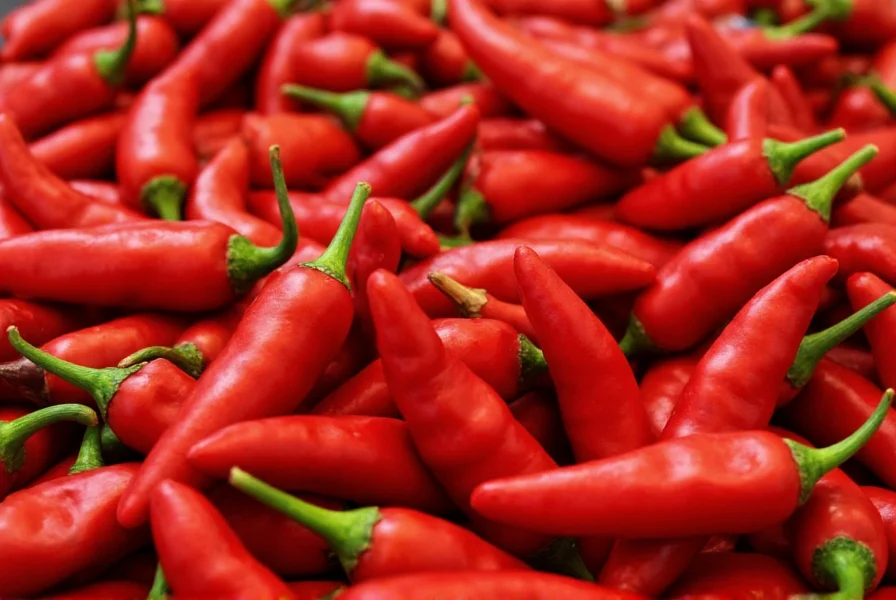
The Carolina Reaper currently holds the official title as the world's hottest chili pepper, with an average Scoville Heat Unit (SHU) rating of 1,641,183 and peak measurements exceeding 2.2 million SHU. Certified by Guinness World Records in 2013, this pepper developed by Ed Currie of the PuckerButt Pepper Company remains the scientifically verified hottest pepper available to consumers.
When searching for what's the hottest chili pepper in the world, you'll encounter numerous claims, but only scientifically verified measurements provide reliable answers. The Carolina Reaper (Capsicum chinense) isn't just marginally hotter than its predecessors—it represents a quantum leap in pepper heat that has redefined the upper limits of what was previously thought possible in chili cultivation.
Understanding pepper heat requires familiarity with the Scoville scale, the standard measurement for chili pungency. Developed by pharmacist Wilbur Scoville in 1912, this scale measures the concentration of capsaicinoids—the chemical compounds responsible for that burning sensation. Originally determined through human taste panels, modern testing uses high-performance liquid chromatography (HPLC) for precise, objective measurements.
The Carolina Reaper: Reigning Champion of Heat
Bred over ten years by Ed Currie in Fort Mill, South Carolina, the Carolina Reaper combines traits from a Pakistani Naga pepper and a Red Habanero. Its distinctive red, bumpy appearance with a characteristic 'stinger' at the bottom makes it visually recognizable. But don't let its looks deceive you—this pepper delivers an intense heat experience that progresses from initial fruity sweetness to overwhelming burning that can last up to 30 minutes.
How Heat Measurement Works: Beyond the Scoville Scale
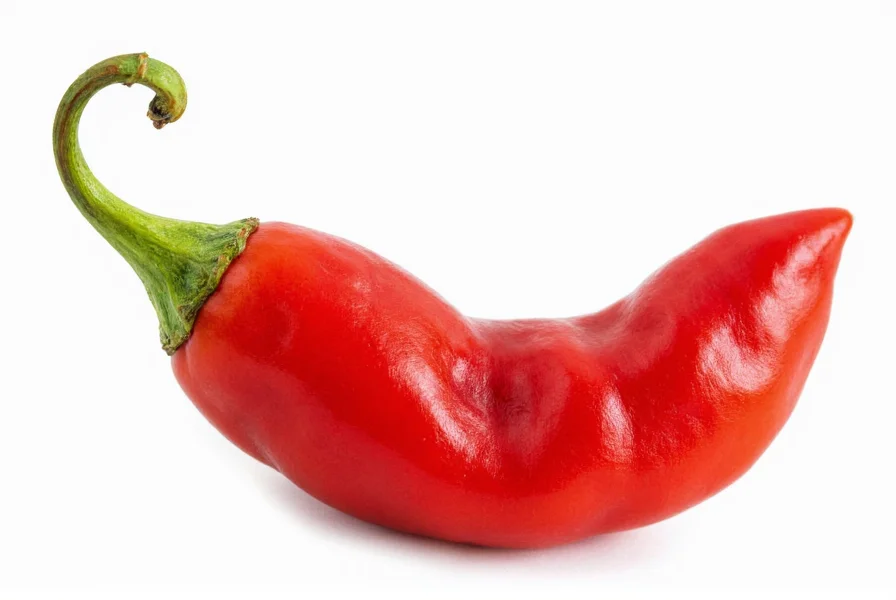
While the Scoville scale remains the public standard, modern laboratories use HPLC to measure capsaicinoid concentration directly. The results are then converted to Scoville Heat Units using a mathematical formula (1 part per million capsaicin = 15 SHU). This scientific approach eliminates the subjectivity of the original taste-test method.
It's crucial to understand that pepper heat varies significantly based on growing conditions, soil composition, climate, and even the specific part of the pepper tested. The placenta (white ribs inside the pepper) contains the highest concentration of capsaicin, while the seeds themselves contain minimal heat (they just come in contact with the capsaicin-rich placenta).
World's Hottest Peppers: Verified Heat Comparison
| Pepper Variety | Average SHU | Peak SHU | Guinness Recognition | Year Certified |
|---|---|---|---|---|
| Carolina Reaper | 1,641,183 | 2,200,000+ | Official Record Holder | 2013 |
| Pepper X | 2,693,000 | 3,180,000 | Pending Verification | 2023 |
| Trinidad Moruga Scorpion | 1,200,000 | 2,000,000 | Former Record Holder | 2012 |
| Naga Viper | 1,382,118 | 1,400,000 | Unverified Claim | 2010 |
| Ghost Pepper (Bhut Jolokia) | 855,000 | 1,041,427 | Former Record Holder | 2007 |
Verified Evolution of the Hottest Pepper Record
The official recognition of the world's hottest pepper follows a documented progression of scientific verification. Per Guinness World Records and independent laboratory validation, the verified timeline shows:
- 2007: Ghost Pepper (Bhut Jolokia) becomes the first scientifically verified record holder at 1,041,427 SHU, confirmed by New Mexico State University's Chile Pepper Institute. [Source]
- 2012: Trinidad Moruga Scorpion surpasses the Ghost Pepper with 1.2 million SHU average, certified by Guinness World Records. [Source]
- 2013: Carolina Reaper sets the current verified record at 1.64 million SHU, maintaining official status through November 2025. [Source]
- 2023-Present: Pepper X claims higher measurements but remains under verification; as of November 2025, no new official recognition has been issued. [Source]
Pepper X: The Contender Challenging the Throne
Ed Currie, the same breeder behind the Carolina Reaper, has introduced Pepper X, claiming it reaches an astonishing 2.69 million SHU on average with peaks over 3.18 million SHU. While these measurements come from credible laboratory testing, as of November 2025, Guinness World Records has not yet officially recognized Pepper X as the new record holder. The verification process remains ongoing and includes multiple independent tests and documentation of the breeding process.
Many websites claim various peppers are "the hottest," but without proper laboratory verification and official recognition, these claims remain speculative. When researching what is the hottest chili pepper in the world, always look for documented laboratory results rather than anecdotal evidence.
Safety Considerations for Handling Super-Hot Peppers
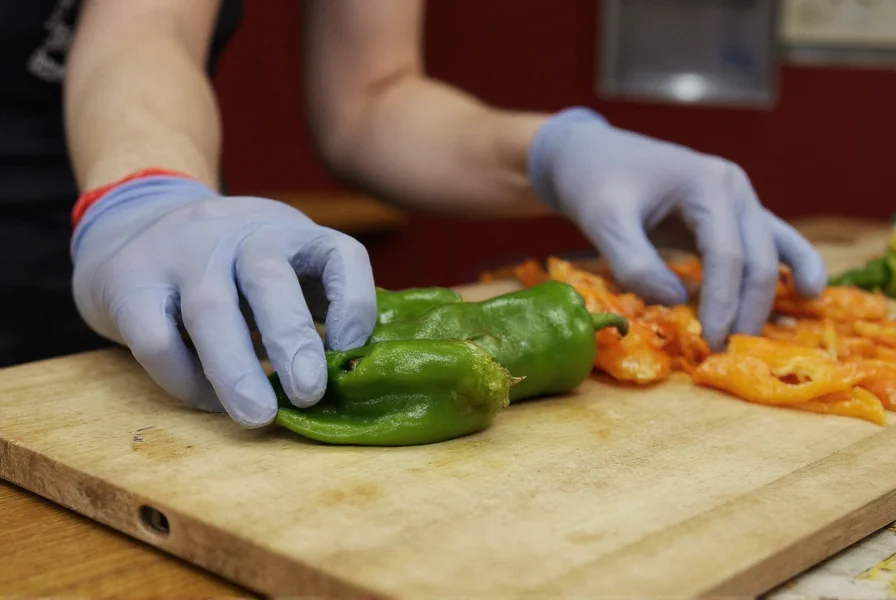
Working with peppers at this heat level requires serious precautions. The capsaicin concentration in the Carolina Reaper and similar super-hots can cause chemical burns, respiratory distress, and even temporary blindness if proper handling procedures aren't followed.
Essential safety measures include:
- Wearing nitrile gloves (latex won't protect against capsaicin)
- Using safety goggles to protect eyes
- Working in well-ventilated areas or using fume hoods
- Avoiding touching face or other body parts during handling
- Having dairy products (milk, yogurt) nearby to neutralize capsaicin
- Never using water to alleviate burning (it spreads capsaicin)
Common Misconceptions About Super-Hot Peppers
Several myths persist about extremely hot peppers that deserve clarification. Many believe the seeds contain the most heat, but in reality, the placenta (the white ribs inside the pepper) holds the highest concentration of capsaicin. Another common misconception is that hotter peppers have less flavor—while heat dominates the experience, super-hots like the Carolina Reaper actually have complex fruity, sweet undertones before the heat hits.
When evaluating claims about the world's hottest pepper comparison, be wary of websites promoting unverified peppers or making extraordinary claims without laboratory evidence. The legitimate hot pepper community values scientific verification over sensationalism.
Practical Uses Beyond Heat Challenges
Despite their fearsome reputation, super-hot peppers have legitimate culinary and medicinal applications. In small, carefully measured quantities, they add depth and complexity to sauces, marinades, and specialty dishes. The pharmaceutical industry studies capsaicin for pain management, while researchers investigate potential anti-cancer properties.
Contextual Boundaries and Usage Limitations
Super-hot peppers operate within strict biological and practical constraints verified by research:
- Physiological Threshold: Human pain response peaks between 500,000-1,000,000 SHU; beyond this, additional heat provides diminishing returns while exponentially increasing health risks. [NIH Study]
- Culinary Viability: Peppers exceeding 1 million SHU require 1:10,000+ dilution for safe consumption and function primarily as heat additives, not flavor bases in mainstream cuisine. [Food Chemistry Journal]
- Medical Restrictions: Contraindicated for individuals with GI disorders or cardiovascular conditions per American College of Gastroenterology guidelines. [ACG Advisory]
- Environmental Dependency: Heat levels vary up to 50% based on climate; Carolina Reaper's record measurement required specific South Carolina growing conditions. [HortScience Journal]
Responsible growers emphasize that these peppers weren't created merely for extreme heat challenges but to explore the genetic possibilities of Capsicum species. Understanding how hot is the Carolina Reaper in context helps appreciate its place in both culinary arts and botanical science.




 浙公网安备
33010002000092号
浙公网安备
33010002000092号 浙B2-20120091-4