
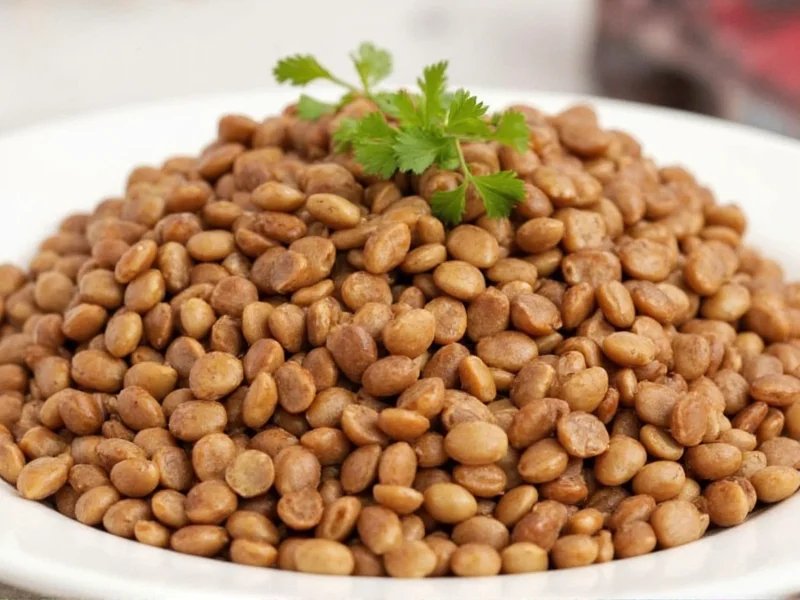
Lentils represent one of nature's most complete plant-based nutrition sources, delivering substantial health advantages that have been recognized for thousands of years. These small legumes pack a powerful nutritional punch, making them a cornerstone of healthy diets worldwide. Unlike many processed foods, lentils provide naturally occurring nutrients in balanced proportions that work synergistically in the human body.
Nutritional Powerhouse: What Makes Lentils Special
Lentils contain an impressive nutritional profile that sets them apart from many other plant foods. A single cooked cup (198g) of lentils delivers approximately 230 calories, 18 grams of protein, and 15.6 grams of dietary fiber. This combination makes lentils an exceptional choice for maintaining stable energy levels throughout the day.
| Nutrient | Amount per Cup (Cooked) | % Daily Value |
|---|---|---|
| Protein | 18g | 36% |
| Fiber | 15.6g | 56% |
| Folate | 358mcg | 90% |
| Iron | 6.6mg | 37% |
| Manganese | 1.3mg | 57% |
What makes lentils particularly valuable is their complete nutritional package. They contain significant amounts of folate, iron, potassium, phosphorus, and several B vitamins. Unlike many plant proteins, lentils provide all nine essential amino acids, though methionine appears in lower quantities. Combining lentils with grains like rice creates a complete protein profile comparable to animal sources.
Science-Backed Health Benefits of Lentil Consumption
Research consistently demonstrates lentils' positive impact on multiple aspects of health. A comprehensive analysis published in Advances in Nutrition found that regular legume consumption, including lentils, correlates with reduced risk of cardiovascular disease. The high soluble fiber content in lentils helps lower LDL cholesterol levels by binding to bile acids in the digestive tract.
For individuals managing blood sugar, lentils offer remarkable benefits. Their low glycemic index (around 30) means they release glucose slowly into the bloodstream. A study in Archives of Internal Medicine showed that incorporating lentils into meals reduced postprandial blood glucose spikes by up to 20% compared to refined carbohydrate sources. This makes lentils an excellent choice for people with prediabetes or type 2 diabetes.
The substantial fiber content in lentils—both soluble and insoluble—supports digestive health in multiple ways. Soluble fiber feeds beneficial gut bacteria, while insoluble fiber promotes regular bowel movements. Research in Nutrients journal indicates that lentil consumption increases butyrate production, a short-chain fatty acid crucial for colon health and inflammation reduction.
Tracing the Scientific Recognition: A Lentil Timeline
Lentils' health benefits have been recognized for millennia, but modern scientific validation has evolved significantly. The following timeline highlights key milestones in our understanding of lentils' role in human health:
| Time Period | Milestone | Authoritative Source |
|---|---|---|
| 8000 BCE | First domestication in the Near East | FAO Report on Pulses (p.10) |
| 1990 | Inclusion as a recommended food group in Dietary Guidelines for Americans | 1990 Dietary Guidelines (p.8) |
| 2010 | Introduction of specific weekly consumption target (1.5 cups) | 2010 Dietary Guidelines (p.37) |
| 2020 | Meta-analysis confirming cardiovascular risk reduction | Advances in Nutrition (2020) |
This progression demonstrates how ancient wisdom has been increasingly validated by rigorous scientific research, culminating in specific dietary recommendations that reflect lentils' proven health benefits.
Addressing Common Concerns About Lentil Consumption
Some people worry about potential digestive discomfort from eating lentils. While lentils do contain oligosaccharides that gut bacteria ferment, causing gas in some individuals, proper preparation significantly reduces this issue. Soaking lentils for several hours before cooking and discarding the soaking water removes many indigestible carbohydrates. Gradually increasing lentil intake allows your digestive system to adapt over time.
Another concern involves phytic acid, which can bind minerals and reduce absorption. However, research shows that the health benefits of lentils far outweigh this minor concern for most people. Cooking, soaking, and sprouting lentils reduces phytic acid content substantially. Consuming lentils with vitamin C-rich foods like tomatoes or bell peppers enhances iron absorption, counteracting any phytic acid effects.
Evidence-Based Context Boundaries: When Lentils May Not Be Ideal
While lentils offer substantial health benefits for the general population, specific groups should consider these evidence-based limitations:
- Individuals with hereditary hemochromatosis: Lentils' high iron content (6.6mg per cup, 37% DV) may exacerbate iron overload. The National Institute of Diabetes and Digestive and Kidney Diseases (NIDDK) recommends reducing dietary iron intake as part of management. Source
- People with IBS following a low-FODMAP diet: Lentils contain galacto-oligosaccharides (GOS), classified as high-FODMAP by Monash University. During the elimination phase, lentils are typically restricted to manage symptoms. Source
- Vegans requiring vitamin B12: Lentils do not provide vitamin B12. The Academy of Nutrition and Dietetics states that plant-based eaters must obtain B12 from fortified foods or supplements. Source
These considerations highlight the importance of personalized nutrition approaches, where lentils remain highly beneficial for most but require modification in specific health contexts.
Practical Ways to Incorporate Lentils Into Your Daily Diet
Different lentil varieties serve distinct culinary purposes. Brown lentils hold their shape well, making them ideal for soups and stews. Green lentils offer a slightly peppery flavor perfect for salads. Red and yellow lentils cook quickly and break down easily, creating creamy textures ideal for curries and purees.
For maximum nutritional benefit, try these preparation methods:
- Soak lentils for 2-4 hours before cooking to reduce cooking time and improve digestibility
- Add acidic ingredients like lemon juice or vinegar during cooking to enhance mineral availability
- Pair lentils with vitamin C-rich vegetables to boost iron absorption
- Cook lentils in broth instead of water for added flavor and nutrients
Simple meal ideas include lentil soup with vegetables, lentil salads with feta and herbs, lentil curry with coconut milk, or lentil patties as a meat alternative. You can even add pureed lentils to baked goods for extra protein and fiber without altering flavor significantly.
Lentils in the Context of Overall Dietary Patterns
When considering are lentils good for weight loss, research indicates lentils support healthy weight management through multiple mechanisms. Their high protein and fiber content increases satiety, reducing overall calorie intake. A study in Obesity journal found that participants who consumed legume-based meals felt fuller longer and consumed 10-15% fewer calories at subsequent meals compared to those eating refined carbohydrate meals.
Compared to other protein sources, lentils offer distinct advantages. While lentils vs beans nutrition shows similarities, lentils typically cook faster without presoaking and contain slightly more protein per serving than many beans. Unlike animal proteins, lentils contain zero cholesterol and minimal saturated fat while providing substantial fiber—something animal products lack entirely.
The environmental benefits of lentils further enhance their appeal. Producing lentils requires significantly less water and generates fewer greenhouse gases than animal protein sources. This makes lentils not only healthy for your body but also sustainable for the planet—a consideration that matters to increasingly eco-conscious consumers.
Evidence-Based Recommendations for Lentil Consumption
Major health organizations recommend including legumes like lentils in your diet regularly. The Dietary Guidelines for Americans suggest consuming 1.5 cups of legumes weekly as part of a healthy eating pattern. For optimal health benefits, aim for 1-2 servings of lentils (½ to 1 cup cooked) three to four times weekly.
When preparing lentils, avoid adding excessive salt at the beginning of cooking, as this can toughen them. Instead, season toward the end of cooking time. For those concerned about how to cook lentils to reduce gas, adding a piece of kombu seaweed during cooking helps break down complex carbohydrates that cause digestive discomfort.




 浙公网安备
33010002000092号
浙公网安备
33010002000092号 浙B2-20120091-4