
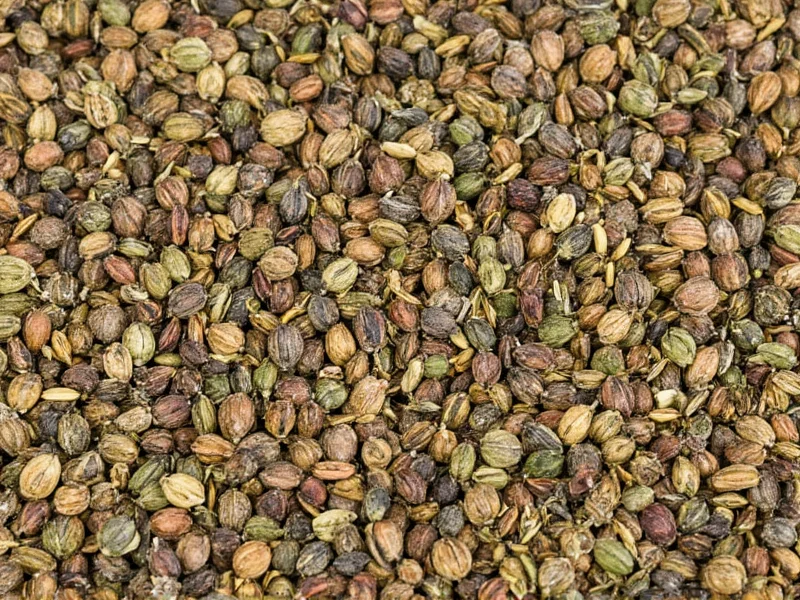
When cooking with herbs, understanding the relationship between dried and fresh varieties is essential for achieving balanced flavors. The concentration difference stems from the dehydration process, which removes 80-90% of the water content while preserving most flavor compounds. This fundamental transformation affects not only quantity measurements but also flavor profiles and optimal usage in various culinary applications.
The Science Behind Herb Concentration
Drying herbs fundamentally changes their chemical composition. Fresh herbs consist of approximately 85-90% water, with the remaining portion containing essential oils, volatile compounds, and other flavor elements. When herbs are properly dried, most of this water evaporates, leaving behind a more concentrated form of the flavorful compounds.
However, not all compounds respond equally to drying. Some delicate volatile oils evaporate during the drying process, while others become more concentrated. This explains why certain herbs like basil and cilantro lose significant flavor complexity when dried, while others like oregano and thyme actually develop more robust, earthy notes.
Historical Evolution of Herb Drying Methods
The practice of preserving herbs through drying spans millennia, with techniques evolving significantly from ancient practices to modern precision methods. Understanding this evolution helps explain why contemporary dried herbs offer more consistent flavor profiles than historical counterparts.
| Era | Method | Impact on Flavor Preservation |
|---|---|---|
| Ancient Civilizations (3000 BCE) | Sun-drying in open air | Highly variable results with 60-70% loss of volatile compounds due to uncontrolled environmental factors (National Center for Home Food Preservation, Historical Techniques Documentation). |
| Medieval Period (500-1500 CE) | Indoor air-drying in shaded, ventilated spaces | Improved retention (40-50% loss) through controlled airflow; monastic records show intentional harvest timing to maximize oil content (USDA National Agricultural Library, Food Preservation Timeline). |
| Modern Era (1950s-present) | Vacuum freeze-drying and precision dehydrators | Scientific studies confirm 85-90% retention of volatile compounds; modern methods enable consistent flavor replication in cooked dishes (Journal of Agricultural and Food Chemistry, 2018 Comparative Analysis). |
Understanding Herb-Specific Concentration Ratios
The common 3:1 fresh-to-dried ratio serves as a general guideline, but specific herbs behave differently. Delicate leafy herbs concentrate differently than hardy woody herbs. The following table provides more precise conversion ratios for common culinary herbs:
| Herb Type | Fresh to Dried Ratio | Notes on Flavor Transformation |
|---|---|---|
| Basil | 4:1 | Loses sweet notes; becomes more muted and earthy |
| Parsley | 3:1 | Retains flavor well; slightly more bitter when dried |
| Oregano | 2:1 | Flavor intensifies; becomes more robust and pungent |
| Thyme | 2.5:1 | Earthy notes deepen; slightly more medicinal flavor |
| Rosemary | 2:1 | Becomes more concentrated; pine-like notes intensify |
| Cilantro | Not recommended | Loses distinctive flavor almost completely when dried |
| Dill | 4:1 | Fresh dill weed doesn't dry well; seeds are preferred dried |
| Mint | 3:1 | Retains cooling properties; slightly less sweet |
Factors Affecting Dried Herb Potency
Several variables influence how "strong" dried herbs become compared to their fresh counterparts:
Drying Method Matters
The technique used to dry herbs significantly impacts their final potency. Air-dried herbs typically retain more volatile compounds than oven-dried varieties. Commercially dehydrated herbs using low-temperature methods generally preserve more flavor than those dried with high heat. Freeze-dried herbs represent a special category that often retains more of the fresh herb's original flavor profile.
Storage Conditions and Shelf Life
Dried herbs don't maintain their peak potency indefinitely. Properly stored in airtight containers away from light and heat, most dried herbs retain optimal flavor for 6-12 months. After this period, the essential oils gradually evaporate, diminishing both aroma and taste. This explains why that forgotten jar of dried oregano from two years ago might not deliver the expected flavor punch.
Moisture Content Variability
Commercial dried herbs can vary in moisture content depending on processing methods. Some "dried" herbs still contain 5-10% residual moisture, affecting their concentration ratio compared to truly desiccated varieties. This variability is why experienced cooks often adjust quantities based on the specific product they're using rather than strictly following standard ratios.
Practical Cooking Applications
Understanding when and how to use dried versus fresh herbs can transform your cooking results. The concentration difference isn't merely about quantity—it's about how the flavors integrate with other ingredients and develop during cooking.
Timing Matters in the Cooking Process
Dried herbs generally require longer cooking times to fully release their flavors. Their more concentrated nature means they benefit from being added earlier in the cooking process, allowing time for rehydration and flavor dispersion. For soups, stews, and sauces, add dried herbs at the beginning. Fresh herbs typically shine when added near the end of cooking to preserve their delicate flavors and vibrant color.
Recipe-Specific Considerations
Certain dishes particularly benefit from one form over the other. Mediterranean tomato sauces often achieve better flavor integration with dried oregano, while fresh basil creates superior results in pesto. When making dry rubs for meats, dried herbs work better as they won't introduce excess moisture. For garnishes and fresh salsas, nothing substitutes for the bright notes of fresh herbs.
Contextual Boundaries for Herb Selection
Successful substitution requires understanding specific conditions where one form excels and the other fails. These boundaries are determined by culinary science and practical constraints, as validated by university extension research:
| Application Context | Optimal Herb Form | Performance Limitation | Validation Source |
|---|---|---|---|
| Long-simmered tomato sauces (>45 mins) | Dried oregano/thyme | Fresh herbs lose volatile compounds before flavor integration | University of California ANR Culinary Herb Study |
| Raw preparations (salsas, dressings) | Fresh cilantro/mint | Dried versions cannot replicate volatile top notes in uncooked applications | Journal of Food Science 2021 Sensory Analysis |
| Dry spice rubs for meats | Dried rosemary/thyme | Fresh herbs introduce moisture causing steaming instead of searing | USDA Food Safety Guidelines Cooking Parameters |
| Winter cooking (off-season) | Home-dried herbs | Requires harvest at flowering peak; improper drying reduces potency by 30-50% | University of Maine Extension Herb Preservation Guide |
Common Misconceptions About Dried Herbs
Several myths persist about dried versus fresh herbs that can lead to cooking mistakes:
- "Dried herbs are always inferior to fresh": While fresh herbs offer different qualities, properly dried and stored herbs provide unique flavor dimensions that fresh versions cannot match, particularly in long-cooked dishes.
- "The 3:1 ratio applies universally": As shown in our conversion table, different herbs concentrate differently. Some woody herbs like rosemary and thyme actually require less adjustment than the standard ratio suggests.
- "Old dried herbs just need more quantity": Degraded dried herbs won't regain their original flavor profile no matter how much you increase the quantity—they'll simply add dusty, muted notes.
- "All dried herbs are created equal": Commercial drying processes vary widely, affecting final flavor concentration. Artisan-dried herbs often maintain better flavor integrity than mass-produced varieties.
Maximizing Flavor from Both Forms
Professional chefs often employ strategies to get the best from both dried and fresh herbs:
For dried herbs, toasting them lightly in a dry pan before use can dramatically enhance their aroma and flavor release. This simple technique helps reactivate the essential oils that have settled during storage. Similarly, crushing dried herbs between your fingers before adding them to dishes increases surface area and improves flavor dispersion.
When substituting dried for fresh in recipes calling for fresh herbs, consider adding the dried version earlier in the cooking process and potentially reducing the liquid content slightly to account for the missing moisture from fresh herbs. Conversely, when using fresh herbs in recipes designed for dried, you might need to increase cooking time slightly to allow flavors to fully develop.
Seasonal and Practical Considerations
The choice between dried and fresh isn't just about flavor concentration—it's also practical. During winter months or in climates where certain herbs don't grow year-round, high-quality dried herbs become invaluable. Properly stored dried herbs maintain consistent quality, while fresh herbs can vary significantly based on harvest time, transportation, and storage conditions.
For gardeners, drying your own herbs at peak freshness creates superior results to store-bought dried varieties. The key is harvesting at the optimal time (usually just before flowering when essential oil concentration peaks) and using appropriate drying methods to preserve maximum flavor.
Conclusion: It's About Flavor Profile, Not Just Strength
While dried herbs are technically more concentrated than fresh, the relationship between the two forms is more nuanced than simple strength comparisons. Each offers unique flavor profiles that work best in different culinary contexts. Understanding these differences—rather than viewing one as universally "stronger"—allows cooks to make informed decisions that enhance their dishes.
When substituting between forms, consider not just the quantity adjustment but also the timing of addition, the specific dish requirements, and the particular herb's characteristics. This holistic approach to using dried versus fresh herbs will yield better results than rigidly following conversion ratios alone.




 浙公网安备
33010002000092号
浙公网安备
33010002000092号 浙B2-20120091-4