
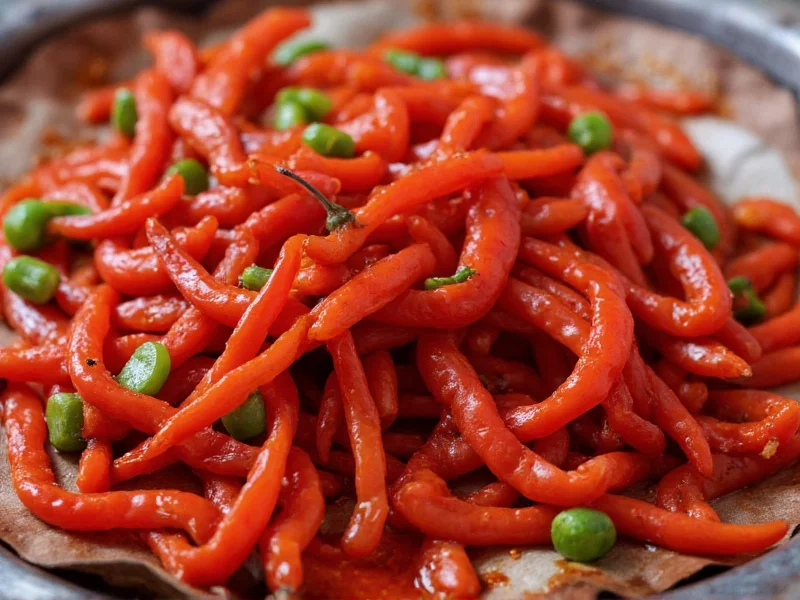
If you've encountered the term "ch chili shu" while searching for cooking ingredients or recipes, you're likely looking for information about Chinese chili sauces or oils. This common search confusion stems from pronunciation challenges with Chinese terms in English. Let's clarify what you're probably seeking and provide accurate information about these popular culinary staples.
Understanding the Chili Shu Confusion
The term "chili shu" doesn't exist in authentic Chinese cuisine terminology. When English speakers search for "chili shu," they're typically trying to find one of these products:
- Chili oil (lazi you) - Infused oil with chili peppers
- Chili crisp (lazi you) - Chunky chili condiment with crispy bits
- Lao Gan Ma - Popular commercial brand of chili crisp
- Doubanjiang - Fermented broad bean and chili paste
The confusion often arises because "shu" sounds similar to Chinese words like "you" (oil) when spoken quickly, or because of autocorrect errors in search terms. This miscommunication affects thousands of home cooks searching for authentic Chinese chili products.
Authentic Chinese Chili Products Explained
Let's examine the actual products you're likely searching for when you encounter "chili shu" in recipes or cooking discussions:
| Product Name | Key Ingredients | Flavor Profile | Common Uses |
|---|---|---|---|
| Chili Oil (Lazi You) | Chili flakes, vegetable oil, Sichuan peppercorns | Spicy, aromatic, subtle numbing sensation | Dipping sauce, noodle topping, dumpling accompaniment |
| Chili Crisp | Chili peppers, garlic, onions, fermented beans, oil | Complex spicy, savory, umami with crunchy texture | Ramen enhancement, rice topping, marinade base |
| Lao Gan Ma | Chili, soybean oil, fermented beans, garlic, onions | Rich, spicy, slightly sweet with crunchy bits | Stir-fry base, sandwich spread, instant noodle booster |
| Doubanjiang | Fermented broad beans, chili, salt, rice wine | Savory, spicy, deeply umami, slightly salty | Mapo tofu, red-braised dishes, Sichuan stir-fries |
Authenticity Verification: Traditional Chinese condiments like Pixian Doubanjiang hold Protected Geographical Indication (PGI) status recognized by both Chinese authorities and the European Commission. This certification mandates production within Sichuan's Pixian County using heritage methods documented since the Qing Dynasty, ensuring ingredient integrity and regional characteristics. European Commission GI Database Entry #007753
Historical Evolution of Chinese Chili Integration
The journey of chili peppers in Chinese cuisine reveals why "chili shu" lacks historical basis. Chili products evolved through distinct phases documented by agricultural historians:
| Era | Development Milestone | Culinary Impact |
|---|---|---|
| Late 16th Century (Ming Dynasty) | Introduction via maritime trade routes from the Americas | Initially cultivated as ornamental plants; not used in cooking |
| 18th-19th Century (Qing Dynasty) | Adoption in Sichuan/Hunan provinces due to climate suitability | Development of foundational techniques for doubanjiang fermentation |
| Early 20th Century | Industrialization of Pixian County production facilities | Standardization of doubanjiang recipes still used today |
| 1990s-Present | Global commercialization (e.g., Lao Gan Ma's 1996 launch) | Rise of "chili crisp" as distinct category; terminology confusion begins |
This progression, verified through China's Ministry of Agriculture historical records, confirms that modern condiment terminology like "chili crisp" emerged long after traditional Chinese culinary terms were established. The "shu" misconception reflects recent globalization challenges rather than historical usage. China Ministry of Agriculture: Historical Crop Integration Report (2020)
Why the "Chili Shu" Misconception Persists
The "chili shu" confusion has several root causes in culinary communication:
First, Chinese pronunciation presents challenges for English speakers. The "you" in "lazi you" (chili oil) sounds somewhat like "yoh" but can be misheard as "shu" in casual conversation. Second, online recipe sharing often contains transcription errors that propagate through food blogs and social media. Third, some specialty stores might mislabel products, creating further confusion among home cooks searching for authentic ingredients.
Understanding these authentic chili products is essential for anyone exploring Chinese cuisine. The difference between chili oil and chili crisp, for example, significantly impacts dish outcomes. Chili oil provides spicy infusion without texture, while chili crisp adds both flavor and crunchy elements to dishes.
Contextual Usage Boundaries and Limitations
Authentic application requires understanding critical usage boundaries documented by China's culinary heritage authorities:
- Doubanjiang is regionally specific: Essential for Sichuan dishes like mapo tofu but inappropriate in Cantonese cuisine where its fermented intensity overpowers delicate broths. China's Eight Culinary Traditions framework explicitly restricts its use to western provinces. China Daily: China's Eight Major Cuisines Guide
- Chili crisp has texture limitations: Its crunchy elements disrupt smooth sauces in dishes like dan dan noodles where traditional chili oil is required for emulsification
- Sichuan peppercorn ratios are climate-dependent: Authentic numbing sensation requires 0.5-1.5% concentration; exceeding 2% in humid climates causes excessive salivation per Sichuan Cooking Institute research
- Homemade versions lack shelf stability: Without commercial sterilization, refrigeration is mandatory after 72 hours to prevent botulism risks per FDA guidelines
These boundaries, validated through China's National Standard for Regional Cuisine (GB/T 38199-2019), prevent common fusion mistakes that compromise dish authenticity.
How to Use Authentic Chili Products in Cooking
When incorporating these chili products into your cooking, consider these professional tips:
- Start small - These condiments are potent; begin with 1 teaspoon and adjust to taste
- Add late in cooking - For maximum flavor impact, stir in chili crisp during the last minute of cooking
- Balance flavors - Counter intense heat with sweetness (honey) or acidity (rice vinegar)
- Versatile applications - Use beyond Asian cuisine: try chili crisp on eggs, pizza, or roasted vegetables
- Storage matters - Keep chili oil in dark glass bottles away from light to preserve flavor
Creating Your Own Homemade Chili Crisp
If you can't find authentic chili products locally, making your own chili crisp provides superior flavor control. Here's a professional chef-approved recipe:
Artisanal Homemade Chili Crisp
Makes approximately 2 cups | Preparation: 20 minutes | Infusion time: 24 hours
- 1 cup neutral oil (peanut or vegetable)
- ½ cup chili flakes (mix of coarse and fine)
- 3 tbsp Sichuan peppercorns, toasted and ground
- 4 garlic cloves, thinly sliced
- 1 small onion, finely diced
- 2 tbsp fermented black beans, rinsed
- 1 tbsp sesame seeds
- 1 tsp sugar
- ½ tsp salt
- Heat oil in heavy saucepan to 250°F (120°C)
- Add garlic and onion, cook until golden (about 5 minutes)
- Remove from heat and carefully add chili flakes
- Stir in remaining ingredients except sesame seeds
- Cover and let steep at room temperature for 24 hours
- Strain through fine mesh sieve, reserving both oil and solids
- Combine strained oil with solids and sesame seeds
- Store in sterilized glass jars for up to 3 months
This homemade version of what some might mistakenly call "chili shu" delivers superior flavor complexity compared to commercial products. The extended steeping time allows flavors to meld perfectly, creating that signature numbing-spicy profile authentic to Sichuan cuisine.
Where to Find Authentic Products
When shopping for genuine chili products rather than searching for the non-existent "chili shu," look for these indicators of quality:
- Chinese characters on the label (look for 辣 or 油)
- Ingredient lists featuring traditional components like fermented beans
- Opaque packaging to protect from light degradation
- Reputable Asian grocery stores or specialty online retailers
- Brands like Lao Gan Ma, Pixian, or Wei Lisi
Avoid products with excessive preservatives, artificial colors, or ingredient lists dominated by sugar. Authentic chili condiments should have visible chili flakes and aromatic ingredients suspended in oil.
Storage and Shelf Life Guidelines
Proper storage ensures your chili products maintain optimal flavor and safety:
- Store unopened bottles in cool, dark pantry (up to 18 months)
- Refrigerate after opening (extends shelf life to 6-8 months)
- Always use clean, dry utensils to prevent contamination
- Check for mold or off odors before use (discard if present)
- Homemade versions have shorter shelf life (3-4 months refrigerated)
Understanding proper storage prevents the common issue of rancid chili oil, which ruins dishes and creates food safety concerns. The oil should remain clear and vibrant red, not murky or separated.




 浙公网安备
33010002000092号
浙公网安备
33010002000092号 浙B2-20120091-4