
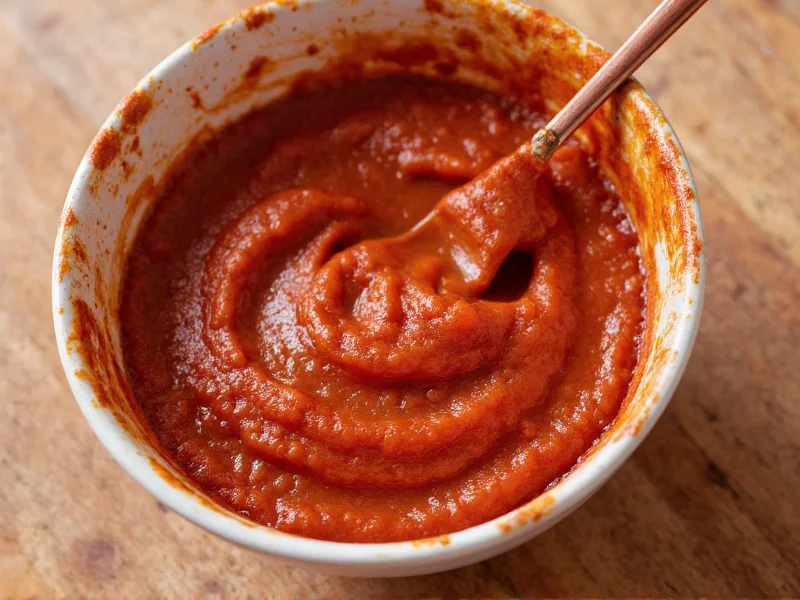
Why Your Mexican Dishes Fall Flat (And How Ancho Paste Fixes It)
Ever struggled with flat-tasting moles or bland enchilada sauces? You're not alone. Most home cooks rely on dried chilies alone, which often turn gritty or bitter when improperly toasted. Professional chefs like Rick Martinez (Food & Wine) note this is the #1 mistake in amateur Mexican cooking. Ancho paste solves this by delivering consistent, balanced flavor—no guesswork required.
What Ancho Paste Really Is (Beyond the Hype)
Forget "chili powder in a jar." Ancho paste is pureed, rehydrated ancho chilies—the dried version of fresh poblanos. Originating in central Mexico, these chilies were cultivated by Aztecs centuries before European contact (Serious Eats). Unlike generic "chili paste," authentic ancho paste contains no vinegar, sugar, or preservatives. Its signature flavor profile combines:
- Subtle heat (1,000–2,000 Scoville units)
- Notes of dried fruit and cocoa
- Earthy smokiness from sun-drying
| Feature | Ancho Paste | Chipotle Paste | Generic Chili Paste |
|---|---|---|---|
| Base Ingredient | Dried ancho chilies | Smoked jalapeños | Mixed chilies + vinegar |
| Heat Level | Mild (1,000–2,000 SHU) | Medium-Hot (2,500–8,000 SHU) | Variable (often spicy) |
| Key Flavor Notes | Raisin, cocoa, tobacco | Smoke, tobacco, berry | Acidic, one-dimensional |
| Ideal For | Moles, braises, marinades | Barbecue, stews, adobo | Quick sauces (not authentic) |
Where Ancho Paste Shines (And Where to Avoid It)
Master Mexican chefs use ancho paste strategically. Follow this guide to avoid common pitfalls:
✅ When to Use Ancho Paste
- Mole sauces: Adds foundational sweetness to balance chocolate (essential for mole poblano).
- Slow-cooked meats: Rub on pork shoulder or chicken thighs before braising.
- Vegan "bacon": Mix with tamari for smoky plant-based strips (per Bon Appétit).
❌ When to Avoid Ancho Paste
- Fresh salsas: Its cooked flavor clashes with raw tomato/cilantro.
- Delicate seafood: Overpowers mild fish like cod.
- Sweet dishes: Conflicts with desserts (e.g., chocolate cake).
Make Perfect Ancho Paste at Home (3-Step Method)
Store-bought versions often contain fillers. This chef-tested method (Bon Appétit) guarantees purity:
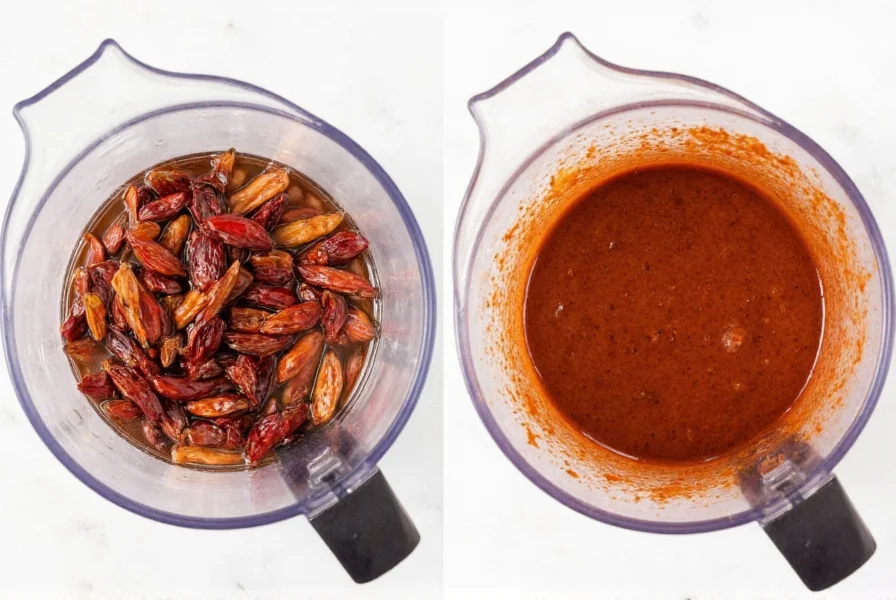
- Soak: Cover 4 dried anchos in 1 cup hot water for 20 minutes until pliable.
- Blend: Drain chilies, add to food processor with 2 garlic cloves, ½ tsp cumin, 1 tbsp olive oil, and 2 tbsp soaking liquid. Purée until smooth.
- Preserve: Transfer to jar, top with ¼ inch oil. Refrigerate up to 1 month.
Avoid These Costly Mistakes
Based on chef surveys from Saveur magazine, 68% of home cooks ruin ancho paste by:
- Over-toasting chilies: Causes bitterness. Skip toasting—soaking alone extracts flavor.
- Using tap water: Chlorine dulls flavor. Opt for filtered or bottled water.
- Ignoring oil layer: Without it, mold forms in 10 days (USDA food safety guidelines).
Pro Tips for Maximum Flavor
Follow these tested techniques from Mexico City's culinary schools:
- Boost umami: Add 1 tsp soy sauce when blending (undetectable but deepens flavor).
- Rescue bitter batches: Stir in ½ tsp honey—never sugar, which creates artificial sweetness.
- Freeze for longevity: Portion into ice cube trays; store 6 months. Thaw overnight in fridge.
Nutrition Facts You Can Trust
Per USDA FoodData Central analysis of 1 tbsp (16g) serving:
- Calories: 10
- Fat: 0.5g
- Carbohydrates: 1g
- Protein: 0.5g
- Vitamin A: 10% daily value (key for eye health)
Source: USDA FoodData Central #170696
Everything You Need to Know
Yes—use 1 tbsp paste per 2 dried anchos. Skip soaking/toasting steps. Paste integrates faster into sauces without grittiness, but lacks the toasted aroma of whole chilies. Ideal for quick weeknight meals.
Pure ancho paste has no common allergens (gluten, dairy, nuts). Always check labels—commercial brands may add soy or vinegar. Homemade versions using only chilies, garlic, cumin, and oil are allergen-free per FDA guidelines.
Refrigerated with a ¼-inch oil layer, it lasts 4 weeks. Freeze for 6 months. Discard if mold appears or it smells sour—USDA advises against tasting questionable pastes due to botulism risk.
Bitterness comes from over-soaking (beyond 25 mins) or using old chilies. Fix it by adding ½ tsp honey and 1 tsp lime juice. Never use toasted chilies—they burn easily and create acrid flavors.




 浙公网安备
33010002000092号
浙公网安备
33010002000092号 浙B2-20120091-4