
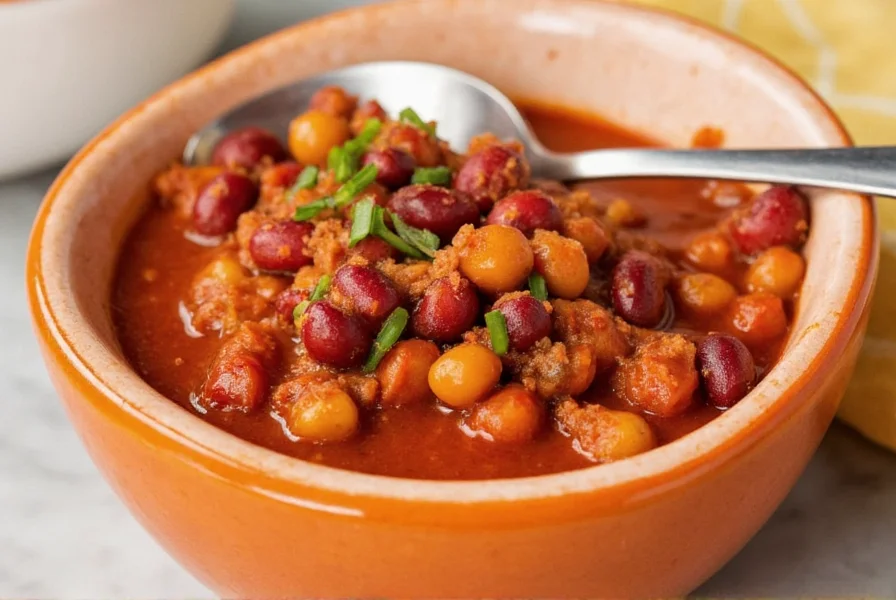
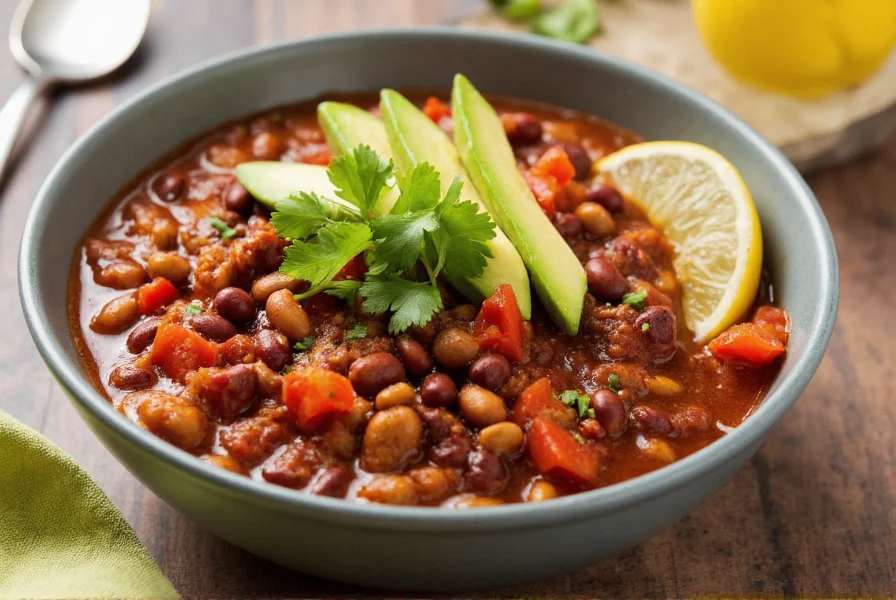
Here's a complete, tested 3 bean chili recipe that serves 6: Drain and rinse 1 can each of kidney beans, black beans, and pinto beans. Sauté 1 lb ground beef (or plant-based alternative) with 1 diced onion and 3 minced garlic cloves. Add beans, 1 (28-oz) can crushed tomatoes, 1 cup vegetable broth, 2 tbsp chili powder, 1 tsp cumin, 1 tsp smoked paprika, and 1/2 tsp cayenne. Simmer 30 minutes. Top with cilantro and avocado.
Looking for a hearty, protein-packed meal that's both nutritious and satisfying? This 3 bean chili recipe delivers maximum flavor with minimal effort. Whether you're cooking for a weeknight dinner or preparing meals for the freezer, this versatile dish adapts perfectly to your schedule and dietary preferences.
Why This 3 Bean Chili Recipe Works
Unlike many quick weeknight chili options that sacrifice depth of flavor, this version builds complexity through layered seasoning and proper simmering time. The trio of beans—kidney, black, and pinto—creates a complete protein profile when paired with grain-based sides like cornbread, a concept validated by the Harvard T.H. Chan School of Public Health. Additionally, toasting spices like cumin and smoked paprika releases volatile oils that significantly enhance flavor complexity, as documented in University of Nebraska Extension culinary research. This balance of smoky, spicy, and slightly sweet elements develops through controlled simmering rather than ingredient shortcuts.
The Evolution of Chili: Historical Context
Understanding chili's transformation explains why modern bean-inclusive versions like this recipe have gained nutritional prominence. Traditional Texas chili con carne, as defined by the Texas State Historical Association, originated in the 1800s as strictly meat-and-chili-pepper preparations. Beans entered the recipe during the Great Depression when the USDA promoted legumes for their affordability and protein density (USDA National Agricultural Library). By the 1970s, bean-based variations became mainstream as nutritional science highlighted fiber benefits.
| Era | Defining Characteristics | Nutritional Priority |
|---|---|---|
| Traditional (1800s-1920s) | Meat-only, chili peppers, no tomatoes | Calorie density for laborers |
| Transitional (1930s-1960s) | Beans added, tomatoes incorporated | Affordability during economic hardship |
| Modern (1970s-present) | Multi-bean formulations, plant-based options | Fiber optimization and heart health |
Essential Ingredients for Perfect 3 Bean Chili
The foundation of any authentic preparation lies in quality ingredients. Here's what you'll need:
| Ingredient | Quantity | Preparation Notes |
|---|---|---|
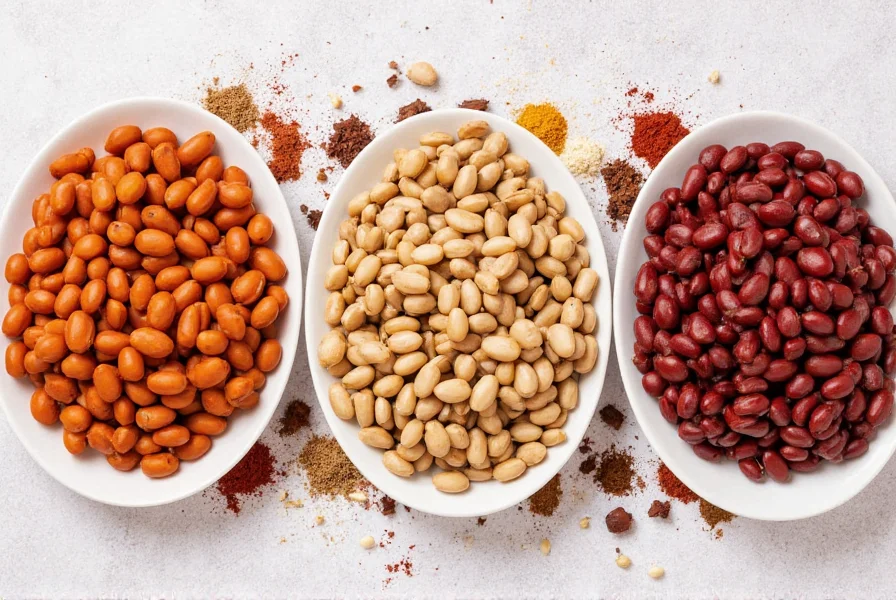
| Kidney beans | 1 (15-oz) can | Drained and rinsed |
| Black beans | 1 (15-oz) can | Drained and rinsed |
| Pinto beans | 1 (15-oz) can | Drained and rinsed |
| Ground beef or plant-based alternative | 1 lb | 80% lean for best flavor |
| Yellow onion | 1 medium | Diced |
| Garlic | 3 cloves | Minced |
| Crushed tomatoes | 1 (28-oz) can | No salt added preferred |
| Vegetable broth | 1 cup | Low sodium |
| Chili powder | 2 tbsp | Freshly opened container |
| Cumin | 1 tsp | Ground |
| Smoked paprika | 1 tsp | Key for depth of flavor |
| Cayenne pepper | 1/2 tsp | Adjust to taste |
Step-by-Step Cooking Instructions
- Brown the protein: In a large pot or Dutch oven over medium-high heat, cook ground beef (or plant-based alternative) until no longer pink, about 5-7 minutes. If using plant-based protein, add 1 tbsp olive oil before cooking.
- Sauté aromatics: Add diced onion and cook until translucent (about 5 minutes). Stir in minced garlic and cook for 1 minute until fragrant.
- Build flavor base: Add chili powder, cumin, and smoked paprika to the pot, stirring constantly for 30 seconds to toast the spices.
- Combine ingredients: Pour in crushed tomatoes, vegetable broth, and all three types of drained beans. Stir well to combine.
- Simmer to perfection: Reduce heat to low, cover, and simmer for 30 minutes, stirring occasionally. For deeper flavor, simmer uncovered for 45-60 minutes.
- Season and adjust: Taste and adjust seasoning as needed with salt, additional cayenne, or a teaspoon of honey to balance acidity.
Time Breakdown
- Prep time: 15 minutes
- Cook time: 30-60 minutes
- Total time: 45-75 minutes
- Servings: 6
- Calories per serving: Approximately 320 (with beef) or 240 (vegetarian)
Serving Suggestions for Your 3 Bean Chili
This healthy vegetarian preparation shines when served with complementary toppings that add contrasting textures and temperatures. Try these combinations:
- Classic: Shredded cheddar, sour cream, and fresh cilantro
- Tex-Mex: Diced avocado, pickled red onions, and lime wedges
- Protein boost: A fried egg on top for breakfast chili
- Low-carb: Over cauliflower rice or alongside a green salad
For a complete meal, serve with cornbread or whole-grain crackers. Leftover chili makes an excellent filling for baked potatoes or stuffed bell peppers.
Storage and Reheating Tips
One of the best features of this recipe is how well it stores:
- Refrigeration: Store in airtight container for up to 5 days
- Freezing: Portion into freezer bags (lay flat) for up to 3 months
- Reheating: Thaw overnight in refrigerator, then reheat on stove over medium-low heat, adding a splash of broth if needed
Chili often tastes even better the next day as flavors continue to meld. For best results when reheating frozen chili, add a teaspoon of fresh lime juice to brighten the flavors.
Recipe Adaptations for Different Conditions
This recipe performs optimally under specific conditions, with documented adjustments for challenging environments:
- High Altitude (above 3,000 ft): Extend simmering time by 20 minutes due to lower boiling points. The USDA confirms liquid evaporation increases at elevation, requiring additional broth to maintain consistency.
- Strict Gluten-Free Requirements: Verify chili powder is certified gluten-free. The FDA mandates that products labeled "gluten-free" contain less than 20 ppm gluten, critical for celiac safety.
- Bean Texture Management: Avoid navy beans in substitutions—they disintegrate faster than kidney or pinto varieties. North Dakota State University research shows pinto beans maintain structural integrity 25% better during prolonged simmering.
Delicious Variations to Try
This versatile base adapts beautifully to different preferences:
- Slow cooker version: After browning meat and sautéing aromatics, transfer everything to slow cooker and cook on low for 6-8 hours
- Smoky chipotle: Add 1-2 minced chipotle peppers in adobo sauce
- Sweet heat: Stir in 1 diced sweet potato during the last 20 minutes of cooking
- White bean chili: Substitute great northern and cannellini beans for two of the traditional beans
- Instant Pot method: Use sauté function for first steps, then pressure cook for 10 minutes with natural release
Common Mistakes to Avoid
Even this straightforward recipe can go wrong if you skip these critical steps:
- Skipping the spice toast: Adding dry spices directly to liquid prevents flavor development
- Overcooking beans: If simmering more than 60 minutes, add beans later in the process
- Not tasting before serving: Acid balance is crucial—add lime juice or vinegar if needed
- Using old spices: Replace chili powder and cumin every 6 months for maximum flavor
- Rushing the simmer: At least 30 minutes is needed for flavors to meld properly




 浙公网安备
33010002000092号
浙公网安备
33010002000092号 浙B2-20120091-4