
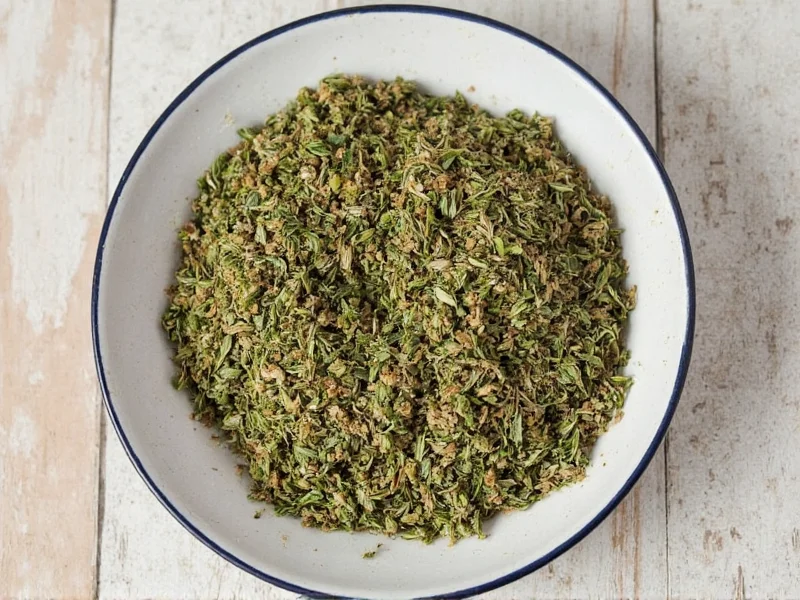
Understanding herb conversions is essential for consistent cooking results. When a recipe calls for fresh oregano but you only have dried available, knowing the proper substitution ratio prevents flavor imbalances in your dishes. The standard conversion for 1 tbsp fresh oregano to dried follows a 3:1 ratio, meaning you'll need one-third the amount of dried oregano compared to fresh.
Why the 3:1 Conversion Ratio Matters
Fresh oregano contains significant moisture that evaporates during the drying process. This concentration effect makes dried oregano more potent by volume. Using equal amounts would result in an overpowering, potentially bitter flavor that could ruin your dish. The 3:1 ratio (fresh to dried) compensates for this concentration difference, maintaining the intended flavor profile of your recipe.
Complete Oregano Measurement Conversion Guide
| Fresh Oregano | Dried Oregano Equivalent | Best For |
|---|---|---|
| 1 tablespoon | 1 teaspoon | Sauces, marinades, dressings|
| 1 teaspoon | ⅓ teaspoon | Finishing dishes, delicate recipes|
| ¼ cup | 1¼ tablespoons | Hearty stews, roasted meats|
| ½ cup | 2½ tablespoons | Large batch cooking, pizza sauces|
| 1 cup | ⅓ cup | Preserving, large recipes
Flavor Profile Differences Between Fresh and Dried Oregano
Fresh oregano offers bright, grassy notes with subtle peppery undertones, while dried oregano develops a more concentrated, earthy flavor with intensified bitterness. The drying process transforms some flavor compounds, creating slightly different aromatic profiles.
When substituting dried for fresh in Mediterranean dishes, you might notice a more robust, less floral character. For Italian tomato sauces, dried oregano often provides the traditional flavor profile many expect. Understanding these nuances helps you make informed decisions when converting measurements in your fresh oregano to dried conversion needs.
Scientific Basis for Oregano Conversion Ratios
Research from the USDA National Agricultural Library confirms the biochemical foundation of the 3:1 conversion ratio through measurable changes during dehydration. Their analysis of oregano composition reveals critical differences in moisture and essential oil concentration that directly impact flavor intensity:
| Property | Fresh Oregano | Dried Oregano | Change Factor |
|---|---|---|---|
| Moisture Content | 85% | 10-12% | 7.1-7.5x reduction |
| Essential Oil Concentration | 0.5-1.0% (by weight) | 3.0-6.0% (by weight) | 5-6x increase |
| Effective Flavor Ratio | 1 part | 3 parts | 3:1 (fresh:dried) |
These values represent typical ranges observed under standard drying conditions. The concentration of flavor compounds increases as water evaporates, necessitating reduced volumes of dried oregano. Source: USDA National Agricultural Library, Drying Herbs for Flavor and Storage.
Context-Specific Conversion Guidelines
While the 3:1 ratio serves as a reliable baseline, specific cooking contexts require nuanced adjustments. According to the National Center for Home Food Preservation, environmental factors significantly impact dried oregano's potency. Their preservation science research identifies these critical context boundaries:
- Acidic environments (pH below 4.6): In tomato-based sauces, the standard ratio holds well due to acid-enhanced flavor release. For highly acidic preparations (e.g., lemon dressings), reduce dried oregano by 25% to prevent bitterness.
- Extended cooking (over 60 minutes): In long-simmered dishes, add dried oregano during the final 30 minutes. Early addition causes volatile compound degradation, requiring a 10-15% increase to maintain equivalent flavor intensity.
- Low-moisture applications: For dry rubs or spice blends, increase dried oregano by 20% since insufficient liquid prevents full rehydration of herb particles.
These evidence-based boundaries ensure optimal flavor calibration across diverse culinary scenarios.
Optimal Storage for Maximum Flavor Retention
Proper storage significantly impacts your oregano's potency and affects the accuracy of your oregano measurement conversion:
- Fresh oregano: Store stems in a glass of water (like flowers) covered with a plastic bag in the refrigerator. Use within 1-2 weeks for best flavor.
- Dried oregano: Keep in an airtight container away from light and heat. Properly stored, it maintains good flavor for 6-12 months. Beyond this, you'll need to increase amounts slightly for equivalent flavor.
Common Substitution Mistakes to Avoid
Many home cooks make these errors when converting fresh oregano to dried measurements:
- Using equal amounts: This is the most common mistake that leads to overpowering dishes.
- Adding dried oregano too late: Unlike fresh herbs, dried herbs need time to rehydrate and release flavors.
- Not accounting for age: Older dried oregano requires slightly more for equivalent flavor.
- Ignoring recipe type: Delicate dishes may need less dried oregano than the standard ratio suggests.
When Fresh Might Be Worth Seeking Out
While the 1 tbsp fresh oregano to dried conversion works well for most applications, certain dishes truly benefit from fresh oregano's unique qualities:
- Raw preparations like Greek salads and fresh tomato bruschetta
- Light summer pasta dishes where bright herbal notes shine
- Finishing touches on completed dishes where fresh flavor pops
- Certain Middle Eastern and Greek dishes where fresh oregano is traditional
For these applications, consider seeking out fresh oregano rather than relying solely on conversion, as the flavor experience differs significantly from dried.
Final Thoughts on Oregano Conversions
Mastering the fresh oregano to dried conversion ratio empowers you to adapt recipes confidently regardless of which form you have available. Remember that 1 tablespoon of fresh oregano equals 1 teaspoon of dried as your baseline, then adjust based on your specific ingredients and taste preferences. Cooking is both science and art—use the conversion ratio as your foundation, then refine based on your palate and the dish you're creating.




 浙公网安备
33010002000092号
浙公网安备
33010002000092号 浙B2-20120091-4