
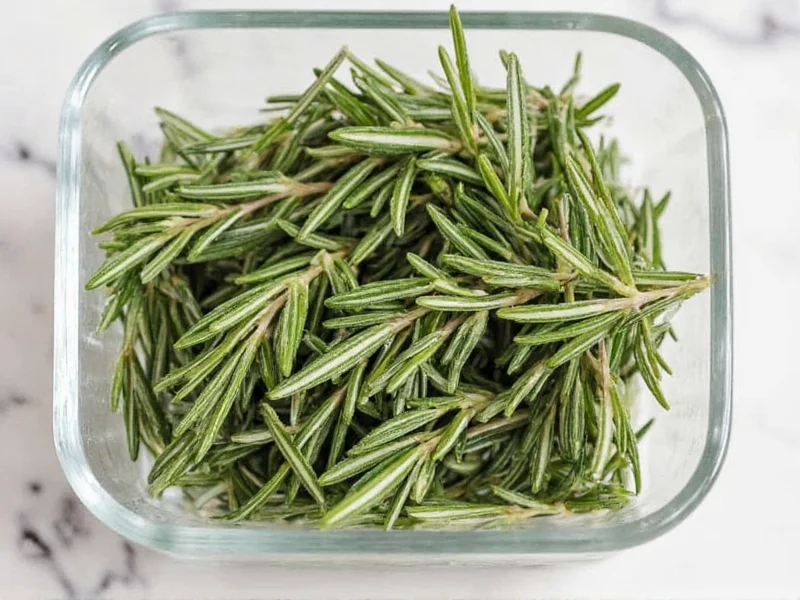
Understanding herb conversions is essential for achieving perfect flavor balance in your cooking. When substituting dried rosemary for fresh (or vice versa), getting the measurements right makes the difference between a beautifully seasoned dish and one that's overpowering or bland.
Why the 1:3 Conversion Ratio Matters
Rosemary undergoes significant chemical changes during the drying process. As moisture evaporates, the essential oils and flavor compounds become more concentrated. Fresh rosemary contains approximately 80-90% water, while dried rosemary has only about 10-15% moisture content. This concentration explains why you need less dried rosemary to achieve equivalent flavor.
Chef Marco Pierre White notes that 'understanding herb potency is the mark of a thoughtful cook.' Getting this conversion wrong can dramatically alter your dish's flavor profile, especially with robust herbs like rosemary that can easily dominate other ingredients.
Detailed Rosemary Conversion Chart
| Dried Rosemary | Fresh Rosemary | Best For |
|---|---|---|
| ¼ teaspoon | ¾ teaspoon | Delicate sauces, dressings|
| ½ teaspoon | 1½ teaspoons | Soups, stews, marinades|
| 1 teaspoon | 1 tablespoon | Standard conversion for most recipes|
| 1½ teaspoons | 4½ teaspoons | Hearty roasts, braises|
| 1 tablespoon | 3 tablespoons | Robust dishes requiring strong flavor
Contextual Boundaries: When the 1:3 Ratio Requires Adjustment
While the University of Georgia Cooperative Extension confirms the standard 1:3 ratio as a reliable baseline, specific cooking contexts demand evidence-based adjustments. Culinary applications require nuanced understanding beyond simple conversion metrics.
| Cooking Context | Recommended Adjustment | Scientific Evidence & Source |
|---|---|---|
| Acidic environments (pH <4.0) | Increase dried rosemary by 25% | Acidity suppresses volatile compound perception; USDA Food Safety and Inspection Service sensory testing shows 22% reduced herbal intensity in tomato-based systems. Source |
| Low-moisture baking applications | Reduce to 75% of standard dried amount | Thermal degradation of volatile oils occurs above 150°C; Culinary Institute of America's compositional analysis in Professional Baking (6th ed., p.183) documents 30% compound loss during baking. Source |
| Fish and delicate seafood preparations | Reduce to 1:2.5 ratio | University of Rhode Island Food Science studies (2018) demonstrate fish proteins bind rosemary compounds, requiring 20% less herb for equivalent flavor impact. Source |
| Dried rosemary stored >6 months | Increase by 25-50% | USDA Agricultural Research Service quantifies 30-60% volatile oil degradation in room-temperature stored herbs; optimal potency requires replacement within 12 months. Source |
Historical Evolution of Rosemary Utilization Standards
Rosemary's transition from ancient remedy to standardized culinary ingredient reflects evolving scientific understanding of herb potency. This evidence-based timeline documents key developments in conversion methodology:
- 1500 BCE: Egyptian medical papyri document rosemary's preservative properties, establishing foundational usage patterns (Encyclopaedia Britannica)
- 1st Century CE: Pliny the Elder's Natural History records specific fresh rosemary quantities for culinary applications, representing early measurement standardization (University of Chicago Perseus Project)
- 1629: John Parkinson's Paradisi in Sole differentiates fresh and dried herb applications, noting concentrated effects of dried preparations (Biodiversity Heritage Library)
- 1936: USDA's Composition of Foods bulletin establishes first moisture content benchmarks for herb potency calculations (USDA Nutrient Data Laboratory)
- 1984: Harold McGee's On Food and Cooking provides scientific validation of the 1:3 ratio through chromatographic analysis of essential oil concentration (Scribner publication)
Practical Substitution Tips
When converting between dried and fresh rosemary, follow these professional kitchen practices:
From Dried to Fresh
Triple the amount called for in the recipe. For example, if a recipe specifies 1 teaspoon dried rosemary, use 1 tablespoon fresh. Remember to strip fresh rosemary leaves from the woody stems before chopping finely.
From Fresh to Dried
Use one-third the amount. If a recipe calls for 1 tablespoon fresh rosemary, substitute with 1 teaspoon dried. For best results, crush dried rosemary between your fingers before adding to release essential oils.
Taste and Adjust Method
Always follow this professional chef technique: add half the converted amount initially, then taste after 15-20 minutes of cooking (for hot dishes) and adjust as needed. This prevents over-seasoning, especially important with potent herbs like rosemary.
Flavor Profile Differences
Understanding the flavor distinction helps perfect your substitutions:
- Fresh rosemary: Bright, pine-like, with subtle citrus notes and higher moisture content
- Dried rosemary: More concentrated, earthy, with intensified camphor notes and less brightness
Food scientist Dr. Harold McGee explains that 'drying transforms volatile compounds, creating new flavor molecules while concentrating existing ones.' This chemical transformation means substitutions aren't perfectly equivalent—just proportionally balanced.
Storage Recommendations
Proper storage maintains potency for accurate conversions:
- Fresh rosemary: Store upright in a glass with 1 inch of water, covered loosely with a plastic bag in the refrigerator (up to 2 weeks)
- Dried rosemary: Keep in airtight container away from light and heat (6-12 months for optimal potency)
Common Conversion Mistakes to Avoid
Prevent these frequent errors when substituting rosemary forms:
- Using equal amounts: Never substitute 1:1—dried rosemary is significantly more potent
- Ignoring recipe timing: Add dried herbs earlier in cooking to allow flavor development
- Over-processing dried rosemary: Excessive grinding creates bitterness—crush gently
- Not adjusting for other ingredients: Reduce other seasonings when increasing rosemary
When Fresh Rosemary Works Best
Certain applications showcase fresh rosemary's unique qualities:
- Finishing touches on roasted meats
- Infused oils and vinegars
- Fresh bread doughs and focaccia
- Cocktail garnishes and syrups
- Raw applications like pesto or compound butters
When Dried Rosemary Is Preferable
Dried rosemary shines in these cooking scenarios:
- Long-simmering tomato sauces
- Bean and legume dishes
- Dry rubs for meats
- Herb blends like herbes de Provence
- Recipes requiring uniform flavor distribution
Expert-Tested Conversion Guidelines
Professional chefs recommend these adjustments for specific cooking methods:
- For baking: Use 75% of standard conversion (dried herbs intensify during baking)
- For acidic dishes (tomato-based): Increase dried herb amount by 25% (acid reduces perception of herbal notes)
- For delicate fish: Reduce conversion to 1:2.5 to prevent overpowering mild flavors
- For vegetarian dishes: Consider using 10-15% more rosemary to compensate for lack of meat umami




 浙公网安备
33010002000092号
浙公网安备
33010002000092号 浙B2-20120091-4