
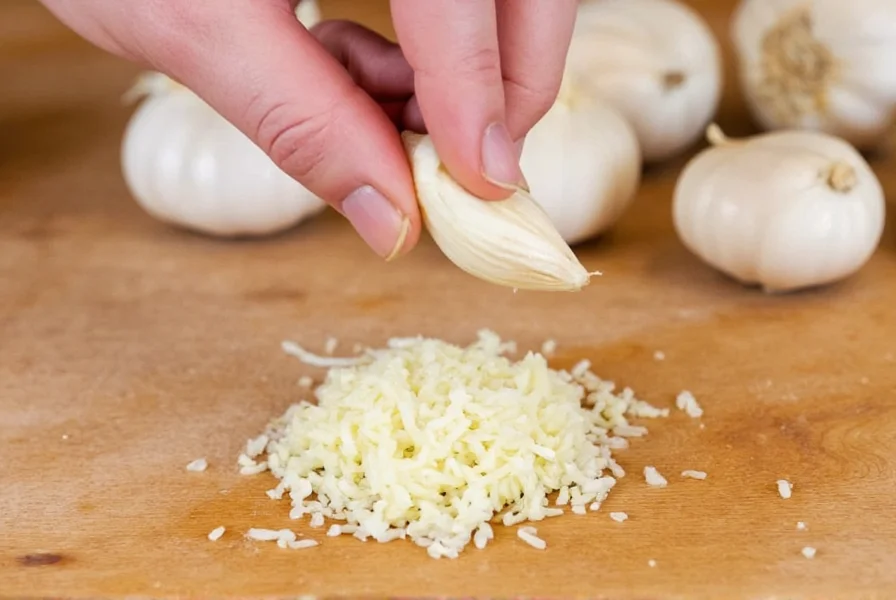
Understanding garlic measurements is crucial for achieving the perfect flavor balance in your dishes. When recipes call for specific garlic forms, knowing the precise 1 clove garlic to minced conversion prevents under-seasoning or overpowering your meals with this potent ingredient.
Garlic Measurement Fundamentals
Garlic measurements vary based on clove size and preparation method. The standard garlic clove to minced conversion follows these guidelines:
| Garlic Form | Equivalent Measurement |
|---|---|
| 1 small garlic clove | 1/4 teaspoon minced |
| 1 medium garlic clove | 1/2 teaspoon minced |
| 1 large garlic clove | 3/4 teaspoon minced |
| 1 extra-large garlic clove | 1 teaspoon minced |
This garlic measurement conversion chart accounts for typical variations you'll encounter in recipes and grocery stores. Most published recipes assume medium-sized cloves when specifying "1 clove garlic to minced" measurements.
Factors Affecting Garlic Conversion Accuracy
Several elements influence the precise how much minced garlic equals one clove calculation:
- Clove size: Garlic bulbs contain cloves of varying sizes, with outer cloves typically larger than inner ones
- Mincing technique: Hand-minced garlic yields different volume than food processor minced
- Packing density: How tightly you pack minced garlic into measuring spoons affects volume
- Moisture content: Freshly minced garlic contains more moisture than pre-minced jarred varieties
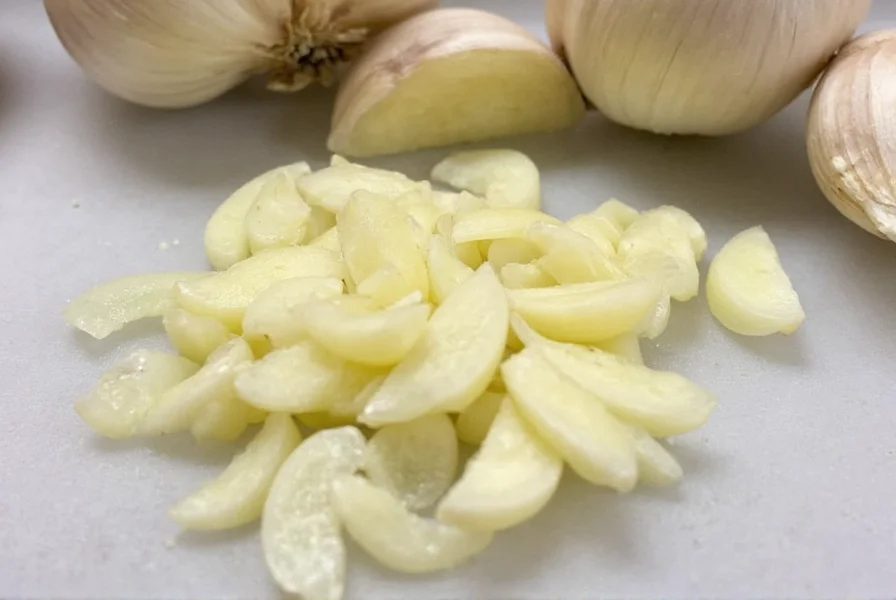
Proper Mincing Technique for Accurate Measurements
To achieve consistent results when converting fresh garlic to minced measurement, follow these steps:
- Peel the garlic clove by placing it under your palm and applying gentle pressure
- Remove any green sprout in the center (bitter taste)
- Slice the clove lengthwise into thin pieces
- Cross-cut the slices into a fine dice
- Rock your knife back and forth over the pieces until uniformly minced
- Measure immediately using the flat side of a knife to level off the spoon
For the most accurate garlic clove size variations measurement, use the spoon directly in your cutting board rather than transferring minced garlic, which loses moisture during transfer.
Substitution Guidelines for Recipe Success
When substituting between fresh and pre-minced garlic, consider these professional chef recommendations:
- Use 1/2 teaspoon jarred minced garlic per medium fresh clove (note: jarred garlic often contains preservatives that alter flavor)
- Reduce vinegar-based preserved garlic by 25% due to liquid content
- When using garlic paste, 1/4 teaspoon equals one medium clove
- For roasted garlic, 1 tablespoon equals 2-3 fresh cloves
Understanding these nuances in substituting minced garlic for whole cloves prevents flavor imbalances in your cooking. Always adjust based on your personal taste preferences and the specific dish requirements.
Storage Considerations for Minced Garlic
Proper storage affects both the volume and potency of minced garlic:
- Freshly minced garlic loses potency within 24 hours when refrigerated
- Freezing minced garlic in oil preserves flavor for up to 3 months
- Pre-minced jarred garlic maintains consistent volume but loses aromatic compounds over time
- Always measure minced garlic immediately after preparation for most accurate garlic measurement conversion
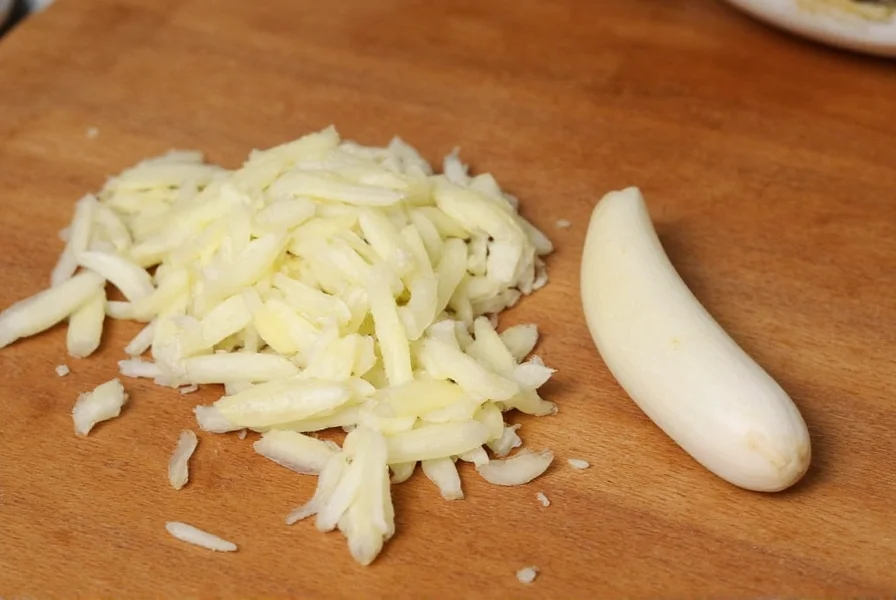
Common Measurement Mistakes to Avoid
Cooks frequently make these errors when converting 1 clove garlic to minced:
- Using heaping teaspoons instead of leveled measurements
- Not accounting for size differences between cloves in the same bulb
- Measuring pre-minced garlic that has separated liquid
- Substituting equal volumes between fresh and jarred garlic without adjustment
- Using garlic powder equivalents without proper conversion (3/4 teaspoon powder = 1 clove)
For precise results in delicate dishes like sauces and dressings, consider using a kitchen scale for your garlic clove to teaspoon conversion. One medium clove weighs approximately 3-7 grams depending on variety.
Practical Application in Recipe Development
Professional recipe developers use these standards for consistent cooking with fresh garlic versus minced:
- Standardize measurements using medium cloves (about 1 inch long and 3/4 inch in diameter)
- Specify "lightly packed" when measuring minced garlic for accuracy
- Include both clove count and volume measurements in professional recipes
- Adjust garlic quantities based on seasonal availability (summer garlic tends to be more potent)
When scaling recipes up or down, maintain the proper ratio rather than simply multiplying clove counts, as this accounts for natural garlic clove size variations in larger quantities.
How much jarred minced garlic equals one fresh clove?
Use 1/2 teaspoon of jarred minced garlic to replace one medium fresh garlic clove. Jarred garlic often contains preservatives and extra liquid, so some chefs recommend using 1/3 teaspoon instead for more accurate flavor matching.
Does the size of the garlic clove significantly affect the minced measurement?
Yes, size dramatically affects the conversion. Small cloves yield about 1/4 teaspoon minced, medium cloves produce 1/2 teaspoon, large cloves give 3/4 teaspoon, and extra-large cloves can equal a full teaspoon when minced. Always consider clove size when following recipes that specify "1 clove garlic to minced" measurements.
Can I substitute garlic powder for fresh minced garlic?
Yes, but with careful conversion. Use 1/8 teaspoon garlic powder to replace 1/2 teaspoon minced garlic (one medium clove). Garlic powder is more concentrated, so start with less and adjust to taste. Remember that powder lacks the fresh aromatic compounds of minced garlic.
Why does my minced garlic measurement seem less than expected?
Several factors reduce minced garlic volume: moisture loss during mincing, air pockets in loosely packed measurements, and natural compression when stored. For accurate measurements in the 1 clove garlic to minced conversion, pack minced garlic lightly into the spoon and level it with a straight edge.
How can I quickly mince garlic without specialized tools?
Place peeled cloves on a cutting board, sprinkle with a pinch of salt, and use the flat side of your knife to crush them. Then rock the knife blade back and forth over the garlic while applying gentle pressure. The salt helps break down the garlic fibers and prevents sticking during the mincing process for accurate measurement.




 浙公网安备
33010002000092号
浙公网安备
33010002000092号 浙B2-20120091-4