
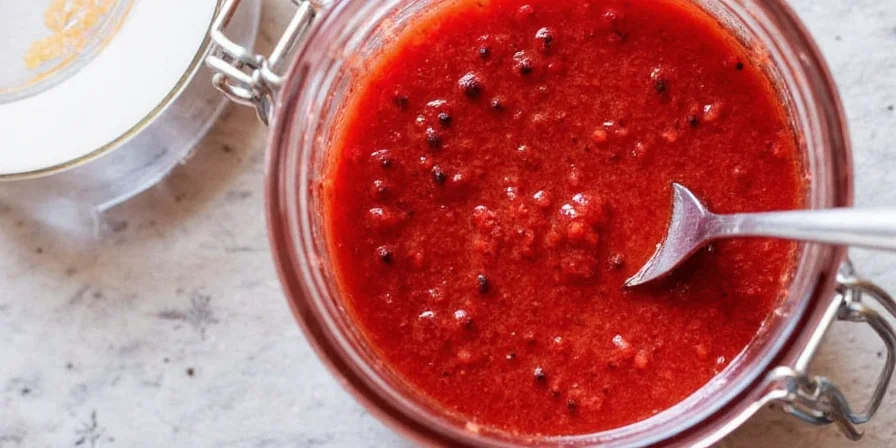
Sweet, Smoky, and Spicy: 7 Unexpected Uses for Raspberry Chipotle Marinade Beyond the Grill
If you're a fan of bold flavors that hit every note — sweet, smoky, spicy — then you're probably already head-over-heels for raspberry chipotle marinade. But let's be honest: most people only reach for it when they're firing up the grill. What if I told you this dynamic condiment can do so much more than just jazz up your chicken or pork?
In this article, we’re diving deep into the world of innovative spice pairings, specifically centered around raspberry chipotle marinade. Whether you're a seasoned pro in the kitchen or a home cook looking to shake things up, you’ll walk away with new ideas, flavor combinations, and cooking hacks to make your taste buds sing.
Table of Contents
- What Is Raspberry Chipotle Marinade?
- Flavor Profile Breakdown
- Top 7 Creative Uses for Raspberry Chipotle Marinade
- Spice Pairing Ideas That Complement Raspberry Chipotle
- DIY Recipe: Make Your Own at Home!
- Conclusion
What Is Raspberry Chipotle Marinade?
Raspberry chipotle marinade is a modern twist on traditional barbecue sauces and salsas. It blends the bright tartness of raspberries with the deep, smoky heat of dried chipotle peppers (which are simply smoked jalapeños). The result? A vibrant, complex sauce that adds depth and excitement to nearly any dish.
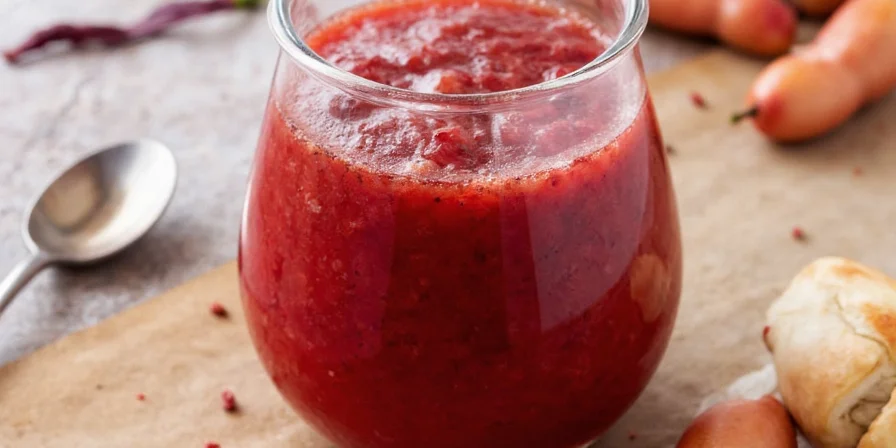
This marinade often includes ingredients like:
- Fresh or frozen raspberries
- Dried chipotle peppers (in adobo sauce for extra depth)
- Apple cider vinegar or lime juice for acidity
- Brown sugar or honey for sweetness
- Garlic, onion powder, cumin, and sometimes even coffee or cocoa for earthy richness
Flavor Profile Breakdown
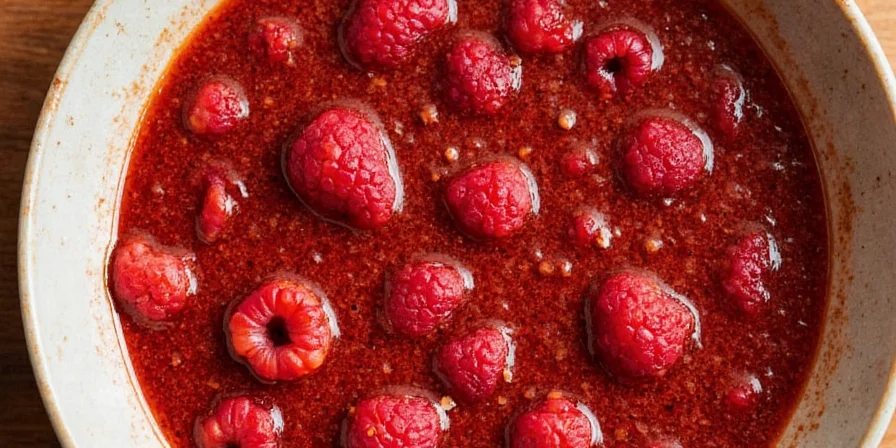
The beauty of raspberry chipotle marinade lies in its perfect balance of contrasting flavors. Let’s break down each component:
| Flavor Component | Description | Role in the Dish |
|---|---|---|
| Sweet (Raspberry) | Fruity, tart berry notes | Offsets spiciness, adds brightness |
| Smoky (Chipotle) | Charred, campfire-like warmth | Adds depth and complexity |
| Spicy (Heat Level) | Mild to moderate heat depending on pepper quantity | Awakens taste buds, enhances other flavors |
| Acidic (Vinegar/Lime) | Sharp tanginess | Helps tenderize proteins, balances sweetness |
Top 7 Creative Uses for Raspberry Chipotle Marinade
You’ve probably slathered it on grilled meats, but why stop there? Here are seven unexpected yet delicious ways to use raspberry chipotle marinade:
1. As a Glaze for Roasted Vegetables
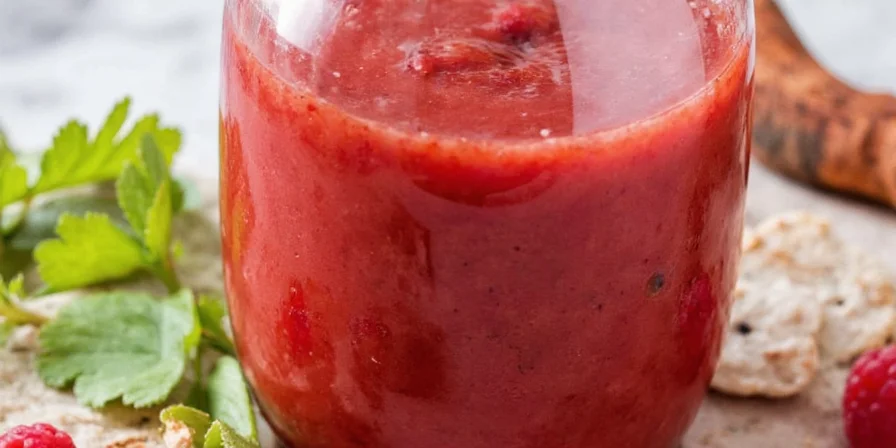
Toss root vegetables like carrots, sweet potatoes, or parsnips in a bit of oil, roast until caramelized, then brush generously with raspberry chipotle marinade during the last few minutes of baking. The result is a sweet-and-spicy glaze that elevates any side dish.
2. Stir-Fry Sauce Upgrade
Add a spoonful to your next stir-fry sauce. It pairs beautifully with soy sauce, ginger, and sesame oil, creating a fusion flavor that's both exotic and familiar. Great over tofu, shrimp, or chicken.
3. Mix Into Hummus or Tzatziki
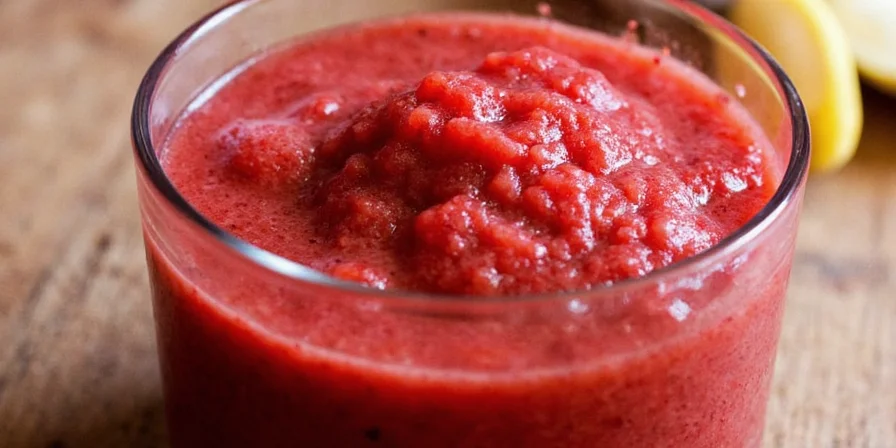
Take your appetizers from basic to brilliant by mixing a tablespoon or two into hummus or tzatziki. The smoky spice adds a surprising kick that guests will love — especially paired with warm pita or veggie sticks.
4. Barbecue Burger Spread
Forget ketchup! Spread a thin layer of raspberry chipotle marinade onto your burger buns before grilling the patty. The contrast between the juicy meat and the tangy-sweet marinade is next-level good.
5. Pizza Drizzle
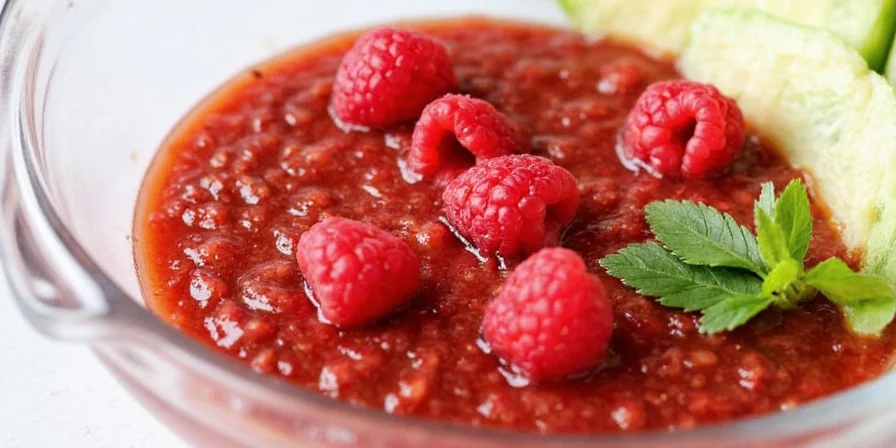
Drizzle it over a white pizza with goat cheese and arugula, or add a splash to a tomato-based pizza sauce. The combination of creamy cheese, peppery greens, and spicy-sweet marinade is gourmet-worthy.
6. Marinade for Seafood
Try brushing salmon or shrimp skewers with raspberry chipotle marinade before grilling. The sweetness helps caramelize the surface while the smoke and spice elevate the natural brininess of the seafood.
7. Breakfast Boost
Yes, really! Use a tiny amount to season breakfast hashes or even mix into scrambled eggs. Just a touch can awaken the palate without overpowering the meal.
Spice Pairing Ideas That Complement Raspberry Chipotle
To take your dishes even further, try pairing raspberry chipotle marinade with complementary spices. Here are some top picks that enhance its unique flavor profile:
| Spice | Why It Works | Recipe Suggestion |
|---|---|---|
| Cumin | Brings out the earthy, smoky qualities | Add to marinades for grilled lamb |
| Paprika (especially smoked) | Enhances the BBQ vibe and adds color | Use in dry rubs for ribs or pulled pork |
| Ginger | Introduces a zesty, fresh element | Pair in Asian-inspired dishes |
| Cinnamon | Surprisingly harmonious with the fruitiness | Use in mole-style sauces |
| Coriander | Adds citrusy notes that balance heat | Grind into taco seasoning |
DIY Recipe: Make Your Own Raspberry Chipotle Marinade at Home
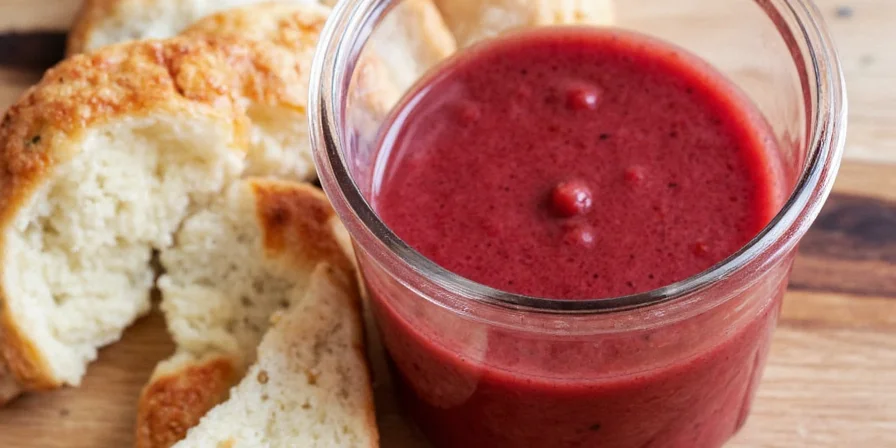
Making your own raspberry chipotle marinade isn’t just easy — it lets you control the heat level, sweetness, and overall flavor intensity. Here’s a simple version to get you started:
Ingredients:
- 1 cup fresh or frozen raspberries
- 2–3 chipotle peppers in adobo sauce (adjust based on desired heat)
- 2 tbsp apple cider vinegar
- 1 tbsp honey or brown sugar
- 1 clove garlic
- 1/2 tsp ground cumin
- Salt to taste
Instructions:
- In a blender or food processor, combine all ingredients.
- Blend until smooth.
- Taste and adjust seasonings as needed.
- Store in an airtight container in the fridge for up to two weeks.
Conclusion
Raspberry chipotle marinade is one of those rare flavor powerhouses that deserves more credit than it usually gets. From roasted veggies to breakfast scrambles, this versatile blend of sweet, smoky, and spicy flavors opens up a whole new world of culinary creativity.
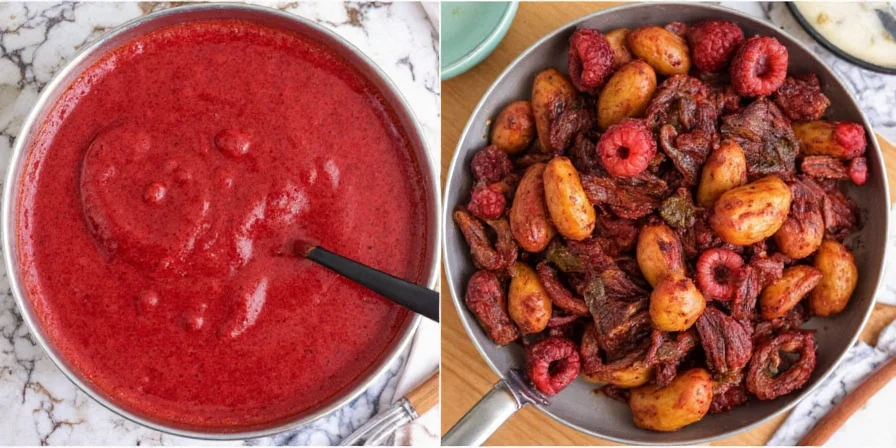
So next time you find yourself reaching for the usual suspects in your pantry, remember: a little raspberry chipotle can go a long way in turning ordinary meals into extraordinary ones. And if you haven't tried making your own yet — what are you waiting for? Get blending!




 浙公网安备
33010002000092号
浙公网安备
33010002000092号 浙B2-20120091-4