
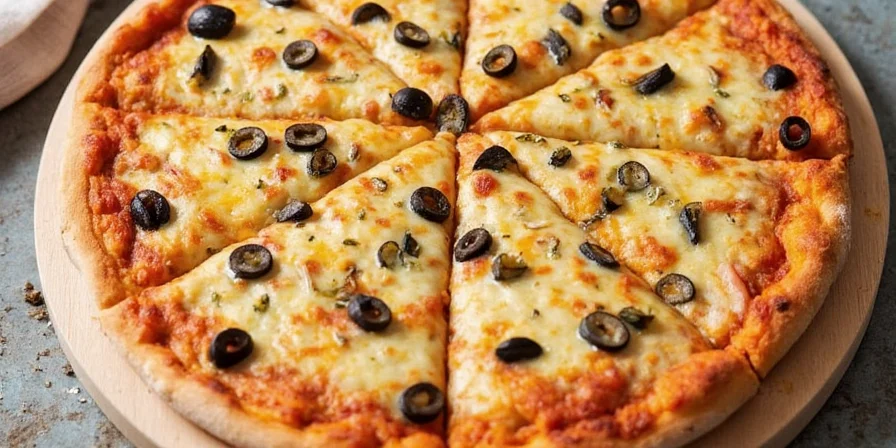
The Curious Case of Olive on Pizza: 7 Unexpected Spice Pairings That Will Blow Your Mind!
Table of Contents
- Introduction
- Why Olives Belong on Pizza
- Top 7 Innovative Spice Pairings with Olive on Pizza
- The Science Behind the Magic
- Pro Tips for Perfectly Balanced Olive Pizzas
- Conclusion
Introduction
If someone told me a decade ago that I’d be writing an entire article about olive-on-pizza pairings, I would’ve handed them a slice of pepperoni and said, "Let’s keep it simple." But here we are. The world has changed. Palates have evolved. And olives? Well, they’re having a moment.
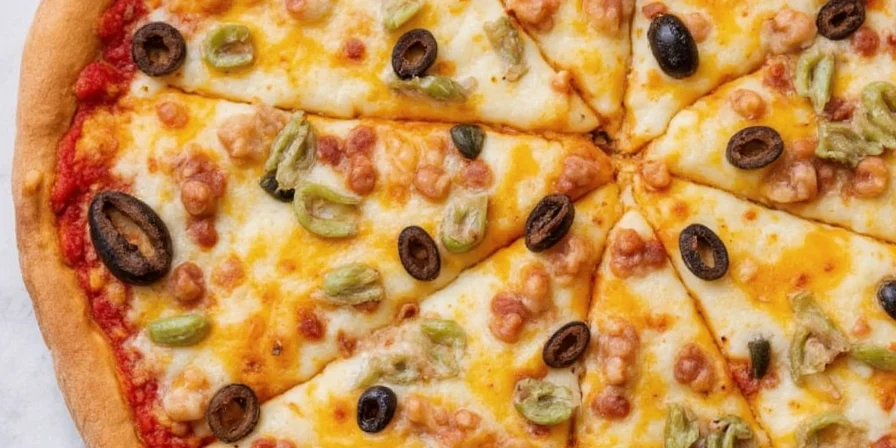
Whether you're a die-hard fan or still skeptical, this post is your go-to guide for turning that salty, briny goodness into a flavor-packed masterpiece — especially when paired with some unexpected spices.
Why Olives Belong on Pizza
Olives bring a rich umami punch to pizza that few other toppings can match. They’re bold, they’re tangy, and let's face it — they add that je ne sais quoi that makes your taste buds sit up and pay attention.
| Flavor Profile | Description |
|---|---|
| Salty | Cleanses the palate between rich bites |
| Bitter | Adds depth and complexity |
| Fruity | Complements sweet or roasted ingredients |
| Briny | Enhances savory notes in cheeses and meats |
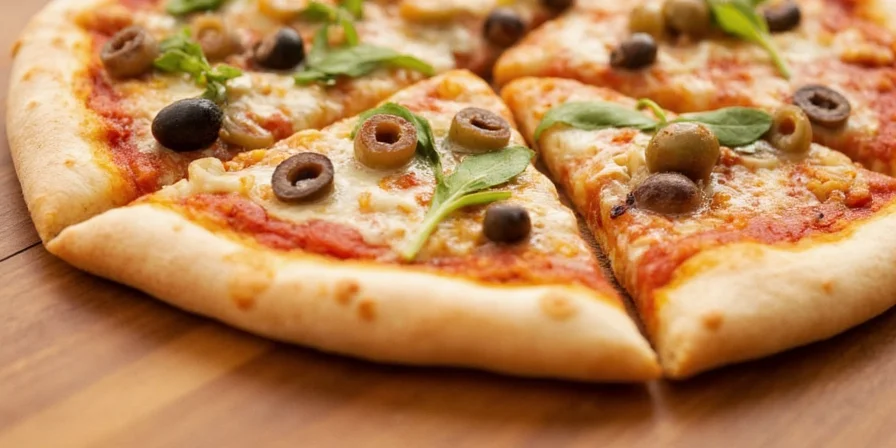
Top 7 Innovative Spice Pairings with Olive on Pizza
You might think olives only play nice with garlic and oregano — but boy, are you missing out! Here’s my list of seven daring spice combinations that elevate olive pizza from “meh” to “mind-blowing.”
- Smoked Paprika + Black Pepper
This duo adds warmth and a subtle smokiness that balances the brininess of olives beautifully.
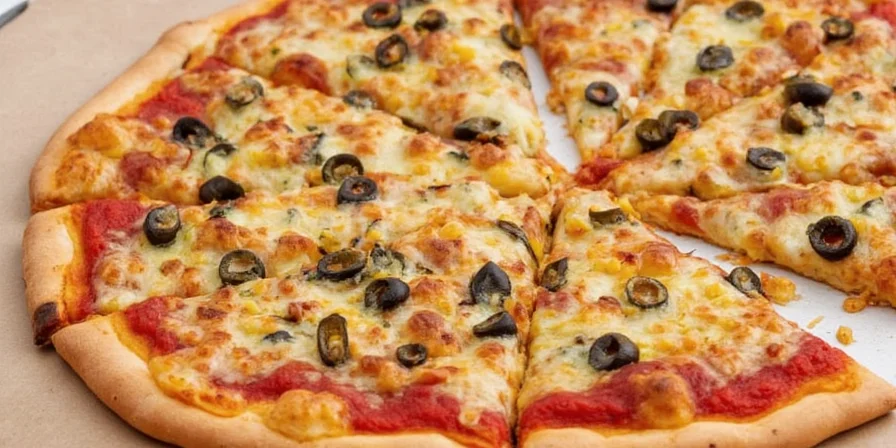
- Sumac + Lemon Zest
For a zesty, bright finish. Sumac’s citrusy edge cuts through the richness like a Mediterranean breeze.
- Chili Flakes + Thyme
Heat meets herbal freshness. Great on white pizzas with goat cheese or ricotta.
- Coriander + Cumin
A nod to Middle Eastern flavors. Adds earthy depth without overpowering the olives.
- Nutmeg + Sage
Unconventional but divine. Nutmeg softens the saltiness while sage gives a woodsy aroma.
- Star Anise + Orange Peel
Lends a licorice-like sweetness that plays surprisingly well with black olives.
- Parmesan Dust + Crushed Fennel Seeds
Brings a crunchy texture and licorice flavor that harmonizes perfectly with olives.
The Science Behind the Magic
So why do these spice combos work so well with olives on pizza? Let’s get nerdy for a second (because science deserves a seat at the pizza table too).
Olives contain high levels of oleuropein and other phenolic compounds that contribute to their bitterness and brininess. When combined with spices containing terpenes (like thyme) or aromatic aldehydes (like cumin), you get flavor layering that activates multiple taste receptors simultaneously — which your brain interprets as “OMG, this tastes amazing.”
Pro Tips for Perfectly Balanced Olive Pizzas
Ready to level up your pizza game? Here are some practical tricks to nail the perfect olive-spice combo every time:
- Use a light hand. A little spice goes a long way. Especially with strong ones like star anise or coriander.
- Toast your spices first. Dry-roasting spices before sprinkling enhances their aroma.
- Pair with creamy cheeses. Mozzarella, burrata, or even brie balance the saltiness beautifully.
- Rinse your olives. Reduces excess salt, letting the spices shine through.
- Add herbs last. Fresh basil or parsley right after baking keeps things lively and fragrant.
Conclusion
Who knew olives could be such flavor chameleons? Whether you’re into spicy, smoky, or just plain weird (looking at you, nutmeg fans), there’s a spice combo out there waiting to make your next olive pizza unforgettable.
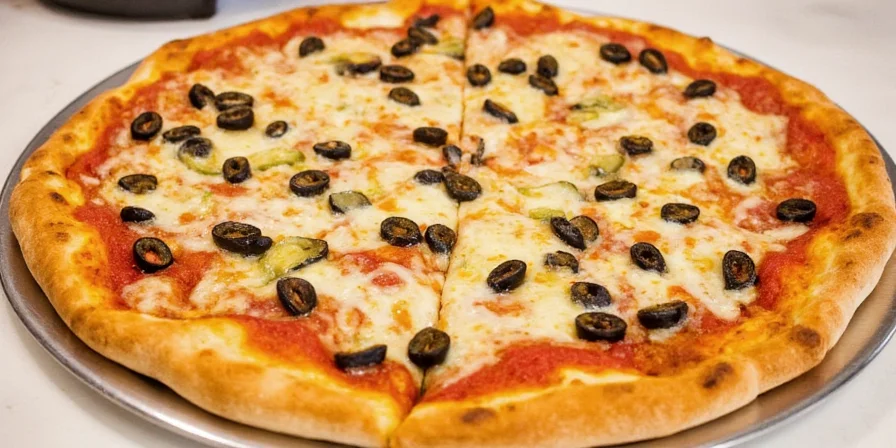
So grab those spices, fire up that oven, and let’s give olives the spotlight they deserve. After all, life’s too short for boring pizza.




 浙公网安备
33010002000092号
浙公网安备
33010002000092号 浙B2-20120091-4