
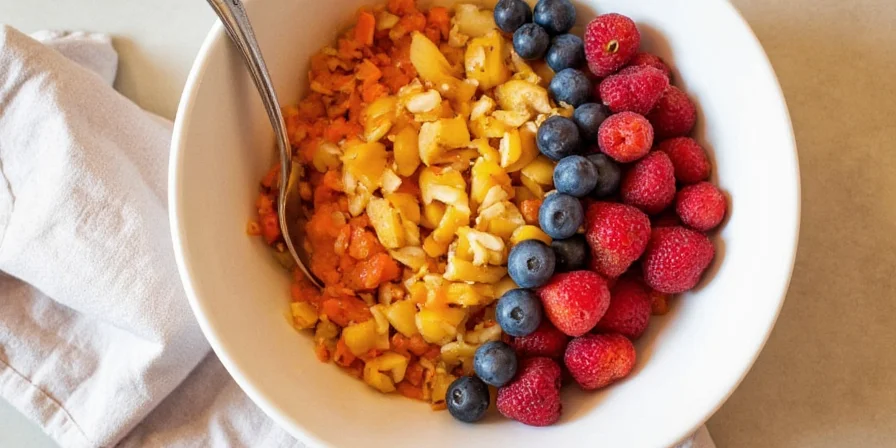
Spice Up Your Fruit Bowl: 7 Unexpected Flavor Combos That Will Blow Your Mind!
You might not think of sprinkling spices on your fruit every day, but it’s time to unlock a new dimension of flavor. Whether you're snacking on mango slices or savoring a chilled bowl of watermelon cubes, adding the right spice can elevate your fruity experience from "meh" to "magic." In this blog, we’re diving into the wild and wonderful world of spices on fruit — with a dash of science, a sprinkle of culinary flair, and a whole lot of taste testing.
Table of Contents
- Introduction
- Why Spice Your Fruit?
- Top 7 Innovative Spice & Fruit Pairings
- The Science Behind the Magic
- Pro Tips for Playing with Spices
- Conclusion
Why Spice Your Fruit? Because Boring Is Out of Season
Fruit is nature’s candy — sweet, juicy, and usually packed with vitamins. But let’s face it, sometimes eating straight fruit can get repetitive. Enter: spices. They’re not just for curries and cookies anymore. Mixing them with fresh produce can awaken your palate in ways you never thought possible.
Think of it like music: fruit is the melody, and spices are the harmonies that bring out the best notes. And guess what? It's also super easy, healthy, and incredibly versatile. Whether you're hosting brunch or prepping snacks for the week, spicing up your fruit can add a gourmet twist without any fuss.
Top 7 Innovative Spice & Fruit Pairings (You Need to Try These!)
| Fruit | Recommended Spice | Flavor Profile | Best For |
|---|---|---|---|
| Mango | Tajín (chili-lime salt) | Sweet, tangy, spicy kick | Cutting fruit platters or summer cocktails |
| Pineapple | Chili powder + lime zest | Jungle vibes with a fiery twist | Grilled pineapple skewers or tacos |
| Watermelon | Sea salt + mint | Fresh, salty-sweet refreshment | Summer BBQs or spa-inspired dishes |
| Apple slices | Cinnamon sugar + nutmeg | Cozy fall flavors | Baked apple chips or cinnamon yogurt dips |
| Peaches | Rosewater + cardamom | Elegant floral sweetness | Fruit salads or dessert toppings |
| Strawberries | Black pepper + balsamic glaze | Earthy, complex, slightly savory | Charcuterie boards or cheese pairings |
| Grapes | Thyme + lemon zest | Herbaceous and refreshing | Fruit charcuterie or wine pairings |
The Science Behind the Magic: Why Spices & Fruits Just Work
Let’s get a little nerdy here. Why do certain spices pair so well with fruits? It all comes down to volatile compounds, aromatic profiles, and our brain’s response to flavor combinations.
Many spices contain essential oils that interact beautifully with the natural sugars and acids in fruits. For example:
- Black pepper contains piperine, which enhances the bioavailability of other compounds, making flavors pop.
- Cardamom shares aromatic terpenes with citrus and tropical fruits, creating a sense of harmony in the mouth.
- Chili peppers activate heat receptors, contrasting and complementing the cool sweetness of fruits like watermelon or mango.
In short, these combos aren’t random — they’re deliciously scientific.
Pro Tips: How to Play With Spices Like a Chef
If you’re new to the game, start small and experiment. Here are some expert-approved tips to help you spice up your fruit routine without going overboard:
- Start light: A pinch goes a long way. You can always add more, but you can’t take it away once it’s mixed in.
- Use complementary textures: Try pairing crunchy fruits like apples with finely ground spices or soft fruits like peaches with flaky sea salt or coarse chili flakes.
- Toast the spice first: Lightly dry-roasting spices like cumin or coriander seeds can deepen their aroma and make them more compatible with fruit.
- Combine with dairy or fat: If a flavor feels too intense on its own, try serving spiced fruit with yogurt, mascarpone, or even coconut cream to mellow things out.
- Don’t forget herbs!: Herbs like mint, thyme, and basil can act as botanical bridges between fruit and spice, enhancing complexity.
Conclusion: Think Outside the Spice Jar
Spicing up your fruit isn’t just a fun kitchen experiment — it’s a flavor revolution waiting to happen. From the smoky-sweet allure of Tajín-dusted mango to the herby sophistication of thyme-infused grapes, there’s a whole universe of taste to explore.
So next time you reach for that bag of apples or a container of strawberries, don’t be afraid to swing by the spice rack first. You might just discover your new favorite snack combo — and maybe even impress your friends with your bold, brilliant flavor choices.
Remember: life’s too short for bland fruit. Go ahead… spice it up!




 浙公网安备
33010002000092号
浙公网安备
33010002000092号 浙B2-20120091-4