
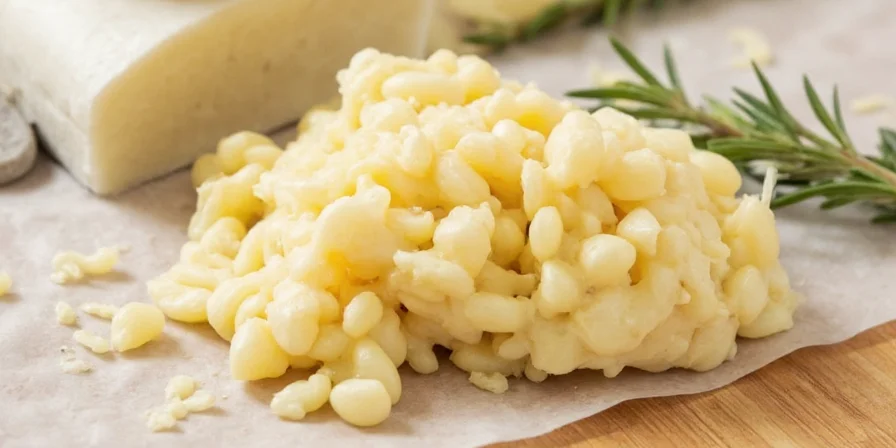
5 Cheeses That Make Rosemary Taste Like Magic (Yes, Cheese + Herb Works!)
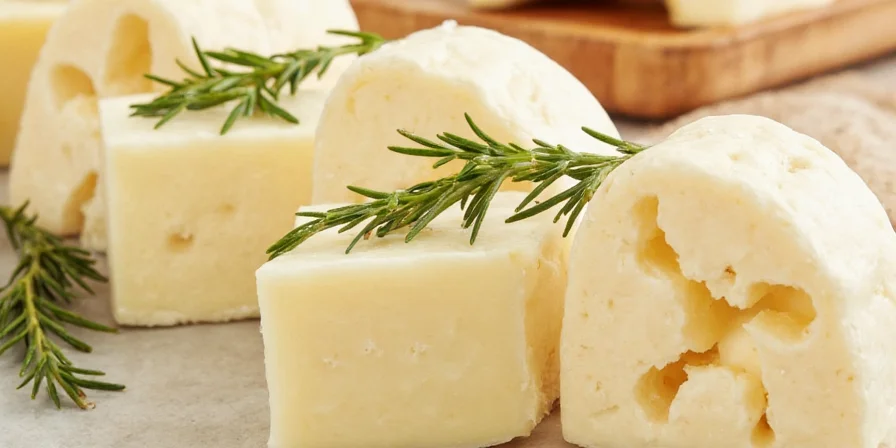
Rosemary might be better known for seasoning roasted potatoes or being the star of herbal bouquets, but did you know it pairs surprisingly well with certain cheeses? If you've ever wondered 'What cheese goes well with rosemary?', we’ve got the ultimate guide to turn your next cheese board into a fragrant masterpiece.
This isn't just another food pairing article. It's a love letter between earthy herbs and creamy indulgence. Let’s explore which cheeses can hold their own against rosemary's bold aroma — and even enhance it!
Table of Contents
- Introduction
- Why Does Rosemary Pair Well with Cheese?
- Top 5 Cheeses That Go with Rosemary
- Pro Tips for Pairing Rosemary & Cheese
- Recipes You’ll Want to Try Tonight
- Conclusion
Why Does Rosemary Pair Well with Cheese?
Before we dive into the list, let’s break down why this unlikely couple works so well together:
- Aroma Balance: Rosemary is intensely aromatic, almost pine-like. When paired with the right cheese, it creates a beautiful contrast in scent and flavor.
- Fat vs. Herbs: The fatty richness of many cheeses helps mellow out rosemary’s sharpness, allowing its herbal complexity to shine through without overwhelming the palate.
- Texture Play: Some cheeses are crumbly, others gooey — each interacts uniquely with rosemary's slightly crunchy leaves and robust oils.

Top 5 Cheeses That Go with Rosemary
| Cheese Type | Flavor Profile | How Rosemary Enhances It | Best Use Case |
|---|---|---|---|
| Feta | Salty, tangy, crumbly | Adds brightness and balances saltiness | Greek salads, cheese boards, stuffed olives |
| Goat Cheese | Earthy, tart, creamy | Boosts the herby notes naturally present | Spread on crackers, honey drizzle, baked logs |
| Parmesan | Nutty, salty, umami-rich | Complements aged flavors; adds fresh note | Grated over roasted veggies, pasta, breadsticks |
| Brie | Buttery, mild, creamy | Contrasts richness with aromatic lift | Baked brie en croûte, cheese platters |
| Aged Cheddar | Sharp, savory, firm | Enhances depth and smokiness | Appetizer bites, fondue, charcuterie |
1. Feta – The Salty Rebel Meets Green Fire
Feta loves rosemary like summer loves lemonade — they balance each other perfectly. The saltiness of feta gets a refreshing twist when sprinkled with finely chopped rosemary.
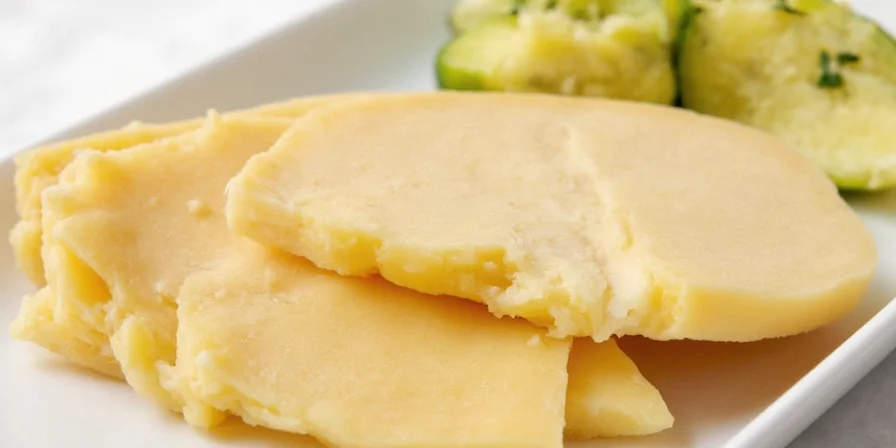
2. Goat Cheese – Earth Meets Earth (with a Dash of Spice)
If you’ve ever had goat cheese that tastes like walking through a forest after rain, add some rosemary and you’re practically hiking in Provence.
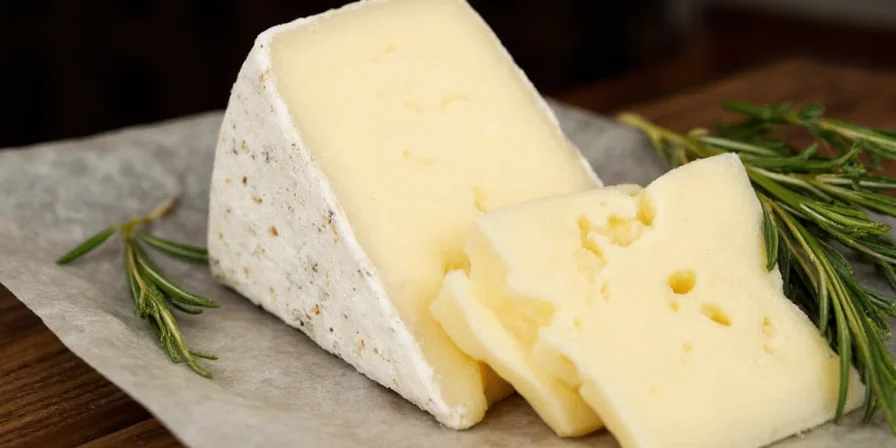
3. Parmesan – Aged Wisdom Needs a Fresh Wake-Up Call
Grate parmesan over something simple like garlic toast and toss with rosemary — you just made restaurant-level street food.
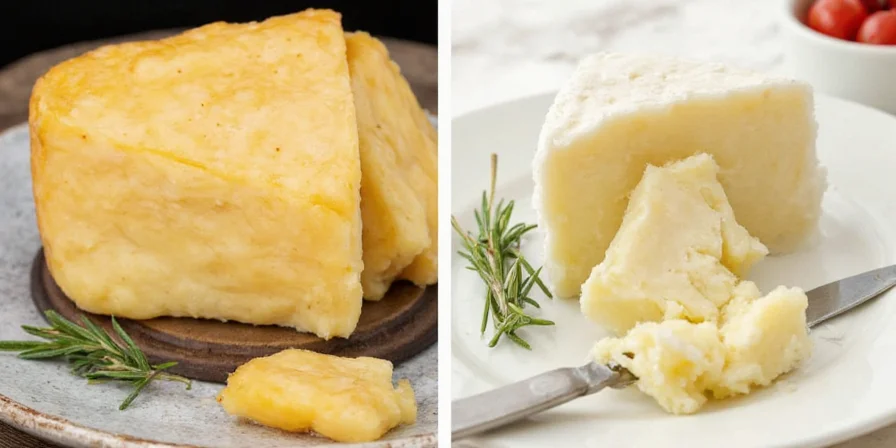
4. Brie – Silky Romance with a Woody Accent
Soft-ripened brie becomes something magical when brushed with olive oil and lightly toasted with rosemary on top. Serve warm for an instant crowd-pleaser.
5. Aged Cheddar – Bold Meets Bolder
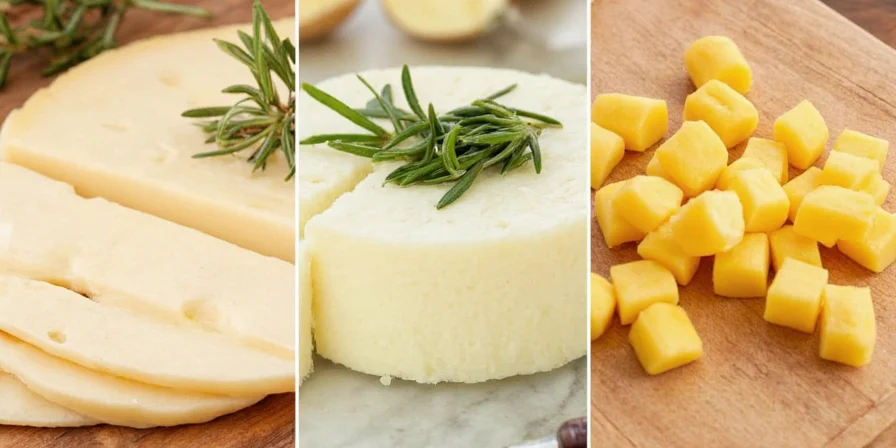
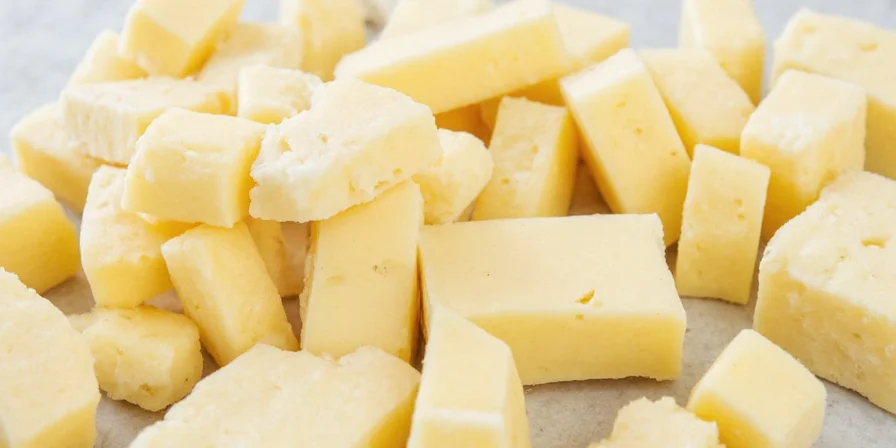
Rosemary brings out the nutty undertones in cheddar and gives a nice herbal layer to the bite. Think about rosemary-infused cheddar biscuits or homemade crackers.
Pro Tips for Pairing Rosemary & Cheese
- Use Fresh Rosemary: Dried doesn’t have the same punch. Always opt for fresh sprigs if possible.
- Toast First (Optional): Lightly toasting cheese before adding rosemary enhances flavor absorption.
- Oil Infusion Trick: Infuse olive oil with rosemary and drizzle over soft cheeses for extra oomph.
- Balance Salt: If using salty cheeses like feta, go easy on added salt in the dish.
- Pair with Bread or Fruit: Served with figs, apples, or crusty bread makes the experience more rounded.
Simple Recipes You’ll Want to Try Tonight
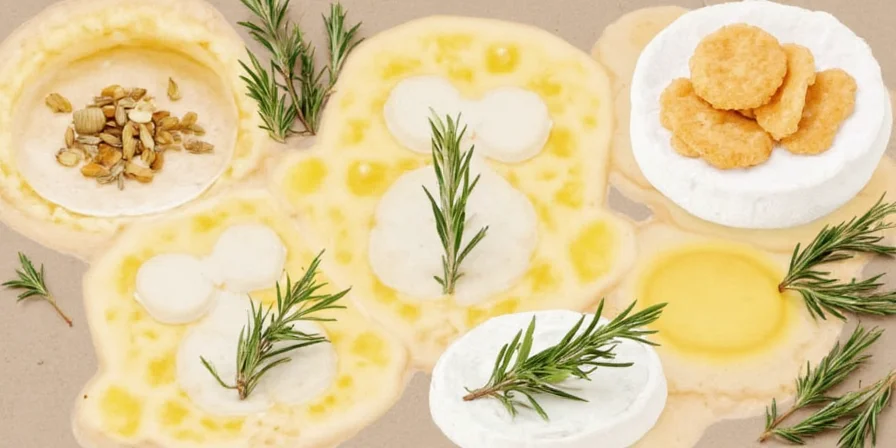
1. Rosemary-Honey Baked Brie
- Preheat oven to 350°F (175°C).
- Place a wheel of brie on a baking sheet lined with parchment.
- Drizzle with honey, scatter rosemary sprigs around, and bake until edges are golden (~10–12 mins).
- Serve with sliced baguette or apple wedges.
2. Rosemary & Parmesan Crackers
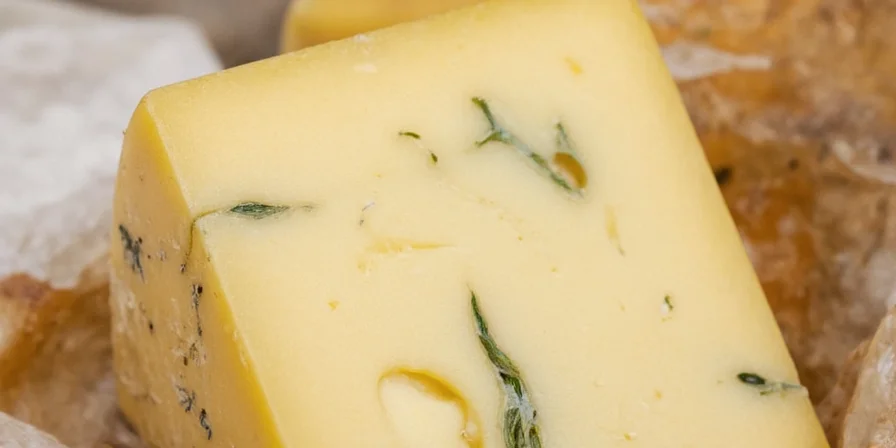
- Mix flour, butter, grated parmesan, a pinch of salt, and finely chopped rosemary.
- Roll into dough, chill, slice thinly, and bake at 375°F (190°C) for 10–12 minutes.
- Store in airtight container for up to a week.
3. Mediterranean-Inspired Feta & Rosemary Skewers
- Alternate cubes of feta and cherry tomatoes on skewers.
- Brush lightly with olive oil infused with crushed rosemary.
- Grill or broil briefly until cheese starts to soften and brown slightly.
- Finish with a sprinkle of black pepper and chili flakes.
Conclusion: Rosemary Isn’t Just for Roasts Anymore
The question “What cheese goes well with rosemary?” has more than one answer — in fact, it opens the door to a world of creative pairing possibilities. From salty feta to silky brie, rosemary elevates cheese by introducing a natural, woodsy flair that complements everything from sweet fruits to rich meats.
Whether you're prepping for a dinner party or just spicing up your snack drawer, don’t sleep on this herb-cheese combo. Next time you reach for the cheeseboard, remember: a little green magic can make all the difference.
Got Rosemary? Get Cheesy!
Try these pairings at home and share your creations on social media. Tag us or drop a comment below — we’d love to see how you spice up your cheese game.




 浙公网安备
33010002000092号
浙公网安备
33010002000092号 浙B2-20120091-4