
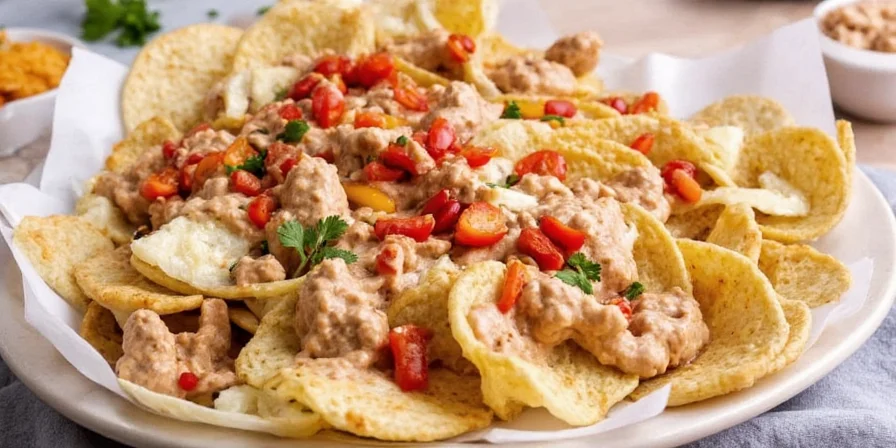
Is Chipotle Mayo Spicy? Let’s Get Saucy!
You've seen it on burger menus, slathered on fries, and drizzled over tacos. But the question remains: is chipotle mayo spicy? Well, grab your taste buds and a napkin — we're about to dive into everything you need to know about this smoky, creamy sensation.
Table of Contents
- What Exactly Is Chipotle Mayo?
- How Spicy Is It Really?
- Top 5 Innovative Pairings for Chipotle Mayo
- Pro Tips for Using Chipotle Mayo Like a Pro
- Can You Make It at Home?
- Final Thoughts
What Exactly Is Chipotle Mayo?

Chipotle mayo (or chipotle aioli if you're feeling fancy) is simply mayonnaise mixed with chipotle in adobo sauce. That deep red, slightly gritty paste is made from smoked and dried jalapeños that have been rehydrated and canned in a tangy tomato-based sauce.
The result? A rich, creamy condiment with a bold kick and a hint of smokiness that elevates just about anything you put it on. You can buy it pre-made at most grocery stores or make your own in under 5 minutes — we’ll get to that later!
How Spicy Is Chipotle Mayo, Really?
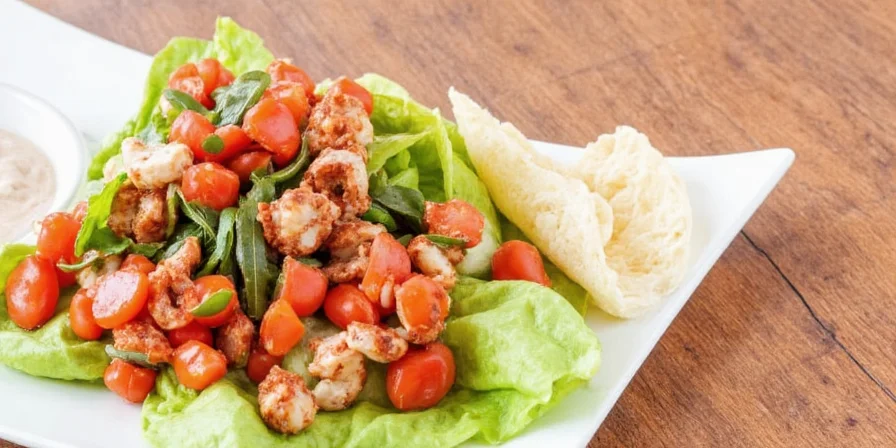
Now let's tackle the big question: is chipotle mayo spicy? The short answer: yes, but not fire-alarm-level spicy.
Heat Breakdown:
- Scoville Scale: Jalapeños (which chipotles come from) range from 2,500–8,000 SHU (Scoville Heat Units).
- Actual Experience: In chipotle mayo, the heat is mellowed by the richness of the mayonnaise. Think more “campfire s’more” than “hot lava apocalypse.”
- Flavor Profile: Smoky, earthy, slightly sweet, and just the right amount of kicky.
Spice Comparison Table
| Condiment | Heat Level (1–10) | Flavor Notes |
|---|---|---|
| Chipotle Mayo | 4–6 | Smoky, creamy, mild to medium heat |
| Sriracha Mayo | 7–9 | Garlicky, tangy, punchier heat |
| Ghost Pepper Mayo | 10+ | Brutal heat, minimal flavor |
| Habanero Lime Aioli | 8–9 | Fruity, citrusy, face-sweating |
Top 5 Innovative Pairings for Chipotle Mayo

If you’re tired of the same old dipping sauce routine, here are five game-changing ways to use chipotle mayo. These aren't your grandma's potato salad recipes — unless your grandma is a culinary rebel.
- Burger Boost: Swap regular mayo with chipotle mayo on your next smashburger. Instant gourmet upgrade.
- Fries Forever: Dip or drizzle it on French fries, sweet potato fries, onion rings — you name it.
- Taco Twist: Add a dollop to street tacos, especially fish or chicken varieties. Your local taqueria will be jealous.
- Salad Surprise: Mix into coleslaw or use as a dressing for southwest-style salads.
- Wrap it Up: Spread on wraps or sandwiches for a smoky zing. Try it with grilled veggies or turkey bacon avocado wraps.
Pro Tips for Using Chipotle Mayo Like a Pro
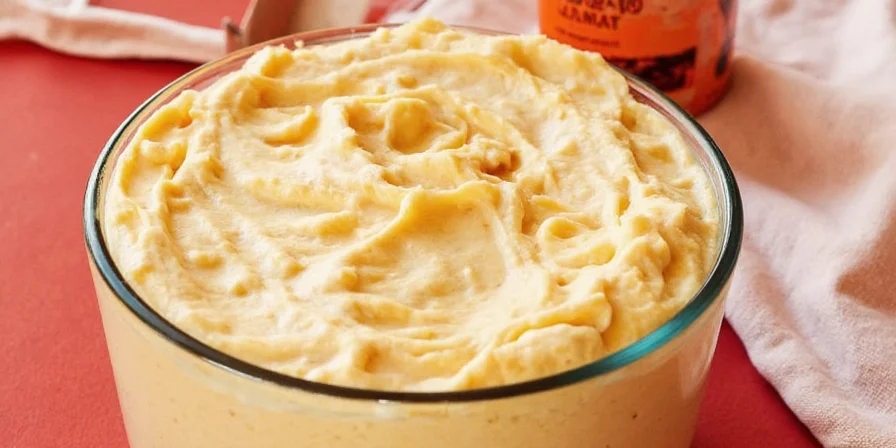
Using chipotle mayo might seem straightforward, but like any spice, there’s an art to making it shine. Here are some expert-approved tips to take your condiment game to the next level:
- Dilute for Drizzle: Add a splash of lime juice or water to thin it out for easy drizzling.
- Mix It Up: Combine with honey for a sweet-spicy glaze or add garlic powder for extra depth.
- Layer Smart: Use it as a base layer in wraps or burgers to prevent sogginess while boosting flavor.
- Storage Savvy: Keep homemade chipotle mayo in an airtight container in the fridge for up to one week.
- Don’t Overdo It: Start small! You can always add more, but you can’t subtract once it’s mixed in.
Can You Make Chipotle Mayo at Home?
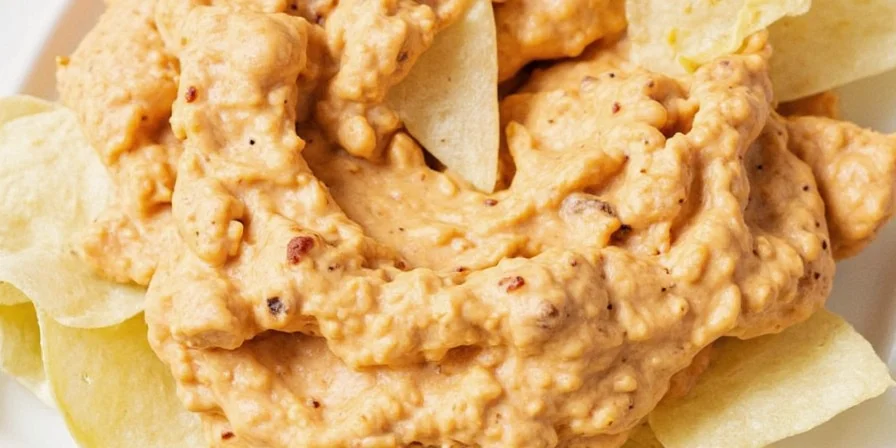
Absolutely — and it’s stupid simple. All you need is two ingredients (okay, three if you want to get fancy). Here’s how to make a batch in less time than it takes to binge-watch a TikTok cooking video.
Easy Homemade Chipotle Mayo Recipe
- 1 cup mayonnaise (preferably full-fat for best texture)
- 1–2 tablespoons chipotle in adobo sauce (adjust to taste)
- 1 teaspoon lime juice (optional for brightness)
- Put all ingredients in a bowl.
- Stir until smooth (or blend for ultra-smooth results).
- Taste, adjust seasoning, and chill before serving.
Pro tip: Freeze extra chipotle peppers in adobo sauce in ice cube trays for future batches. No waste, maximum flavor!
Final Thoughts: Is Chipotle Mayo Spicy?
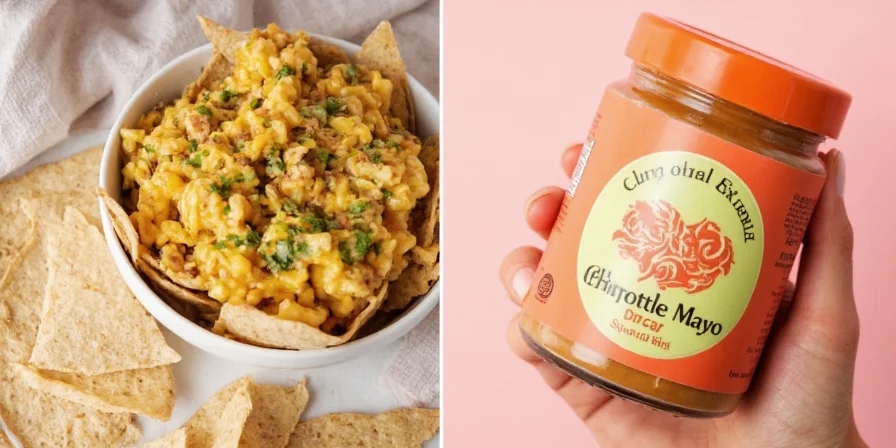
To wrap it all up: Yes, chipotle mayo has a noticeable kick, but it’s balanced beautifully by its creamy texture and rich smokiness. Whether you're a seasoned spice lover or a cautious newcomer, it’s a must-try condiment that adds depth and flair to everyday meals.
So go ahead, embrace the smoke. Your taste buds will thank you.
In Summary:
- Chipotle mayo is mildly to moderately spicy.
- It brings smoky, earthy, and slightly sweet flavors.
- Perfect for burgers, fries, tacos, and creative dips.
- Dead simple to make at home.
- Less scary than your ex’s mom — and way tastier.




 浙公网安备
33010002000092号
浙公网安备
33010002000092号 浙B2-20120091-4