
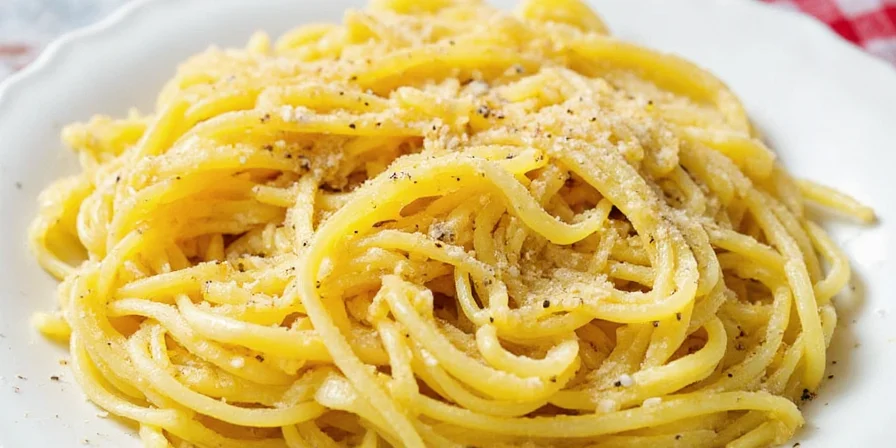
Spaghetti Squash Seasoning Showdown: The Unexpected Spice Pairings That’ll Make Your Taste Buds Dance
Welcome, spice lovers and curious foodies! If you’ve ever looked at a plate of spaghetti squash and thought, “It’s healthy… but where’s the flavor?” — then this blog is for you. We’re diving deep into the world of seasoning spaghetti squash, not with the usual suspects like salt and pepper, but with bold, innovative spice pairings that will make your kitchen smell like a gourmet restaurant and your taste buds feel like they’ve hit the jackpot.
Why Spaghetti Squash Deserves More Than a Sprinkle
Let’s be real — spaghetti squash has a bit of an image problem. It’s often seen as the bland alternative to actual pasta or the sad veggie substitute in the corner of your plate. But here’s the truth: it’s a blank canvas waiting for a flavor explosion!
- Mild base flavor = perfect for absorbing spices.
- Noodle-like texture = ideal for mimicking pasta dishes without gluten or carbs.
- Low calorie + high fiber = guilt-free deliciousness when seasoned right.
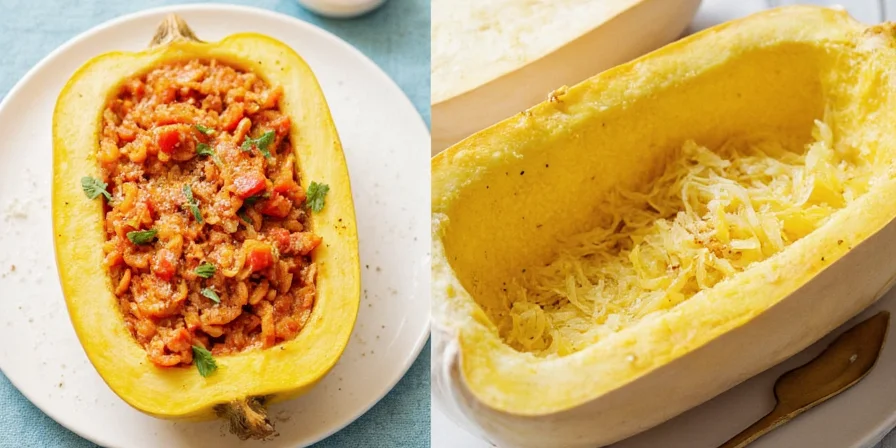
Table: Common vs. Creative Seasoning Approaches
| Traditional Seasonings | Creative Spice Pairings |
|---|---|
| Salt & Pepper | Smoked Paprika + Lime Zest |
| Olive Oil + Parmesan | Curry Powder + Toasted Coconut Flakes |
| Garlic Powder | Cumin + Chili Flakes + Cilantro |
| Parmesan Cheese | Truffle Salt + Nutritional Yeast |
| Dried Herbs (Oregano, Basil) | Lemon Thyme + Sumac + Olive Oil Drizzle |
How to Season Spaghetti Squash Like a Flavor Ninja
Whether you roast, boil, or microwave your spaghetti squash, the secret lies in how and when you apply your seasonings. Let’s break it down step-by-step so you never have a bland bite again.
Step 1: Prep Your Squash Right
- Choose firm squash with a uniform color.
- Cut it in half lengthwise and scoop out the seeds.
- Brush with oil or butter before roasting — this helps absorb flavors later.
Step 2: Layer Those Flavors
This is where most people miss the boat. Don’t just sprinkle seasoning after cooking — layer them throughout the process:
- Before Roasting: Add garlic powder, salt, pepper, or even a touch of cinnamon for a sweet twist.
- While Cooking: Use aromatic oils infused with herbs or spices during roasting.
- After Roasting: Toss with fresh herbs, citrus zest, toasted seeds, or spicy powders.
Step 3: Go Beyond the Usual Suspects
Time to unleash your inner spice alchemist. Here are five unique spice pairings that will turn your spaghetti squash from snooze-worthy to sensational:
The Top 5 Innovative Spice Pairings for Spaghetti Squash
1. Smoked Paprika + Lime Zest + Fresh Cilantro
A Latin-inspired combo that brings smokiness and brightness together. Perfect for taco nights or when you want a zesty kick.
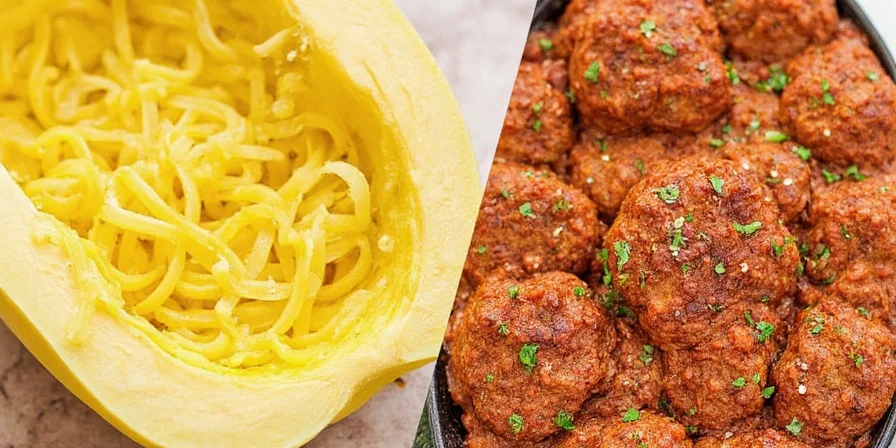
2. Curry Powder + Toasted Coconut Flakes + Thai Basil
Channel the flavors of Southeast Asia. This dish is creamy, aromatic, and totally addictive.
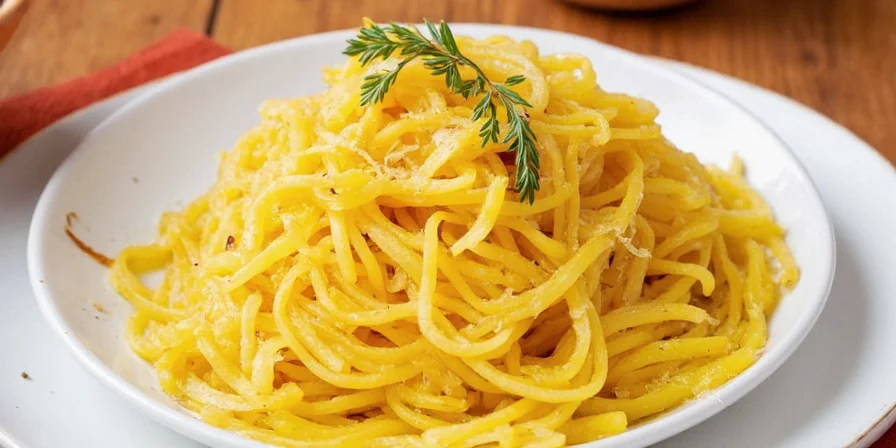
3. Cumin + Chili Flakes + Feta Crumbles + Chopped Parsley
Think Middle Eastern street food meets Mediterranean diet. A little heat, a little tang, all flavor.
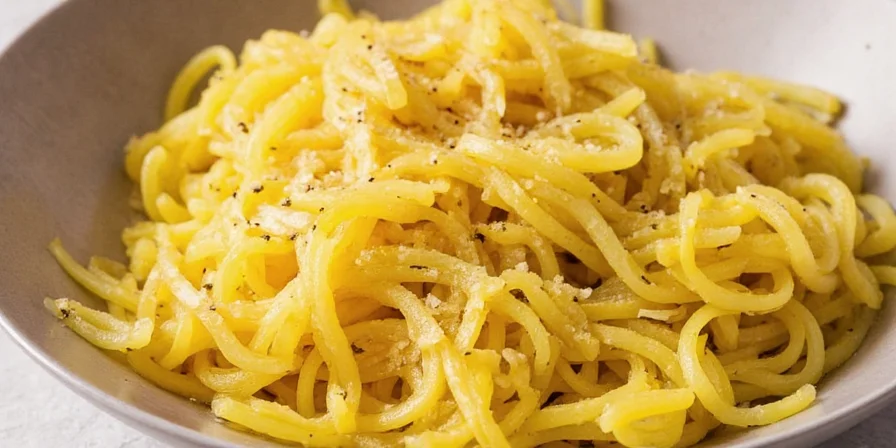
4. Truffle Salt + Nutritional Yeast + Fresh Sage
For those who like their veggies fancy. This combination screams upscale comfort food.
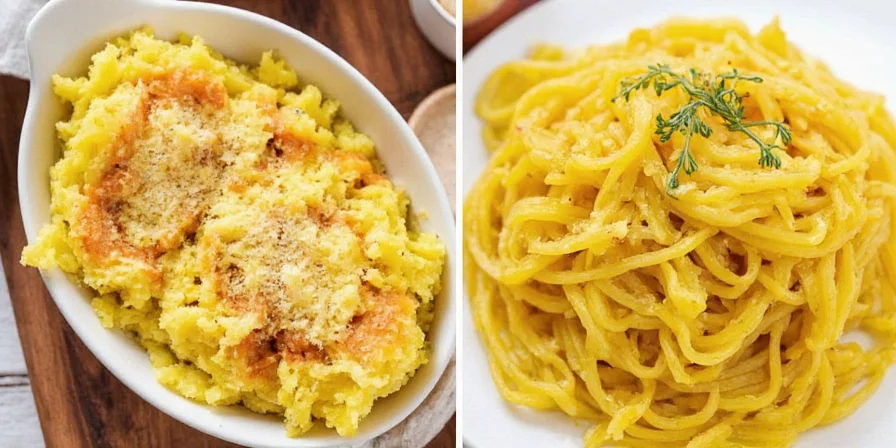
5. Lemon Thyme + Sumac + Extra Virgin Olive Oil Drizzle
Fresh, floral, and slightly tangy — this one's great for lighter dinners or brunches.
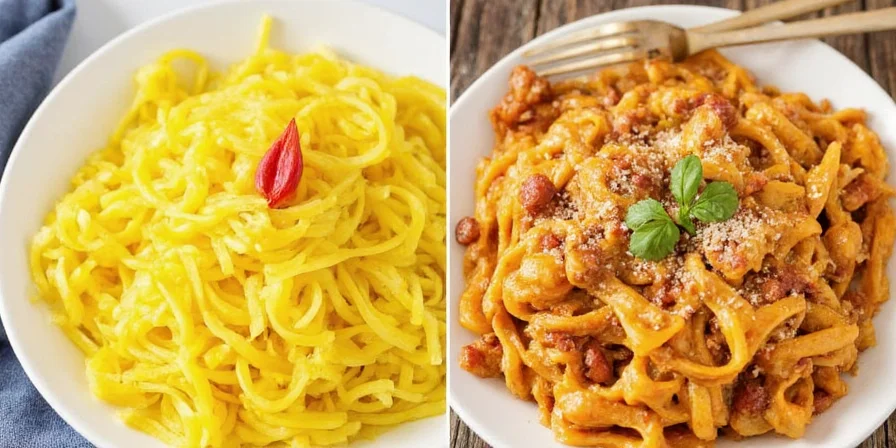
Pro Tips: Boost Flavor Without Overdoing It
- Toasted Seeds: Pumpkin or sunflower seeds add crunch and nuttiness.
- Acidity Matters: A splash of lemon juice or apple cider vinegar can brighten up any dish.
- Layer Heat: From smoked paprika to gochujang paste, use different types of heat for complexity.
- Play With Contrasts: Try pairing something spicy with something cool (like Greek yogurt or avocado).
- Don’t Be Afraid to Mix Sweet & Savory: A hint of maple syrup or honey can bring depth to savory spices.
Bonus: Spice Combinations by Cuisine
| Cuisine Style | Recommended Spice Blend | Flavor Notes |
|---|---|---|
| Mediterranean | Oregano, Garlic, Red Pepper Flakes, Olive Oil | Earthy, peppery, fragrant |
| Mexican | Chili Powder, Cumin, Lime Zest, Cilantro | Spicy, citrusy, bold |
| Indian | Garam Masala, Turmeric, Curry Leaves | Warming, complex, aromatic |
| Asian | Sesame Oil, Ginger, Soy Sauce, Five-Spice Powder | Umami-rich, nutty, earthy |
| Middle Eastern | Za’atar, Sumac, Lemon, Cumin | Tangy, herbal, vibrant |
FAQs: All Your Spaghetti Squash Seasoning Questions Answered
Q: Can I use fresh herbs instead of dried?
Absolutely! In fact, fresh herbs like cilantro, basil, or parsley should be added at the end for maximum flavor impact. Dried herbs are better used earlier in the cooking process to infuse the squash deeply.
Q: What if I don’t like spicy food?
No problem! Just swap chili flakes or hot paprika with mild spices like sweet paprika, turmeric, or fennel seeds. You can still get incredible flavor without the heat.
Q: Can I meal prep spaghetti squash with spices?
Yes, you can! Cook and season your squash in advance and store it in the fridge for up to 4 days. Reheat gently and adjust seasonings before serving.
Q: How do I know which spices work well together?
Think about common flavor profiles in global cuisines and build from there. For example, Indian dishes often combine cumin, coriander, and turmeric — these three together instantly create a rich foundation.
Final Thoughts: Spice Up Your Life (and Your Squash)
So next time you pull a roasted spaghetti squash from the oven, remember: this humble veggie is just begging to be transformed into a flavor-packed masterpiece. By choosing the right spice pairings, you can elevate your meals without adding extra calories or processed ingredients.
From smoky Latin blends to exotic Asian twists, the options are endless — and we’ve only scratched the surface. So grab your spice rack, get creative, and let your taste buds thank you later.
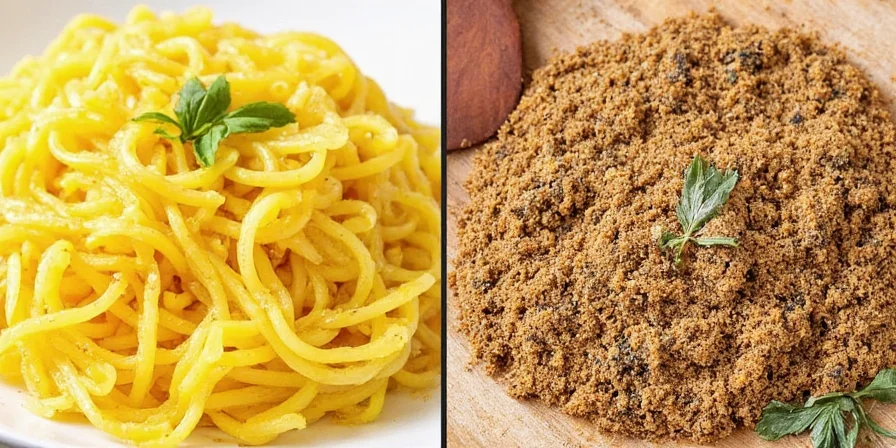
Summary Table: Quick Reference Guide
| Spice Combo | Best For | Flavor Profile |
|---|---|---|
| Smoked Paprika + Lime Zest + Cilantro | Taco Tuesday, summer grilling | Smoky, zesty, herbaceous |
| Curry + Coconut + Thai Basil | Comfort food nights, rainy days | Warm, aromatic, tropical |
| Cumin + Chili Flakes + Feta | Middle Eastern fusion, BBQ side | Earthy, spicy, salty |
| Truffle Salt + Nutritional Yeast + Sage | Brunch, dinner parties | Rich, cheesy, luxurious |
| Lemon Thyme + Sumac + Olive Oil | Light meals, springtime | Fresh, floral, tangy |
Conclusion
In the world of vegetables, spaghetti squash often gets overlooked as “just another low-carb option.” But with the right spices, it can be the star of your plate — or even the main event. Whether you're feeding a family, meal prepping for the week, or just looking for a new way to enjoy a familiar veggie, these innovative spice pairings offer a whole new level of culinary excitement.
So don't be afraid to experiment, play with contrasting flavors, and think outside the spice rack. Because when it comes to seasoning spaghetti squash, the possibilities are truly endless — and deliciously rewarding.




 浙公网安备
33010002000092号
浙公网安备
33010002000092号 浙B2-20120091-4