
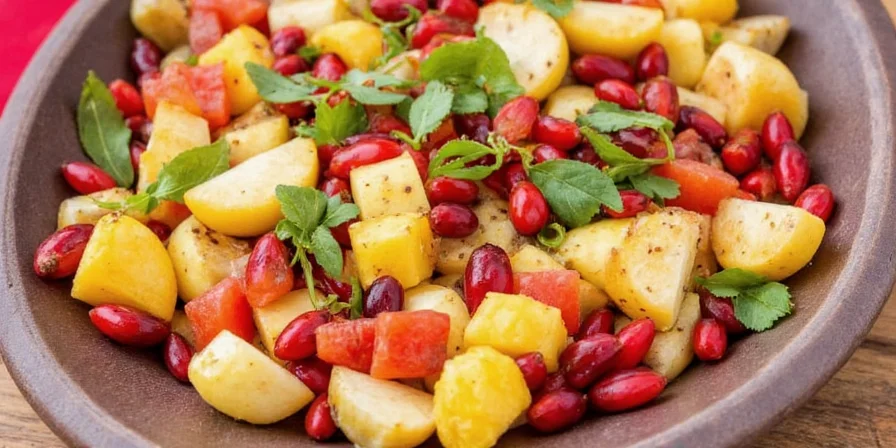
Fruit, Spice, and Everything Nice: 7 Mexican-Inspired Flavor Combos That Will Blow Your Mind!
Calling all food lovers! If you think fruit and spices can’t play nice together in a Mexican dish, think again. From tangy mango to fiery chili, the world of Innovative Spice Pairings is bursting with bold, beautiful surprises.
In this article, we’ll dive into the deliciously unexpected world of fruit-spice-mexican flavor combos that will elevate your culinary game — whether you're hosting a dinner party or just spicing up taco night at home.
Table of Contents
- Intro
- Why Fruit and Spice Work Together
- Top 7 Innovative Fruit-Spice-Mexican Pairings
- Pro Tips for Mastering These Combinations
- Visual Guide: Spice & Fruit Pairing Chart
- Conclusion
Why Fruit and Spice Work Together in Mexican Cuisine
Mexican cuisine has always been about balance — sweet vs. spicy, fresh vs. smoky, bright vs. earthy. Adding fruits into the mix introduces a natural sweetness and acidity that enhances complex spice profiles.
Fruits like mango, pineapple, and even apples are commonly used across Mexico to temper heat from chilies like chipotle, guajillo, and habanero. The result? A symphony of flavors that’s both exciting and satisfying.
Top 7 Innovative Fruit-Spice-Mexican Pairings
-
Mango + Chili Powder + Lime
This combo screams summer. Ripe mango adds sweetness and juiciness, while chili powder (like Tajín) brings the heat. A splash of lime juice ties it all together with a zesty punch.
-
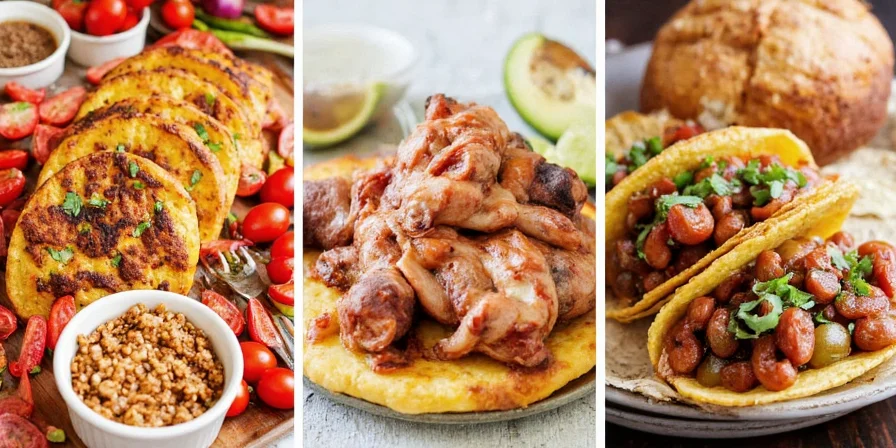
Pineapple + Jalapeño + Cilantro
Sweet meets spicy meets herbal freshness. This trio is perfect for salsas, tacos, or grilled skewers. Pineapple’s enzymes also help tenderize meats when used as a marinade.
-
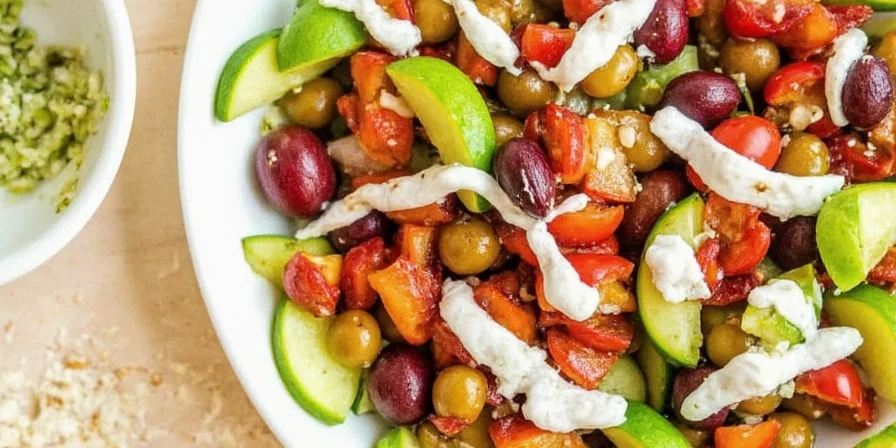
Guava + Ancho Chile + Orange Zest
Deep, jammy guava pairs beautifully with ancho chiles’ mild, smoky sweetness. Add orange zest for brightness and a touch of floral complexity.
-
Apple + Cinnamon + Piloncillo Sugar
A classic fall flavor combo made Mexican-style. Stewed apples with cinnamon and unrefined piloncillo sugar create a rich, caramel-like filling for pastries or desserts.
-
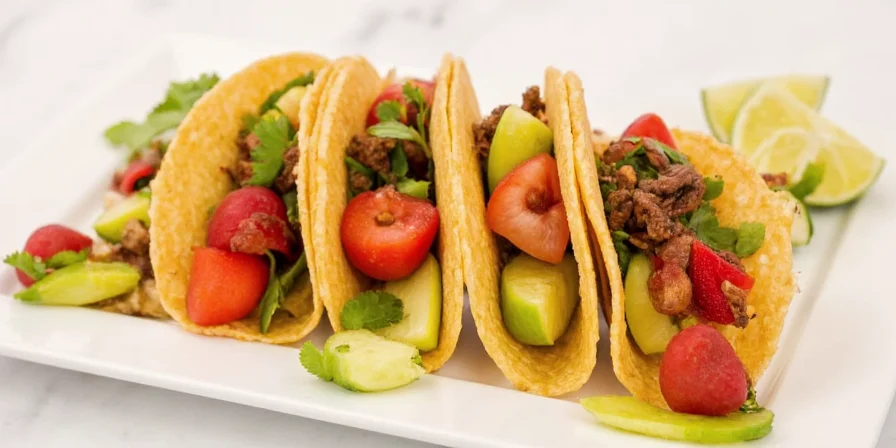
Strawberry + Hibiscus + Lime
Surprisingly sophisticated. The tartness of hibiscus balances strawberries’ natural sweetness, while lime juice sharpens the whole experience. Great in agua fresca or cocktails.
-
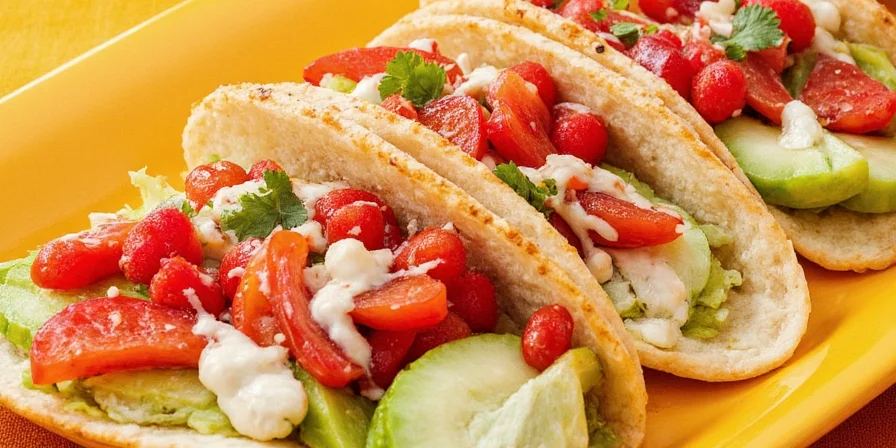
Cantaloupe + Chamoy + Chile Flakes
A modern street snack sensation. The juicy melon soaks up the umami-rich chamoy sauce and gets a kick from dried chile flakes. Sweet, salty, sour, spicy — all in one bite!
-
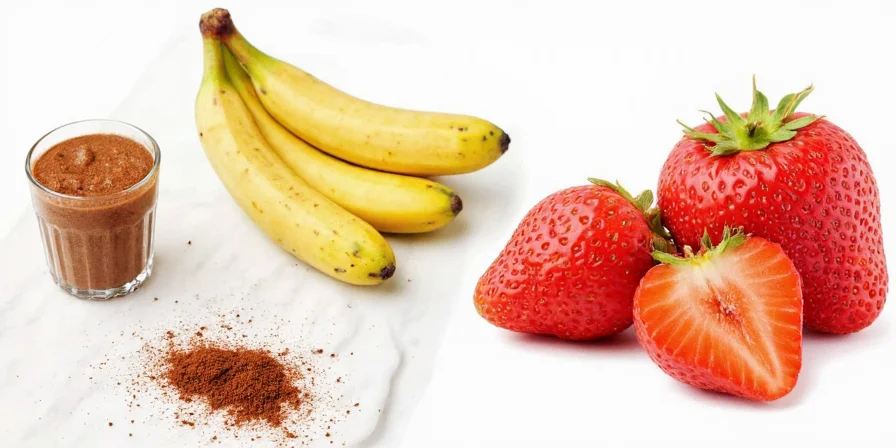
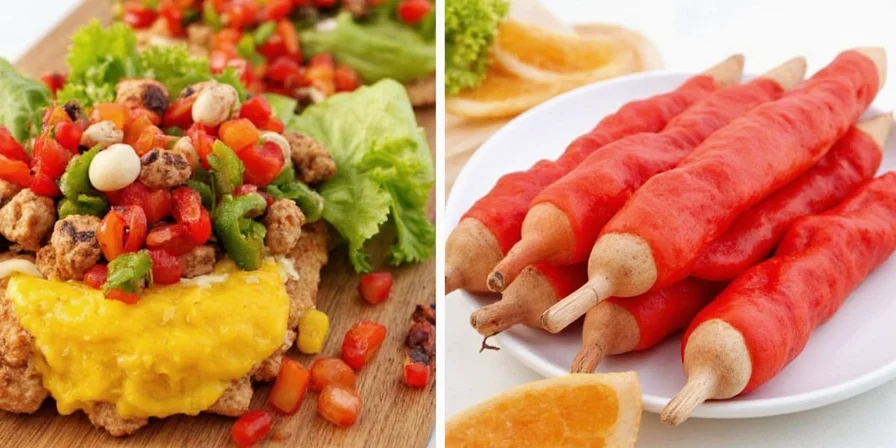
Banana + Vanilla + Cacao Nibs
A twist on the traditional Oaxacan chocolate dessert. Mashed banana mixed with vanilla and crushed cacao nibs makes a creamy, decadent topping for tostadas or empanadas.
Pro Tips for Mastering These Combinations
Want to nail these pairings every time? Here are some practical tips:
- Balance intensity: Match strong-flavored fruits (like guava or mango) with equally bold spices (chipotle, cayenne).
- Layer textures: Use fruits raw, roasted, or pureed to change mouthfeel and impact.
- Consider temperature: Warm dishes benefit from a touch of acidic fruit (like lime), while cold dishes can handle sweeter ones (pineapple).
- Don’t skip salt: Salt enhances both sweetness and spice. Use it wisely to round out the flavor profile.
- Taste as you go: Start with small amounts of spice and adjust gradually. You can always add more, but you can't take it away!
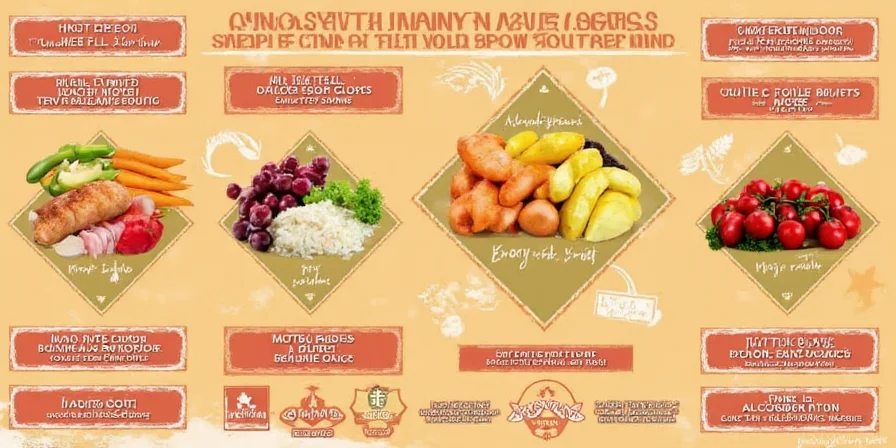
Visual Guide: Spice & Fruit Pairing Chart
| Fruit | Best Spices | Dish Type | Flavor Profile |
|---|---|---|---|
| Mango | Chili powder, lime zest | Snacks, salads, tacos | Sweet, tangy, spicy |
| Pineapple | Jalapeño, cilantro, smoked paprika | Grilled dishes, salsas, ceviche | Fruity, herbaceous, slightly smoky |
| Guava | Ancho chile, cinnamon, clove | Desserts, sauces, fillings | Earthy, jammy, warm |
| Apple | Cinnamon, allspice, piloncillo | Stews, tamales, pastries | Spiced, caramelized, comforting |
| Strawberry | Hibiscus, cardamom, citrus zest | Cocktails, agua fresca, compotes | Fruity, tart, aromatic |
Conclusion
The magic of Mexican cuisine lies in its ability to harmonize contrasts. By blending fruits with traditional spices, you open the door to endless creativity in the kitchen.
Whether you’re experimenting with mango and chili powder or diving into guava and ancho chiles, remember: the best flavor combinations are those that surprise your palate — then make you crave another bite.
So go ahead, grab your favorite spice rack and fresh produce — let the fruity, spicy fun begin!




 浙公网安备
33010002000092号
浙公网安备
33010002000092号 浙B2-20120091-4