
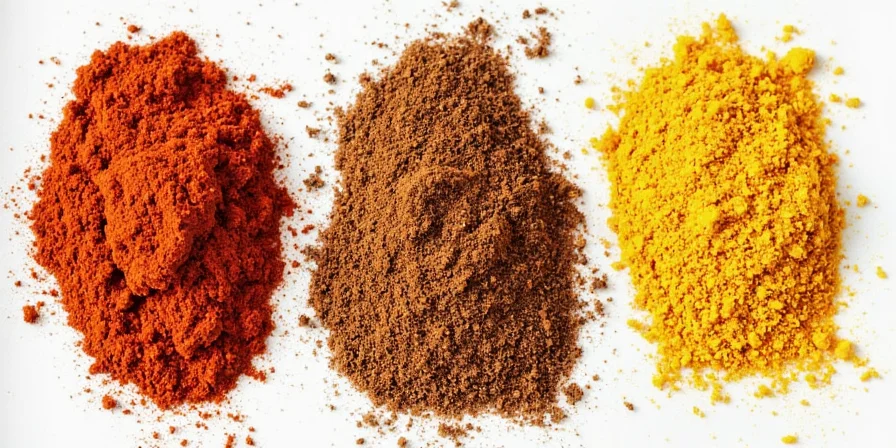
10 Unconventional Spice Pairings That’ll Elevate Your Holiday Flavors!
Welcome to the holiday season — a time for joy, gatherings, and of course, mouthwatering flavors. But if you're tired of the same old cinnamon and nutmeg routine, it’s time to spice things up. Literally.
In this article, we’ll dive into some of the most innovative spice pairings that will bring a fresh twist to your holiday menu. Whether you're hosting a dinner party or baking cookies with your kids, these combinations are sure to impress even the most seasoned foodies.
Table of Contents
- The Magic Behind Spice Pairings
- Top 10 Innovative Spice Pairings for Holiday Flavors
- How to Use These Spices Like a Pro
- The Science Behind Flavor Chemistry
- Final Thoughts & Recipe Ideas
The Magic Behind Spice Pairings
Spices have been used for centuries not only to preserve food but also to enhance flavor profiles in unique ways. Today, chefs and home cooks alike are experimenting with unexpected pairings that can transform ordinary dishes into extraordinary culinary experiences.
The key is understanding how different compounds in spices interact with one another and with other ingredients. Some spices share similar aromatic molecules, which makes them naturally complementary. Others offer contrasting textures or heat levels that add depth and complexity.
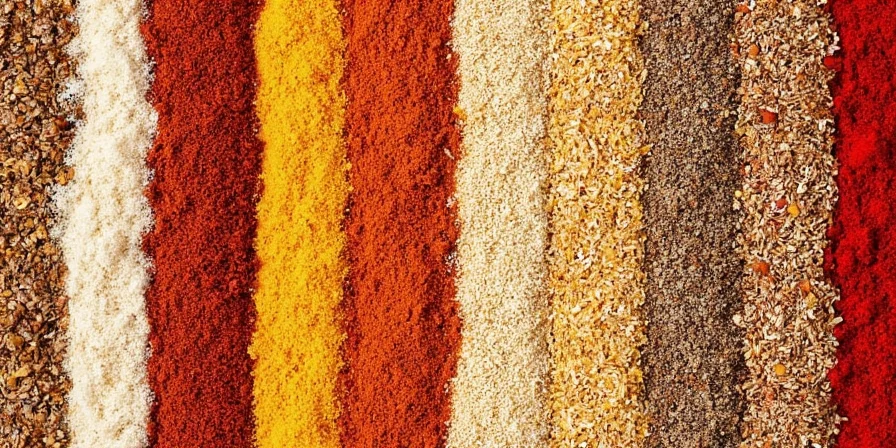
Top 10 Innovative Spice Pairings for Holiday Flavors
Let’s jump right into the fun part — the spice combos! Here are our top picks for unconventional yet deliciously effective holiday spice pairings:
| Pairing | Flavor Profile | Best For |
|---|---|---|
| Cumin + Orange Zest | Earthy meets citrusy freshness | Roasted carrots, citrus glaze ham |
| Cardamom + Cayenne Pepper | Sweet floral with a spicy kick | Hot cocoa, gingerbread muffins |
| Star Anise + Black Garlic | Umami-rich sweetness | Slow-cooked meats, braised vegetables |
| Turmeric + Maple Syrup | Warm earthiness with natural sweetness | Baked sweet potatoes, holiday lattes |
| Paprika + Cinnamon | Smoky-sweet warmth | Spiced nuts, mulled wine |
| Fennel Seeds + Dark Chocolate | Anise-like bite with rich bitterness | Chocolate truffles, festive desserts |
| Allspice + Miso Paste | Meaty depth with warm spice | Gravy, stuffing |
| Saffron + Vanilla Bean | Delicate floral elegance | Rice pudding, custard tarts |
| Sumac + Rose Water | Zesty tang with perfumed floral | Holiday cocktails, Middle Eastern pastries |
| Nutmeg + Garam Masala | Classic meets complex | Pumpkin pie, eggnog variations |
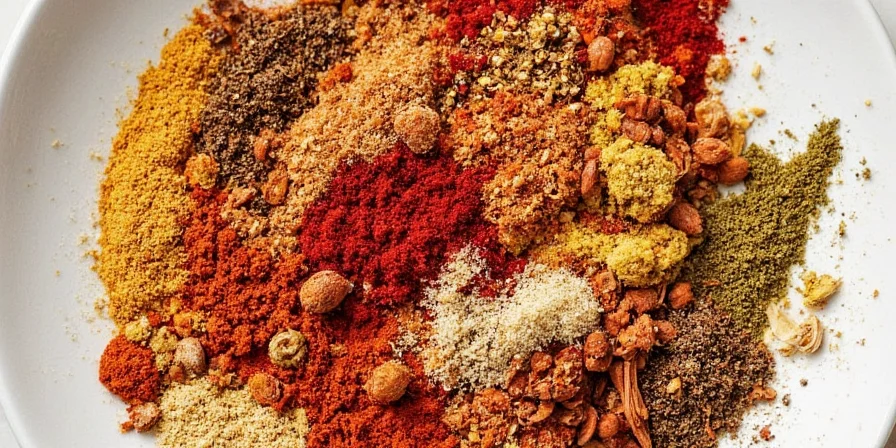
How to Use These Spices Like a Pro
Now that you’ve got the list, here’s how to make the most of each pairing without overwhelming your palate:
- Balancing Act: Always start small. A little goes a long way, especially with stronger spices like saffron or cardamom.
- Toasting First: Toasting whole spices (like cumin or fennel seeds) before grinding enhances their aroma and flavor profile significantly.
- Layering Techniques: Add certain spices early in the cooking process for depth, and others toward the end for brightness.
- Pair with Fats: Many spice compounds are fat-soluble, so using oils, butter, or cream helps release their full potential.
- Dry vs Wet: Consider whether the dish benefits more from ground or whole spices. Whole spices are great for simmering soups and stews; ground ones work best for baking or rubs.
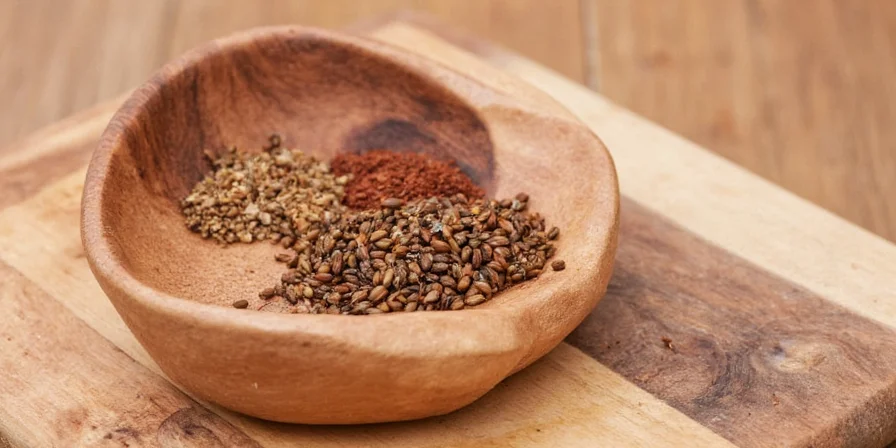
The Science Behind Flavor Chemistry
Did you know that successful spice pairing isn’t just about taste? It’s rooted in chemistry too. Certain spices share common volatile compounds that create harmony when combined.
For example, both star anise and black garlic contain high levels of sulfur-containing compounds and esters, which contribute to their rich umami flavor. When paired together, they amplify each other’s savory notes without overpowering the dish.
On the flip side, turmeric and maple syrup complement each other because curcumin (the active compound in turmeric) reacts positively with natural sugars, creating a balanced warmth that soothes rather than overpowers.
Final Thoughts & Recipe Ideas
Holiday cooking should be joyful, creative, and a little bit daring. With these unconventional spice pairings, you’re not just spicing up your dishes — you’re reinventing them.
Here are a few quick recipe ideas to try out:
- Citrus-Cumin Glazed Ham: Rub a ham with orange zest, cumin, brown sugar, and a splash of apple cider vinegar. Roast until caramelized.
- Spiced Hot Cocoa with Cardamom & Cayenne: Warm milk with dark chocolate, a pinch of cardamom, and a dash of cayenne for a cozy winter treat.
- Miso-Allspice Gravy: Whisk miso paste and allspice into your holiday gravy for a richer, deeper flavor.
- Saffron-Vanilla Custard Cups: Infuse cream with saffron threads and vanilla bean, then bake into silky custard cups.
- Sumac-Rose Spritzers: Combine rose water, sumac, and sparkling water for a refreshing cocktail.




 浙公网安备
33010002000092号
浙公网安备
33010002000092号 浙B2-20120091-4