
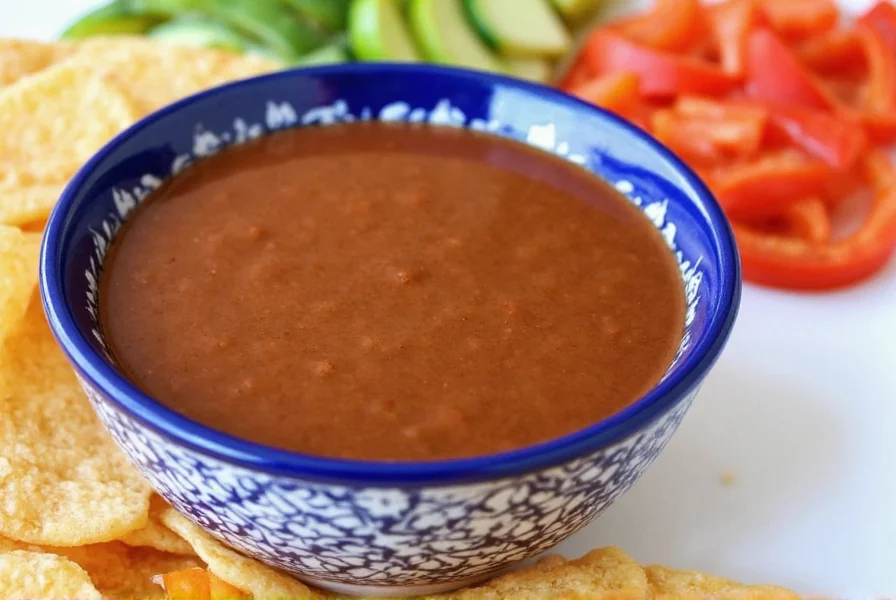
Unlock the Magic of Mexican Brown Sauce: A Flavor Journey You Can't Miss!
Mexican cuisine is a vibrant explosion of flavors, colors, and aromas — and one of its most unsung heroes is Mexican Brown Sauce. From tacos to enchiladas, this rich, savory concoction adds depth, warmth, and complexity that transforms any dish from ordinary to extraordinary.
In this blog post, we’ll dive into everything you need to know about this beloved sauce: what it is, how to make it, how to use it, and where to buy the best ones. Whether you're a spice enthusiast or a curious foodie, by the end of this article, you'll be ready to embrace the bold taste of Mexican Brown Sauce like a pro.
Table of Contents
- What Is Mexican Brown Sauce?
- The Essence of Flavor in Every Drop
- How to Make Mexican Brown Sauce at Home
- Top 5 Mexican Brown Sauces You Should Try
- Buying Guide: Choosing the Perfect Mexican Brown Sauce
- Creative Ways to Use Mexican Brown Sauce Beyond Tacos
- Conclusion
What Is Mexican Brown Sauce?
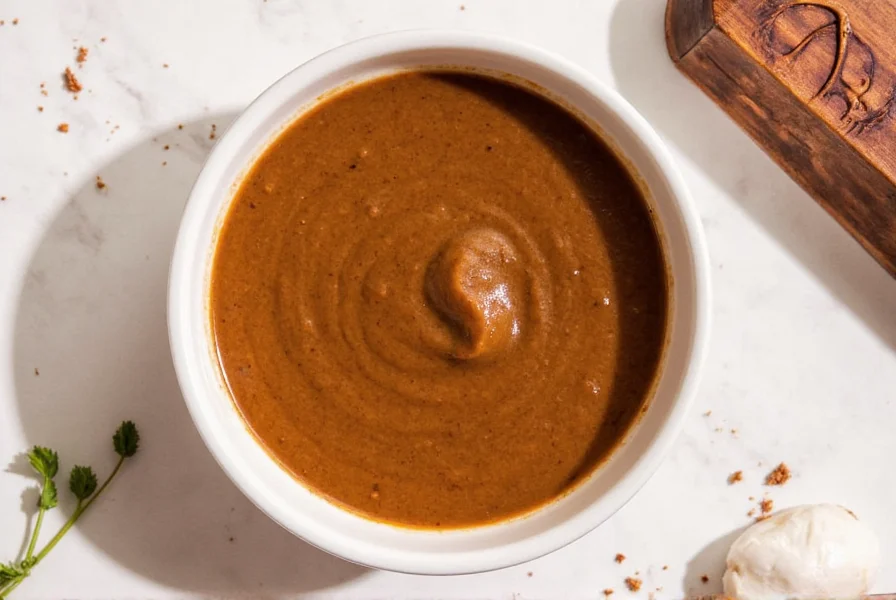
Mexican Brown Sauce isn’t just one thing — it's more like a family of sauces known for their deep, earthy flavor and warm color palette. These sauces typically combine roasted tomatoes, dried chilies (like ancho, pasilla, or mulato), spices, garlic, and sometimes even chocolate or nuts for added complexity.
It’s often used as a base for enchiladas, tamales, and meat dishes, but its versatility extends far beyond traditional recipes. Think of it as a culinary backbone that brings layers of flavor with every spoonful.
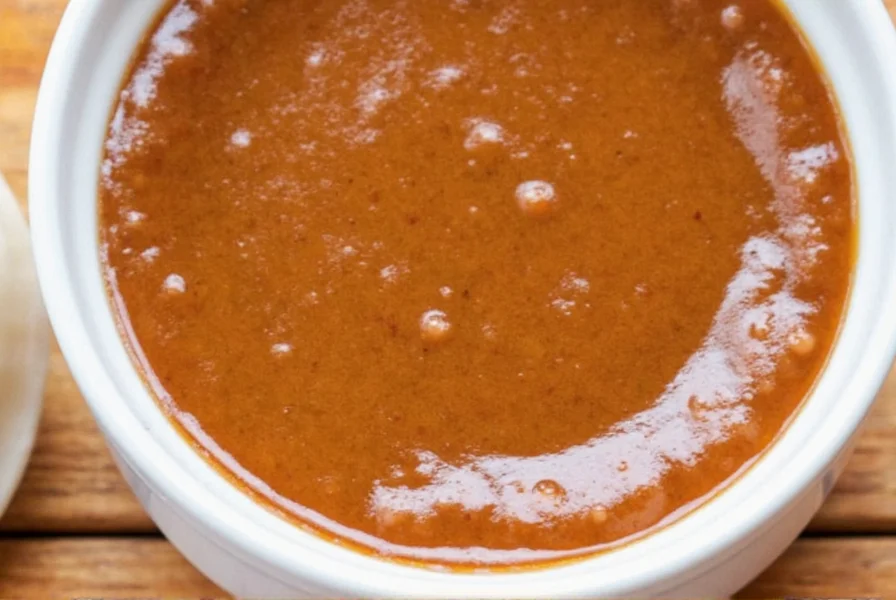
The Essence of Flavor in Every Drop
What sets Mexican Brown Sauce apart from other sauces is its ability to balance heat, sweetness, and smokiness all at once. It’s not necessarily spicy in the tongue-tingling way; rather, it delivers a slow-building warmth that builds in the back of your throat and warms your soul.
The key ingredients are:
- Dried Chilies: Anchos, pasillas, and mulatos are commonly used. Each contributes a unique flavor profile — raisin-like sweetness, herbal notes, and mild heat respectively.
- Tomatoes: Roasted or fire-roasted tomatoes add brightness and body.
- Spices: Cumin, oregano, garlic, and cinnamon bring aromatic depth.
- Chocolate or Nuts: Some versions include unsweetened cocoa or almonds for a subtle richness and texture.
How to Make Mexican Brown Sauce at Home
If you’ve never made your own brown sauce before, now’s the time! This homemade version is rich, customizable, and full of authentic flavor. Here’s a simple recipe to get started:
Ingredients:
- 4 dried ancho chilies (stemmed and seeded)
- 2 dried pasilla chilies
- 2 cloves garlic
- 2 Roma tomatoes, halved and roasted
- 1 tsp ground cumin
- ½ tsp dried oregano
- ¼ tsp cinnamon
- Salt to taste
- 1 cup chicken or vegetable broth
Instructions:
- Toast the chilies in a dry skillet until fragrant (about 1–2 minutes each side).
- Soak them in hot water for 20–30 minutes to soften.
- Blend the softened chilies with the roasted tomatoes, garlic, and spices.
- Pour the mixture into a saucepan and simmer with broth until thickened.
- Season with salt and blend again if desired for a smoother texture.
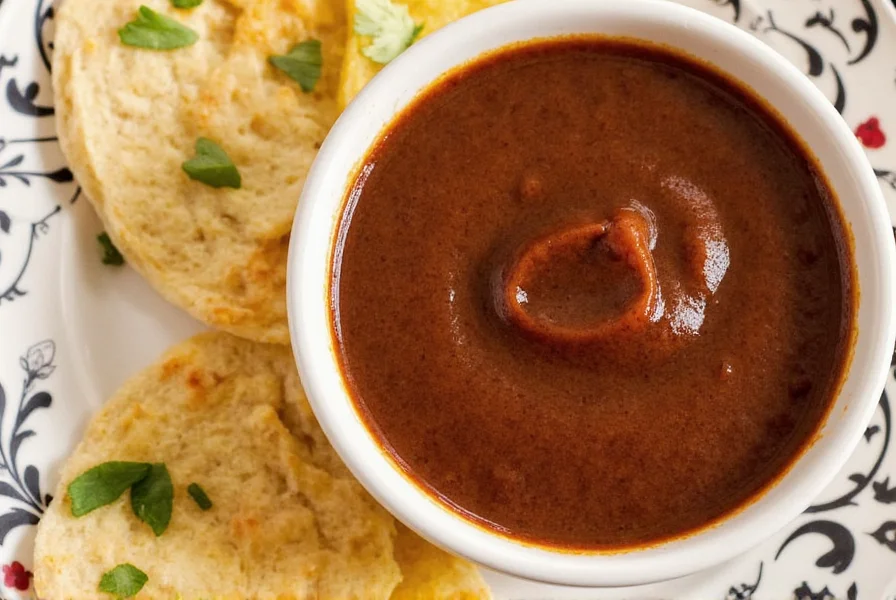
Top 5 Mexican Brown Sauces You Should Try
Don’t have time to whip up a batch yourself? No worries! There are some excellent bottled options that deliver authentic Mexican flavor without the hassle. Here’s a curated list of top picks:
| Brand | Flavor Profile | Heat Level | Best For | Notable Feature |
|---|---|---|---|---|
| La Costeña | Rich, balanced, slightly smoky | Mild to Medium | Enchiladas, tacos, burritos | Eco-friendly packaging |
| Goya Mexican Style Enchilada Sauce | Classic, tomato-forward | Medium | Quick meals, soups | Gluten-free |
| Hatch Green Chile Enchilada Sauce | Smoky, earthy, tangy | Medium-Hot | Southwestern fusion dishes | Uses New Mexico green chiles |
| Tienda Enchilada Sauce | Traditional, deep red-brown | Medium | Authentic Mexican dishes | No preservatives |
| El Pato Chipotle Enchilada Sauce | Smoky chipotle kick | Hot | Grilled meats, wraps | Distinctive can design |
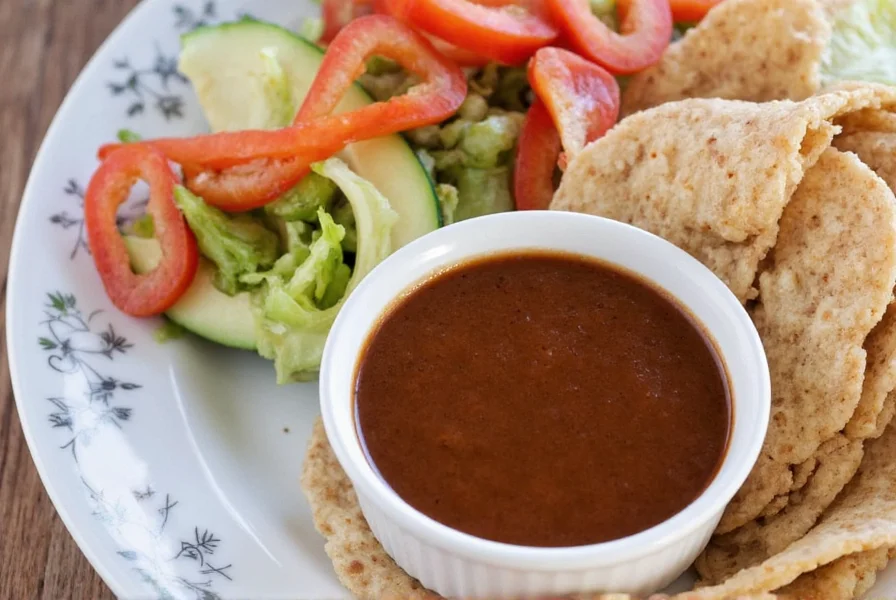
Buying Guide: Choosing the Perfect Mexican Brown Sauce
With so many varieties available, picking the right bottle can be overwhelming. Here’s what to look for when selecting your next Mexican Brown Sauce:
1. Flavor Intensity
Do you prefer a mellow, smooth sauce or something with a fiery edge? Check labels for chili types — anchos are sweet and mild, while chipotles pack a smoky punch.
2. Ingredients List
A good sauce should contain real food, not just lab-made additives. Avoid products with long ingredient lists filled with unpronounceables.
3. Heat Level
Unless you’re a heat-seeker, stick with “medium” unless specified otherwise. Some brands offer mild or extra-spicy variations too.
4. Use Case
- For traditional enchiladas: Look for rich, thick sauces like Tienda or La Costeña.
- For quick dinners: Goya and El Pato are pantry staples.
- For adventurous cooking: Hatch or chipotle-based sauces add flair to burgers or grilled veggies.
5. Dietary Preferences
Vegan? Gluten-free? Many modern sauces cater to these needs, so always read the label carefully.
Creative Ways to Use Mexican Brown Sauce Beyond Tacos
Think outside the taco shell! Mexican Brown Sauce is incredibly versatile and can elevate all kinds of dishes. Here are some fun and unexpected uses:
- Breakfast Boost: Drizzle over scrambled eggs or breakfast burritos for a zesty wake-up call.
- Marinade Magic: Mix with olive oil and lime juice for a killer chicken marinade.
- Soup & Stew Enhancer: Add a few tablespoons to black bean soup or beef stew for depth and richness.
- Burger Upgrade: Swap ketchup with Mexican Brown Sauce for a smoky, spiced burger experience.
- Casseroles & Bakes: Layer it into baked ziti, lasagna, or mac ‘n’ cheese for a Mexican twist.
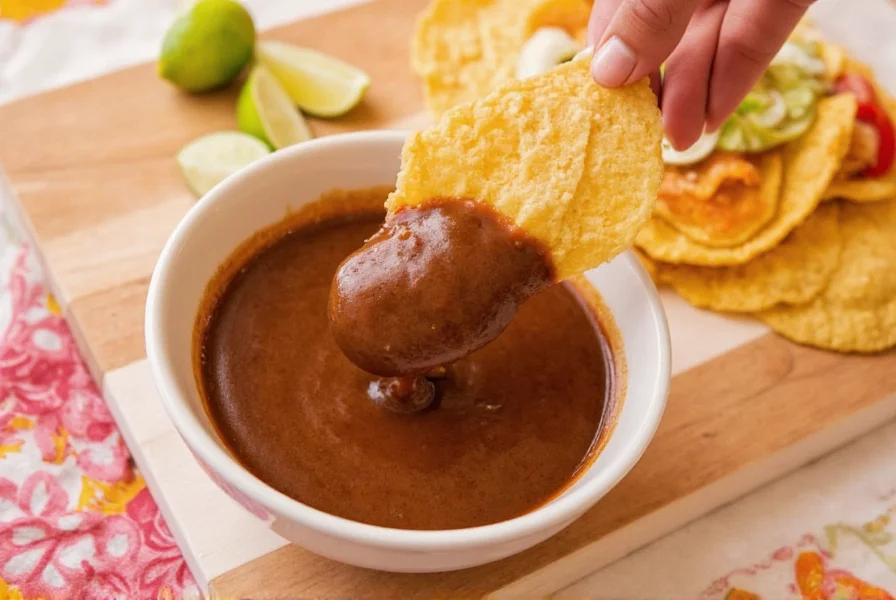
- DIY Dips: Combine with sour cream or Greek yogurt for a creamy dip perfect for fries, veggies, or chips.
Conclusion
Mexican Brown Sauce is more than just a condiment — it’s a passport to bold flavors, cultural heritage, and culinary creativity. Whether you choose to make it at home or grab a bottle from the store, this sauce is sure to become a staple in your kitchen.
From enhancing your favorite Mexican dishes to jazzing up everyday meals, the potential of Mexican Brown Sauce is only limited by your imagination. So go ahead, open that jar, and let the magic unfold one delicious bite at a time!




 浙公网安备
33010002000092号
浙公网安备
33010002000092号 浙B2-20120091-4