

Tinga Tinga: The Spicy Secret Behind Mexico’s Most Addictive Dish!
When it comes to Mexican street food, few dishes pack the flavor punch quite like Tinga. Whether you’re a spice enthusiast or a curious foodie, this dish is a must-try. In this blog post, we’ll take you through the history of Mexican Food Tinga, its fiery flavors, and how you can recreate it at home—or find the best store-bought options if you're short on time.
Table of Contents
- A Bite of History: Where Did Tinga Come From?
- What Makes Tinga So Special? The Spice Breakdown
- DIY Tinga: Recipes & Tips for Home Cooks
- Buying Guide: Best Tinga Products in Stores
- Tinga Goes Global: How Different Cultures Are Using It
- Final Thoughts: Why You Should Be Cooking With Tinga Today
A Bite of History: Where Did Tinga Come From?
Tinga has roots in central Mexico, especially in the states of Puebla and Veracruz. Traditionally made with shredded chicken, tomatoes, chipotle peppers, and onions, it’s slow-cooked into a smoky, slightly spicy stew that’s perfect for tacos, tortas, and even tostadas.
The word "tinga" itself is believed to come from Spanish slang meaning "hash," which makes sense once you see how the ingredients melt together into a rich, flavorful mixture. Originally a humble peasant dish, Tinga has now found its way into gourmet kitchens and street carts alike.
What Makes Tinga So Special? The Spice Breakdown
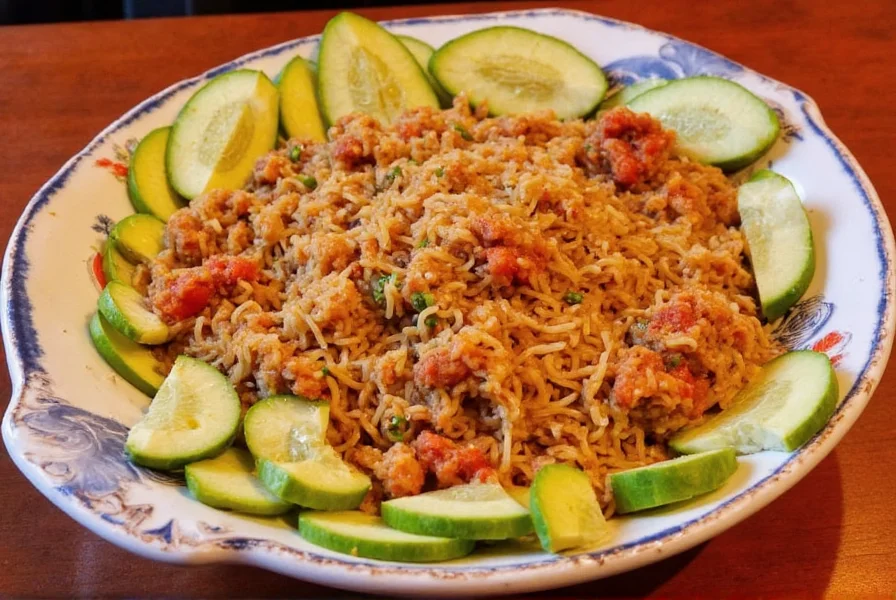
Tinga owes its unique taste to a combination of spices and ingredients that create a balance between heat, sweetness, and acidity. Let's break down the key components:
- Chipotle Peppers in Adobo Sauce: The star of the show. These smoked jalapeños add depth, smokiness, and a moderate level of heat (about 5,000–10,000 Scoville units).
- Tomatoes: Usually canned plum tomatoes, they bring a natural sweetness and help build the sauce base.
- Onions: Sautéed until translucent, they provide a sweet, earthy note that balances the spiciness.
- Garlic: A must-have for any good Tinga—adds pungency and warmth.
- Paprika & Bay Leaf: For extra aroma and complexity.
- Vinegar: Optional but often used to brighten up the overall flavor.
The Tinga Flavor Matrix
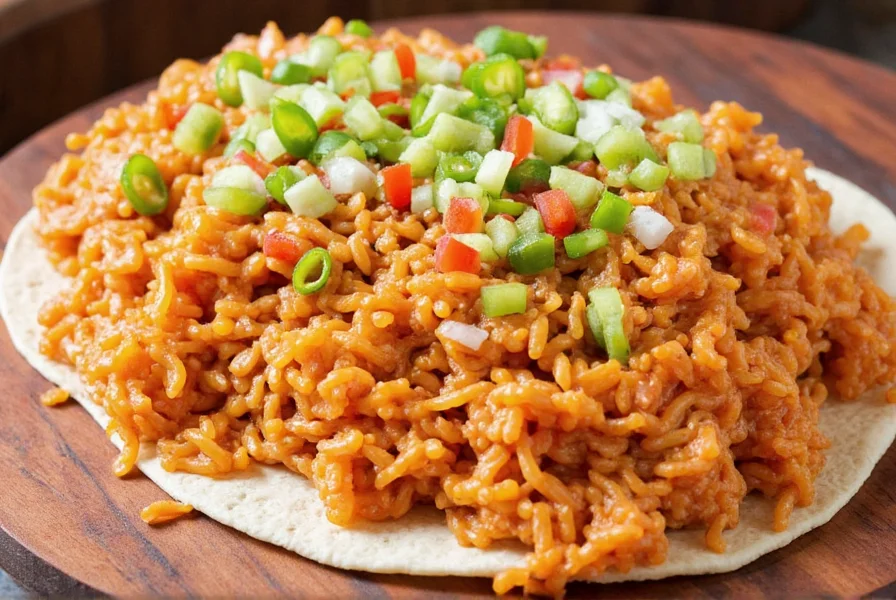
To better understand how these ingredients work together, here's a simple flavor profile chart:
| Ingredient | Flavor Contribution | Heat Level |
|---|---|---|
| Chipotle in Adobo | Smoky, tangy, spicy | Medium |
| Tomatoes | Sweet, acidic | None |
| Onions | Sweet, savory | None |
| Garlic | Pungent, earthy | Low |
| Paprika | Earthy, mild sweetness | Low |
DIY Tinga: Recipes & Tips for Home Cooks
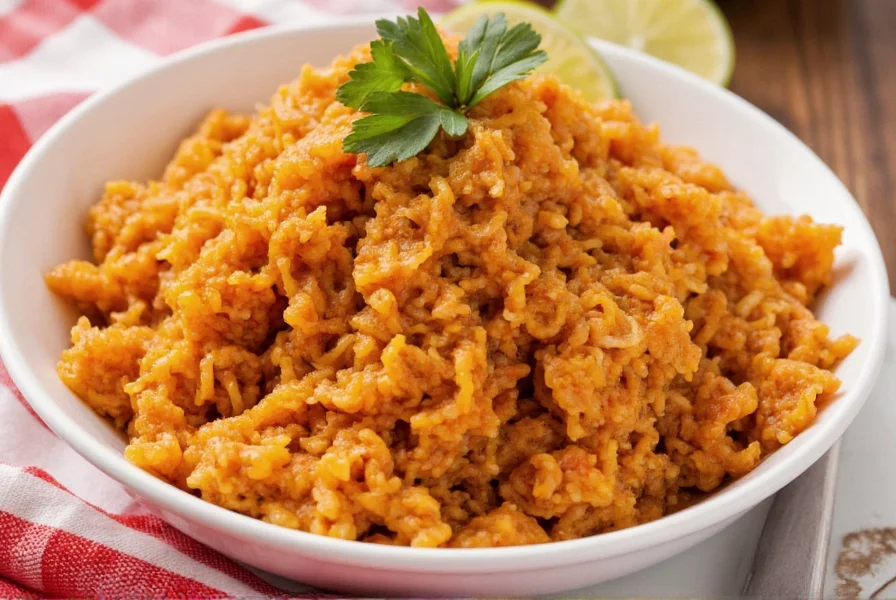
If you're feeling adventurous, making Tinga at home is easier than you think—and infinitely more rewarding! Here’s a classic recipe you can tweak based on your spice tolerance:
Classic Chicken Tinga Recipe
- 1 lb boneless chicken breast or thighs
- 1 cup chopped onion
- 2 cloves garlic, minced
- 1 can (14 oz) crushed tomatoes
- 2–3 chipotle peppers in adobo sauce (adjust for heat)
- 1 tsp paprika
- 1 bay leaf
- Salt & pepper to taste
- Olive oil
- Heat olive oil in a large skillet over medium heat.
- Add onions and sauté until soft and translucent.
- Add garlic and cook for another minute.
- Stir in tomatoes, chipotle peppers, paprika, and bay leaf.
- Add chicken and simmer everything together for about 20 minutes.
- Shred the chicken using two forks and continue simmering until the sauce reduces and coats the meat.
- Season with salt and pepper.

Pro Tips
- Want More Heat? Add an extra chipotle pepper or use fresh jalapeños.
- Want It Smokier? Try adding a dash of liquid smoke or smoked paprika.
- Vegetarian Option: Substitute chicken with jackfruit or mushrooms for a delicious vegan Tinga.
- Make Ahead: Tinga tastes even better the next day. Store in the fridge for up to 3 days or freeze for up to 3 months.
Buying Guide: Best Tinga Products in Stores
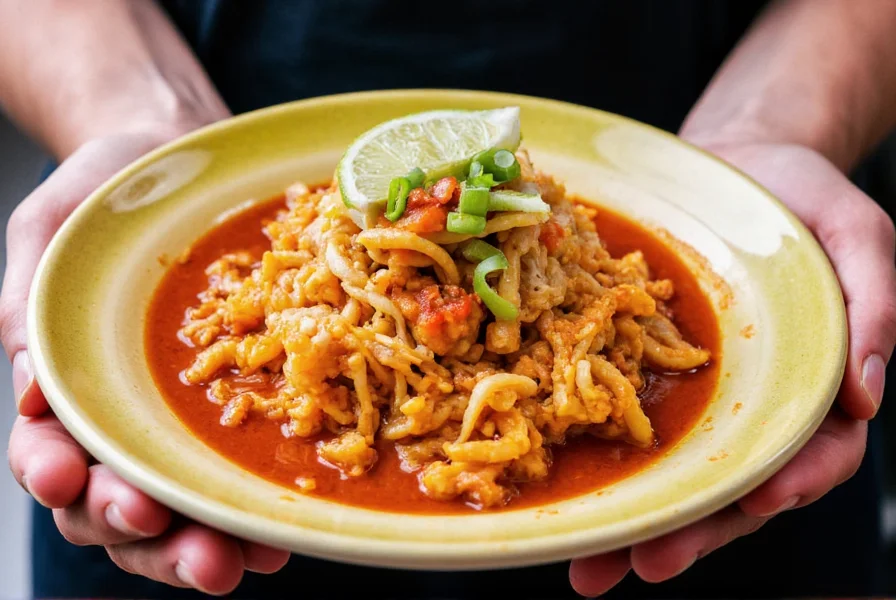
If you don’t have time to make Tinga from scratch, don’t worry—many stores now sell ready-made Tinga or Tinga kits. Here are some top-rated products and what makes them stand out:
| Product Name | Key Features | Best Use Case | Target Audience |
|---|---|---|---|
| Mi Cocina Ready-to-Eat Chicken Tinga | Premade, shelf-stable pouches; simply heat and serve | Quick tacos, burritos, or quesadillas | Busy professionals, college students |
| Del Real Foods Organic Chicken Tinga | Organic ingredients, no preservatives, gluten-free | Health-conscious meals, paleo or keto diets | Wellness-focused consumers |
| Goya Tinga de Pollo Kit | All-in-one kit with seasoning packet and dried tomatoes | Educational cooking experience, family dinners | New cooks, families |
| Ranchero Gourmet Frozen Chicken Tinga Tacos | Frozen tacos filled with real Tinga | Convenient frozen snacks or breakfast | Parents, on-the-go eaters |
| La Costeña Tinga Mix | Dried spice mix for homemade Tinga | Customizable DIY Tinga lovers | Home chefs, foodies |
How to Choose the Right Tinga Product
- Time vs. Taste: If speed matters, go for ready-to-eat pouches. If you want to customize, choose a spice mix or ingredient kit.
- Dietary Needs: Look for organic, low-sodium, or vegan options if needed.
- Budget-Friendly: Some premium brands may cost more per serving. Compare prices per ounce before buying.
- Kitchen Tools: Some kits require a blender or pressure cooker. Check what tools you have before purchasing.
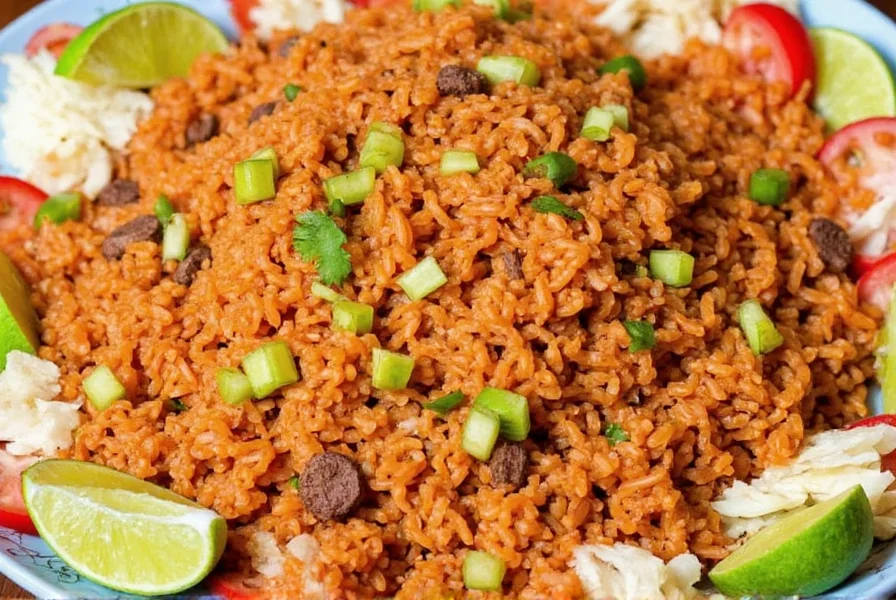
Tinga Goes Global: How Different Cultures Are Using It
Tinga might be Mexican in origin, but its bold flavors are finding fans around the world. Here’s how international chefs and home cooks are adapting Tinga into global cuisine:
- Japan: Used as a spicy filling in bento boxes and rice balls.
- France: Featured in gourmet crepes and quiches for a spicy twist.
- India: Mixed into curries or used as a topping for chaat.
- USA: Popular in fusion food trucks as a taco filling, pizza topping, or sandwich spread.
- UK: Seen in trendy toast toppings and brunch bowls.

Final Thoughts: Why You Should Be Cooking With Tinga Today
Tinga is more than just a tasty topping—it’s a versatile flavor bomb that brings the soul of Mexican cuisine to your kitchen. Whether you make it from scratch or grab a pouch from the store, there’s no denying the allure of its smoky heat and comforting richness.
So why not give Tinga a try this weekend? Whip up a batch of homemade Tinga tacos or pick up a store-bought version to save time. Either way, your taste buds will thank you—and you’ll feel like a culinary rockstar.
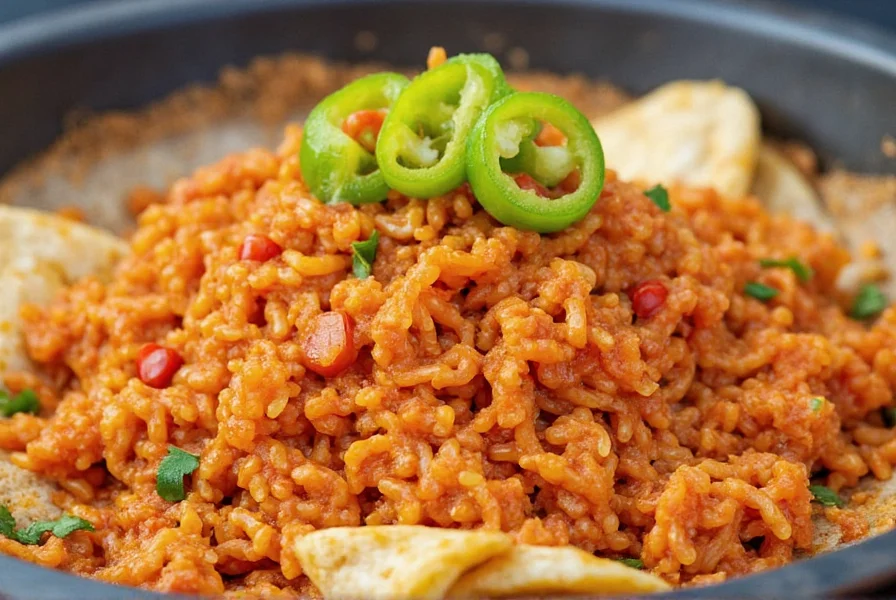
Ready to spice up your life? Grab your ingredients, turn on the stove, and let Tinga do the rest!




 浙公网安备
33010002000092号
浙公网安备
33010002000092号 浙B2-20120091-4