
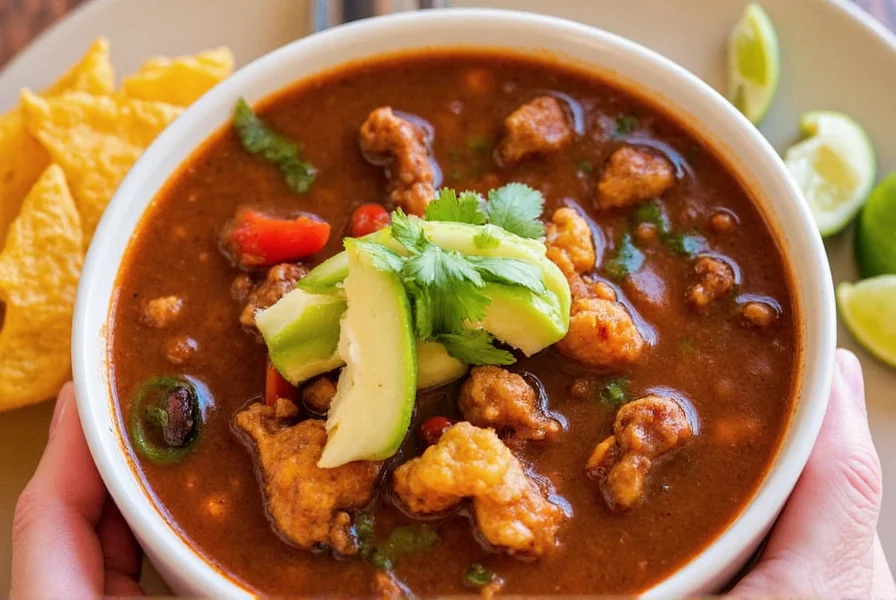
7 Sizzling Secrets Behind Mexican Birria Soup (And Why You'll Want Seconds)
Table of Contents
- The Legend of Birria: More Than Just a Soup
- Spice It Up: The Heartbeat of Birria’s Taste
- How to Make Birria at Home: A Step-by-Step Guide
- Serving Suggestions That Elevate the Experience
- Birria Soup Buying Guide: From Spices to Meat
- A Tasty Trip Through Time: The Origins of Birria
- Global Twists: How Other Cultures Adapted Birria
- Final Thoughts: Birria – A Bowl Full of Tradition and Fire
The Legend of Birria: More Than Just a Soup
Birria isn’t just another dish on the menu—it’s a celebration in a bowl. Originating from the western Mexican state of Jalisco, birria has roots that go back centuries, traditionally served during weddings and special occasions. What makes birria so special? It's not just the slow-cooked meat or the aromatic broth; it’s the soulful blend of spices and the ritual of enjoying it together.
Spice It Up: The Heartbeat of Birria’s Taste
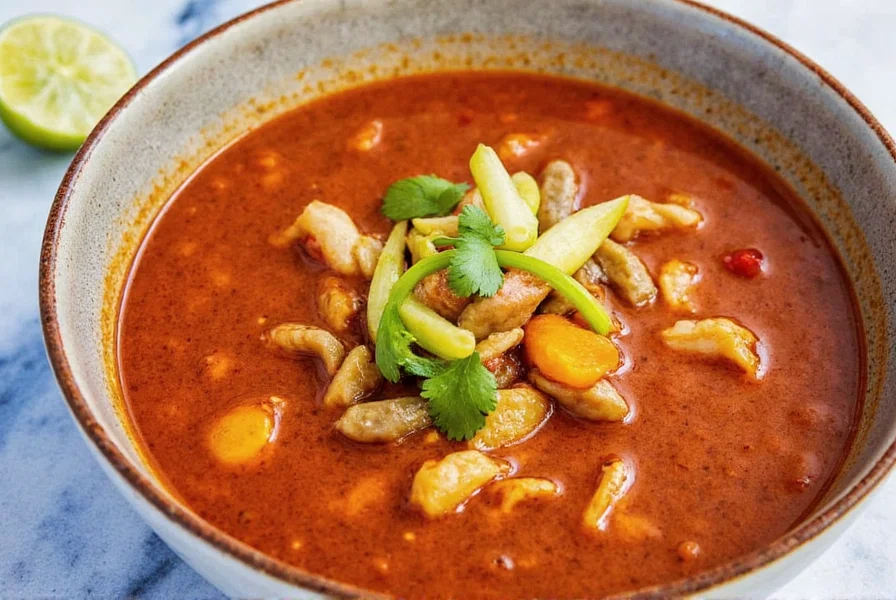
If there’s one thing birria teaches us, it’s that flavor is everything. The real magic happens when you roast and grind the right combination of dried chilies, garlic, and warming spices like cloves and cumin. This mix forms the base of the marinade that tenderizes the meat and infuses every bite with smoky depth and fiery heat.
| Chili Type | Heat Level (SHU) | Flavor Notes | Best Used For |
|---|---|---|---|
| Ancho | 1,000–2,000 | Sweet, raisin-like | Broths and sauces |
| Guajillo | 2,500–5,000 | Tangy, berry-like | Marinades |
| Arbol | 15,000–30,000 | Nutty, grassy | Adding heat |
| Pasilla | 1,000–2,000 | Fruity, earthy | Darker broths |
How to Make Birria at Home: A Step-by-Step Guide
You don't need to be a chef to enjoy authentic birria. With the right tools and ingredients, you can recreate this Mexican classic in your own kitchen:
- Choose your meat—goat is traditional, but beef or lamb work well too.
- Toast and soak your dried chilies for depth of flavor.
- Blend the soaked chilies with vinegar, garlic, and spices to create the marinade.
- Coat the meat thoroughly and refrigerate overnight.
- Slow cook the marinated meat until fall-apart tender.
- Add aromatics like onion, carrots, and herbs to the pot for extra richness.
Serving Suggestions That Elevate the Experience
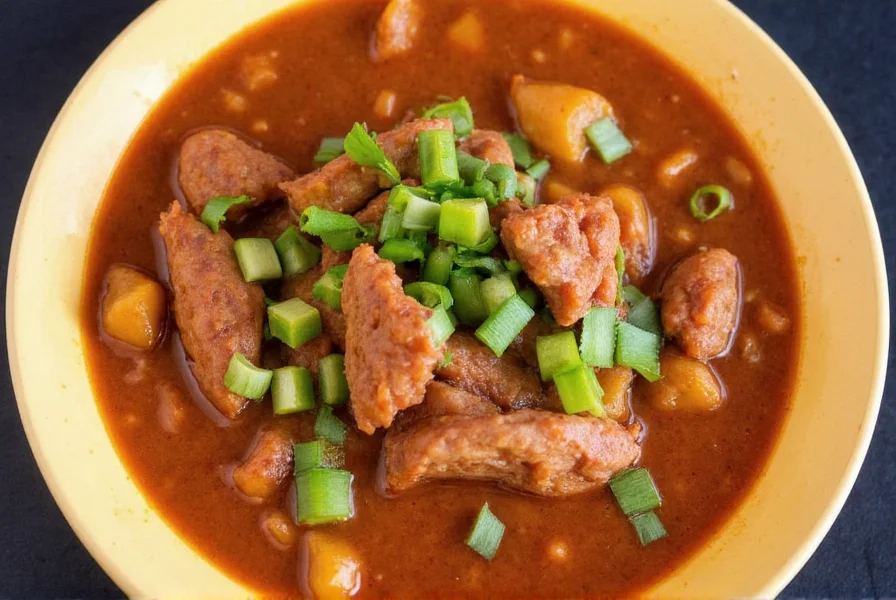
Traditionally, birria is served with warm corn tortillas, onions, cilantro, and lime wedges. But modern interpretations have embraced it as a taco filling (hello, birria tacos!) or even as a dip for quesadillas. Don’t forget to ladle the rich, spiced broth over your serving plate—it’s where the magic lives!
Birria Soup Buying Guide: From Spices to Meat
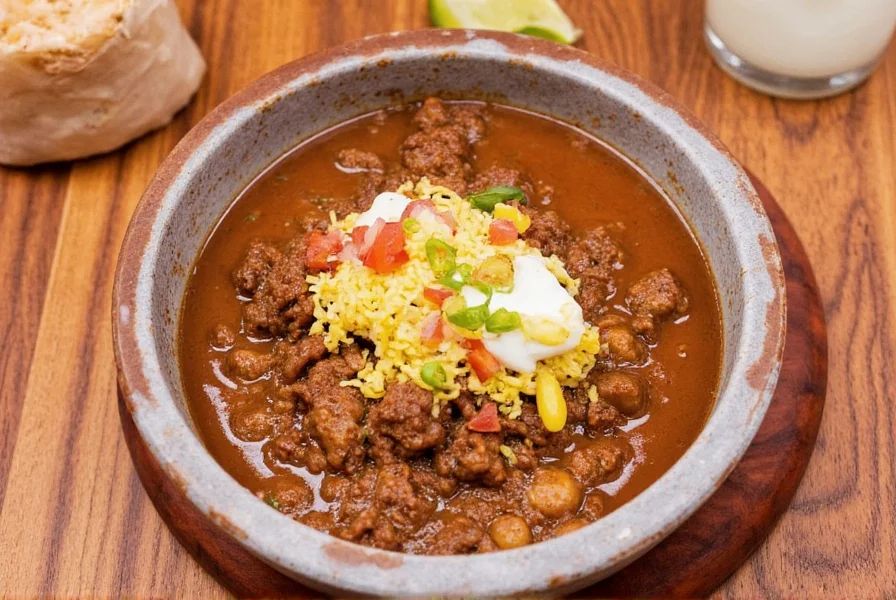
If you're not making it from scratch, here are the best products to bring that birria flavor into your kitchen:
- Birria Spice Kit: Look for pre-ground mixes that include ancho, guajillo, cumin, and cloves. Brands like Goya or La Costeña offer quality blends.
- Ready-Made Broth: Save time with store-bought birria-style broth. Check out O Organics or College Inn for rich options.
- Premarinated Meat: Some grocery stores now sell pre-marinated goat or lamb. Ideal for last-minute cravings.
| Product | Features | Use Case | Audience |
|---|---|---|---|
| Goya Birria Seasoning | Pre-ground spice mix, easy to use | Quick homemade birria | Busy cooks |
| O Organics Birria Broth | Ready-to-use, full-bodied flavor | Instant birria soup fix | Urban professionals |
| La Sierra Goat Cuts | Marinated goat cuts | Authentic birria experience | Mexican food enthusiasts |
A Tasty Trip Through Time: The Origins of Birria
Birria traces its origins to colonial-era Mexico, where indigenous cooking met Spanish influences. Originally made with native meats like venison or turkey, it evolved over time to incorporate goat, introduced by European settlers. Traditionally cooked in underground pits during celebrations, birria was—and still is—a symbol of community and shared joy.
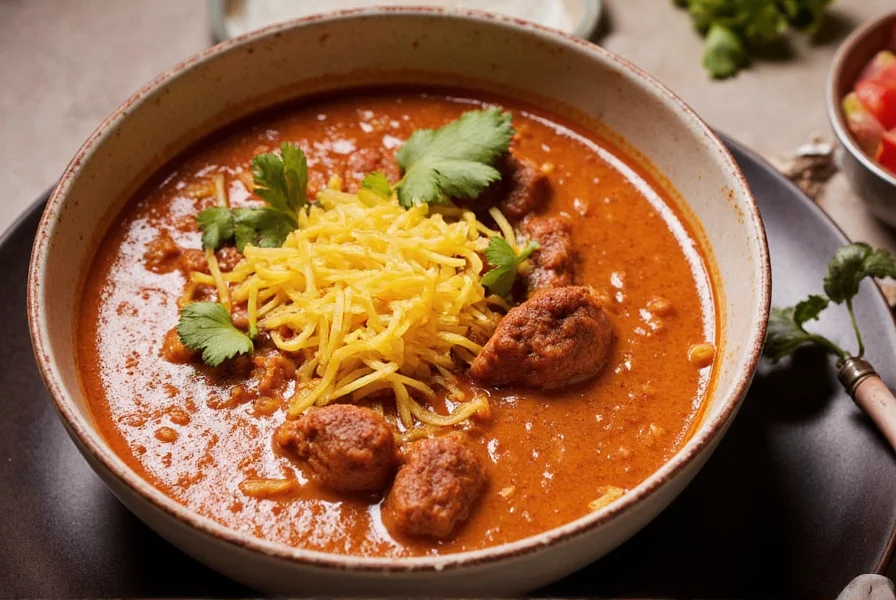
Global Twists: How Other Cultures Adapted Birria
As birria gained popularity worldwide, chefs and home cooks alike began experimenting with local ingredients. In Japan, miso-infused birria emerged. In California, vegan birria using jackfruit or mushrooms took off. Even street food vendors in London started slinging birria tacos with a British twist—yes, they’re served with a side of chips!
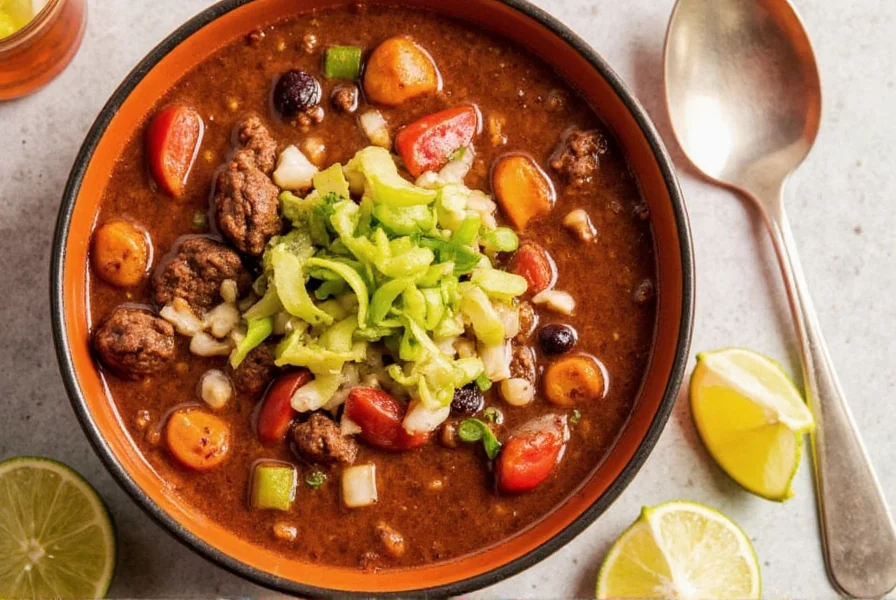
Final Thoughts: Birria – A Bowl Full of Tradition and Fire
Mexican birria soup isn’t just about the food—it’s about the culture, the warmth, and the shared moments around the table. Whether you're simmering it on the stove all day or grabbing a birria taco on the go, one spoonful will transport you to the heart of Mexico. So next time you see birria on the menu or in the grocery aisle, don’t hesitate—take a bite and let the tradition live on.




 浙公网安备
33010002000092号
浙公网安备
33010002000092号 浙B2-20120091-4