
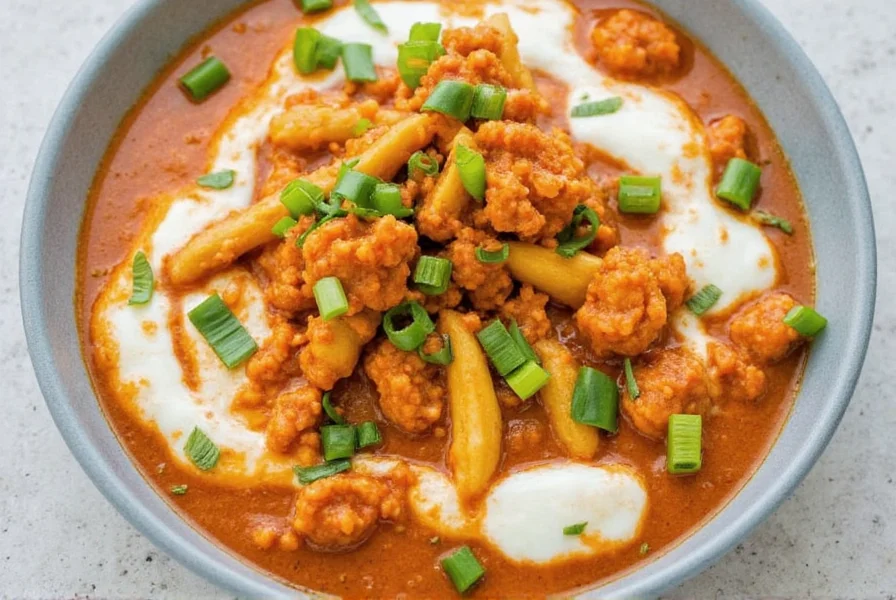
Savoring the Heat: 10 Brazilian Traditional Dishes That Will Spice Up Your Life!
Brazilian cuisine is more than just samba rhythms and beachside barbecues — it’s a flavorful explosion of spices, textures, and traditions. From the Amazon to Rio de Janeiro, each region boasts its own unique take on classic dishes that have been passed down through generations. Whether you’re a seasoned culinary explorer or someone who loves spicing up their weeknight meals, this guide will walk you through the most iconic Brazil traditional foods and show you how to bring those bold flavors into your kitchen.
Table of Contents
- Why Brazilian Cuisine Is a Spicy Gem
- Top 10 Brazilian Traditional Foods with Spices
- Spice Guide: Must-Have Ingredients for Authentic Flavor
- Buying Guide: Essential Tools & Products for Making Brazilian Dishes at Home
- Conclusion: Ready to Savor the Flavors of Brazil?
Why Brazilian Cuisine Is a Spicy Gem
Brazil is a country where cultures collide — African, Indigenous, Portuguese, and immigrant influences all come together in the kitchen. The result? A rich tapestry of flavors that’s as diverse as the people themselves. What sets Brazilian food apart isn’t just the use of spices, but how they’re balanced with fresh ingredients like tropical fruits, seafood, beans, and meats.
Unlike some cuisines that rely on heavy seasoning, Brazilian cooking often uses spices subtly but purposefully. Chilies, annatto, coriander, and cumin are commonly used to enhance rather than overpower. And let’s not forget the power of pimenta-de-cheiro, the Brazilian chili pepper that adds a punch without stealing the spotlight.

Top 10 Brazilian Traditional Foods with Spices
Let’s dive into the heart of Brazil’s flavor-packed menu. These dishes are not only beloved across the country but also showcase the role of spices in creating unforgettable taste experiences.
- Feijoada: The national dish of Brazil, feijoada is a hearty black bean stew with pork cuts. Spices like bay leaves, garlic, and black pepper add depth, while orange zest balances the richness.
- Moqueca: A coastal fish stew cooked with tomatoes, onions, cilantro, and palm oil. The heat comes from malagueta peppers, giving it a slow-burn kick.
- Vatapá: Made from bread, coconut, shrimp, and peanuts, this creamy dish gets a spicy lift from dried chilies and ground annatto seeds.
- Acarajé: Deep-fried balls filled with shrimp and spices like salt, pepper, and scallions. They’re crispy on the outside and bursting with flavor inside.
- Pão de Queijo: While not traditionally spicy, adding crushed red pepper flakes can give these cheese rolls a nice zing.
- Churrasco: Brazilian barbecue seasonings vary by region but often include garlic, paprika, oregano, and chili powder.
- Coxinha: Chicken croquettes with a hint of nutmeg and cayenne for warmth and depth.
- Quibebe: A savory squash puree spiced with chili and onion, popular in Northeast Brazil.
- Mocotó: Stewed beef tendons simmered with hot peppers, garlic, and herbs until tender and full of flavor.
- Tapioca: Tapioca flour crepes can be filled with spicy options like sautéed chicken with jalapeños and cilantro.
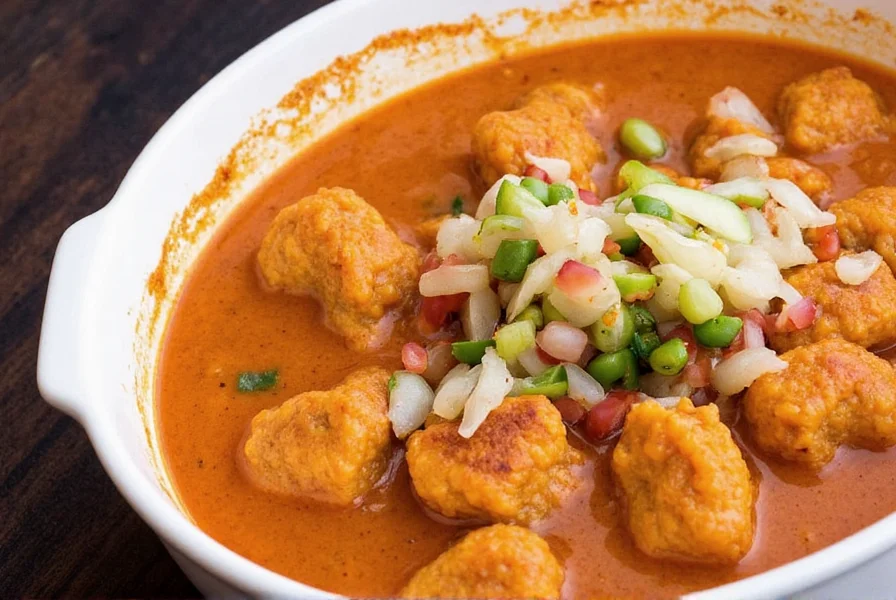
Spice Guide: Must-Have Ingredients for Authentic Flavor
If you want to recreate the magic of Brazilian cooking, here’s your go-to spice list:
| Spice/Ingredient | Flavor Profile | Best For | Substitute |
|---|---|---|---|
| Malagueta Pepper | Hot, fruity, floral | Moqueca, sauces | Fresno chili or Thai chili |
| Anatto (Ucuúba or Annatto Seeds) | Earthy, nutty, slightly peppery | Vatapá, meats | Paprika + a pinch of cumin |
| Coriander Seeds | Citrusy, herbal | Marinades, stews | Fennel or caraway |
| Black Peppercorns | Sharp, pungent | All-purpose seasoning | White pepper (milder) |
| Cumin Seeds | Earthy, smoky | Bean dishes, grilled meats | Caraway or smoked paprika |
Pro Tips for Using Brazilian Spices
- Toast whole spices before grinding to unlock deeper flavors.
- Use freshly ground spices for maximum potency.
- Store in airtight containers away from light to preserve freshness.
- Don’t overdo it with chili — Brazilian dishes usually aim for balance.
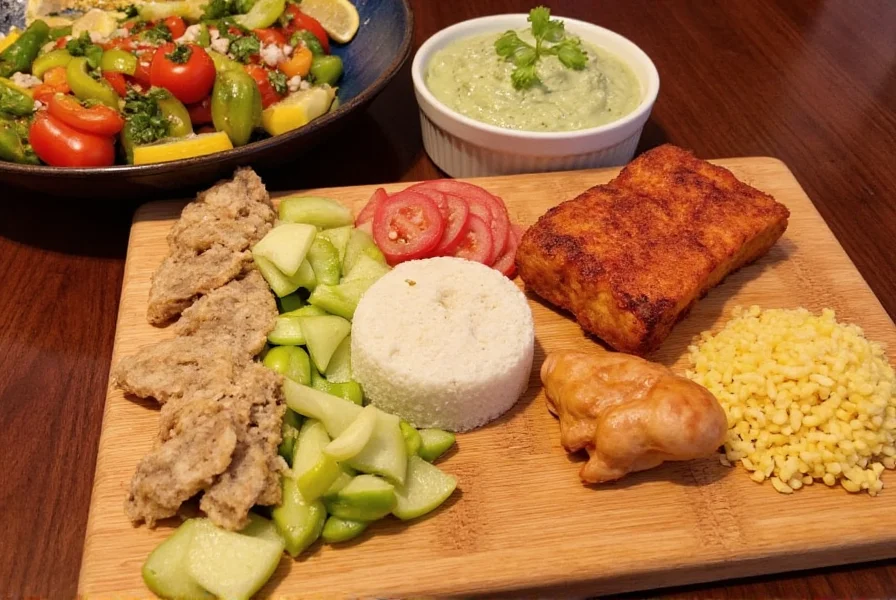
Buying Guide: Essential Tools & Products for Making Brazilian Dishes at Home
You don’t need a trip to São Paulo to enjoy authentic Brazilian flavors. Here’s what you should grab to set up your Brazilian spice kitchen:
Essential Spices & Ingredients
| Product | Description | Features | Best For | Occasion |
|---|---|---|---|---|
| Whole Malagueta Peppers | Small, fiery peppers native to Brazil | Heat level: medium-high | Best when dried or fresh | Stews, sauces, pickling | Weeknight dinners, festive gatherings |
| Ground Anatto Powder | Used for natural coloring and earthy flavor | Non-GMO | No additives | Bright red color | Vatapá, meats, rice | Everyday cooking, special meals |
| Coriander Seed Packets | Whole seeds ideal for grinding | Organic | Aromatic | Long shelf life | Curries, marinades, soups | Meal prep, gourmet cooking |
| Smoked Cumin Ground | Deeply fragrant, smoky version of regular cumin | Enhances meat dishes and bean-based meals | Feijoada, moqueca, grilled meats | BBQ nights, dinner parties |
| Palm Oil Bottle | Rich, red oil essential for Bahia-style dishes | Unrefined | Adds texture and color | Moqueca, vatapá, acarajé | Authentic Brazilian dishes |
Recommended Kitchen Tools
- Mortar and Pestle: Ideal for grinding whole spices into pastes or powders.
- Ceramic Spice Jars: Keep spices organized and protected from light.
- Cast Iron Skillet: Perfect for searing meats and making feijoada.
- Slow Cooker: Great for simmering stews like mocotó or vatapá.
- Food Processor: Useful for blending ingredients for fillings or doughs.
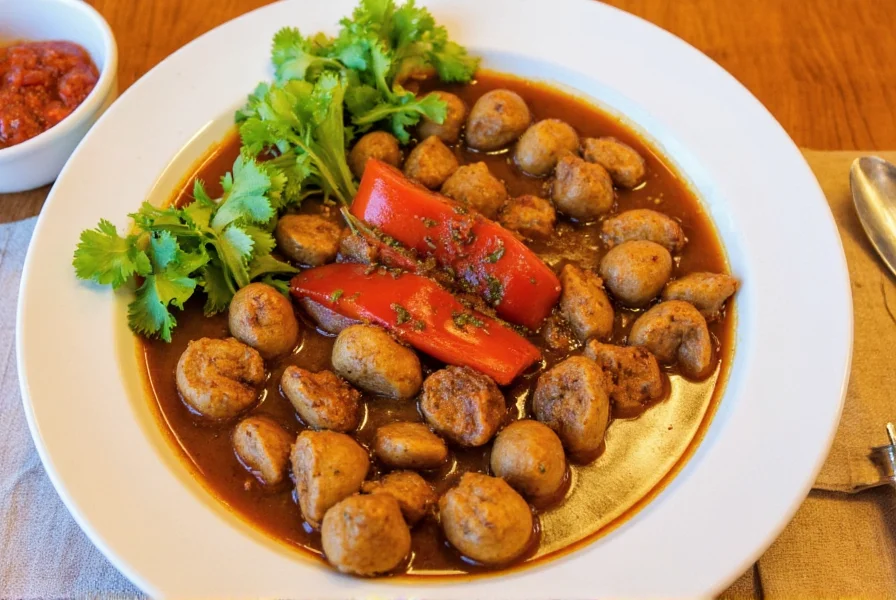
Conclusion: Ready to Savor the Flavors of Brazil?
From the smoky aroma of feijoada simmering on the stove to the vibrant colors of a moqueca infused with palm oil and malagueta peppers, Brazilian cuisine offers an adventure for the senses. It’s a celebration of community, culture, and spice — one plate at a time.
Whether you're exploring the classics or experimenting with your own spicy twists, remember that Brazilian cooking is about enjoying the process as much as the meal. So grab your spices, fire up the stove, and get ready to turn your kitchen into a slice of Brazilian paradise.
Now go ahead — saborize sua vida (spice up your life)! 🌶️🇧🇷




 浙公网安备
33010002000092号
浙公网安备
33010002000092号 浙B2-20120091-4