
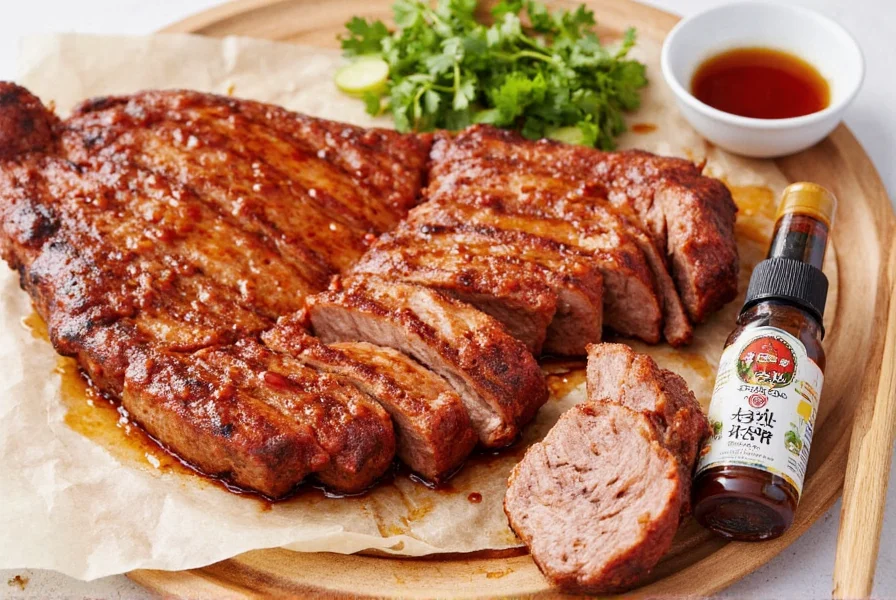
The Spicy Sweet Secret: 7 Must-Try Korean BBQ Sauces That’ll Fire Up Your Grill!
Table of Contents
- Introduction to Korean BBQ Sauce
- A Brief History & Global Influence
- Top 7 Korean BBQ Sauces You Can’t Miss
- Buying Guide: How to Choose the Right Korean BBQ Sauce
- Pro Tips for Using Korean BBQ Sauce Like a Pro
- Pairing Ideas & Creative Uses Beyond Grilling
- Conclusion
Introduction to Korean BBQ Sauce
Korean BBQ sauce is more than just a marinade or dip—it’s a flavor-packed symphony of sweet, spicy, savory, and umami that transforms even the simplest cuts of meat into a culinary masterpiece. Whether you're grilling at home or enjoying a night out with friends, the right Korean BBQ sauce can elevate your meal from “just okay” to unforgettable.
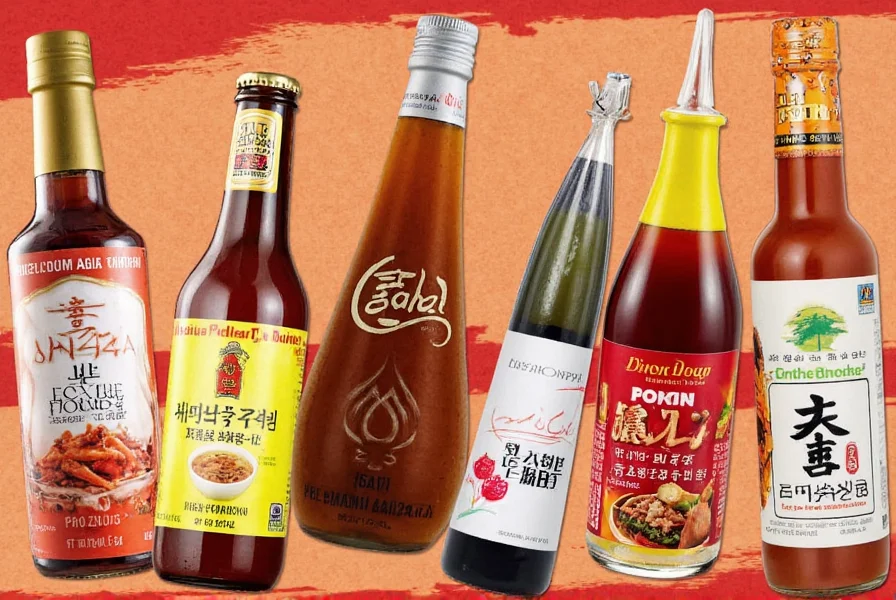
In this article, we’ll dive deep into what makes Korean BBQ sauce so special, explore some of the top sauces on the market today, and share insider tips to help you choose and use them like a seasoned grill master. Plus, we’ve got a handy buying guide to make sure you’re getting the best bang for your buck.
A Brief History & Global Influence
Korean BBQ has roots in ancient Korean culture, where grilled meats were enjoyed by nobility and commoners alike. The modern version of Korean BBQ, however, took shape in the early 20th century, influenced by Japanese yakiniku and American-style grilling techniques introduced after the Korean War.
Today, Korean BBQ is a global phenomenon, celebrated in cities from Los Angeles to London. At the heart of this trend is the iconic Korean BBQ sauce—also known as *bulgogi* (for beef) and *dwaeji bulgogi* (for pork). These sauces combine ingredients like soy sauce, sugar, garlic, sesame oil, and gochujang (Korean chili paste), creating a complex profile that satisfies multiple taste buds at once.
Top 7 Korean BBQ Sauces You Can’t Miss
Whether you prefer it extra sweet, fiery hot, or somewhere in between, there’s a Korean BBQ sauce for every palate. Here are our top 7 picks:
- O’Food Korean BBQ Sauce – Sweet, balanced, and perfect for beginners.
- Bibigo Bulgogi Marinade – Authentic taste straight from Korea.
- Johnny’s Korean BBQ Sauce – A bit spicier, great for bold flavors.
- Korean House Original BBQ Sauce – Rich and savory, ideal for pork lovers.
- Kikkoman Bulgogi Sauce – Trusted brand with a classic recipe.
- Sweet Tree Korean BBQ Sauce – Vegan-friendly and gluten-free option.
- Gochujang-Infused DIY Blend – For adventurous cooks who want full control over spice levels.
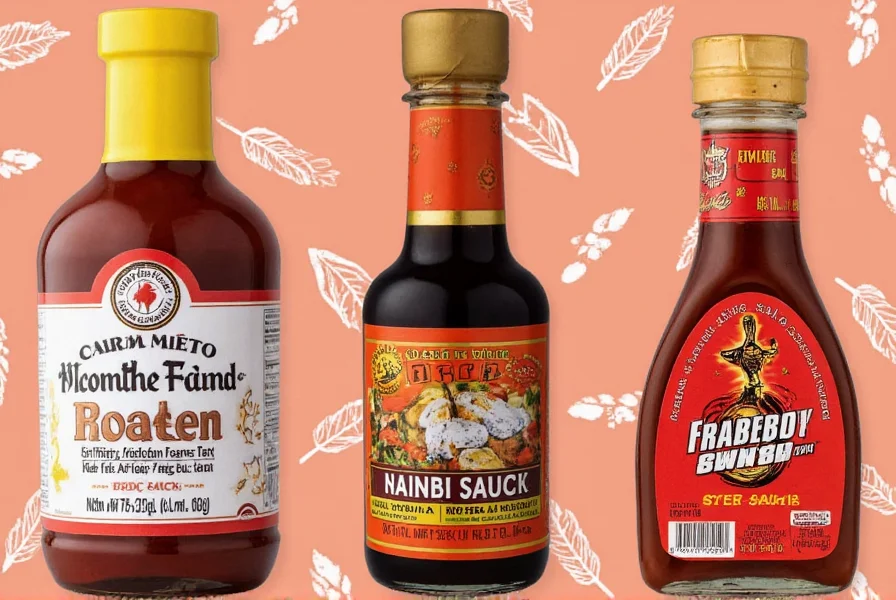
Comparison Table: Top Korean BBQ Sauces Side by Side
| Name | Flavor Profile | Heat Level | Best For | Vegan/GF Options |
|---|---|---|---|---|
| O’Food | Sweet & Balanced | Low | Beginners, Chicken, Beef | No |
| Bibigo | Authentic & Savory | Low | Traditionalists, Pork | No |
| Johnny’s | Spicy & Bold | Medium | Beef, Bratwurst, Tacos | No |
| Korean House | Umami-Rich | Low | Pork, Stir-fries | No |
| Kikkoman | Classic & Reliable | Low | Grilled Chicken, Noodles | No |
| Sweet Tree | Nutty & Mildly Sweet | Low | Vegetables, Seafood, Vegan Dishes | Yes |
| DIY Gochujang Mix | Customizable Heat & Depth | High | Experienced Grinders, Homemade Projects | Yes |
Buying Guide: How to Choose the Right Korean BBQ Sauce
With so many options available, how do you pick the one that’s right for your kitchen? Here are a few factors to consider when shopping for Korean BBQ sauce:
1. Flavor Preferences
- Sweet Lovers: Look for labels that mention “sweet,” “mild,” or include honey or brown sugar in the ingredients.
- Spice Enthusiasts: Go for sauces labeled “spicy,” “hot,” or those that list gochujang or red pepper flakes prominently.
- Health-Conscious: Check for vegan, gluten-free, low-sodium, or organic certifications.
2. Cooking Style
- Grilling: Thicker sauces tend to caramelize better on the grill.
- Marinating: Liquid-based sauces penetrate meat faster for deeper flavor.
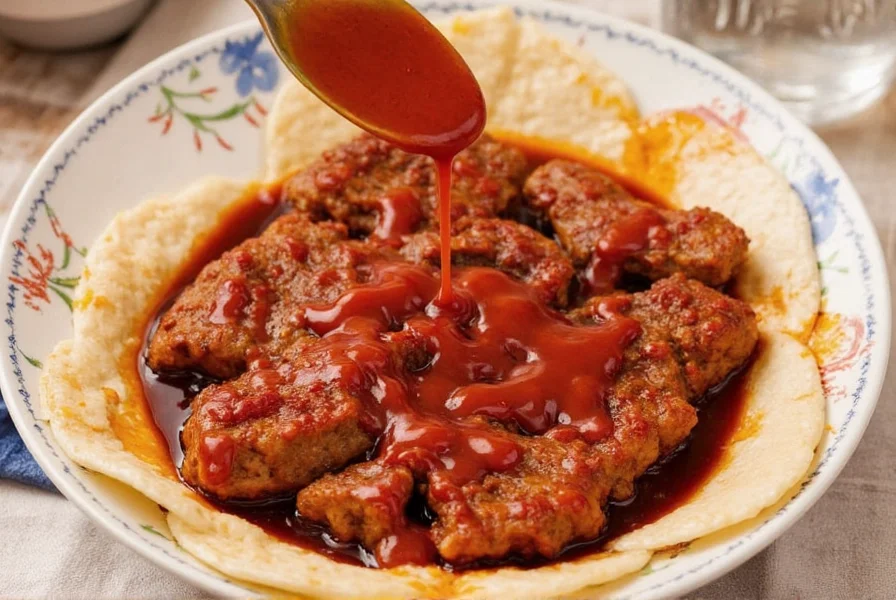
- Dipping: Slightly thinner consistency works better for drizzling or dipping skewers.
3. Ingredient Transparency
Check the ingredient label. High-quality Korean BBQ sauces often include real garlic, ginger, sesame oil, and minimal preservatives. Avoid overly processed additives if possible.
4. Brand Reputation
Stick to well-known brands unless you’re trying something new and adventurous. Trusted names like Bibigo, Kikkoman, and Johnny’s rarely disappoint.
Pro Tips for Using Korean BBQ Sauce Like a Pro
You don’t have to be a Korean chef to use these sauces like a pro. Here are some easy but effective hacks:
Tip #1: Marinate for Maximum Flavor
For best results, marinate your meat for at least 30 minutes—preferably overnight. This gives the flavors time to infuse deeply into the protein.
Tip #2: Use as a Glaze During Grilling
Apply the sauce during the last few minutes of grilling to prevent burning. This creates a glossy, caramelized finish that enhances both look and taste.
Tip #3: Dilute for Stir-Fries or Drizzle
Mix a bit of water or vinegar into your sauce to thin it out for stir-fries, wraps, or rice bowls.
Tip #4: Layer Flavors with Garlic & Sesame
Add freshly minced garlic and toasted sesame seeds or oil for an extra depth of flavor that takes your dish from good to gourmet.
Tip #5: Try It Cold — Yes, Really!
Some people love using Korean BBQ sauce as a cold condiment for sandwiches or lettuce wraps. Just keep in mind it may separate slightly if refrigerated, so give it a quick stir before serving.
Pairing Ideas & Creative Uses Beyond Grilling
While Korean BBQ sauce shines on the grill, its versatility goes far beyond. Here are some creative ways to use it:
- Rice Bowls: Spoon it over steamed rice, topped with veggies, fried egg, and grilled chicken.
- Stir-Fries: Add a splash to your vegetable or tofu stir-fry for a Korean twist.
- Sliders & Mini Burgers: Brush it onto mini patties or pulled pork for a fusion-style appetizer.
- Popcorn: Toss popcorn with melted butter and a dash of Korean BBQ sauce for a sweet-and-spicy snack.
- Tacos: Swap traditional taco sauce with Korean BBQ for a fusion taco night.
- Soup Boost: A spoonful in your miso or pho broth adds a surprising layer of flavor.

Conclusion
Korean BBQ sauce isn’t just a trend—it’s a versatile flavor powerhouse that deserves a permanent spot in your pantry. Whether you're hosting a backyard barbecue or whipping up a quick dinner on a weeknight, a good Korean BBQ sauce brings depth, richness, and that signature sweet heat that keeps everyone coming back for seconds.
From store-bought favorites like O’Food and Bibigo to homemade blends using gochujang and fresh aromatics, there’s a sauce to suit every taste and cooking style. Don’t forget to experiment with layering flavors, adjusting heat levels, and finding new ways to incorporate it beyond the grill.
So fire up the stove, grab your favorite cut of meat, and let Korean BBQ sauce turn your next meal into a celebration of global spice traditions.




 浙公网安备
33010002000092号
浙公网安备
33010002000092号 浙B2-20120091-4