
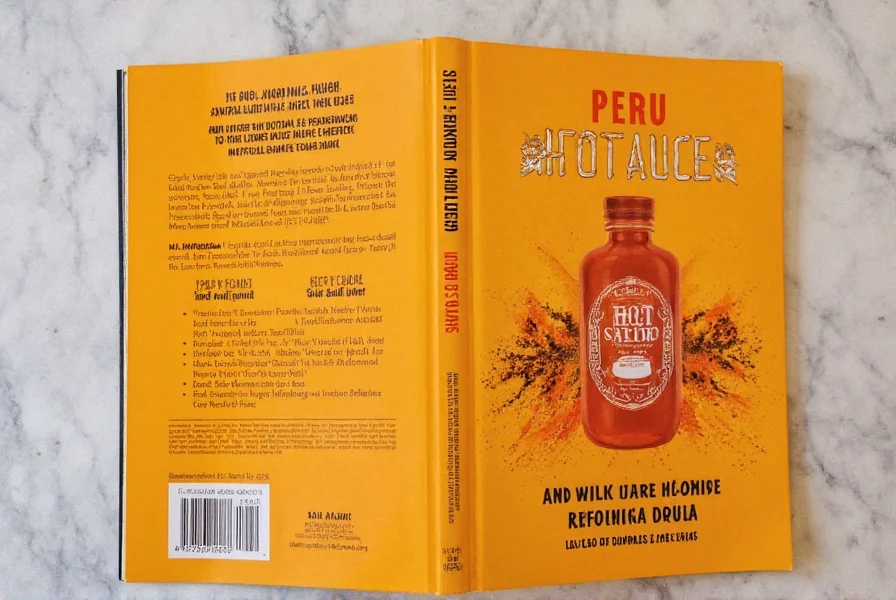
Peru Hot Sauce: A Flavorful Journey Through South American Spice Traditions
Spices are the soul of many global cuisines, and nowhere is this more evident than in the vibrant traditions of Peru. Among the many fiery delights that Peru has to offer, Peru hot sauce stands out as a must-try for spice lovers. This article takes you on a flavorful adventure through the world of Peruvian hot sauces, exploring their history, types, and how to use them in your kitchen.
Table of Contents
- The History of Peru Hot Sauce
- Types of Peru Hot Sauce You Should Know
- How to Use Peru Hot Sauce in Your Cooking
- Top 5 Peru Hot Sauces to Try Today
- Buying Guide: How to Choose the Right Peru Hot Sauce
- Conclusion
The History of Peru Hot Sauce
Peru’s culinary heritage is deeply rooted in its geography and cultural diversity. The Andes, Amazon, and coastal regions each contribute unique ingredients and cooking techniques. One of the most iconic elements of Peruvian cuisine is the use of Peru hot sauce, which has evolved over centuries from simple chili-based condiments to complex, flavor-packed sauces.
The origins of Peru hot sauce can be traced back to indigenous communities who used local peppers such as ají amarillo (yellow chili) and aji rocoto (spicy red chili) to enhance the taste of their meals. Over time, these traditional recipes were refined by chefs and home cooks alike, leading to the creation of modern varieties like salsa criolla and salsa de ají.
Types of Peru Hot Sauce You Should Know
There are several popular types of Peru hot sauce, each with its own distinct flavor profile and use case. Here are some of the most common ones:
- Salsa de Ají: Made from ground chilies, vinegar, and garlic, this is one of the most widely used hot sauces in Peru. It adds a deep, smoky heat to dishes like ceviche and pisco sour.
- Salsa Criolla: A tangy, refreshing sauce made with onions, tomatoes, and lime juice. While not as spicy as other types, it brings a bright, acidic contrast to rich dishes.
- Picante de Aji: A chunkier version of salsa de ají, often containing whole chili pieces and a bit more spice.
- Aji Amarillo Salsa: A vibrant yellow sauce made from the ají amarillo pepper. It has a fruity, slightly sweet heat and is perfect for marinades or drizzling over grilled meats.
- Chicha Morada: Though not strictly a hot sauce, this purple corn drink often contains chili and is a staple at Peruvian festivals and celebrations.
How to Use Peru Hot Sauce in Your Cooking
One of the best things about Peru hot sauce is its versatility. Whether you're a seasoned chef or just starting out, there are countless ways to incorporate it into your meals:
- Marinating Proteins: Add a few drops of Peru hot sauce to your chicken, fish, or beef before grilling or roasting for an extra kick.
- Dipping Sauce: Serve it alongside empanadas, potatoes, or even fries for a spicy twist.
- Finishing Touch: Drizzle it over soups, stews, or rice dishes to add depth and heat.
- Cocktails: Some Peruvian drinks like pisco sour include a dash of Peru hot sauce for a unique flavor profile.
- Stir-Fries: Mix it into your stir-fry sauces for a bold, spicy flavor.
Top 5 Peru Hot Sauces to Try Today
If you're looking to experience the true flavors of Peru hot sauce, here are five highly recommended options:
- Peruano Original Salsa de Ají: A classic choice known for its balanced heat and tangy flavor. Perfect for dipping and cooking.
- Amazonas Aji Amarillo: Made with the rare ají amarillo pepper, this sauce offers a sweet and smoky profile.
- Rocoto Hot Sauce: Made from the spicy rocoto pepper, this sauce delivers a powerful punch and is ideal for those who love intense heat.
- Lima Salsa Criolla: A fresh, citrusy sauce that pairs well with seafood and light dishes.
- Chicha Morada Spicy Version: A sweet and spicy drink that's great for parties and special occasions.
Buying Guide: How to Choose the Right Peru Hot Sauce
With so many options available, choosing the right Peru hot sauce can be overwhelming. Here’s a quick guide to help you make the best choice:
| Feature | Product 1 | Product 2 | Product 3 | Product 4 | Product 5 |
|---|---|---|---|---|---|
| Flavor Profile | Smoky & Tangy | Fruity & Sweet | Spicy & Smoky | Citrusy & Fresh | Sweet & Spicy |
| Heat Level | Moderate | Mild | High | Low | Medium |
| Best For | Dipping & Cooking | Marinades & Dips | Strong Flavors & Grilling | Seafood & Light Dishes | Drinks & Parties |
| Target Audience | General Spicy Lovers | Beginners & Families | Hot Sauce Enthusiasts | Seafood Fans | Party Hosts |

Conclusion
Peru hot sauce is more than just a condiment—it’s a symbol of Peru’s rich culinary tradition and the passion of its people. From the smoky depths of salsa de ají to the vibrant sweetness of ají amarillo, each type tells a story of flavor and culture. Whether you’re cooking for yourself, hosting a dinner party, or simply looking to explore new tastes, Peru hot sauce is a must-have in any spice lover’s kitchen.
So why wait? Grab a bottle of Peru hot sauce today and let your taste buds take a journey to the heart of South America.




 浙公网安备
33010002000092号
浙公网安备
33010002000092号 浙B2-20120091-4