
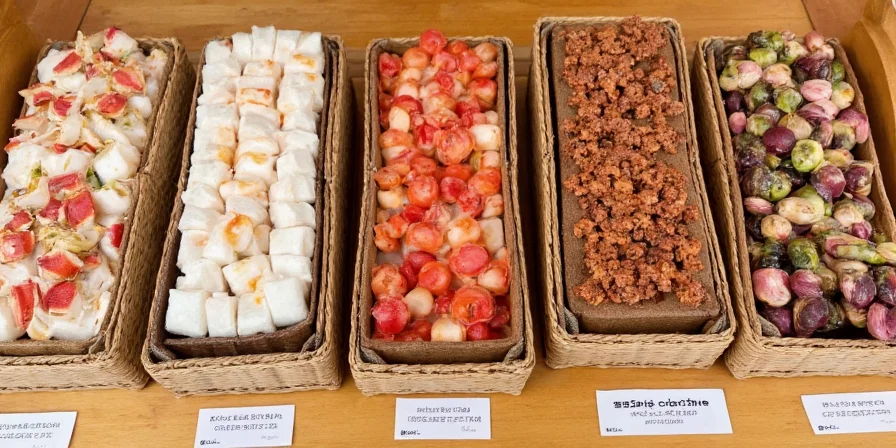
Spice Up Your Life: The Ultimate Guajillo Chili Sauce Recipe (With Secret Tips!) 🌶️
Are you ready to dive into the vibrant world of Global Spice Traditions? If your pantry has ever felt a bit... bland, then it’s time to give your taste buds a fiery wake-up call with this guajillo chili sauce recipe. Whether you're a pro in the kitchen or just starting out with your spice journey, this guide will walk you through everything you need to make a rich, smoky, and perfectly balanced guajillo chili sauce that’ll elevate any dish from meh to magical.
Table of Contents
- Why You’ll Love This Guajillo Chili Sauce
- What Is Guajillo Chili?
- Ingredients You’ll Need
- Step-by-Step Guide to Making Guajillo Chili Sauce
- Pro Tips & Variations
- Creative Ways to Use Guajillo Sauce
- Storage and Shelf Life
- Understanding Heat Levels: From Mild to Wild
- Guajillo in Global Spice Traditions
- Final Thoughts
Why You’ll Love This Guajillo Chili Sauce
Let’s face it—sometimes we get stuck in our cooking rut. Guajillo chili sauce is like the spicy, flavor-packed superhero your kitchen needs. It’s not just hot—it’s complex, fruity, earthy, and a little sweet. Plus, once you learn how to make it, you’ll be reaching for this sauce more often than your salt shaker.
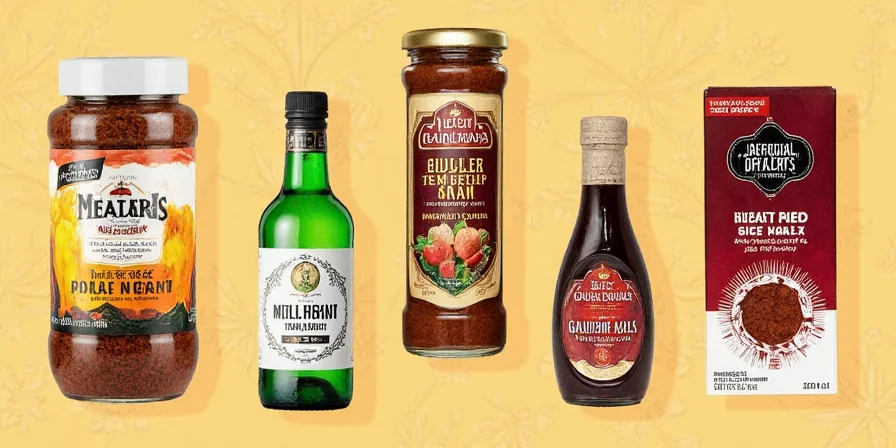
Dried Guajillo Chilies – the star of the show!
What Is Guajillo Chili?
Native to Mexico, the guajillo chili (pronounced gwhy-hee-yo) is a dried version of the mirasol pepper. With a Scoville heat unit (SHU) rating between 2,500–5,000, guajillos pack a mild-to-medium punch. But what really sets them apart is their unique flavor profile: think dark berries, sun-dried tomatoes, and a hint of piney spice.
The Flavor Profile of Guajillo vs. Other Chilies
| Chili Type | Heat Level (SHU) | Flavor Notes | Best For |
|---|---|---|---|
| Guajillo | 2,500–5,000 | Berry-like, smoky, tangy | Sauces, marinades, soups |
| Ancho | 1,000–2,000 | Earthy, raisin-like, sweet | Mole sauces |
| Arbol | 15,000–30,000 | Grassy, nutty, very hot | Salsas, oils |
| Jalapeño | 2,500–8,000 | Fruity, bright, grassy | Stuffed peppers, pickling |
What You’ll Need to Make Guajillo Chili Sauce
Here's the simple list of ingredients you'll want to gather before getting started:
- 6–8 dried guajillo chilies
- 4 garlic cloves
- 2 cups water (or broth for richer flavor)
- 1 tablespoon white vinegar or lime juice
- 1 teaspoon salt (adjust to taste)
- Optional: onion, tomato, olive oil, spices (cumin, oregano)
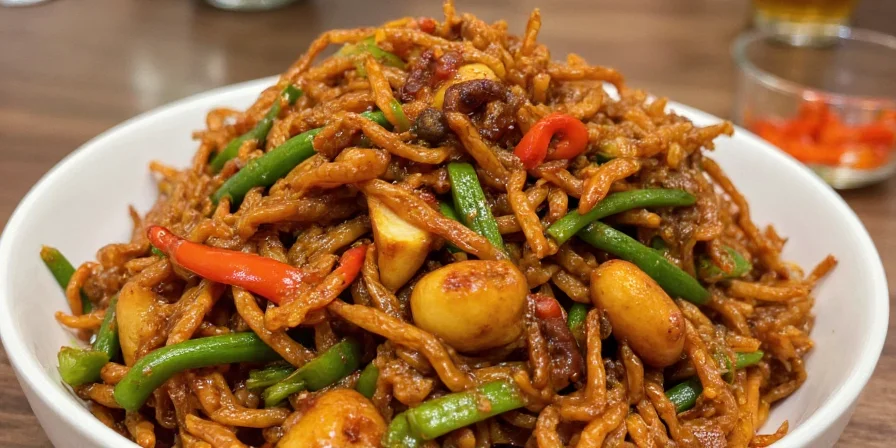
All the essentials for making guajillo chili sauce at home.
Step-by-Step Guide to Making Guajillo Chili Sauce
- Prepare the Chilies: Remove stems and seeds from the dried guajillo chilies. Discard the seeds if you prefer a milder sauce.
- Rid the Char: Toast the chilies in a dry skillet over medium heat for about 2 minutes per side until fragrant and slightly darker. Be careful not to burn them!
- Soak and Soften: Place the toasted chilies in a bowl and pour boiling water over them. Let soak for 20–30 minutes until softened.
- Blend Everything: In a blender, combine soaked chilies, garlic, salt, vinegar, and 2 cups of the soaking liquid. Blend until smooth. Add more water as needed for desired consistency.
- Cook (Optional): For a deeper flavor, cook the sauce in a pan over low heat for 10–15 minutes, stirring occasionally.
- Strain (Optional): Strain the sauce through a fine mesh sieve for a smoother texture if desired.
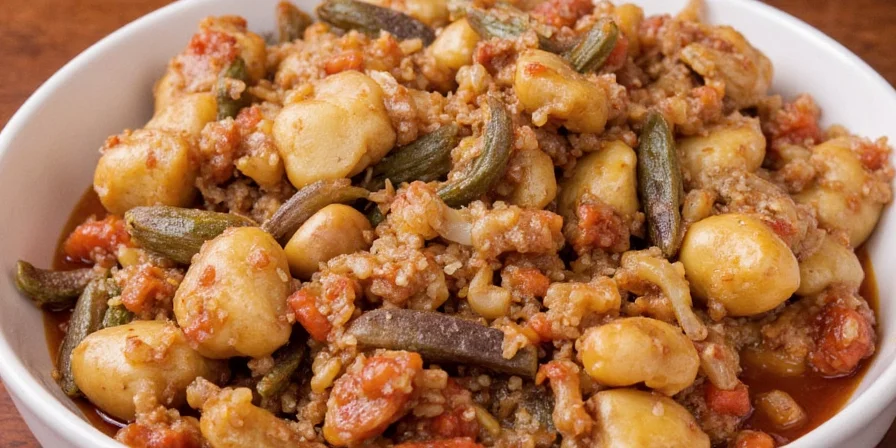
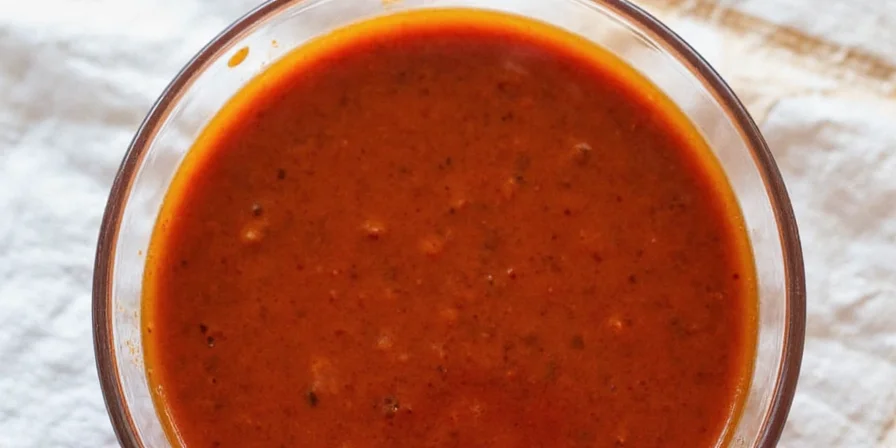
Time to blend those beautiful chilies into a silky-smooth sauce.
Pro Tips & Variations to Make It Your Own
- Add Aromatics: Sauté chopped onion or minced garlic before adding the blended sauce for an extra layer of flavor.
- Tweak the Tang: Swap the vinegar for fresh lime juice for a citrusy zing.
- Spice It Up: Mix in a small amount of arbol or chipotle chili for added kick.
- Smoke It: Add a pinch of smoked paprika or use smoked garlic for a campfire vibe.
- Go Green: Toss in a handful of cilantro or parsley for a fresher twist.
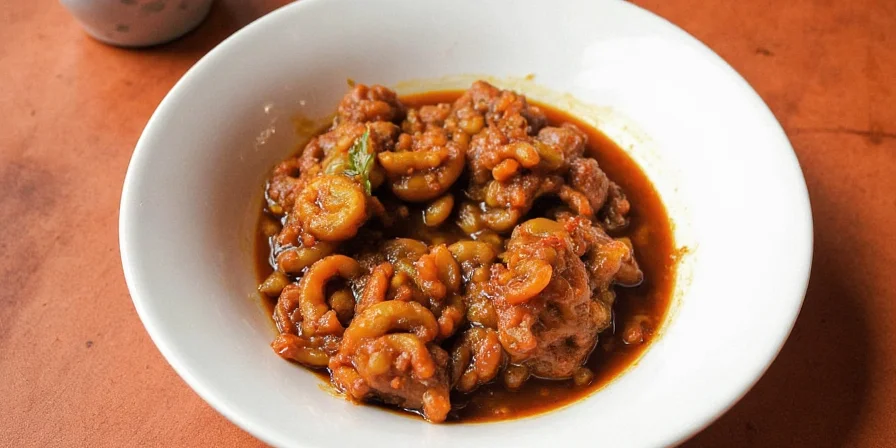
Different variations of guajillo chili sauce using herbs, smoke, and spices.
Creative Ways to Use Guajillo Chili Sauce
Once you’ve made your sauce, don’t limit yourself to tacos! Here are some surprising—and delicious—ways to put guajillo chili sauce to work:
- As a base for enchiladas or tamales
- In place of ketchup on burgers or fries
- Marinade for grilled chicken or steak
- Mixed into scrambled eggs or breakfast burritos
- Drizzled over roasted vegetables or potatoes
- As a dipping sauce for empanadas or taquitas
- Stirred into soups or stews for depth of flavor
From tacos to roasted veggies, guajillo chili sauce shines in many dishes.
Storage and Shelf Life: How Long Does It Last?
Homemade guajillo chili sauce can last in the fridge for up to 2 weeks in a sealed container. For longer storage:
- Freezing: Pour the sauce into ice cube trays and freeze. Once frozen, transfer cubes to a ziplock bag. Use as needed for months!
- Canning: If you’re feeling ambitious, sterilize jars and process the sauce in a water bath for shelf-stable storage (ensure proper canning safety).
- Pickling Brine Substitute: Use leftover sauce in place of vinegar or lemon juice in pickling recipes for a spicy twist.
Understanding Heat Levels: From Mild to Wild
If you're new to the spice game or just curious, here’s a quick breakdown of common heat scales and where guajillo fits in:
| Scoville Scale | Pepper Example | Relative Heat |
|---|---|---|
| 0 SHU | Plain bell pepper | No heat |
| 2,500–5,000 SHU | Guajillo chili | Mild to moderate |
| 15,000–30,000 SHU | Chile de árbol | Hot |
| 500,000–2,200,000 SHU | Carolina Reaper | Superhot |
Adjust the number of chilies and whether you include seeds based on your tolerance. Remember—you can always add more heat later, but you can't take it away once it’s in!
Guajillo in Global Spice Traditions
While guajillo is rooted in Mexican cuisine, its influence stretches far beyond borders. As part of Global Spice Traditions, guajillo’s versatility makes it a perfect candidate for fusion cooking. Think:
- Spicy Italian pasta sauces with guajillo-infused tomato bases
- Thai-inspired curry pastes blending guajillo with lemongrass and coconut
- African stew upgrades by mixing with berbere or ras el hanout
- Japanese-style ramen with a drizzle of guajillo chili oil
- Greek mezze platters featuring guajillo-spiced hummus or tzatziki
This is where tradition meets innovation—so don’t be afraid to experiment!
Final Thoughts
Congratulations! You now have the knowledge, tools, and inspiration to bring the bold flavors of guajillo chili sauce into your everyday cooking. From humble beginnings in the Mexican kitchen to global culinary stardom, this sauce is a testament to the power of Global Spice Traditions.
Whether you stick to the classic method or go wild with your own variations, one thing’s certain: your meals will never be the same again. So grab those dried chilies, fire up the blender, and let your inner spice lover run free!




 浙公网安备
33010002000092号
浙公网安备
33010002000092号 浙B2-20120091-4