
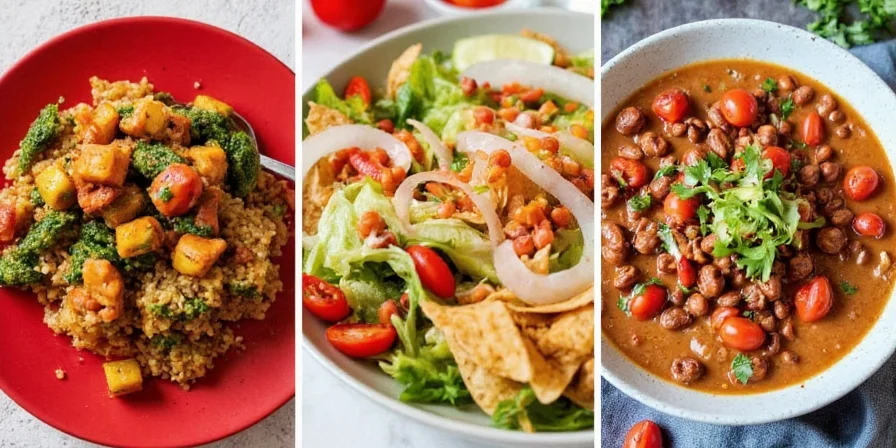
5 Peruvian National Dishes That Will Spice Up Your Culinary World!
When it comes to bold flavors, vibrant ingredients, and a fusion of cultures that spans centuries, few cuisines can match the electric energy of Peruvian food. From the Andean highlands to the Amazon jungle and the Pacific coast, Peru’s national dishes are a delicious celebration of diversity. In this blog post, we’ll dive into five iconic Peruvian dishes that have captured the hearts—and taste buds—of food lovers around the globe.
Why Peruvian Cuisine Is Spicing Up Global Food Culture
Peru isn’t just known for Machu Picchu and ancient civilizations—it's also home to one of the most exciting and underappreciated culinary scenes on the planet. With over 4,000 varieties of potatoes, unique spices like aji amarillo, and influences from Spanish, African, Japanese, and Chinese immigrants, Peruvian cuisine is a global spice lover’s paradise.
1. Ceviche – The Zesty Pride of Peru
- Origin: Coastal regions of Peru
- Main Ingredients: Fresh raw fish, lime juice, red onion, cilantro, chili pepper (aji amarillo), salt
- Spice Level: Mild to medium, depending on chili usage
- Serving Suggestion: Paired with sweet potato slices and corn kernels (choclo)
Ceviche is not just a dish; it’s a lifestyle. This zesty seafood classic relies heavily on the power of citrus to cure the fresh fish, transforming it into a refreshing, tangy masterpiece. The secret weapon? Aji amarillo, a yellow chili pepper native to Peru that delivers fruity heat without overwhelming your palate.
Pro Tip:
To achieve authentic ceviche flavor, always use freshly caught white fish like sea bass or halibut. Marinate it for about 15–20 minutes in freshly squeezed lime juice. Longer marination times will “cook” the fish more, giving it a firmer texture.
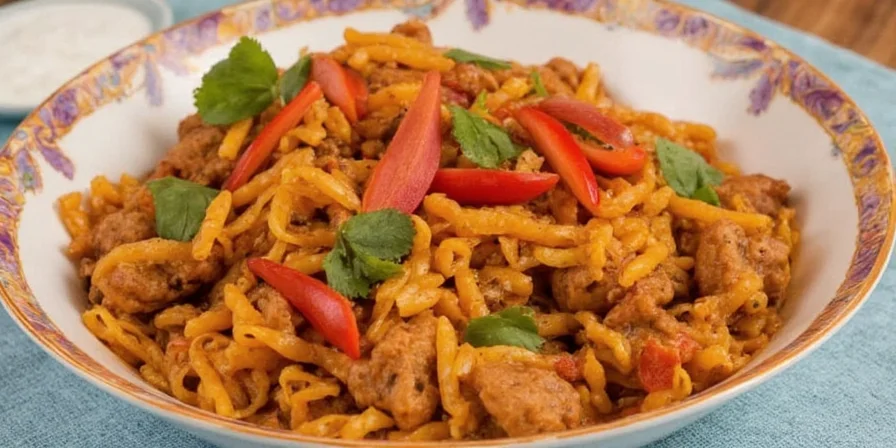
2. Lomo Saltado – Stir-Fry Meets Andean Tradition
- Origin: Lima, influenced by Chinese immigrants (Chifa cuisine)
- Main Ingredients: Sirloin beef, soy sauce, vinegar, tomatoes, onions, aji panca, French fries, cilantro
- Spice Level: Low to mild
- Serving Suggestion: Over rice with a side of fries
Lomo Saltado might look like any other stir-fry, but its roots tell a rich story of cultural fusion. Born from the marriage of Chinese cooking techniques and Peruvian ingredients, this dish features juicy strips of beef tossed in a wok with soy sauce and vinegar, then served with crispy fries and rice—a combo you won't find anywhere else!
Pro Tip:
The key to perfect lomo saltado is high heat and fast cooking. Use a cast iron or carbon steel wok, and don’t skimp on the cilantro—it adds freshness and depth to the overall flavor profile.
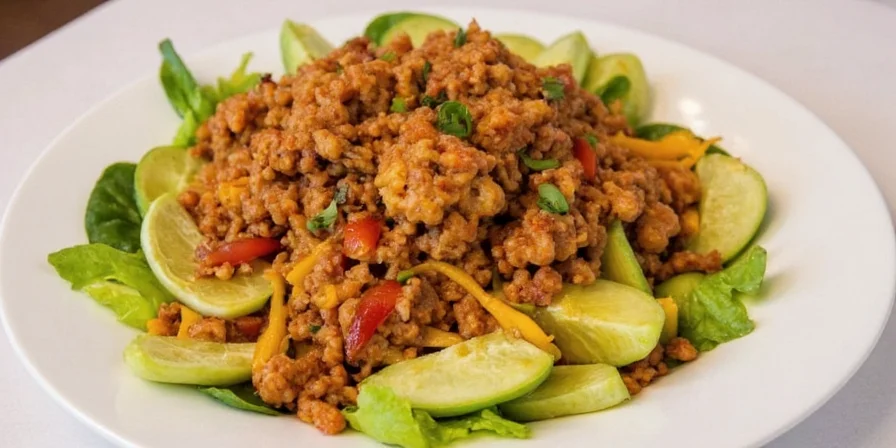
3. Aji de Gallina – Creamy Heat in Every Bite
- Origin: Central Highlands of Peru
- Main Ingredients: Shredded chicken, bread, milk, garlic, pecans, cheese, aji amarillo paste
- Spice Level: Medium (mellowed by creaminess)
- Serving Suggestion: Over rice or with boiled potatoes
If you're looking for comfort food with a spicy twist, Aji de Gallina should be on your radar. It’s rich, mildly spicy, and has a velvety texture thanks to a sauce made from soaked bread, milk, and cheese. The aji amarillo gives it that unmistakable golden hue and gentle warmth that makes you reach for another spoonful.
Pro Tip:
For an extra smooth sauce, blend the soaked bread and milk mixture before adding it to the pot. You can also add a pinch of nutmeg for warmth and complexity.
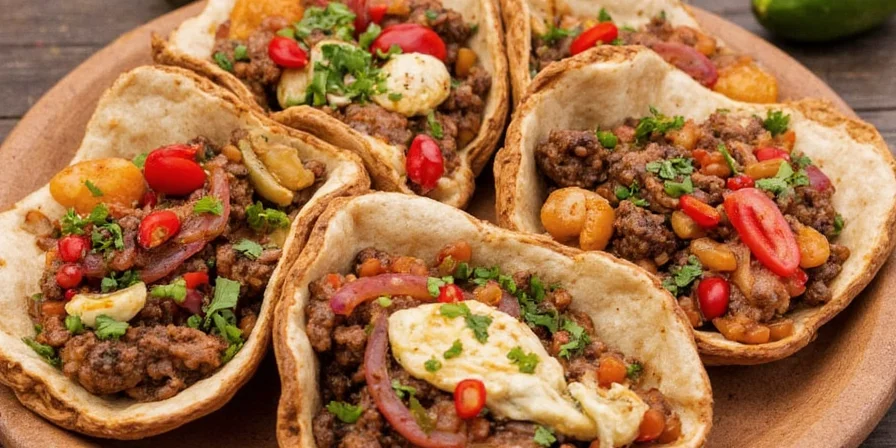
4. Rocoto Relleno – The Fiery Heart of Arequipa
- Origin: Arequipa, southern Peru
- Main Ingredients: Stuffed rocoto pepper, ground beef, raisins, olives, egg, cheese
- Spice Level: High (rocoto is significantly hotter than jalapeño)
- Serving Suggestion: Often served with a dollop of creamy cheese or a cooling salad
Rocoto relleno is not for the faint of heart. The rocoto pepper is as hot as it is beautiful—bright red, shiny, and shaped like a heart. It’s stuffed with a savory-sweet filling of spiced meat, raisins, and olives, then baked and topped with melted cheese.
Pro Tip:
Handle rocoto peppers with gloves! They’re much spicier than bell peppers or jalapeños. If you want to reduce the heat, remove the seeds and inner membrane before stuffing.
5. Anticuchos – The Ancient Skewer with a Kick
- Origin: Colonial-era Peru (fusion of African and Indigenous traditions)
- Main Ingredients: Beef heart skewers, aji panca paste, vinegar, garlic, cumin, oil
- Spice Level: Medium-hot
- Serving Suggestion: Street-style, grilled and served with boiled potatoes or corn
Anticuchos are the OG street food of Peru. These spicy grilled skewers originated during colonial times when enslaved Africans were given offcuts of meat and turned them into something spectacular. Today, they’re beloved nationwide, especially during festivals and fairs.
Pro Tip:
Soak the skewers in water for at least 30 minutes before grilling to prevent burning. For a smoky twist, grill over charcoal rather than gas.
Comparing the Spice Profiles of Peru’s Top 5 National Dishes
| Dish | Main Pepper Used | Heat Level (Scoville Scale Approx.) | Flavor Profile |
|---|---|---|---|
| Ceviche | Aji Amarillo | 30,000 - 50,000 SHU | Fruity, citrusy, bright |
| Lomo Saltado | Aji Panca | 1,000 - 2,000 SHU | Smoky, sweet, earthy |
| Aji de Gallina | Aji Amarillo | 30,000 - 50,000 SHU | Creamy, slightly spicy, nutty |
| Rocoto Relleno | Rocoto | 100,000 - 250,000 SHU | Intense heat, floral, fruity |
| Anticuchos | Aji Panca | 1,000 - 2,000 SHU | Earthy, smoky, garlicky |
Bonus: Must-Have Peruvian Spices for Your Kitchen
If you're inspired to bring some Peruvian magic into your own kitchen, here are the must-have spices and ingredients to get started:
- Aji Amarillo Paste – Essential for ceviche, aji sauces, and stews
- Aji Panca Paste – Adds a deep, smoky sweetness to marinades and sauces
- Chicha Morada – Purple corn drink used for flavoring desserts and beverages
- Annatto Seeds – Gives meats and rice their signature orange-red hue
- Peruvian Oregano – Stronger and more fragrant than Mediterranean oregano
Pro Tip:
You can often find frozen or jarred aji amarillo in Latin American grocery stores or online. If unavailable, substitute with habanero peppers mixed with mango or papaya to mimic the fruity heat.
In Conclusion: Spice Up Your Life with Peru’s Flavors
Peru’s national food scene is a masterclass in how to balance tradition with innovation, heat with sweetness, and history with modern flair. Whether you're a professional chef or a curious home cook, these dishes offer endless opportunities to experiment with new flavors and spice combinations.
From the zesty bite of ceviche to the fiery embrace of rocoto relleno, each dish tells a story of resilience, creativity, and love. So grab your apron, stock up on aji amarillo, and let Peru take center stage on your dinner table.
Ready to Explore More?
Stay tuned for more articles on global spice traditions and how different cuisines turn humble ingredients into unforgettable experiences. ¡Buen provecho!




 浙公网安备
33010002000092号
浙公网安备
33010002000092号 浙B2-20120091-4