
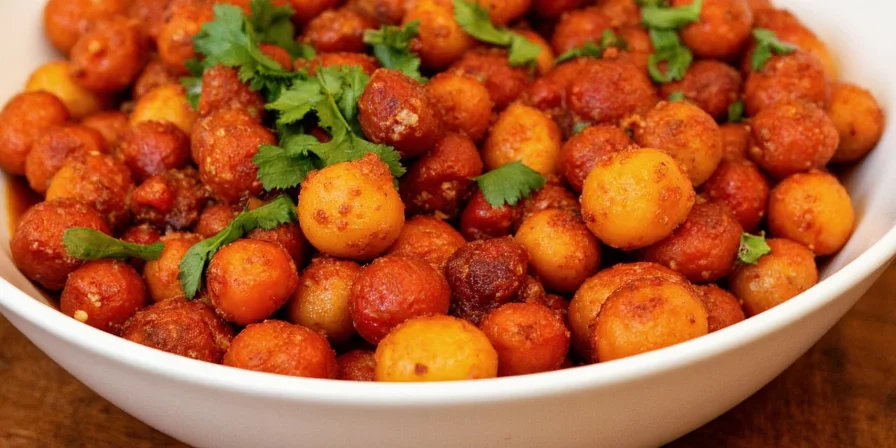
Spice Up Your Life: 7 Must-Try Spicy Hispanic Dishes That Will Blow Your Mind!
If you're ready to set your taste buds on fire — in the best possible way — then buckle up, because we’re diving into the sizzling world of spicy Hispanic food. From Mexico’s legendary habaneros to Argentina’s smoky chimichurri, Latin America has been perfecting the art of heat and flavor for centuries. Whether you're a seasoned spice pro or just starting your journey into Global Spice Traditions, this list will leave you reaching for both your fork and your fan.
Table of Contents
- Introduction to Hispanic Heat
- Top 7 Spicy Hispanic Dishes You Need to Try
- Understanding the Heat: A Handy Spice Level Guide
- Pro Tips to Handle the Heat Like a Local
- Conclusion: Ready to Go Spicy?
Introduction to Hispanic Heat
Hispanic cuisines are as diverse as the countries they come from, but one thing they all share is a love affair with spices — especially the ones that bring the heat. From chili-laden stews to fiery table sauces, spiciness is not just a flavor; it’s a culture. The beauty lies in how each region uses local ingredients and ancient spice knowledge to create dishes that pack a punch without masking flavor.
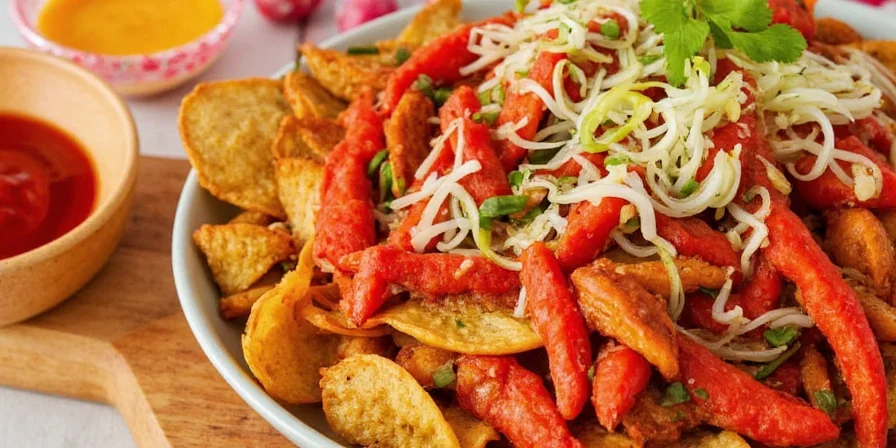
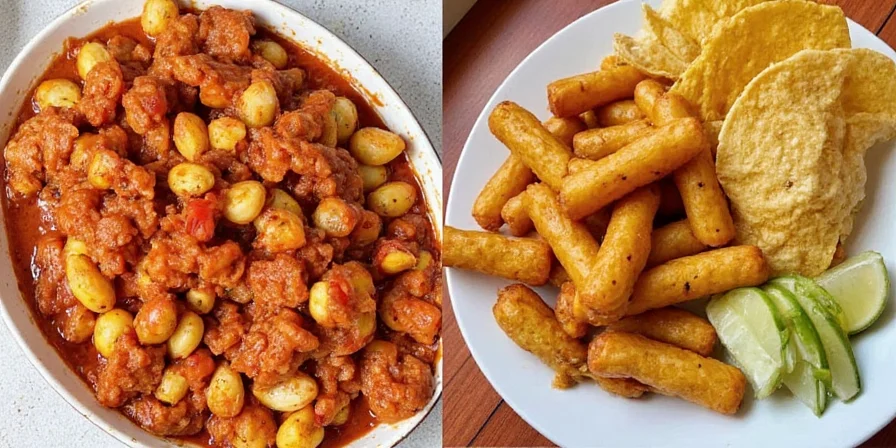
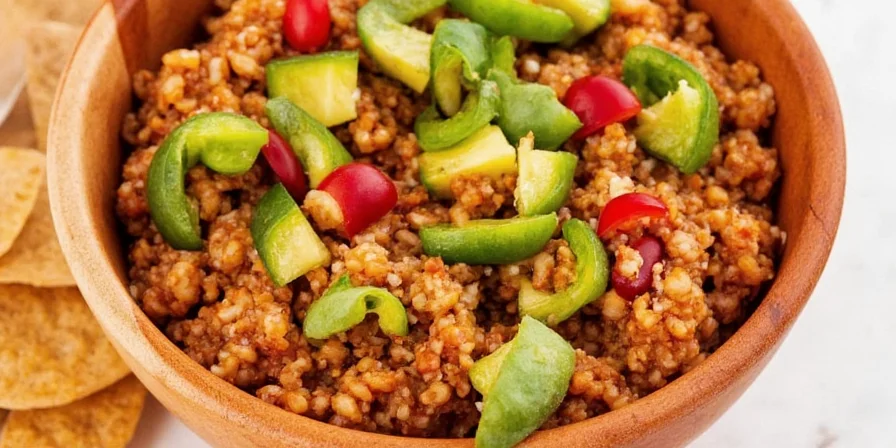
Top 7 Spicy Hispanic Dishes You Need to Try
- Mole Negro (Oaxaca, Mexico): Dark, complex, and mildly spicy, this sauce blends chocolate, chilies, and spices into a symphony of flavor.
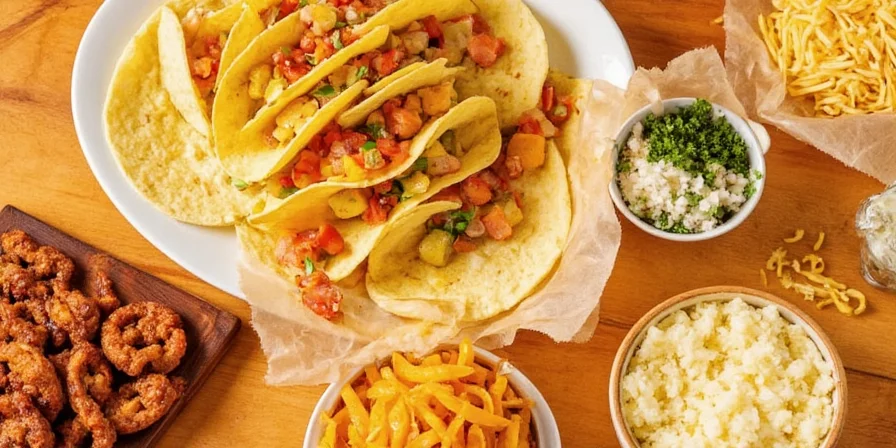
- Birria Tacos (Jalisco, Mexico): Slow-cooked goat or beef in a chili-packed broth that’s so good, you’ll want to dip everything in it.
- Picante de Amarillo (Peru): Made with yellow ají peppers, this creamy sauce adds a tropical twist to grilled meats and ceviche.
- Hallacas (Venezuela): Similar to tamales but loaded with spiced meat and olives, wrapped in plantain leaves and steamed to perfection.
- Chimichurri (Argentina): Smoky, garlicky, and made with dried red peppers, it's the ultimate steak companion.
- Sopa de Picante (El Salvador): A soup that brings together fresh herbs, green chilies, and chicken in a vibrant, aromatic broth.
- Locro (Argentina/Bolivia): A hearty stew full of meat, beans, and a kick of Andean spices that will warm you up even on the coldest days.
| Dish | Origin | Main Spice Used | Heat Level (1-10) |
|---|---|---|---|
| Mole Negro | Oaxaca, Mexico | Chilhuacle chili | 6/10 |
| Birria Tacos | Jalisco, Mexico | Ancho & Guajillo chili | 7/10 |
| Picante de Amarillo | Peru | Ají amarillo | 5/10 |
| Hallacas | Venezuela | Pepper paste | 6/10 |
| Chimichurri | Argentina | Capsicum-based dried pepper | 4–8/10 (adjustable) |
| Sopa de Picante | El Salvador | Green chili | 5/10 |
| Locro | Argentina/Bolivia | Andean chili blend | 6–7/10 |

Understanding the Heat: A Handy Spice Level Guide
One of the most fascinating aspects of Global Spice Traditions is the way different cultures handle heat. While some go straight for the burn, others use it more like a whisper in the background. Here's a quick guide to help you understand what you're getting into:
- Mild Heat (1–3/10): Think of dishes that have a subtle warmth, like Peruvian lomo saltado served with a light pepper sauce.
- Moderate Heat (4–6/10): This is where most traditional Hispanic dishes fall — flavorful, slightly fiery, and very satisfying. Perfect for those new to the spice game.
- Hot & Bold (7–9/10): These are the real scorcher zone dishes. Perfect for adrenaline junkies who crave that endorphin rush from eating something seriously spicy.
- Scoville Scale Extremes (10+/10): For the daredevils among us! Habanero-based salsas and ghost pepper-infused mole may be too much for some, but legends are made here.
Pro Tips to Handle the Heat Like a Local
So, you’ve decided to dive headfirst into the world of spicy Hispanic food, but maybe your mouth isn’t quite ready for the challenge? Don’t worry — here are some insider tricks used by locals across Latin America to manage the burn while still enjoying every bite:
- Pair It With Dairy: Milk, sour cream, or even a tangy queso fresco can neutralize capsaicin and cool things down.
- Go With Carbs: Rice, tortillas, or bread can absorb some of the heat and give your palate a break.
- Sip Something Sweet: A sugary horchata or a mango smoothie works wonders against spice overload.
- Don't Reach for Water: Contrary to popular belief, water spreads the heat rather than dilutes it. Stick with dairy or starch instead!
- Add Acid: A squeeze of lime or lemon can balance out intense spiciness and brighten the whole dish.
Conclusion: Ready to Go Spicy?
Whether you're chasing flavor, tradition, or just that addictive burning sensation, spicy Hispanic food offers something for everyone. From rich moles to fiery salsas, the diversity and depth of Global Spice Traditions in Latin America make it a culinary playground worth exploring. So grab a spoon, brace yourself, and enjoy the ride — your next favorite dish might just be one chili away!




 浙公网安备
33010002000092号
浙公网安备
33010002000092号 浙B2-20120091-4