
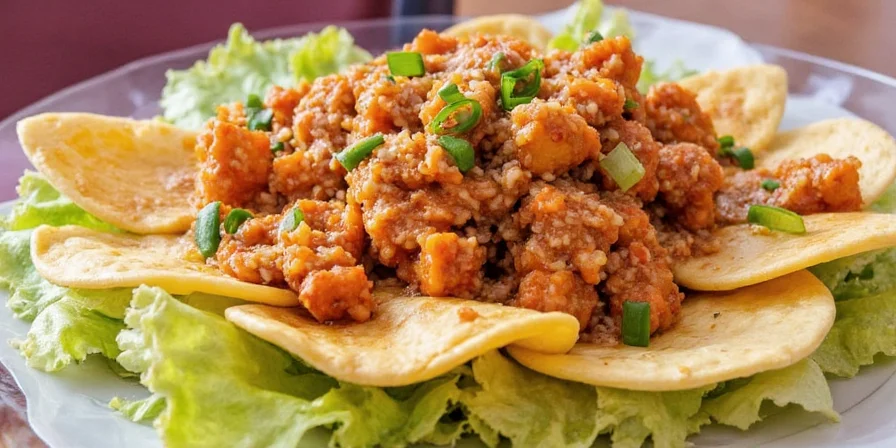
Spice, Heat, and Heart: 7 Brazilian Dishes That Will Make Your Taste Buds Samba!
Brazil is a country known for its rhythm, color, and yes — its bold flavors. When it comes to food, Brazilians know how to bring the heat without losing the harmony. From street food to regional specialties, this is a land where spices aren't just an afterthought — they're part of the cultural DNA.
In this article, we’ll explore seven iconic Brazilian dishes that will make you want to dance, drool, and maybe reach for a cold coconut water all at once.
Table of Contents
- Feijoada: The Black Bean Powerhouse
- Moqueca: A Seafood Symphony from Bahia
- Acarajé: Fried Street Food with African Roots
- Vinaigrette Brasileira: Spice Meets Crunch
- Buchada de Bode: For the Bold and Brave
- Pamonha: Corn-y Sweet or Savory?
- Farofa: Toasted Perfection on Every Plate
- Spice Level Comparison Chart
- Pro Tips for Handling the Heat
- Conclusion: Brazil’s Flavor Fiesta Never Ends
Feijoada: The Black Bean Powerhouse
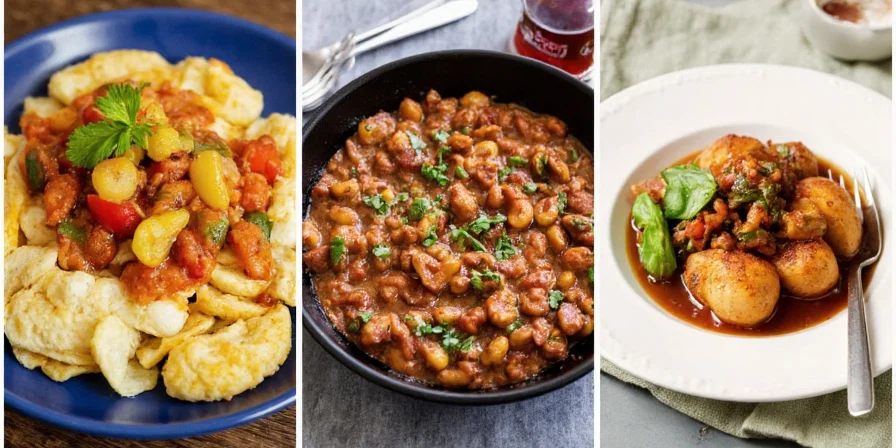
If you had to choose one dish that defines Brazilian comfort food, Feijoada would be it. This hearty stew of black beans, pork, beef, and sausage is slow-cooked to perfection and packed with flavor.
- Key spice: Bay leaf and garlic are the backbone of this dish.
- Heat level: Mild to moderate (can be amped up with chili)
- Fun fact: It’s traditionally served on Wednesdays and Saturdays, accompanied by rice, collard greens, and orange slices.
Moqueca: A Seafood Symphony from Bahia
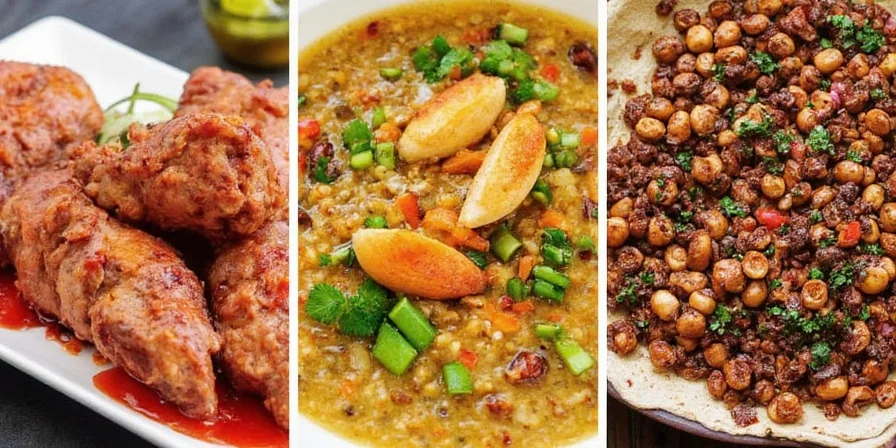
Hailing from Bahia, Moqueca is a fragrant seafood stew cooked in coconut milk and palm oil. This dish screams tropical vibes and packs a spicy punch thanks to malagueta peppers.
- Key spice: Palm oil gives it that distinctive red hue and earthy aroma; malagueta pepper brings the fire.
- Heat level: Moderate to hot
- Tip: Serve with farofa and white rice to balance the richness.
Acarajé: Fried Street Food with African Roots
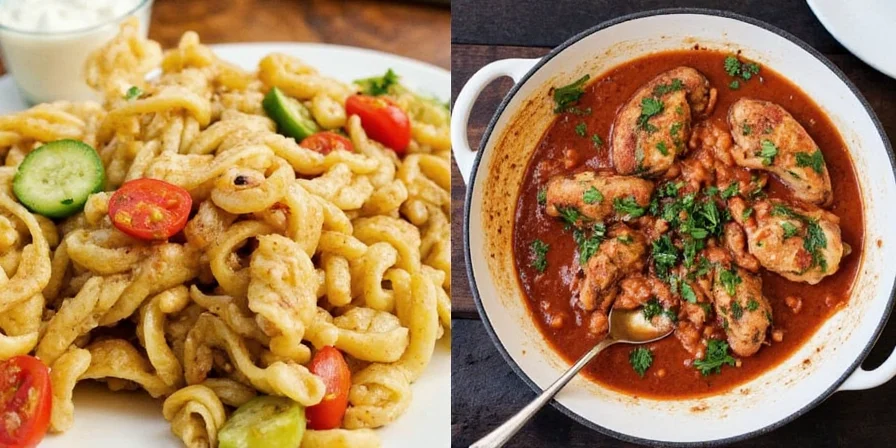
A symbol of Afro-Brazilian heritage, Acarajé are deep-fried balls filled with dried shrimp, onion, and salt. Spicy optional additions like pepper sauce can really turn up the heat.
- Key spice: Onion and optional malagueta pepper sauce
- Heat level: Mild (customizable)
- Serving suggestion: Grab one fresh off the fryer from a Bahian street vendor — pure bliss!
Vinaigrette Brasileira: Spice Meets Crunch
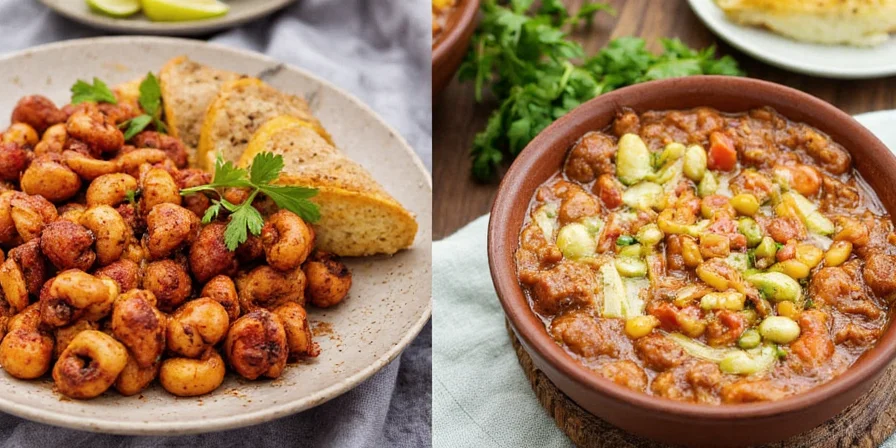
This isn’t your average salad. Vinaigrette Brasileira combines tomatoes, onions, bell peppers, olive oil, vinegar, and sometimes chili for a tangy, crunchy side that adds zing to any meal.
- Key spice: Vinegar, black pepper, and optional chili
- Heat level: Mild
- Pro tip: Pair it with grilled meats or feijoada for extra texture and brightness.
Buchada de Bode: For the Bold and Brave
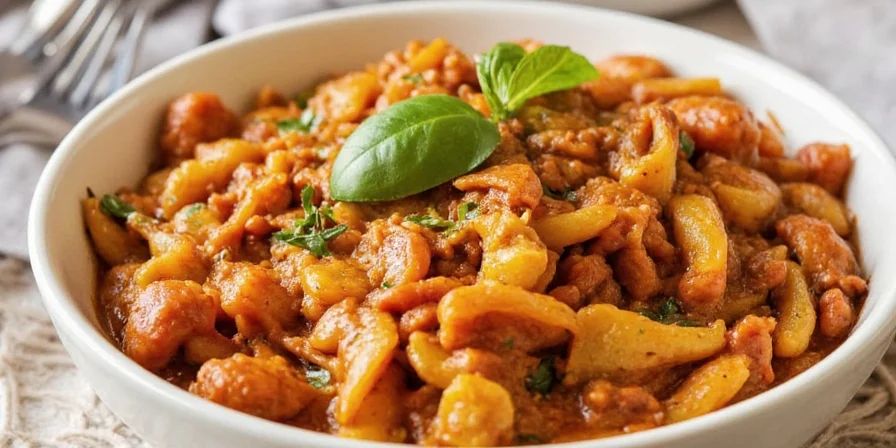
Hailing from the Northeast, particularly Pernambuco and Ceará, Buchada de Bode is goat meat seasoned with garlic, herbs, and spices, then stuffed into the animal's stomach and roasted.
- Key spice: Garlic, coriander, and black pepper
- Heat level: Mild to moderate
- Warning: Not for the faint-hearted but deeply loved by locals.
Pamonha: Corn-y Sweet or Savory?
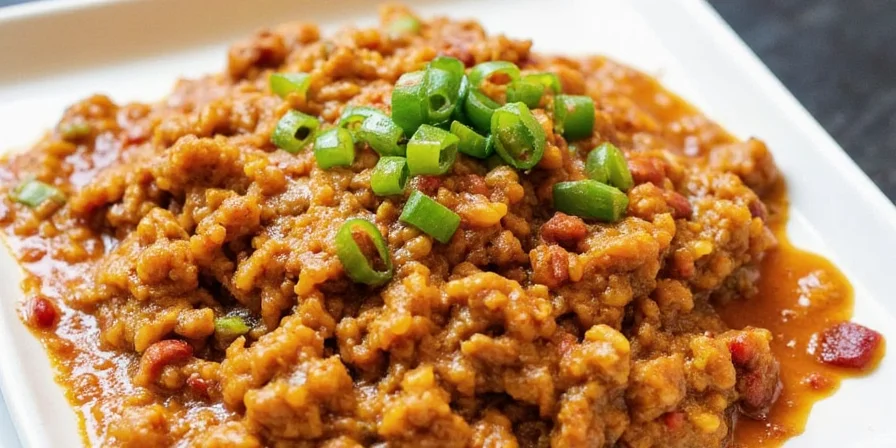
Pamonha is a traditional dish made from fresh corn, wrapped in husks and steamed. While typically sweet, it often appears in savory versions spiced up with cheese, butter, and even chili flakes.
- Key spice: Cheese, chili flakes (optional), salt
- Heat level: Mild
- Best time to eat: During June festivals (Festas Juninas)
Farofa: Toasted Perfection on Every Plate
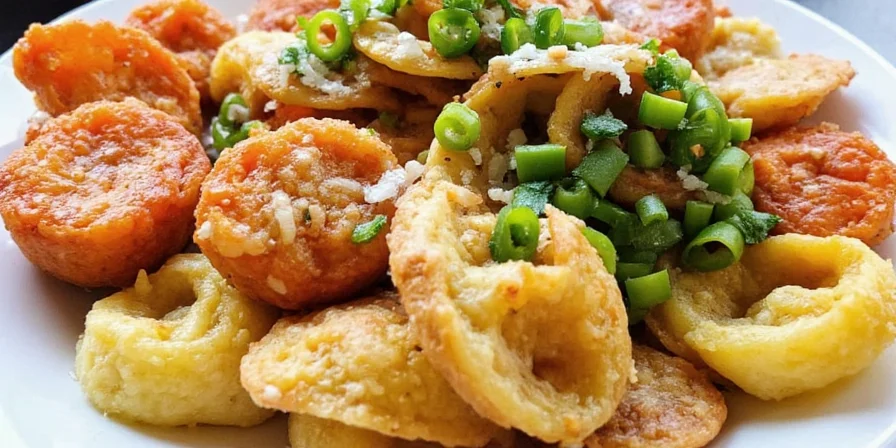
No Brazilian plate is complete without a sprinkle of Farofa — toasted cassava flour that adds crunch and a slightly nutty flavor. Often sautéed with bacon, onion, and garlic, some recipes kick it up with hot peppers.
- Key spice: Garlic, onion, and optional chili
- Heat level: Mild to moderate
- Pair with: Feijoada, moqueca, grilled fish — basically everything!
Spice Level Comparison Chart
| Dish | Base Flavor | Key Spices | Heat Level (1-5) | Best For |
|---|---|---|---|---|
| Feijoada | Earthy, rich | Bay leaf, garlic | 2 | Comfort lovers |
| Moqueca | Coconutty, seafood-forward | Palm oil, malagueta | 4 | Seafood & spice lovers |
| Acarajé | Crispy, savory | Onion, pepper sauce | 3 | Street food adventurers |
| Vinaigrette | Tangy, crunchy | Vinegar, chili | 2 | Salad enthusiasts |
| Buchada de Bode | Gamey, rustic | Garlic, coriander | 2.5 | Adventurous eaters |
| Pamonha | Sweet/savory corny | Chili, cheese (optional) | 1–2 | Festival food fans |
| Farofa | Toasty, nutty | Garlic, chili | 1–3 | All-round complement |
🔥 Pro Tips for Handling the Heat
- Milk it: Dairy neutralizes capsaicin, so grab a spoonful of yogurt or a glass of milk if things get too spicy.
- Rice rocks: A few bites of plain white rice can cool things down quickly.
- Don’t drink water: Water spreads the heat — stick to dairy or starchy foods instead.
- Know your peppers: Malagueta is Brazil’s go-to chili. Learn its heat profile (around 50,000–100,000 SHU) and use wisely.
- Adjust gradually: Add spice slowly when cooking — it’s easier to add more than to fix an overly spicy pot.
Conclusion: Brazil’s Flavor Fiesta Never Ends
Brazilian cuisine is a celebration of bold flavors, diverse influences, and a love for spice that’s rooted in history and culture. Whether you’re digging into a bowl of Feijoada, savoring the fiery Moqueca, or snacking on Acarajé, each dish tells a story — one of African roots, Portuguese colonization, and indigenous traditions.
So next time you're looking to spice up your dinner routine, don’t forget Brazil. After all, as they say in Rio: "Comida boa é comida com gosto!" (Good food is food with taste!)
Keep your pantry stocked with garlic, bay leaves, palm oil, and malagueta — and let the Brazilian culinary carnival begin!




 浙公网安备
33010002000092号
浙公网安备
33010002000092号 浙B2-20120091-4