
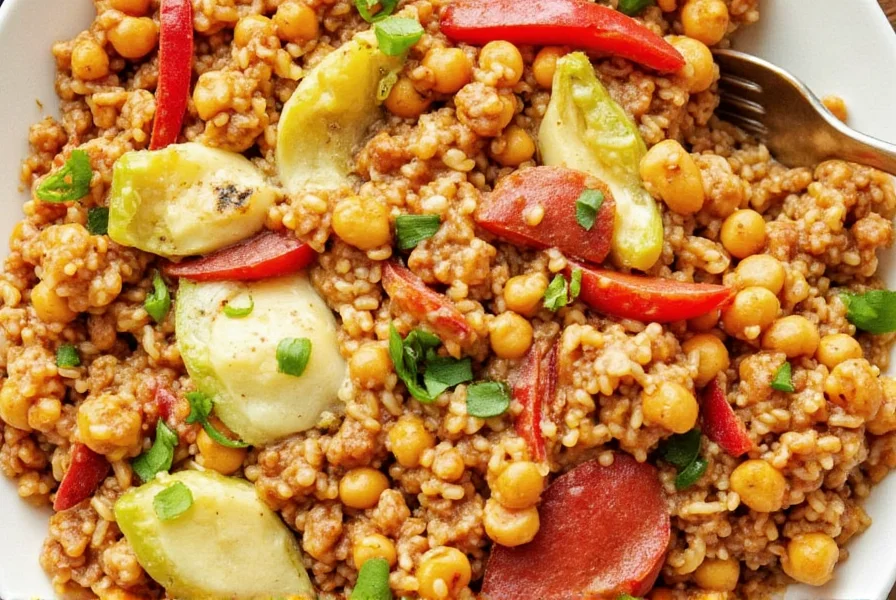
Spice Secrets: The 7 Must-Know Jambalaya Sauces for Every Palate
Jambalaya sauce is more than just a condiment—it’s the heart of a beloved Southern classic. Whether you're cooking Creole-style or Cajun-spiced jambalaya, the sauce you choose can elevate your dish from simple to sublime. But with so many options on the market and endless homemade variations, how do you know which one’s right for you?
Table of Contents
- What Exactly Is Jambalaya Sauce?
- Top 7 Commercial Jambalaya Sauces
- How to Make Your Own Jambalaya Sauce at Home
- Buying Guide for Jambalaya Sauce
- Pairing Jambalaya Sauce with Other Dishes
- Final Thoughts: Spice Up Your Life with the Right Jambalaya Sauce
What Exactly Is Jambalaya Sauce?
Jambalaya sauce is a rich, spiced tomato-based blend that forms the backbone of most jambalaya recipes. While the exact ingredients vary by region, the key elements usually include tomatoes, onions, celery, bell peppers (the "Holy Trinity" of Cajun cuisine), garlic, paprika, cayenne, thyme, and sometimes even a dash of hot sauce or Worcestershire.
The sauce delivers a savory depth of flavor, with layers of heat and spice that complement proteins like chicken, sausage, shrimp, or all three!
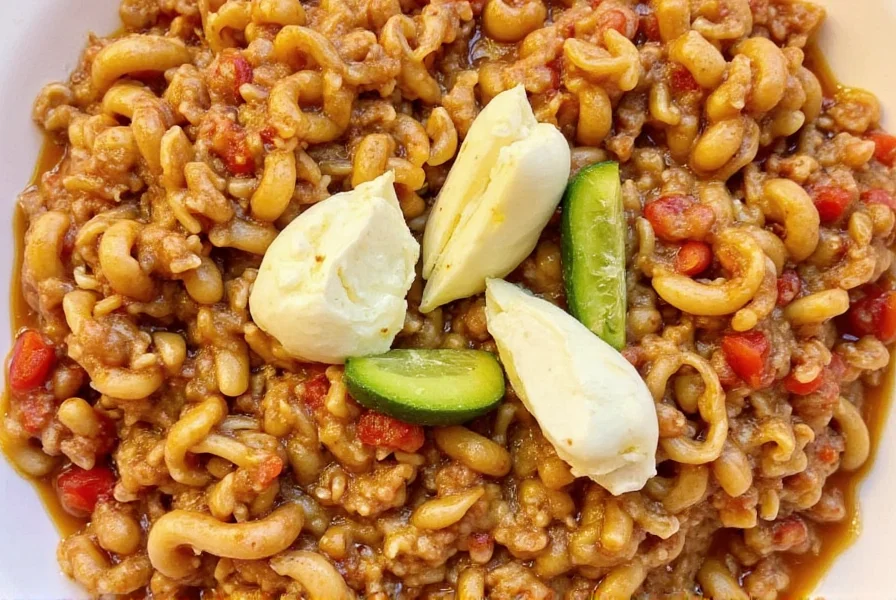
Top 7 Commercial Jambalaya Sauces
If making your own sauce feels too time-consuming, no worries—you can still get that authentic taste from store-bought versions. Here are our top picks:
- Zatarain’s Jambalaya Mix (Sauce Included) – Perfect for quick prep, includes a ready-made seasoning blend.
- Old Bay Jambalaya Seasoning Blend – Offers bold spice with subtle sweetness, great for seafood lovers.
- Cajun Chef Red Beans & Rice Seasoning (used as base) – A versatile option that doubles as a base for multiple dishes.
- Tony Chachere's Original Creole Seasoning – Not a sauce per se, but essential in creating your own signature jambalaya flavor profile.
- Kaliope Foods Cajun Jambalaya Paste – Thick, rich paste ideal for slow cookers or pressure pots.
- Mother’s Original Hot Jambalaya Sauce – For those who love it spicy! Excellent heat level without overpowering other flavors.
- Louisiana Gold Spicy Jambalaya Base – Balanced heat, rich umami—ideal for beginners and pros alike.

Comparison Table: Store-Bought Jambalaya Sauces
| Brand | Type | Heat Level | Flavor Notes | Best For |
|---|---|---|---|---|
| Zatarain’s | Dry mix + seasoning packet | Mild-Medium | Classic, balanced | Quick meals, family dinners |
| Old Bay | Seasoning blend | Medium | Savory, slightly sweet | Seafood jambalaya |
| Cajun Chef | Paste-like seasoning | Medium-Hot | Smoky, deep | Versatile use |
| Tony Chachere's | Dry seasoning | Medium | Herb-forward | Custom sauces |
| Kaliope Foods | Thick paste | Hot | Rich, complex | Slow-cooked dishes |
| Mother’s Original | Wet sauce | Very Hot | Bold, fiery | Heat lovers |
| Louisiana Gold | Base/jarred sauce | Medium-Hot | Umami-rich, tangy | All-purpose use |
How to Make Your Own Jambalaya Sauce at Home
Want full control over flavor and spice? Making your own jambalaya sauce is surprisingly easy and incredibly rewarding. Here’s a basic recipe you can tweak to suit your tastes:
Homemade Jambalaya Sauce Recipe
- 2 tbsp olive oil
- 1 onion, finely chopped
- 1 green bell pepper, diced
- 2 celery stalks, sliced
- 4 cloves garlic, minced
- 2 tbsp tomato paste
- 1 tsp smoked paprika
- ½ tsp cayenne pepper (adjust to taste)
- 1 tsp dried thyme
- 1 tsp Worcestershire sauce
- 1 (14 oz) can crushed tomatoes
- Salt & black pepper to taste
- Optional: Tabasco or hot sauce, bay leaves, dried mushrooms for umami
Instructions:
- Heat oil in a large pot over medium heat.
- Add onion, bell pepper, and celery; sauté until softened (~5–7 minutes).
- Add garlic and cook another minute.
- Stir in tomato paste and spices; cook for 2 minutes.
- Add crushed tomatoes and Worcestershire sauce.
- Simmer uncovered for 20–30 minutes, stirring occasionally.
- Season with salt and pepper. Add optional hot sauce or bay leaves for extra kick.
- Blend for smoother texture (optional) or leave chunky for rustic feel.
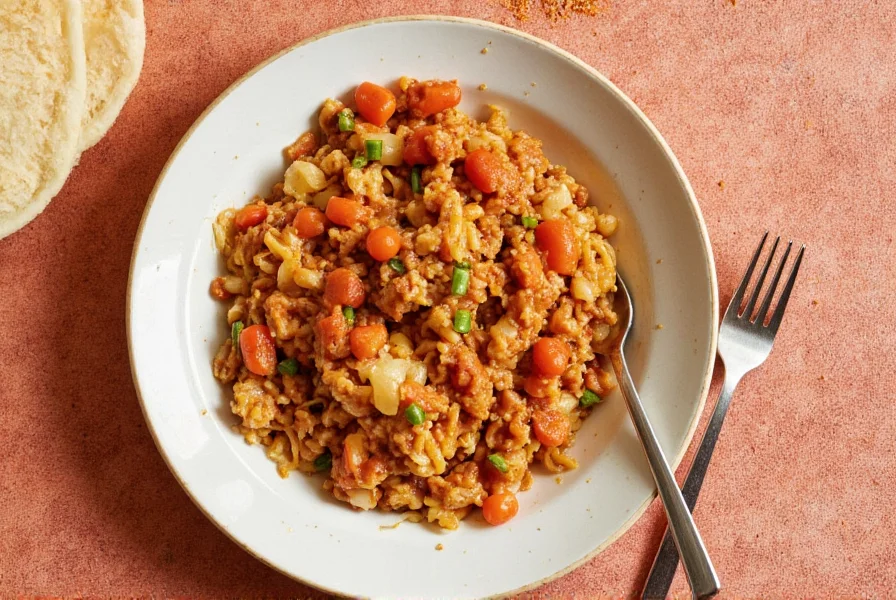
Buying Guide for Jambalaya Sauce
Choosing the right jambalaya sauce depends on several factors. Here’s what to look for when selecting one:
1. Flavor Profile
- Tomato-based: Most traditional jambalaya sauces are tomato-forward. Great for Creole styles.
- Stock-based: Some recipes use broth instead of tomatoes, leaning toward a more Cajun style.
- Spicy vs Mild: Check heat levels. If you're serving kids or milder palates, opt for mild blends.
- Umami-rich: Look for sauces with mushroom powder, soy sauce, or aged vinegar if you crave deeper flavors.
2. Heat Level
- For families or mixed crowds: stick to mild to medium sauces.
- For adventurous eaters or gatherings: go for medium-hot to hot varieties.
3. Consistency
- Thin sauces: Ideal for simmering into rice gradually.
- Thick pastes: Better for concentrated flavor bursts or meal prep bases.
4. Allergens & Dietary Needs
- Check labels for gluten, soy, or dairy content if you have dietary restrictions.
- Opt for organic or preservative-free if you prefer clean eating.
5. Use Case
- One-time meal: Choose a jar or mix you’ll finish quickly.
- Meal prep or freezer meals: Buy in bulk or choose freezer-friendly bases/pastes.
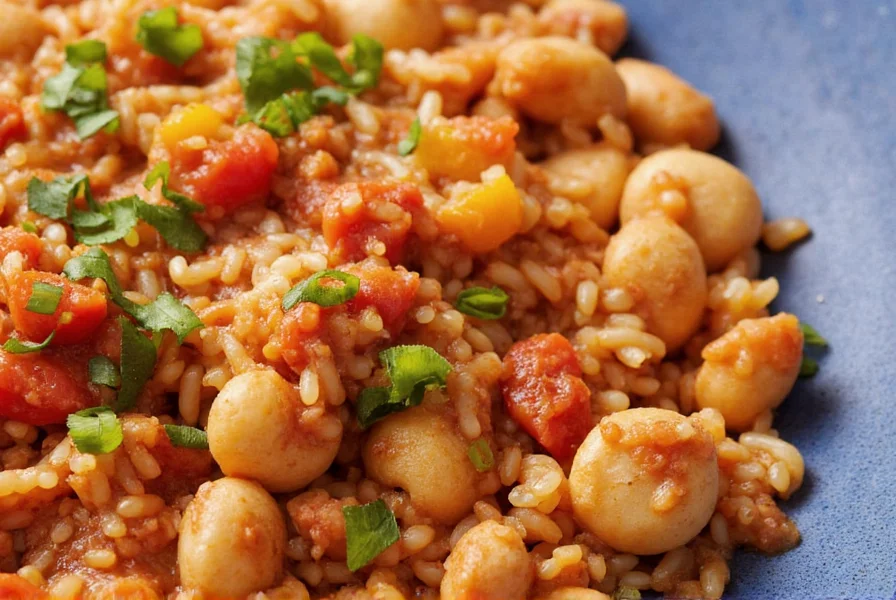
Pairing Jambalaya Sauce with Other Dishes
Jambalaya sauce doesn’t need to be limited to just one dish. Its bold, layered flavor makes it an excellent addition to various meals. Here are some creative ways to use it:
- Gumbo Base: Use jambalaya sauce as a starter for gumbo recipes.
- Shrimp Skillet: Toss cooked shrimp in jambalaya sauce for a quick protein boost.
- Pasta Twist: Stir into creamy pasta sauces for a smoky, spicy twist.
- Grilled Veggies: Brush over grilled eggplant, zucchini, or portobello mushrooms for a hearty side.
- Meat Marinade: Use as a marinade for chicken or pork before grilling or roasting.
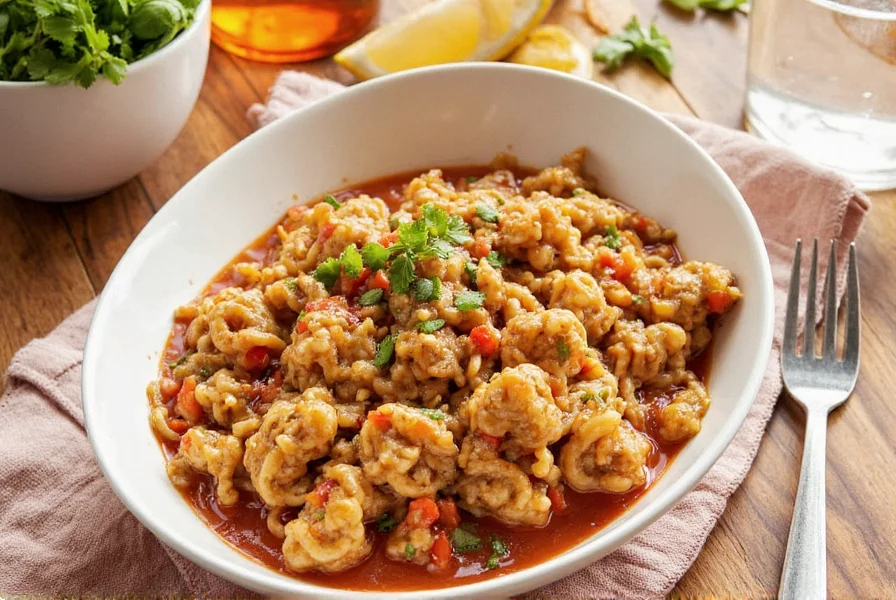
Final Thoughts: Spice Up Your Life with the Right Jambalaya Sauce
Jambalaya sauce is more than a Southern staple—it’s a gateway to global spice traditions. Whether you’re a home cook experimenting for the first time or a pro chef looking to enhance your menu, understanding and using the right jambalaya sauce can bring new life to your kitchen.
From store-bought convenience to homemade mastery, there’s a sauce out there for every occasion, preference, and palate. So go ahead—grab a spoon, stir up some magic, and let your inner Cajun shine through.




 浙公网安备
33010002000092号
浙公网安备
33010002000092号 浙B2-20120091-4