
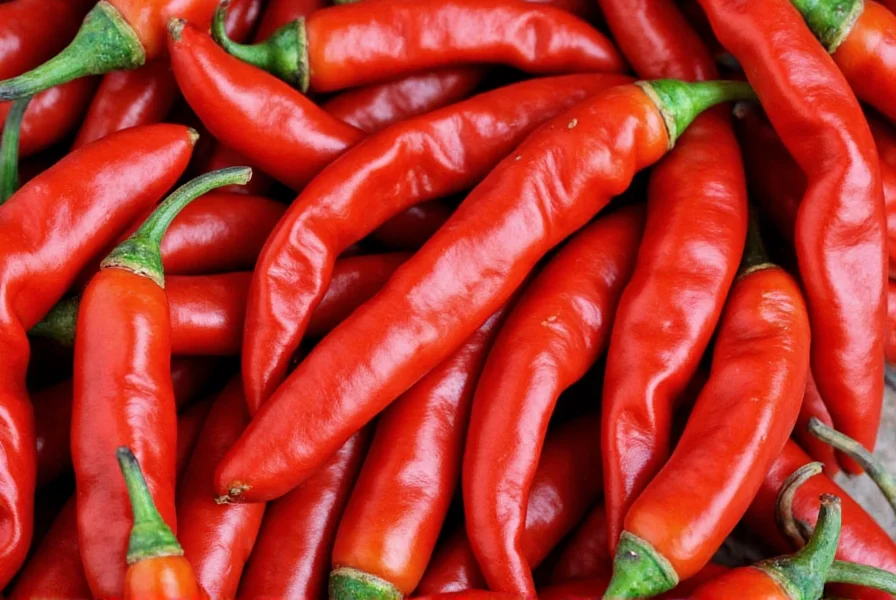
Sichuan Peppers: A Flavorful Journey Through Global Spice Traditions
Table of Contents
Introduction to Sichuan Peppers
Sichuan peppers, also known as Sichuan peppercorns, are a staple in Chinese cuisine and have gained international popularity for their unique numbing and spicy flavor. These small, reddish-brown berries come from the prickly ash tree (Zanthoxylum spp.) and are not technically peppers but are commonly referred to as such due to their pungent characteristics.
The sensation they create is often described as tingling or numbing, which is caused by a compound called hydroxy-alpha-sanshool. This gives Sichuan peppers a distinct profile that sets them apart from other spices like chili peppers or black pepper. They are essential in many traditional Sichuan dishes such as Mapo Tofu, Kung Pao Chicken, and hot pot.
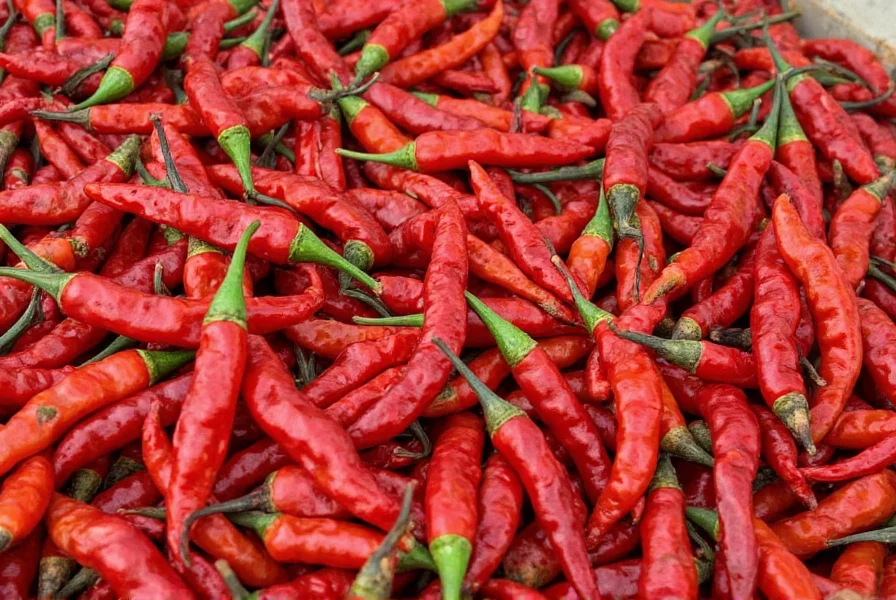
Global Spice Traditions and Sichuan Peppers
While Sichuan peppers are deeply rooted in Chinese culinary traditions, their influence has spread across the globe. Their unique flavor profile has made them a favorite among chefs and food lovers worldwide. Let’s explore how Sichuan peppers fit into global spice traditions:
1. Asian Cuisine
Beyond China, Sichuan peppers are used in various Asian cuisines. In Japan, they appear in some regional dishes, especially in Okinawa. In Korea, they are sometimes used in spicy stews and kimchi variations. Their versatility makes them a valuable addition to any spice collection.
2. Western Fusion Cooking
Chefs in the West have started incorporating Sichuan peppers into fusion dishes, blending traditional flavors with modern techniques. Dishes like Sichuan-spiced burgers, tacos, and even cocktails now feature this intriguing spice. It’s a great way to add an unexpected twist to familiar favorites.
3. Middle Eastern and North African Cuisines
In some parts of the Middle East and North Africa, Sichuan peppers are used to enhance the depth of complex spice blends. They pair well with cumin, coriander, and paprika, adding a new dimension to dishes like tagines and kebabs.
4. South American Flavors
Even in South America, where bold spices like aji and chili peppers dominate, Sichuan peppers are making their mark. Some chefs experiment with them in ceviche or grilled meats to introduce a different kind of heat and texture.
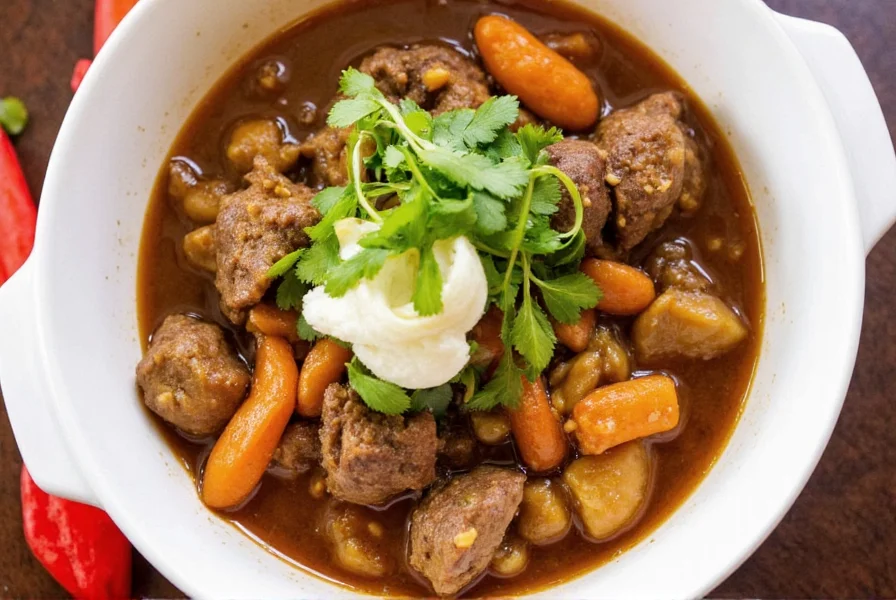
Practical Tips for Using Sichuan Peppers
Whether you're a seasoned chef or a home cook, here are some practical tips to help you make the most of Sichuan peppers:
- Toast Before Use: To bring out their full flavor, lightly toast the peppercorns in a dry pan before grinding or using them whole. This enhances their aroma and numbing effect.
- Use in Small Amounts: A little goes a long way. Start with a pinch and adjust based on your taste preference.
- Pair with Heat: Sichuan peppers work best when combined with other spicy ingredients like chili flakes or fresh chilies. The combination creates a balanced and complex flavor profile.
- Grind Fresh: For the best results, grind the peppercorns just before use. Pre-ground Sichuan pepper can lose potency over time.
- Experiment with Infusions: Try infusing Sichuan peppers in oils, broths, or even alcohol for a subtle numbing effect that lingers on the palate.
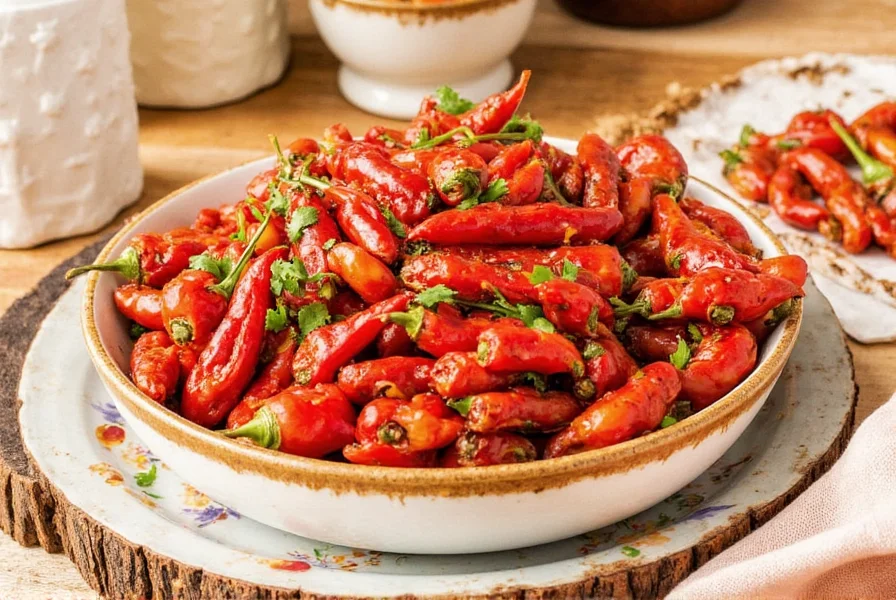
Buying Guide for Sichuan Peppers
When it comes to purchasing Sichuan peppers, there are several factors to consider. Here’s a detailed buying guide to help you choose the right product for your needs:
| Product Name | Features | Advantages | Use Cases | Target Audience | Suitable Occasions |
|---|---|---|---|---|---|
| Whole Sichuan Peppercorns | Natural, unprocessed form | Long shelf life, retains potency | For cooking in soups, stews, and marinades | Home cooks and professional chefs | Dinner parties, special occasions |
| Ground Sichuan Pepper | Pre-ground for convenience | Easy to use, quick preparation | For seasoning dishes, rubs, and sauces | Busy professionals and casual cooks | Weeknight meals, everyday cooking |
| Sichuan Pepper Oil | Infused oil with numbing properties | Enhances flavor without the texture | For drizzling on noodles, salads, and appetizers | Chefs and food enthusiasts | Fusion dishes, restaurant menus |
| Sichuan Pepper Mixes | Blends with other spices like chili, garlic, and ginger | Convenient for recipes requiring multiple spices | For making Sichuan-style dishes quickly | Beginners and those short on time | Family dinners, casual gatherings |
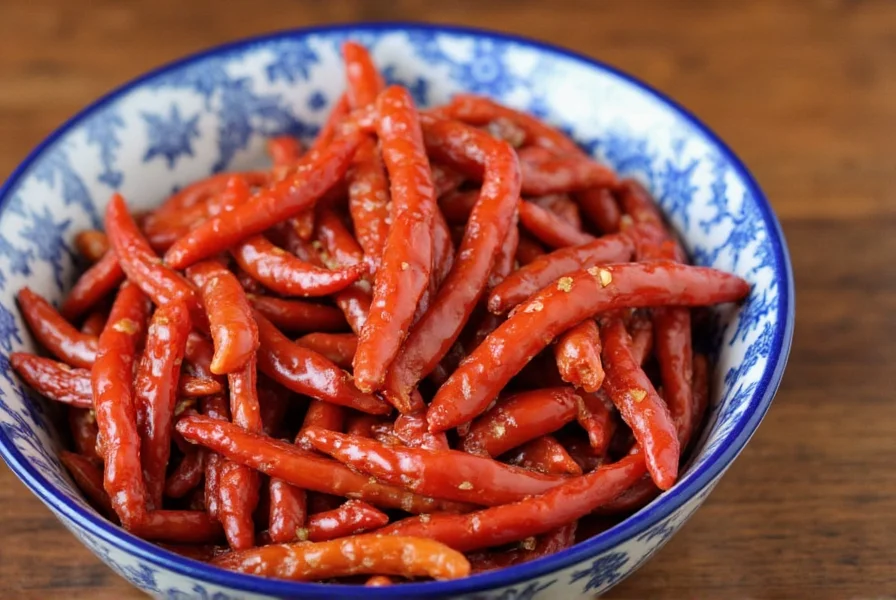
Sichuan peppers are more than just a spice—they’re a gateway to exploring the rich and diverse world of global flavors. Whether you're using them in traditional Chinese dishes or experimenting with new combinations, they offer a unique sensory experience that is both exciting and satisfying.
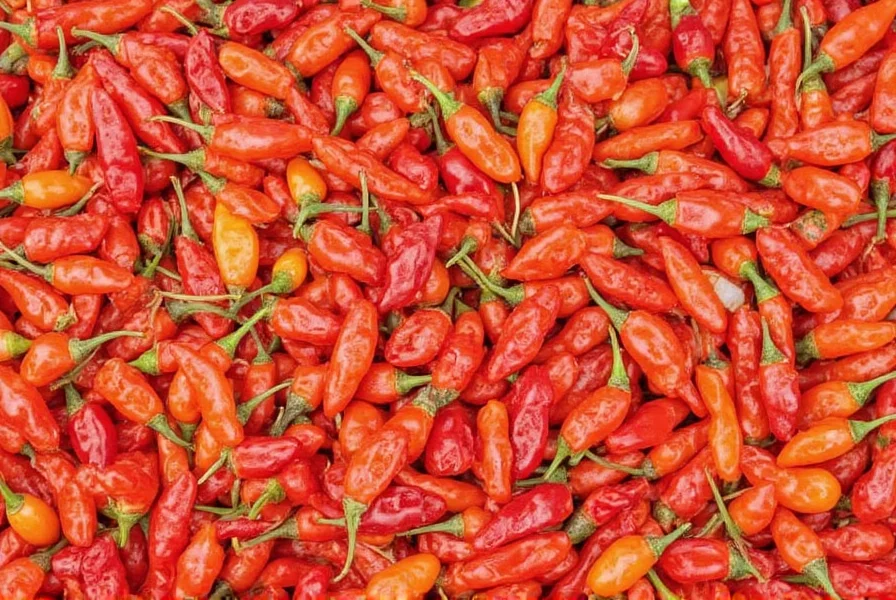
Conclusion
In conclusion, Sichuan peppers are a remarkable spice that bridges cultural boundaries and brings a distinctive numbing heat to any dish. Their journey from the mountains of China to kitchens around the world reflects the ever-evolving nature of global cuisine. Whether you're a seasoned cook or just starting out, understanding and utilizing Sichuan peppers can elevate your cooking and open up new culinary possibilities.
As you explore the world of spices, remember that Sichuan peppers are not just about heat—they’re about creating a memorable flavor experience. So, grab a bag of these tiny but mighty peppers, and let your taste buds embark on a journey like no other.




 浙公网安备
33010002000092号
浙公网安备
33010002000092号 浙B2-20120091-4