
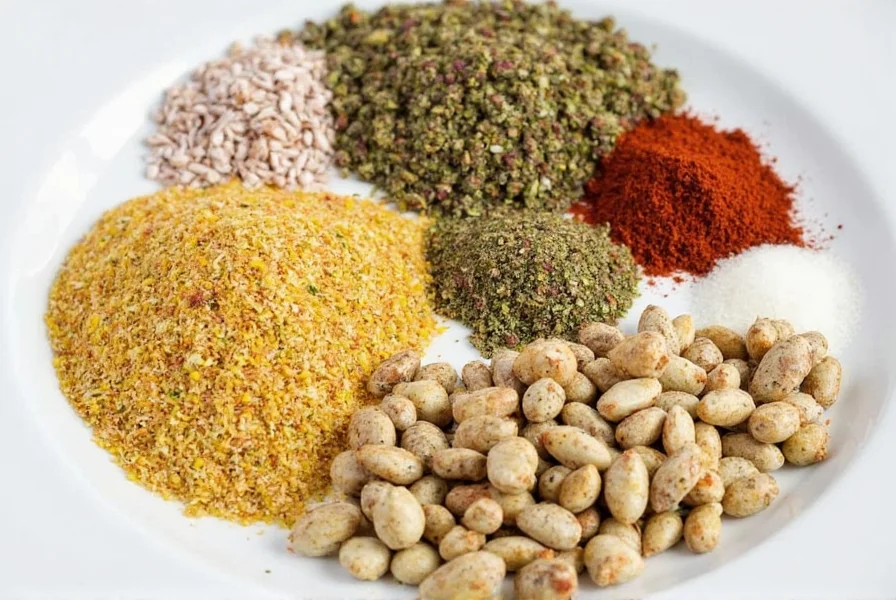
10 Surprising Ways Greek Seasoning Mix Can Spice Up Your Life
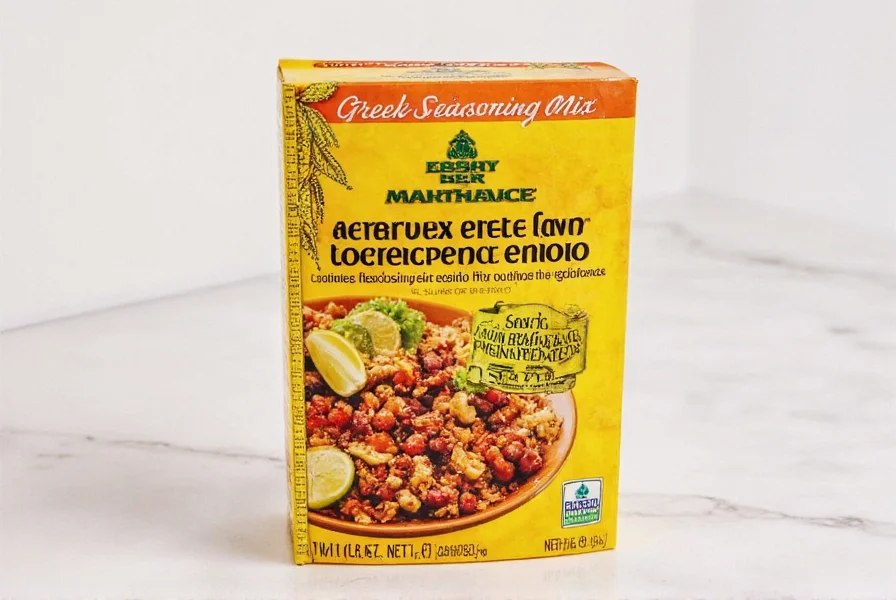
Greetings, flavor explorers! If you've ever found yourself wandering the spice aisle, squinting at jars of colorful powders and wondering which one will give your meal that je ne sais quoi, let’s talk about one of the most underrated heroes in the spice rack: Greek seasoning mix. It’s not just for gyros anymore.
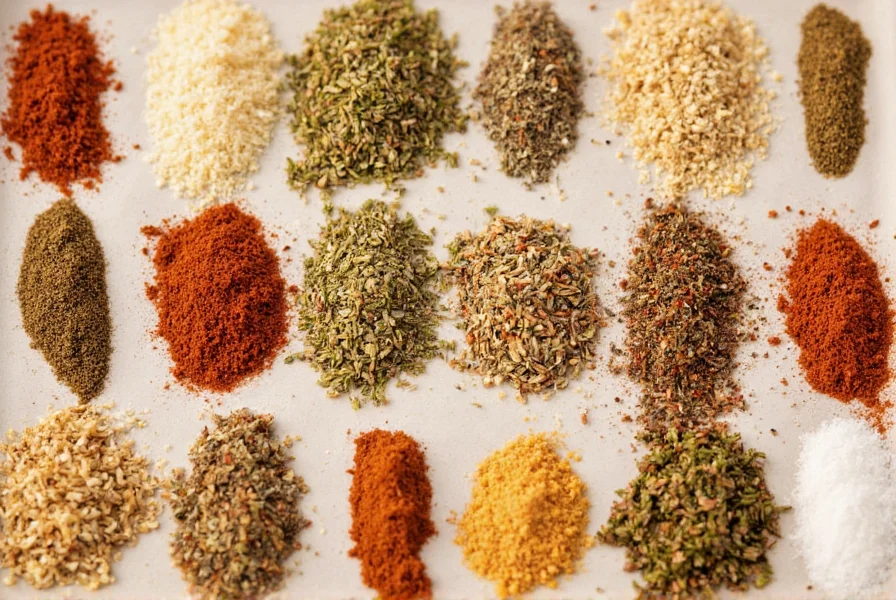
From grilled meats to roasted veggies, this blend has a versatility that punches far above its price point. Whether you're an advanced home cook or just starting to experiment with global flavors, Greek seasoning mix deserves a prominent spot in your kitchen arsenal.
What Exactly Is Greek Seasoning Mix?
Greek seasoning mix is typically a combination of aromatic herbs and spices like oregano, thyme, garlic powder, onion powder, marjoram, salt, and black pepper. Some variations might include lemon zest or crushed red pepper flakes for heat.
Unlike single-ingredient seasonings, this mix brings balance — earthy, savory, slightly citrusy, and sometimes a touch of warmth — all harmonizing to create a uniquely Mediterranean flair.
| Common Ingredients in Greek Seasoning Mix | Flavor Contribution |
|---|---|
| Oregano | Earthy, bold, peppery |
| Thyme | Woody, minty, subtle |
| Garlic Powder | Umami, depth |
| Onion Powder | Sweetness, richness |
| Marjoram | Floral, mild, sweet |
| Salt & Pepper | Balance, sharpness |
Why You Should Add Greek Seasoning Mix to Your Pantry
This humble blend isn’t just for sprinkling on souvlaki sticks. Here are ten surprising ways it can transform your meals without needing a passport:
- Adds instant flavor to grilled chicken or fish
- Boosts the taste of roasted vegetables
- Enhances dips like hummus or tzatziki
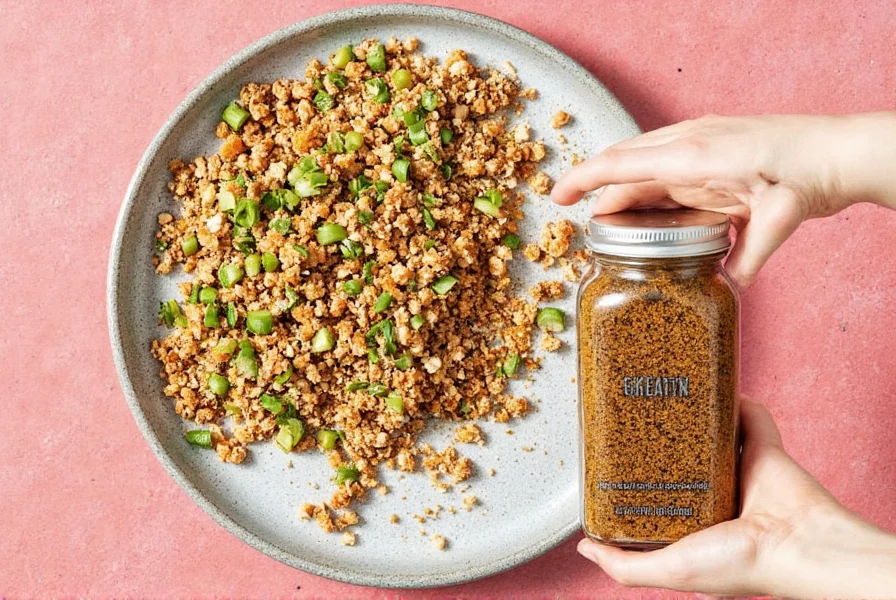
- Lifts the flavor of rice or quinoa dishes
- Elevates simple scrambled eggs or omelets
- Works as a dry rub for lamb or pork
- Seasons popcorn for a savory twist
- Makes homemade pita chips taste authentic
- Improves store-bought sauces and dressings
- Brings life to bland frozen meals
Top 5 Greek Seasoning Mixes Reviewed
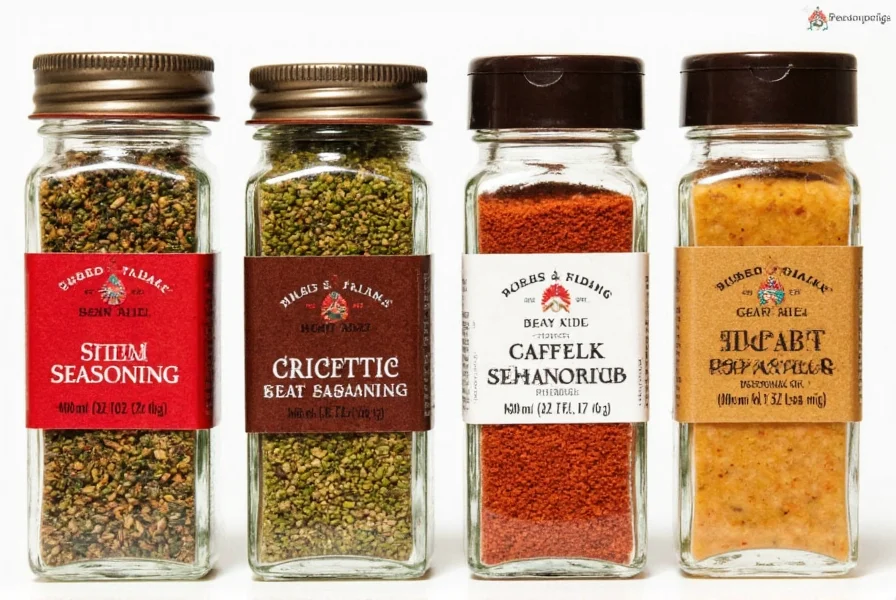
To save you time and taste-testing effort, here's a quick rundown of five top-rated Greek seasoning mixes available today:
1. Badia Greek Seasoning
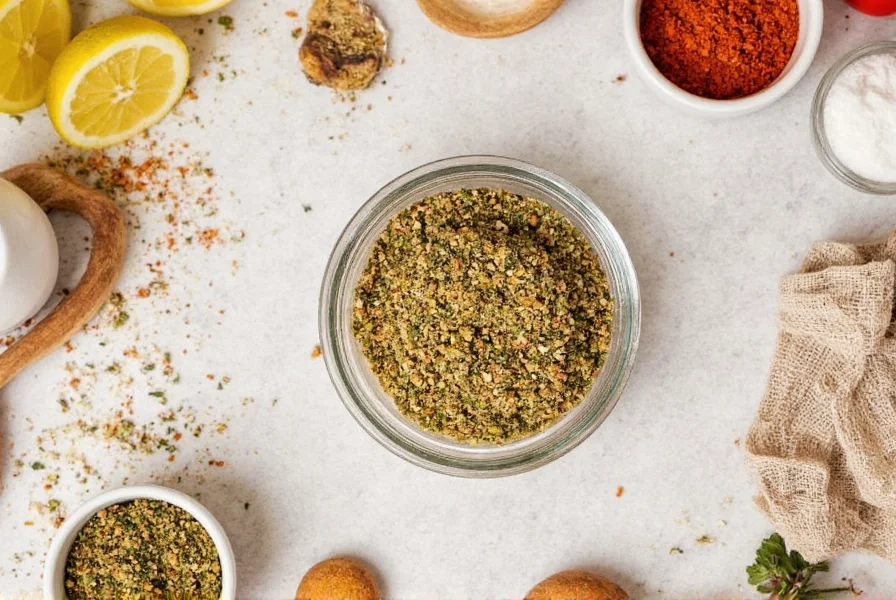
- Features: Classic blend of oregano, thyme, garlic, onion, and salt
- Advantages: Affordable, widely available
- Use Cases: Perfect for marinades, roasting, and everyday seasoning
- Target Audience: Home cooks looking for authenticity without complexity
- Occasions: Everyday meals, quick dinners, weeknight grilling
2. McCormick Culinary Greek Seasoning Blend
- Features: Balanced ratio of herbs with minimal salt
- Advantages: Chef-tested quality, ideal for bulk use
- Use Cases: Commercial kitchens, meal prep, or portion-controlled cooking
- Target Audience: Serious home chefs and catering professionals
- Occasions: Catering events, family meals, large batches
3. Simply Organic Greek Seasoning
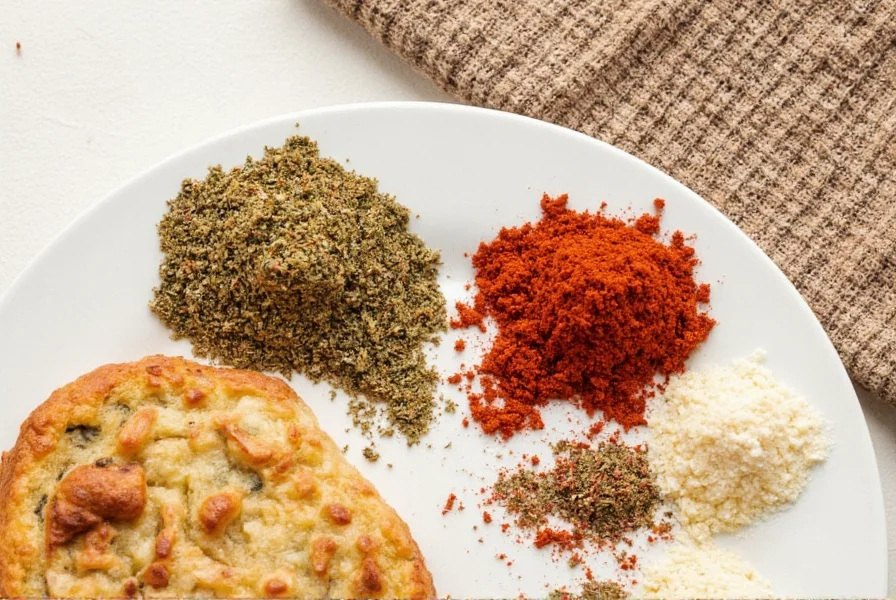
- Features: USDA-certified organic ingredients
- Advantages: Free from artificial additives
- Use Cases: Ideal for health-conscious recipes and clean eating
- Target Audience: Wellness-focused individuals and plant-based eaters
- Occasions: Health-driven dinners, vegan or gluten-free meals
4. Fody Foods Low-FODMAP Greek Seasoning
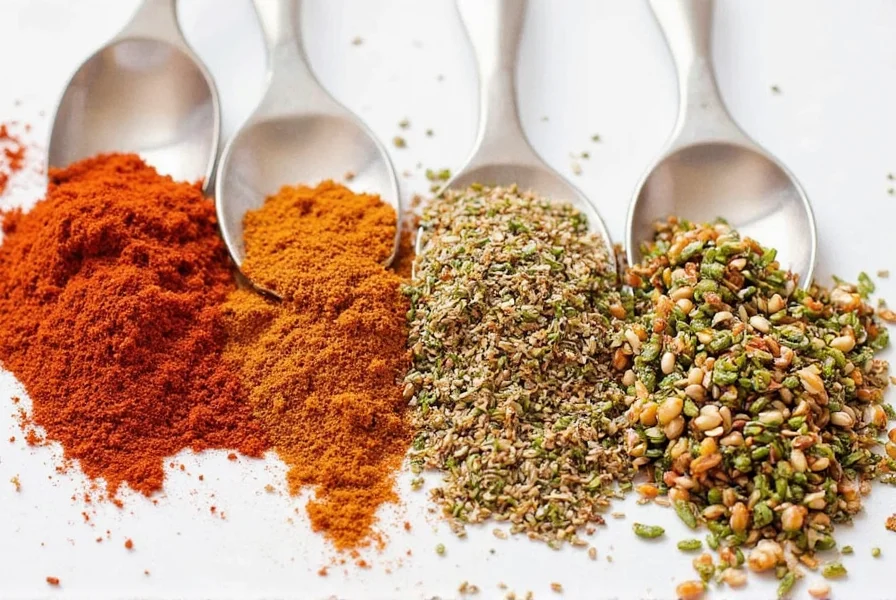
- Features: Specifically formulated for sensitive digestive systems
- Advantages: Certified low-FODMAP, gluten-free
- Use Cases: Great for people with IBS or dietary restrictions
- Target Audience: Those with digestive sensitivities seeking flavor
- Occasions: Lunches, snacks, easy-to-digest meals
5. Zoe’s Natural Greek Seasoning
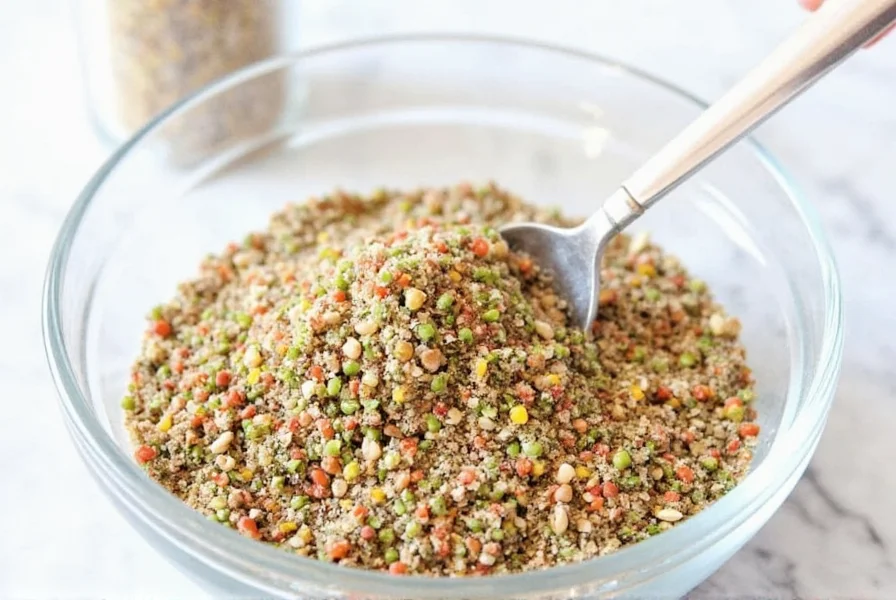
- Features: Made with sun-dried herbs and sea salt
- Advantages: No preservatives, no MSG
- Use Cases: Works well in salads, grilled items, and Mediterranean-style bowls
- Target Audience: Eco-friendly foodies and gourmet enthusiasts
- Occasions: Brunch spreads, healthy lunches, dinner parties
Bonus Tip: Make Your Own Greek Seasoning Mix!
If you're feeling crafty (or want full control over what goes into your mix), whip up a batch using this simple DIY recipe:
- 2 tbsp dried oregano
- 1 tbsp dried thyme
- 1 tbsp garlic powder
- 1 tbsp onion powder
- 1 tsp marjoram
- 1 tsp sea salt
- ½ tsp black pepper
Mix well and store in an airtight container. Voilà — your personal signature blend!
Buying Guide: How to Choose the Best Greek Seasoning Mix
Not all Greek seasoning mixes are created equal. Here’s how to find the perfect one for your kitchen needs:
- Check the Ingredient List: Look for natural herbs and minimal fillers or anti-caking agents.
- Consider Dietary Restrictions: Opt for low-sodium, gluten-free, or organic options if needed.
- Purpose Matters: Decide if you’re using it for grilling, baking, or adding to sauces.
- Price vs. Quality: Sometimes more expensive brands offer fresher, more potent blends — worth the splurge if used often.
- Try Before Committing: Buy small quantities first unless you're certain you’ll use the whole jar.
Cooking Like a Greek Grandma (Without Her Judging Your Tongs)
Now that you’re fully equipped with knowledge, let’s get practical. Here are some real-world examples of how to use your Greek seasoning mix like a pro:
Grilled Chicken Skewers
Combine 2 tbsp Greek seasoning with olive oil, lemon juice, and minced garlic. Marinate boneless chicken chunks for 2–4 hours before skewering and grilling. Serve with tzatziki and warm pita bread.
Roasted Vegetables
Toss halved baby potatoes, zucchini slices, and red onions with olive oil and a liberal sprinkle of Greek seasoning. Roast at 400°F (200°C) until golden and tender. Simple, satisfying, and veggie-approved.
Homemade Hummus Upgrade
When making hummus, stir in a teaspoon of Greek seasoning into the chickpea mixture before blending. Adds a tangy, herby note that pairs perfectly with warm flatbread.
Greek-Style Popcorn
After popping your kernels, drizzle with melted butter and toss with Greek seasoning for a savory snack that’s miles away from movie theater fare.
Final Thoughts: Is Greek Seasoning Worth the Hype?
Short answer: Absolutely. Long answer: If you enjoy bold, aromatic, herb-forward flavors and want a versatile shortcut to Mediterranean cuisine, Greek seasoning mix is your new BFF in the kitchen.
Whether you’re spicing up a boring work lunch or hosting a weekend dinner party, this little jar of magic can do wonders. And with so many great store-bought blends and easy DIY recipes, there’s really no excuse not to keep a shaker nearby.
So go ahead — sprinkle, shake, and savor your way to better meals. And remember, even if you don't speak Greek, your taste buds sure will.





 浙公网安备
33010002000092号
浙公网安备
33010002000092号 浙B2-20120091-4