

Oregano Ancho: From Garden to Plate – A Spicy Adventure You Can’t Miss!
Welcome, spice enthusiasts and culinary explorers! Today, we’re diving headfirst into the aromatic world of oregano ancho, a lesser-known gem in the global spice scene. If you’ve ever tasted a Mexican dish with that earthy yet slightly sweet undertone, there’s a good chance oregano ancho was doing its magic behind the scenes.
This blog isn’t just about what oregano ancho is — we’ll uncover its cultural roots, compare it with other oregano varieties, and even share some practical tips on how to use it like a pro. Whether you're a professional chef or a weekend kitchen warrior, there's something spicy-sweet waiting for you here!
Table of Contents
- What Is Oregano Ancho?
- A Spice with Roots: The Cultural Significance of Oregano Ancho
- Oregano Ancho vs Other Oreganos: The Flavor Face-off
- 5 Practical Tips to Use Oregano Ancho Like a Pro
- Tasty Recipes That Love Oregano Ancho
- Buying & Storing Oregano Ancho: Do’s and Don’ts
- Final Thoughts: Let’s Spice Up Your Life!
What Is Oregano Ancho?
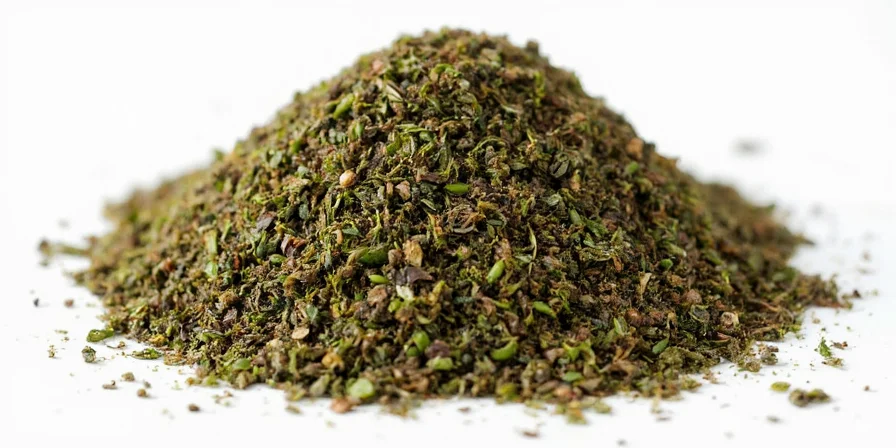
If oregano were a family, oregano ancho would be the quirky cousin from the south — specifically, from Mexico and Central America. Also known as Lippia graveolens, this herb belongs to the verbena family, not mint like Mediterranean oregano. So, while they share a name (and a love for flavor), they’re practically strangers at the molecular level.
Oregano ancho has larger, broader leaves than its relatives, which explains the “ancho” part — meaning “wide” in Spanish. Its flavor profile is more mellow, with hints of citrus and licorice, making it perfect for salsas, moles, and grilled meats.
A Spice with Roots: The Cultural Significance of Oregano Ancho
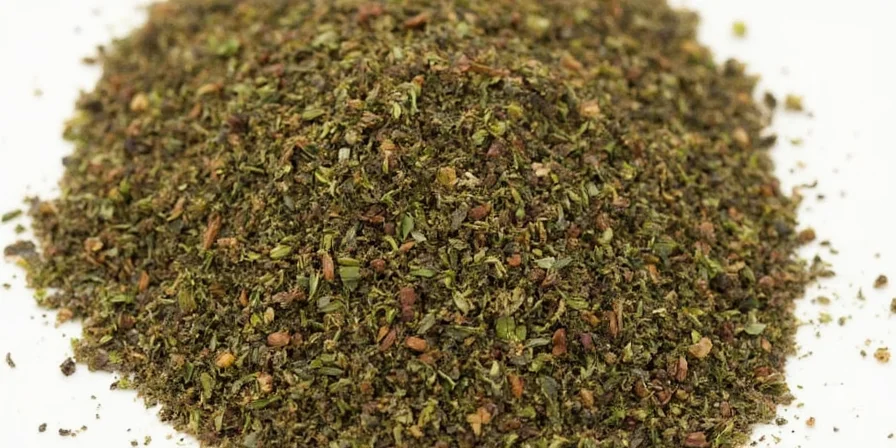
In Mexico, food is more than sustenance — it’s history, identity, and celebration rolled into one delicious burrito. Oregano ancho plays a quiet but crucial role in many traditional dishes, especially those from central and southern regions.
- Mole sauces: It’s often included in mole verde or mole de olla, lending a subtle herbal note.
- Salsas: Fresh or dried, it enhances salsas made with tomatoes, green chilies, or tomatillos.
- Tea Time: Believe it or not, oregano ancho tea is a popular remedy for colds and digestive issues.
The plant itself is also used in folk medicine, where it’s brewed into teas or applied topically for its antimicrobial properties.
Oregano Ancho vs Other Oreganos: The Flavor Face-off
Confused between oregano types? Let’s break down the differences so you can impress your next dinner party — or just avoid a culinary disaster when making tacos.
| Spice | Origin | Flavor Profile | Best Used In |
|---|---|---|---|
| Oregano Ancho | Mexico/Central America | Earthy, citrusy, slightly sweet | Mole, salsas, grilled meats |
| Mediterranean Oregano | Greece, Italy | Pungent, peppery, bold | Pizza, pasta sauces, grilled vegetables |
| Golden Oregano | Mexico | More floral, less earthy | Teas, soups, light sauces |
| Cuban Oregano | Caribbean | Strong, camphor-like, minty | Marinades, stews |
5 Practical Tips to Use Oregano Ancho Like a Pro
You don’t need a Michelin star to make oregano ancho work wonders. Here are five easy tricks to get the most out of this fragrant herb:
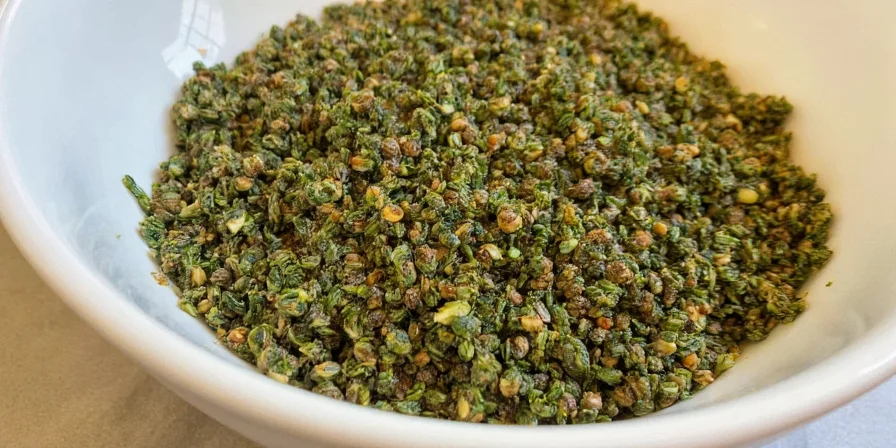
- Toasting Magic: Lightly toast dried oregano ancho in a dry pan before adding to dishes. This unlocks deeper, nuttier flavors.
- Add Early, Add Often: Unlike delicate herbs, oregano ancho thrives under heat and time. Add it early in cooking (like with onions or garlic) to infuse the whole dish.
- Infuse Your Oil: Make homemade oregano-infused oil by simmering dried leaves in olive oil. Perfect for drizzling over tacos or dipping bread.
- Blend It Up: Toss fresh leaves into blender sauces — especially green ones — for a complex herbal kick.
- Pair With Citrus: Oregano ancho loves lime. Try it in guacamole, ceviche, or simply sprinkle on grilled fish with a squeeze of citrus.
Tasty Recipes That Love Oregano Ancho
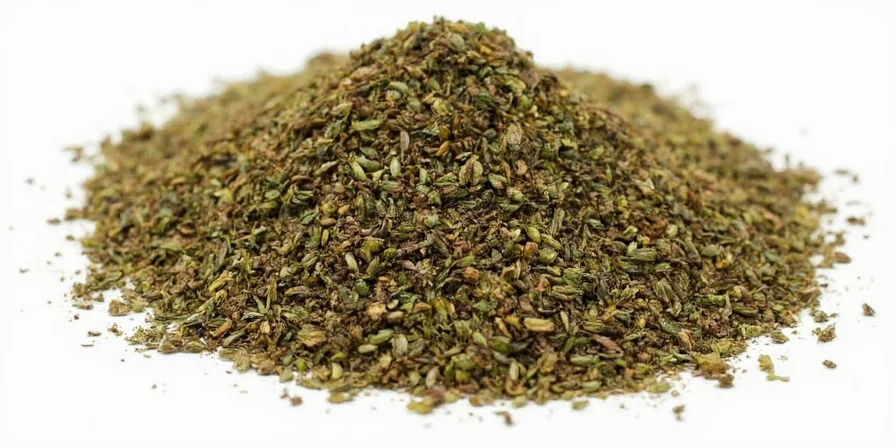
Ready to cook with confidence? Here are three recipes that showcase oregano ancho like a culinary rockstar:
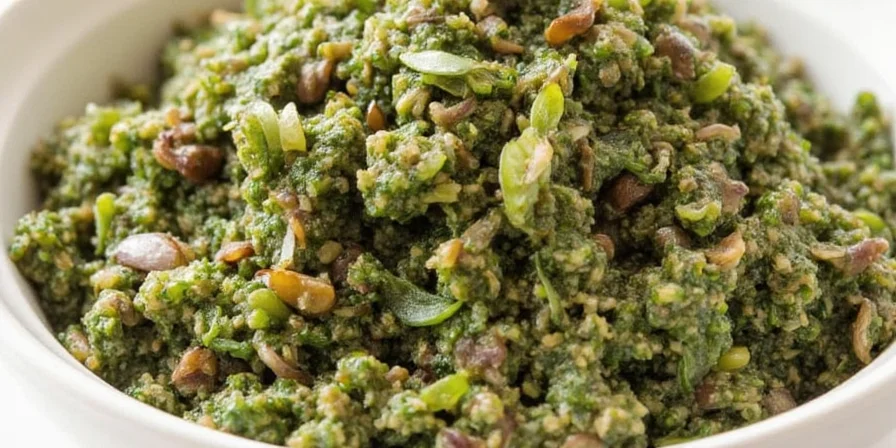
- Green Mole with Chicken: Blend roasted tomatillos, cilantro, garlic, and toasted oregano ancho into a vibrant sauce. Simmer with shredded chicken for a comfort meal that packs a flavor punch.
- Grilled Shrimp with Oregano Oil: Whisk together olive oil, minced garlic, dried oregano ancho, and chili flakes. Brush over shrimp skewers and grill until pink and juicy.
- Smoky Bean Soup: Sauté onion, garlic, and smoked paprika, then add beans, broth, and a pinch of oregano ancho. Simmer until thick and hearty — perfect for chilly nights.
Buying & Storing Oregano Ancho: Do’s and Don’ts
Knowing how to choose and store oregano ancho ensures every dish hits the right note. Here’s a quick guide:
DO:
- Look for vibrant green color in both fresh and dried forms.
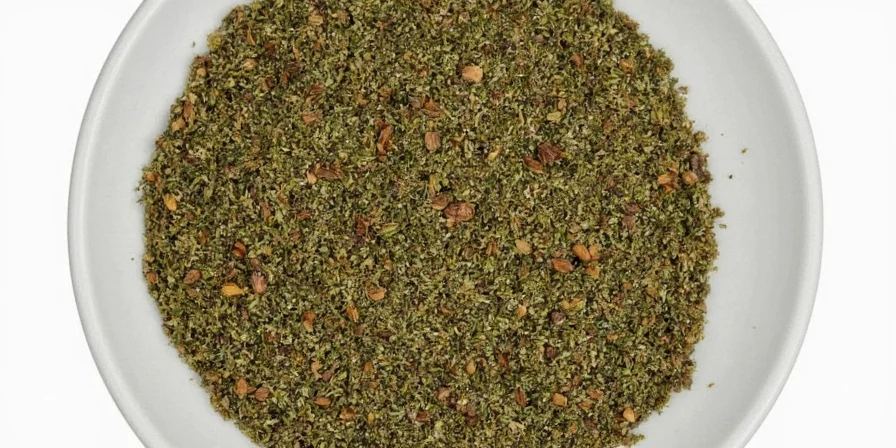
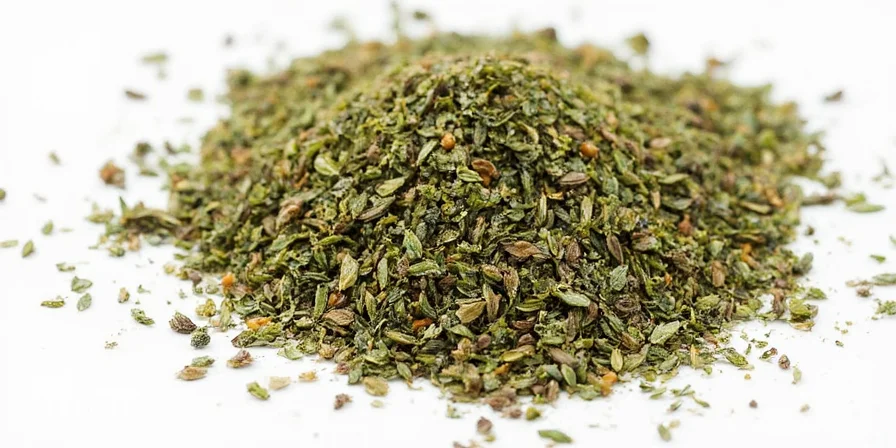
- Opt for whole leaves rather than powdered if possible — you’ll retain more flavor.
- Store dried oregano in a cool, dark place in an airtight container.
- Freeze fresh sprigs in ziplock bags for longer shelf life.
DON’T:
- Expose to heat or sunlight — this diminishes flavor quickly.
- Keep near stove or oven — steam and moisture ruin potency.
- Use old batches past their prime — discard after a year for optimal taste.
Final Thoughts: Let’s Spice Up Your Life!
Oregano ancho may not be the most famous herb in the spice rack, but once you get to know its flavor and versatility, it’s hard to go back. From humble beginnings in the Mexican countryside to starring roles in mole and salsas, this spice deserves its moment in the spotlight.
So whether you’re grinding it into rubs, tossing it into soups, or brewing it into tea, oregano ancho is a spice worth exploring. And remember — the best way to learn is by experimenting. Dust off that mortar and pestle, fire up the stove, and let oregano ancho lead the way to your next flavor adventure!
Got a favorite recipe using oregano ancho? Share it in the comments below — we’d love to hear how you’re spicing things up!




 浙公网安备
33010002000092号
浙公网安备
33010002000092号 浙B2-20120091-4