
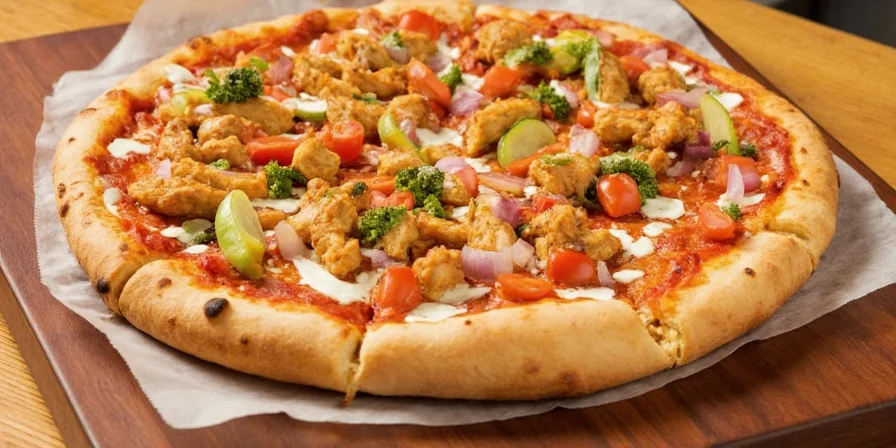
Tandoori Chicken Pizza: Where Indian Fire Meets Italian Flair
Have you ever imagined the smoky aroma of tandoori chicken mingling with the gooey, golden crust of a freshly baked pizza? If not, you’re missing out on one of the most thrilling culinary crossovers since someone decided pineapple belongs on pizza (we won’t take sides… yet).
Table of Contents
- What Exactly Is Tandoori Chicken Pizza?
- A Taste of Two Worlds: The Origins of This Fusion Dish
- The Spice Journey: From India to Your Oven
- 5 Tips for Perfecting Your Tandoori Chicken Pizza at Home
- Global Twists: How Different Countries Put Their Spin on It
- Pairing Perfection: Drinks & Sides That Elevate the Experience
- Conclusion: Embracing the Flavor Revolution
What Exactly Is Tandoori Chicken Pizza?
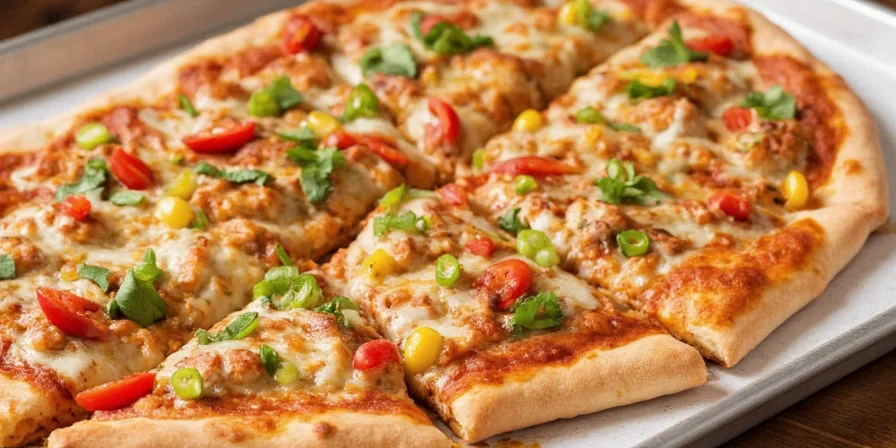
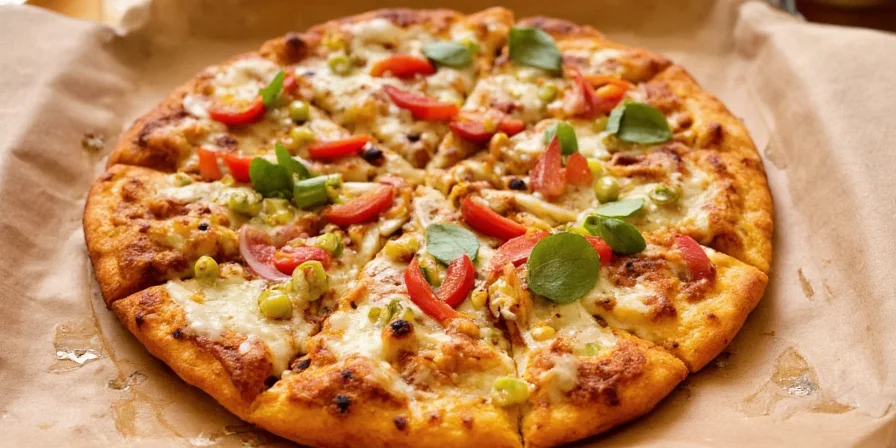
In simple terms, it’s a pizza topped with tandoori-marinated chicken, often paired with mozzarella cheese, red onions, bell peppers, and finished with a drizzle of mint chutney or a dollop of yogurt. But calling it just that is like saying the Mona Lisa is just a lady with a smile.
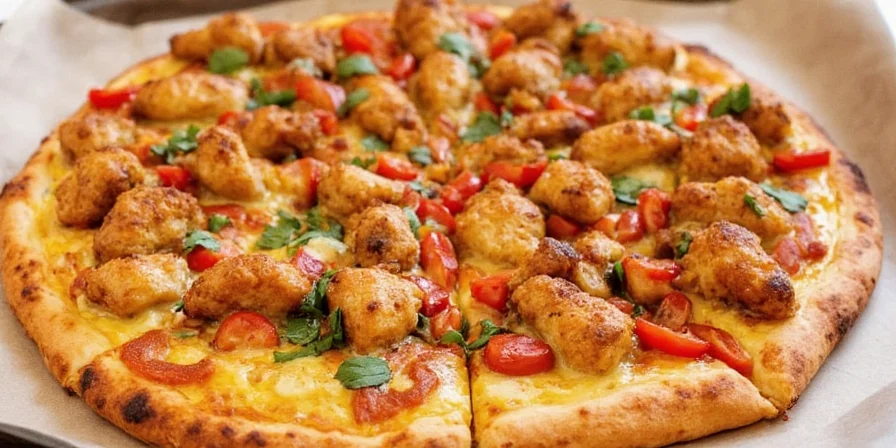

The Flavor Profile Breakdown:
- Heat Level: Medium to high, depending on your spice blend
- Smokiness: Rich, thanks to paprika and charred crust notes
- Creaminess: Balanced by yogurt-based marinade or a topping of raita-infused cream cheese
- Savory-Sweet Contrast: Onions and tomatoes add a tangy brightness
A Taste of Two Worlds: The Origins of This Fusion Dish
Tandoori chicken has its roots in the Indian subcontinent, where meat was traditionally marinated in spiced yogurt and cooked in a clay tandoor oven. Meanwhile, pizza hails from Naples, Italy — humble food made with basic ingredients for working-class families.
The fusion version emerged as global palates became more adventurous and chefs began experimenting with bold flavor combinations. It first gained popularity in the UK and North America during the late 1990s among South Asian diasporas craving home flavors but wanting convenience foods like pizza.
The Spice Journey: From India to Your Oven
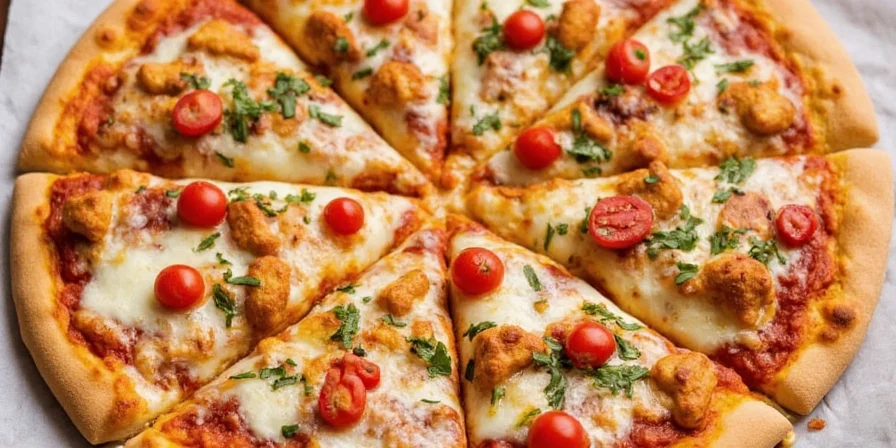
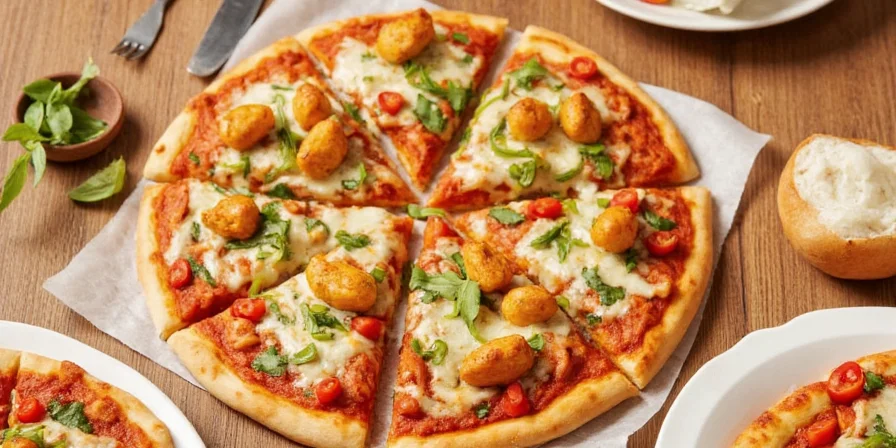
The magic lies in the marinade. Tandoori chicken uses a unique mix of spices that create both color and heat. Here’s a breakdown of the essential spices used:
| Spice | Flavor Profile | Role in Tandoori Marinade |
|---|---|---|
| Garam Masala | Earthy, warm, complex | Base layer of aromatic warmth |
| Kashmiri Red Chili Powder | Mild heat with fruity undertones | Adds vibrant red color and gentle kick |
| Paprika | Smoky, sweet, mild | Enhances color and adds depth |
| Cumin | Earthy, nutty | Brings earthiness and balances sweetness |
| Ginger-Garlic Paste | Sharp, pungent, spicy | Provides zing and aids digestion |
Traditionally, natural food coloring like beetroot powder or annatto was used before synthetic dyes were available. Today, many recipes opt for Kashmiri chili powder or paprika to achieve that iconic red hue without artificial additives.
5 Tips for Perfecting Your Tandoori Chicken Pizza at Home
Ready to roll up your sleeves and make this flavor bomb yourself? Follow these pro tips for restaurant-worthy results.
- Marinate for at least 4 hours (overnight is better).
This allows the chicken to soak in all those beautiful spices and develop tenderness. - Use a pizza steel or stone for a crispier crust.
It mimics the effect of a tandoor or wood-fired oven by drawing moisture away quickly. - Don’t skip the yogurt sauce base!
Instead of tomato sauce, use Greek yogurt mixed with lemon juice and a pinch of salt for a cooling contrast. - Add fresh cilantro and lime after baking.
It brightens everything up and prevents the herbs from burning in the oven. - Balance toppings carefully.
Too much onion can steam the pizza; aim for thin slices and moderate amounts of veggies.
Global Twists: How Different Countries Put Their Spin on It
As with any fusion dish, different regions have put their own cultural stamp on tandoori chicken pizza. Here’s a taste tour around the world:
| Country | Local Twist | Signature Ingredient |
|---|---|---|
| United Kingdom | Balti-style pizza with curry sauce base | Balti gosht spices |
| USA | Tex-Mex version with jalapeños and cheddar | Chipotle yogurt drizzle |
| Malaysia | With sambal or sweet soy glaze | Pandan leaves for aroma |
| Germany | With German pickled cabbage and bratwurst addition | Mustard seeds and caraway |
| Italy | Using buffalo mozzarella and truffle oil finish | Black pepper and wild oregano |
Pairing Perfection: Drinks & Sides That Elevate the Experience
No meal is complete without a great pairing. Here are some ideas to enhance your tandoori chicken pizza night:
- Drinks: Mango lassi mocktail, rose wine, ginger beer, or craft lager
- Sides: Garlic naan bites, crispy samosas, roasted eggplant salad
- Desserts: Cardamom ice cream, gulab jamun donuts, saffron kulfi popsicles
Conclusion: Embracing the Flavor Revolution
Tandoori chicken pizza isn’t just a meal — it’s a celebration of cross-cultural creativity. It’s proof that tradition and innovation can coexist beautifully when guided by passion and respect for ingredients.
Whether you're making it at home for a cozy dinner or ordering it out for a flavorful adventure, remember: every bite tells a story of migration, adaptation, and love for spice.
So go ahead — fire up the oven, sprinkle some chaat masala dreams, and let your taste buds travel across continents on a crispy, chewy, smoky canvas called tandoori chicken pizza.
Pro Tip:
If you want that authentic tandoor smoke without the clay oven, try adding a tiny bit of smoked paprika or even liquid smoke to your marinade. Just a dash goes a long way!




 浙公网安备
33010002000092号
浙公网安备
33010002000092号 浙B2-20120091-4