
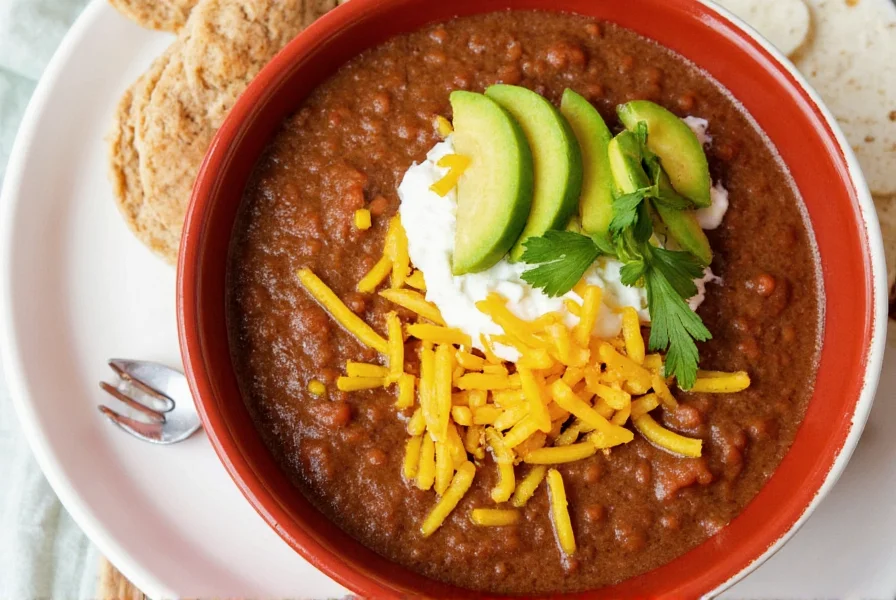
Mole Madness: 7 Irresistible Mexican Mole Recipes You Need to Try Today!
Ever taken a bite of something so complex, so layered in flavor, that it felt like a full-on flavor party on your tongue? That’s mole for you — the crown jewel of Mexican spice traditions. If you’ve ever wondered what makes mole so special, or if you're looking to up your mole game at home, you’re in for a spicy, chocolatey, nutty treat. Let's dive into the world of Mexican moles — from the classic Mole Poblano to wild regional variations — and learn how to master them with confidence.
Table of Contents
- What Is Mole Anyway?
- The Many Faces of Mole
- Making Mole at Home: Tips & Tricks
- Buying Guide: Spice Kits, Chocolate, Chilies & More
- Spice Comparison Table
- 7 Mouthwatering Mole Recipes to Try
- Conclusion: The Mole Journey Never Ends
What Is Mole Anyway?
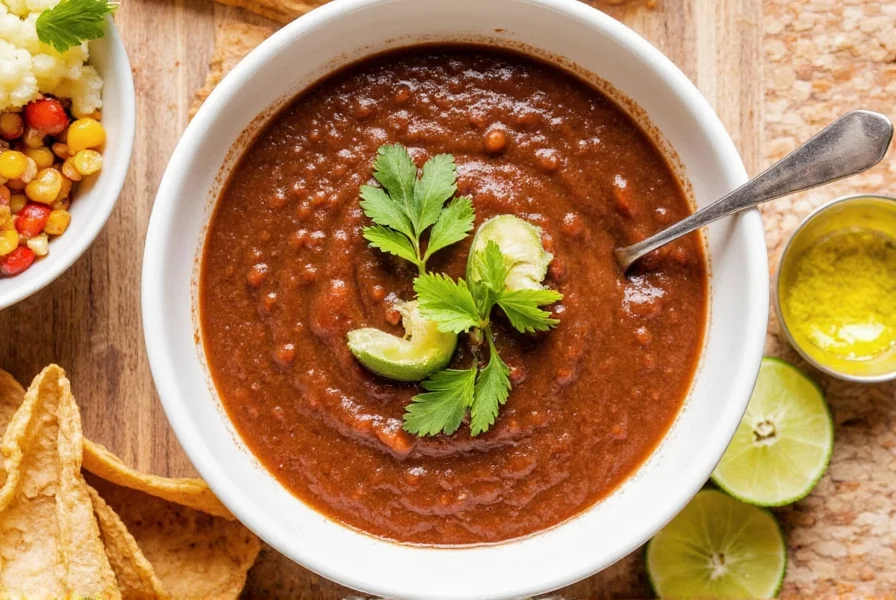
Mole (pronounced MOH-lay) isn’t just one sauce — it’s a family of sauces. Originating from central and southern Mexico, especially Oaxaca and Puebla, mole blends ingredients like dried chilies, spices, nuts, seeds, fruits, and sometimes even chocolate. The result? A rich, complex sauce that can be savory, sweet, smoky, earthy, or all of the above.
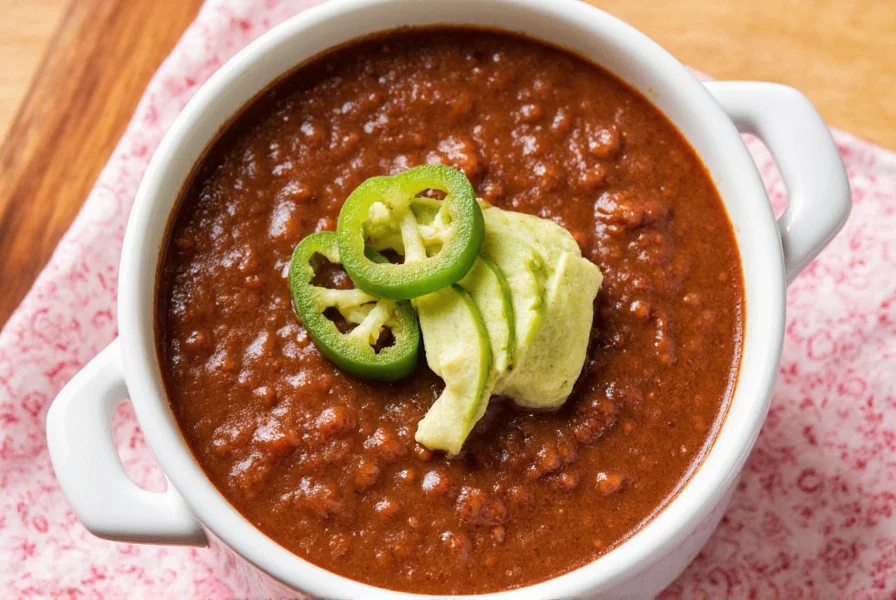
The magic of mole lies in its depth. It’s not about one dominant flavor but rather harmony among many components. Making mole is an art form passed down through generations, often requiring hours of preparation and a deep understanding of balancing flavors.
The Many Faces of Mole
When people say “mole,” they might be referring to dozens of different recipes, each with its own regional twist. Here are some of the most famous types:
- Mole Poblano: From Puebla, this is the most famous mole — dark, rich, slightly sweet, and traditionally served over turkey or chicken.
- Mole Negro: From Oaxaca, this version uses blackened corn tortillas and more chocolate than most other moles.
- Mole Verde: Green and herbaceous, made with tomatillos, green chilies, and fresh herbs.
- Mole Amarillo: Yellow mole from Oaxaca, spiced with annatto and yellow chilies.
- Mole Manchamanteles: Translating to “stains the tablecloth,” this mole includes tropical fruits like pineapple and plantains.
- Mole Almendrado: Almond-based mole, common in Michoacán, with a distinct nutty richness.
- Mole de Guacamaya: Rare and rustic, found in Chiapas, using ground tortillas and pumpkin seeds.
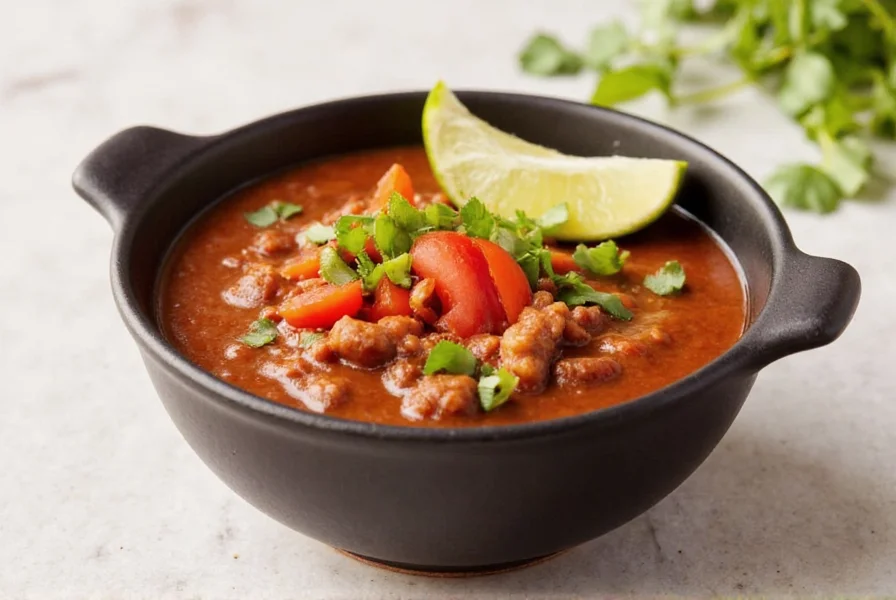
Making Mole at Home: Tips & Tricks
You don’t need a grandmother from Oaxaca to make mole at home — just a bit of patience, good ingredients, and the right tools. Here’s how to get started:
- Roast Your Ingredients: Whether it’s chilies, garlic, or tomatoes, roasting enhances the depth of flavor. Don’t skip this step.
- Toast Spices Gently: Toast cinnamon, cumin, peppercorns, and cloves in a dry pan until fragrant. Be careful not to burn them.
- Soak Dried Chilies First: Rehydrate dried chilies in warm water or broth to soften them before blending. Remove stems and seeds for less heat.
- Blend Smoothly: Use a high-powered blender to puree everything until silky smooth. Add liquid as needed.
- Cook Low and Slow: Mole needs time. Simmer it gently for at least 30 minutes to let the flavors meld together.
- Taste and Adjust: Balance sweetness, saltiness, bitterness, and acidity. A splash of vinegar or lime juice can brighten things up.
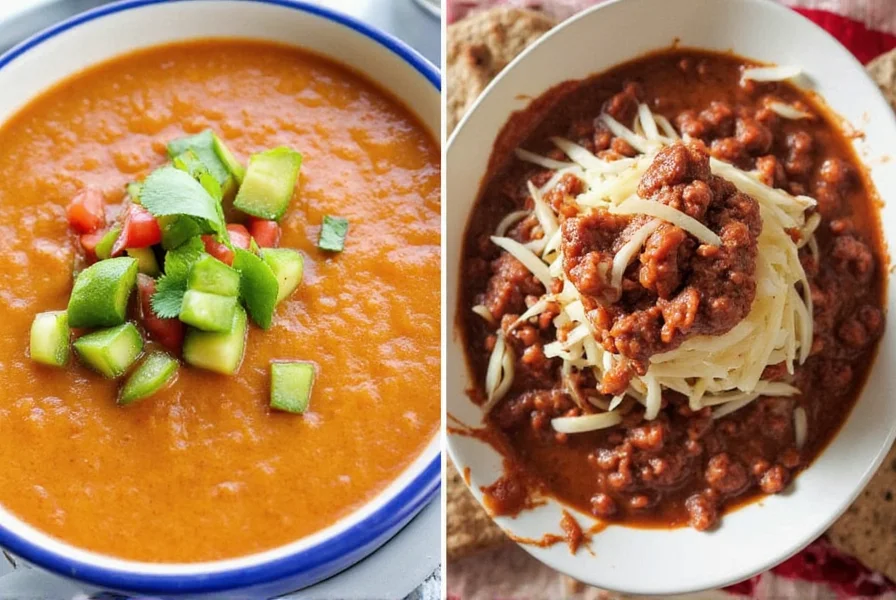
Buying Guide: Spice Kits, Chocolate, Chilies & More
If you’re new to making mole or want to speed up the process, pre-made spice kits and mole pastes are lifesavers. Here are our top picks based on quality, flavor complexity, and versatility:
| Product | Features | Best For | Recommended Use |
|---|---|---|---|
| Mole Poblano Spice Kit by La Cocina de Frida | Packaged with authentic dried chilies, spices, and instructions | Beginners wanting traditional flavor | Classic chicken or turkey dishes |
| Chocolate for Mole (Cacao Nacional Blend) | High-cocoa content, minimally sweetened | Dark mole lovers | Mole Poblano, Mole Negro |
| Chili Starter Pack (Ancho, Mulato, Pasilla) | Three essential dried chilies for most mole recipes | Intermediate cooks | Customizing mole base |
| Mole Paste by Guelaguetza | Ready-to-use paste, perfect for quick meals | Busy chefs | Weeknight tacos, enchiladas |
| Stone Mill Traditions Mole Set | Includes spices, nuts, and seeds | Advanced cooks | Custom mole blending |
Spice Comparison Table
Here’s a side-by-side look at the most commonly used spices in mole recipes:
| Spice | Flavor Profile | Common Uses in Mole | Heat Level |
|---|---|---|---|
| Ancho Chili | Sweet, raisin-like, mild | Base for Mole Poblano | Low |
| Mulato Chili | Smoky, chocolaty | Depth in dark moles | Medium-low |
| Pasilla Chili | Fruity, tangy, herbal | Mole Verde and other lighter versions | Medium |
| Cinnamon | Warm, sweet, woody | Balancing bitterness in chocolate moles | N/A |
| Black Pepper | Sharp, earthy | Enhancing overall spice blend | Medium |
| Coriander | Citrusy, floral | Add brightness and contrast | N/A |
| Cloves | Intense, medicinal-sweet | Small amounts for warmth | N/A |
| Almonds | Buttery, rich | Thickening and adding texture | N/A |
7 Mouthwatering Mole Recipes to Try
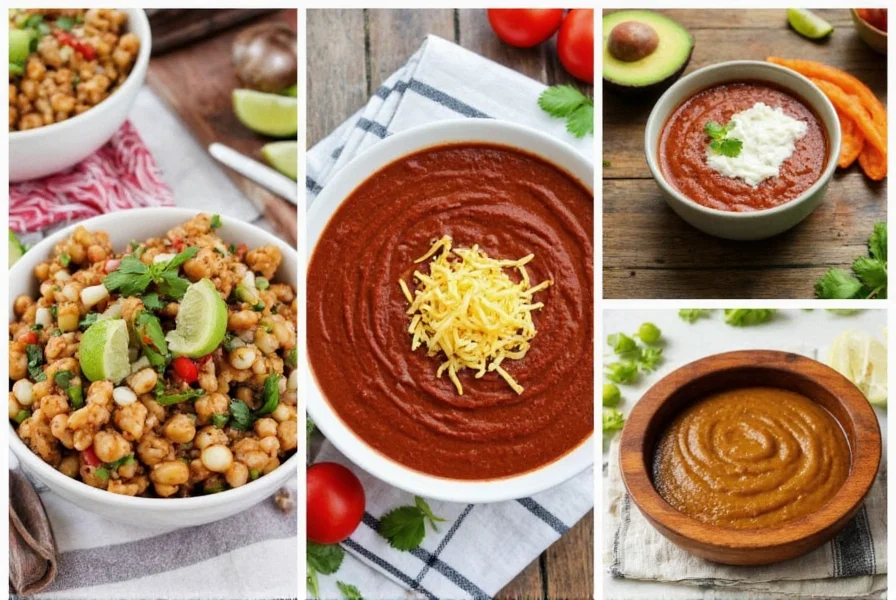
Whether you’re a purist or love experimenting, these seven mole recipes will keep your kitchen smelling divine and your guests coming back for seconds.
- Mole Poblano con Pollo
The ultimate classic. Serve over shredded chicken with rice and warm tortillas. - Mole Verde with Chicken Enchiladas
Bright, herby, and packed with tomatillo tang. Wrap it up and bake it golden. - Mole Negro Tacos
Smoky and intense, these tacos are best topped with sesame seeds and crumbled queso fresco. - Mole Almendrado Pasta
Yes, mole can go with pasta! Nutty, creamy, and unexpectedly delicious. - Mole Manchamanteles Stir Fry
Throw in tofu, shrimp, or veggies and coat everything in this fruity mole for a fusion dish. - Breakfast Mole Huevos Rancheros
Drizzle warm mole over fried eggs for a spicy morning twist. - Mole Ice Cream (Yes, Really!)
For the adventurous foodie — combine mole paste with cream and cocoa for a dessert that surprises and delights.
Conclusion: The Mole Journey Never Ends
Making mole isn’t just cooking — it’s storytelling through spice. Every batch is a tribute to centuries of culture, tradition, and culinary evolution. While mastering mole takes practice, the journey is rewarding, fun, and filled with endless possibilities.
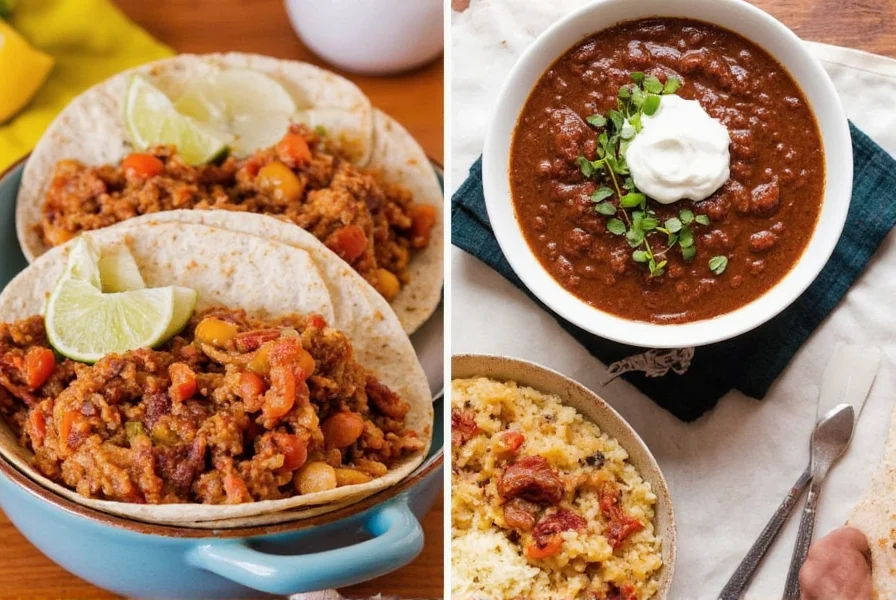
Whether you stick to the classics or create your own spin, mole is a celebration of balance and boldness. So grab your spices, fire up your blender, and start exploring the vibrant world of Mexican moles. One spoonful at a time.




 浙公网安备
33010002000092号
浙公网安备
33010002000092号 浙B2-20120091-4