
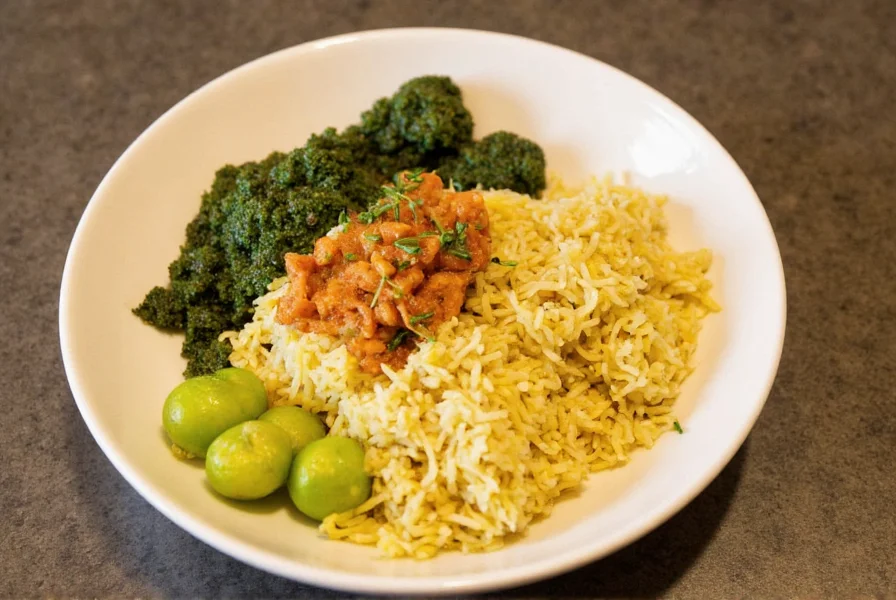
Aji Amarillo Recipes: A Flavorful Journey Through Global Spice Traditions
Spices are the soul of many cuisines, and among them, aji amarillo stands out as a vibrant, versatile, and uniquely flavorful ingredient. Originating from Peru, this golden chili pepper is more than just a heat source—it's a cultural icon that brings warmth, depth, and a touch of South American flair to any dish. Whether you're a seasoned chef or an amateur enthusiast, exploring aji amarillo recipes can open up a world of culinary possibilities.
Table of Contents
- Why Aji Amarillo? Understanding Its Unique Characteristics
- Top 10 Aji Amarillo Recipes You Must Try
- Buying Guide: How to Choose the Best Aji Amarillo
- Pro Tips for Cooking with Aji Amarillo
- Conclusion
Why Aji Amarillo? Understanding Its Unique Characteristics
The aji amarillo, also known as the Peruvian yellow chili, has a bright yellow color, a slightly wrinkled texture, and a flavor profile that’s both sweet and spicy. It’s not just about heat—this pepper delivers a complex taste that includes hints of citrus, tropical fruit, and a subtle smokiness. Unlike other chilies, it doesn’t burn your mouth but instead lingers on the tongue, offering a lingering, pleasant warmth.
Its heat level is typically around 30,000–50,000 Scoville units, making it moderately hot but not overwhelming. This makes it perfect for those who enjoy some spice without the intensity of habaneros or ghost peppers.
Here’s a quick comparison of aji amarillo with other common chilies:
| Chili Pepper | Heat Level (Scoville) | Flavor Profile |
|---|---|---|
| Aji Amarillo | 30,000–50,000 | Earthy, sweet, citrusy, smoky |
| Habanero | 100,000–350,000 | Smoky, fruity, extremely hot |
| Jalapeño | 2,500–8,000 | Mild, grassy, slightly sweet |
| Serrano | 10,000–25,000 | Crunchy, peppery, slightly spicy |
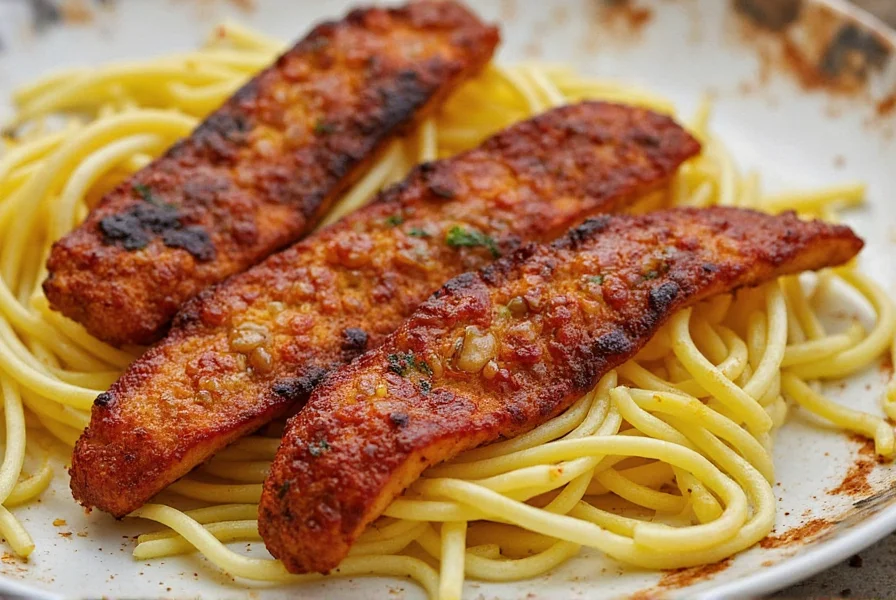
Top 10 Aji Amarillo Recipes You Must Try
Now that you know what makes aji amarillo special, let’s dive into some delicious recipes that showcase its unique qualities. From salsas to stews, these dishes will bring a burst of Peruvian flavor to your kitchen.
1. Aji Amarillo Salsa
This creamy, spicy salsa is a staple in Peruvian cuisine. Blend aji amarillo with garlic, lime juice, and olive oil for a smooth and tangy sauce that pairs perfectly with grilled meats, fish, or even chips.
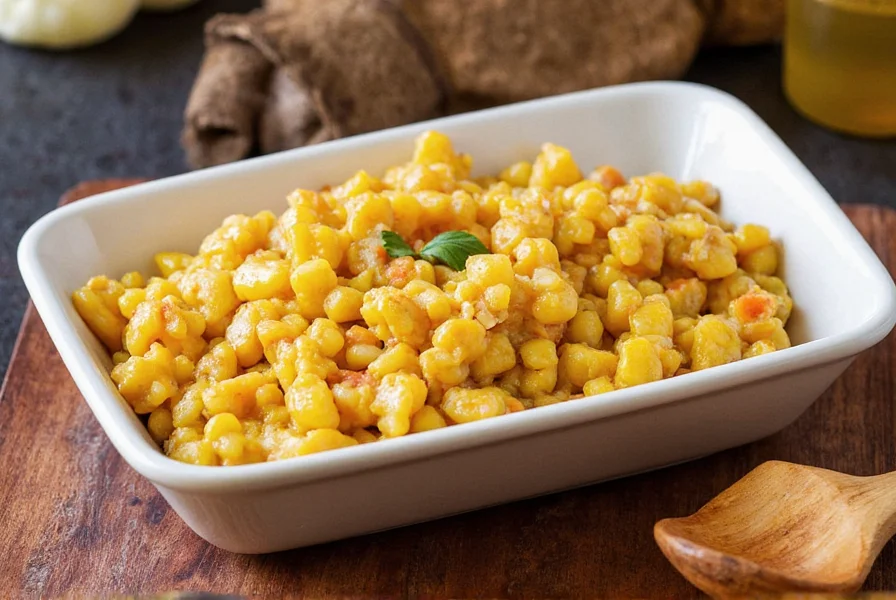
2. Lomo Saltado
A classic Peruvian stir-fry, Lomo Saltado features tender beef, potatoes, and onions tossed in a rich, spicy sauce made with aji amarillo. The result is a savory, aromatic dish that’s full of flavor.
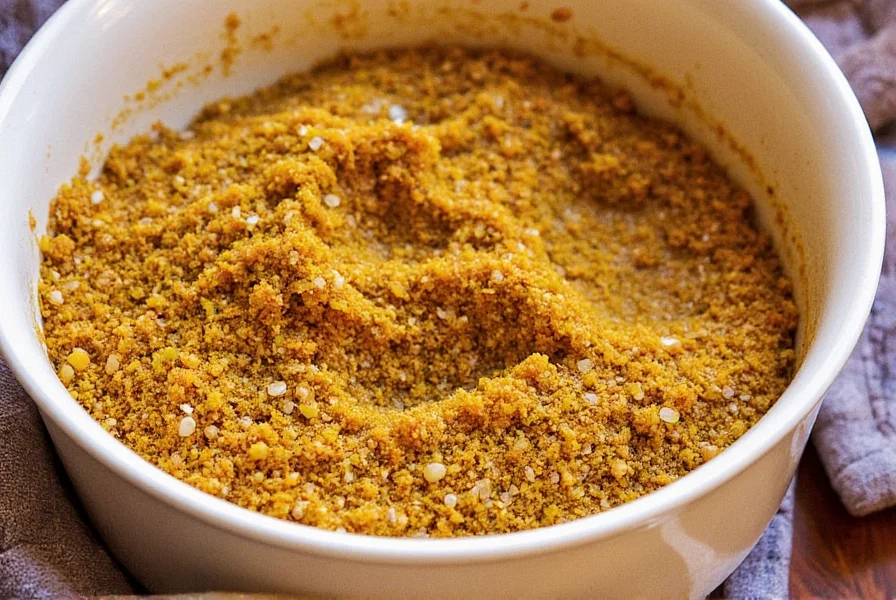
3. Aji Amarillo Pesto
Swap out traditional basil for aji amarillo in this vibrant green pesto. Add nuts, Parmesan, and garlic for a fresh twist that works well on pasta, sandwiches, or as a dip.
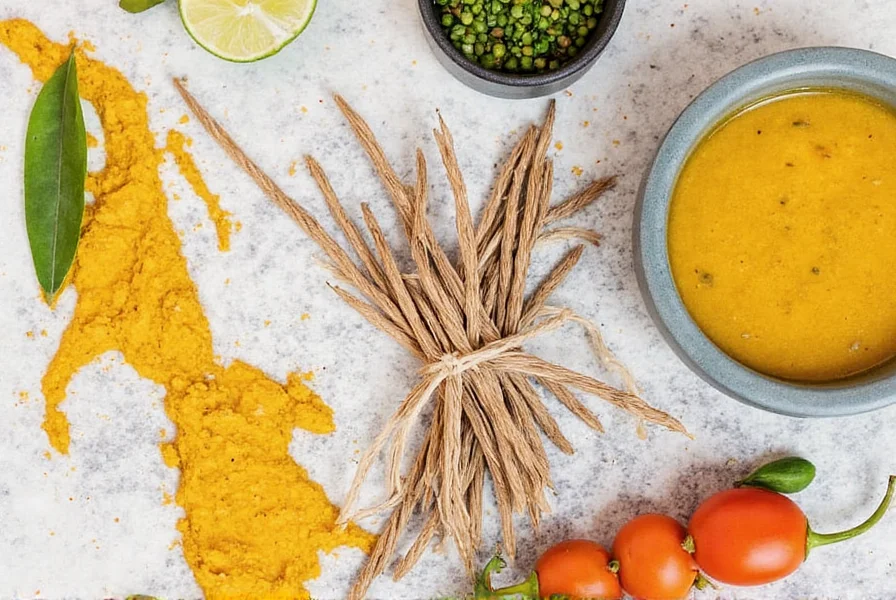
4. Aji Amarillo Soup
This comforting soup is made by blending aji amarillo with tomatoes, onions, and broth. Serve it with crusty bread for a hearty meal that warms the soul.
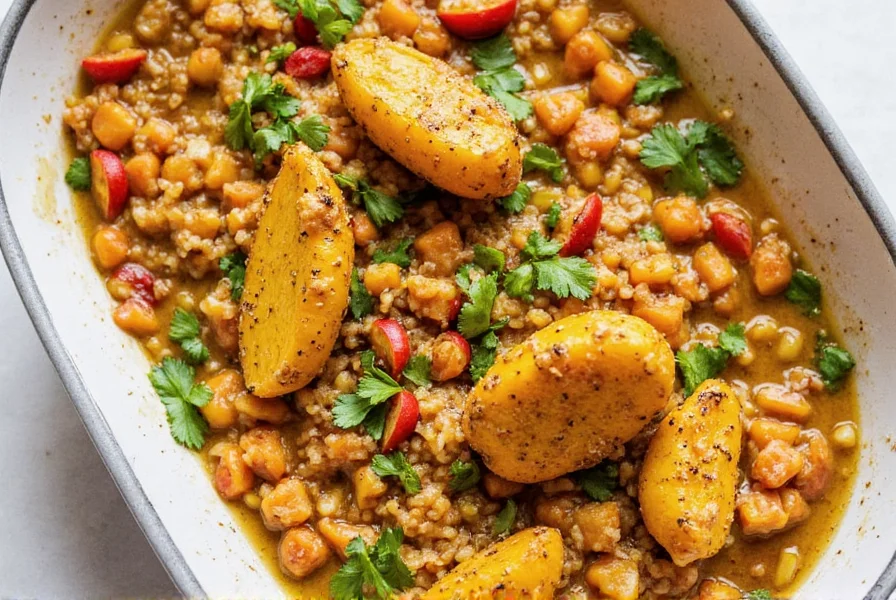
5. Aji Amarillo Hummus
Add a kick to your hummus by blending aji amarillo with chickpeas, tahini, and lemon. It’s a great way to introduce this pepper to your favorite dips.
6. Aji Amarillo Aioli
Create a zesty aioli by mixing aji amarillo with mayonnaise, garlic, and lemon juice. Perfect for dipping fries, seafood, or adding a splash of flavor to sandwiches.
7. Aji Amarillo Guacamole
Give your guac a Peruvian twist by incorporating aji amarillo into the mix. It adds a subtle heat that complements the avocado beautifully.
8. Aji Amarillo Stuffed Peppers
Stuffed bell peppers filled with a mixture of rice, beans, and aji amarillo-based sauce make for a colorful and flavorful vegetarian dish.
9. Aji Amarillo Marinade
Use aji amarillo as a base for a marinade for chicken, fish, or vegetables. Mix it with soy sauce, garlic, and ginger for a bold, South American-inspired flavor.
10. Aji Amarillo Chocolate Cake
Surprise your guests with a dessert that blends the sweetness of chocolate with the subtle heat of aji amarillo. It’s a unique and memorable treat that showcases the versatility of this pepper.
Buying Guide: How to Choose the Best Aji Amarillo
Whether you’re shopping at a local market or ordering online, knowing how to select high-quality aji amarillo is essential for getting the best flavor and heat in your recipes. Here’s a guide to help you choose the right product:
Types of Aji Amarillo Products
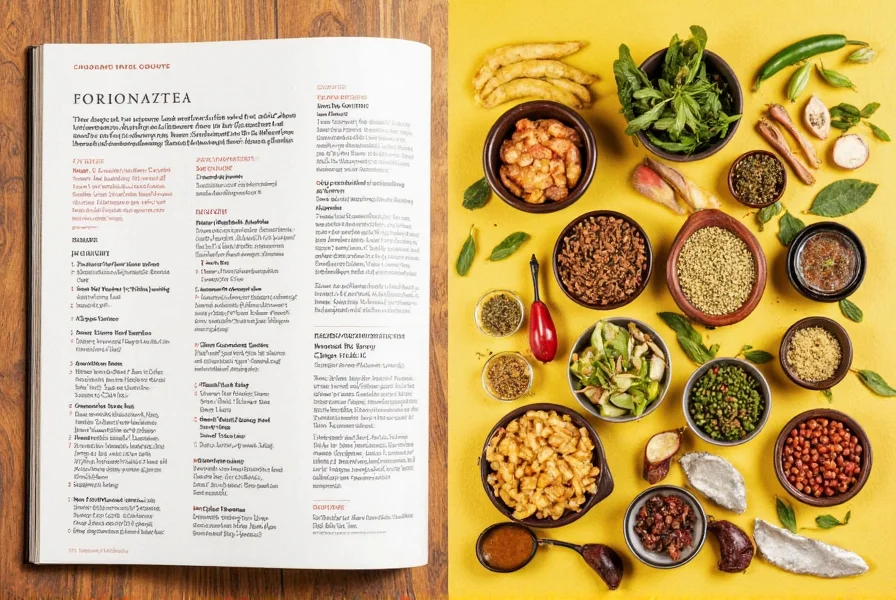
- Fresh Aji Amarillo: These are the most flavorful but have a short shelf life. Look for firm, plump peppers with no soft spots.
- Dried Aji Amarillo: Ideal for long-term storage, dried peppers offer a more intense flavor and can be rehydrated before use.
- Powdered Aji Amarillo: Great for convenience, this form is perfect for seasoning soups, stews, and sauces.
- Canned or Jarred Aji Amarillo: Often used in salsas and pastes, these products are ready-to-use and add a consistent heat level.
Recommended Brands
Here are some trusted brands that offer high-quality aji amarillo products:
- Peruana Spices: Known for their authentic, hand-selected aji amarillo, this brand offers a range of products including fresh, dried, and powdered forms.
- Andean Harvest: Specializing in Andean ingredients, they provide premium aji amarillo with a balanced heat and rich flavor.
- Amazonian Spices: A great option for those looking for organic and sustainably sourced aji amarillo products.
When choosing a product, consider the following factors:
- Quality: Look for bright, unblemished peppers or powders with no signs of mold or discoloration.
- Origin: Peruvian-grown aji amarillo is considered the highest quality due to the ideal growing conditions.
- Usage: Decide whether you need fresh, dried, or powdered form based on your recipe needs.
For example, if you're making a aji amarillo recipe like a spicy salsa, using fresh peppers gives the best flavor. However, if you want a convenient option for cooking, a jarred paste or powder might be more suitable.
Pro Tips for Cooking with Aji Amarillo
Using aji amarillo in your cooking can elevate your dishes, but it requires a bit of finesse. Here are some tips to help you get the most out of this vibrant chili:
- Start Small: Aji amarillo is moderately hot, but its heat can vary. Start with a small amount and adjust according to your taste.
- Remove Seeds for Less Heat: If you prefer a milder version, remove the seeds and membranes before using.
- Toast Before Using: For a deeper, smokier flavor, lightly toast the dried aji amarillo before grinding or blending.
- Pair with Creamy Ingredients: The heat of aji amarillo is nicely balanced by dairy, such as sour cream, yogurt, or cheese.
- Experiment with Combinations: Mix it with other spices like cumin, garlic, or lime to enhance its natural flavors.
Remember, the key to a great aji amarillo recipe is balance—don’t be afraid to play with different combinations until you find your perfect flavor profile.
Conclusion
Exploring aji amarillo recipes is a fantastic way to bring the rich flavors of Peru into your kitchen. With its unique combination of heat, sweetness, and complexity, this chili pepper opens up a world of culinary creativity. Whether you're making a spicy salsa, a smoky stew, or a daring dessert, aji amarillo is sure to impress.
By understanding its characteristics, learning how to choose the best products, and experimenting with different preparations, you can unlock the full potential of this incredible spice. So why not start your own aji amarillo recipe adventure today?




 浙公网安备
33010002000092号
浙公网安备
33010002000092号 浙B2-20120091-4