
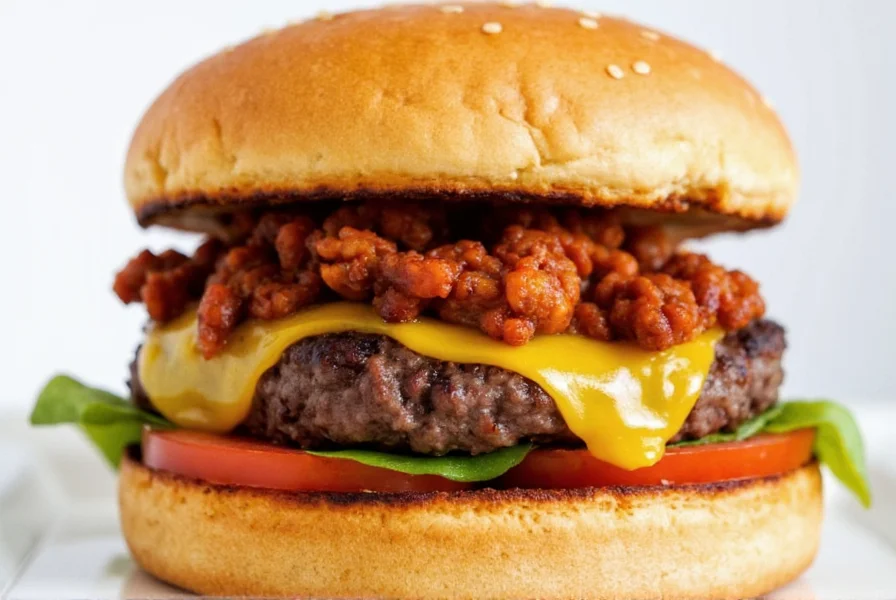
Jerk Hamburger: A Spicy Twist on a Classic Burger
When it comes to burgers, there's something undeniably satisfying about the perfect bite of juicy meat, melted cheese, and a crispy bun. But what if you could take that classic burger and give it a global flavor boost? Enter the jerk hamburger—a bold, spicy, and smoky fusion that brings the heat from the Caribbean to your plate.
Table of Contents
- Why Jerk Hamburger?
- Spice Blends That Define Jerk Flavor
- Cooking Tips for the Perfect Jerk Hamburger
- Buying Guide: The Best Ingredients for a Jerk Hamburger
- Conclusion
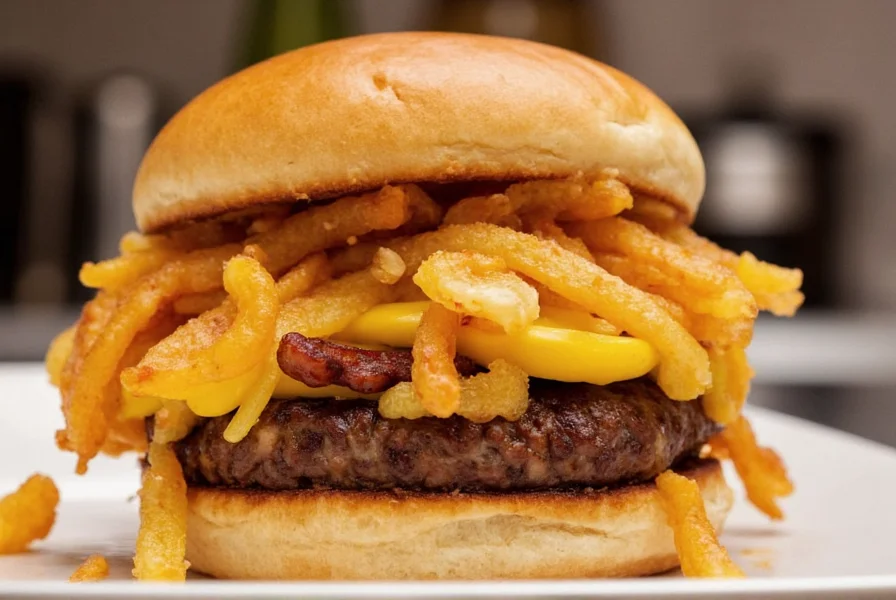
Why Jerk Hamburger?
If you're someone who loves bold flavors and isn't afraid of a little heat, then the jerk hamburger is your new obsession. Originating from Jamaica, jerk seasoning is known for its complex blend of spices, including allspice, thyme, scotch bonnet peppers, garlic, and more. This unique mix gives the meat a fiery, smoky, and aromatic profile that’s hard to resist.
The magic of a jerk hamburger lies in how it transforms a simple burger into an adventurous meal. It's not just about the spice—it's about the balance of flavors, the texture of the patty, and the way the sauce ties everything together. Whether you're a seasoned spice lover or a curious foodie, this dish is sure to impress.
Spice Blends That Define Jerk Flavor
To make a great jerk hamburger, you need to understand the spice blends that define the jerk style. Here's a quick breakdown:
| Spice | Flavor Profile | Role in Jerk Seasoning |
|---|---|---|
| Allspice | Earthy, peppery, slightly sweet | Base of the spice mix; adds depth |
| Thyme | Herbaceous, slightly citrusy | Provides a fresh, aromatic note |
| Scotch Bonnet Pepper | Hot, fruity, smoky | Brings the heat and sweetness |
| Garlic | Pungent, savory | Enhances umami and depth |
| Cumin | Warm, earthy | Adds a layer of complexity |
| Onion | Sweet, sharp | Balances the heat and adds moisture |
These ingredients are often ground together and used to marinate the meat before cooking. The result is a richly flavored patty that packs a punch without overwhelming your taste buds.
Cooking Tips for the Perfect Jerk Hamburger
Creating the ultimate jerk hamburger involves more than just throwing some spices on a patty. Here are a few tips to help you nail the recipe:
- Marinate the meat:** Let the beef (or chicken) sit in the jerk seasoning for at least 2–4 hours, or even overnight for deeper flavor.
- Use a smoker or grill:** The best jerk hamburger is cooked over an open flame or smoker, which gives it that signature smoky aroma.
- Don’t overcook the patty:** A juicy center is key. Aim for medium-rare or medium, depending on your preference.
- Add a side of mango salsa or plantains:** These complements will balance the heat and add freshness.
- Make your own jerk sauce:** Store-bought sauces can be too sweet or bland. A homemade version with vinegar, lime, and extra spices will elevate your jerk hamburger.
Buying Guide: The Best Ingredients for a Jerk Hamburger
Getting the right ingredients is crucial when making a jerk hamburger. Here’s a detailed guide to help you choose the best products for your recipe:
1. Jerk Seasoning Mix
A high-quality jerk seasoning is the backbone of any jerk hamburger. Look for a mix that includes allspice, thyme, garlic, and chili powder. Some popular options include:
- Jamaican Jerk Seasoning by Spice Island – A well-balanced blend with a good kick of heat and a hint of sweetness.
- Mexikan Spice Co. Jerk Seasoning – Great for those who want a spicier version with a smoky undertone.
- Burnt Ends Jerk Rub – Ideal for grilled meats, offering a deep, smoky flavor.
Use Case: Perfect for marinating beef, chicken, or even tofu for a vegetarian twist.
Target Audience: Home cooks and spice enthusiasts.
Suitable Occasions: BBQs, backyard gatherings, and casual dinners.
2. Fresh Scallions or Green Onions
These add a mild oniony flavor and a pop of color to your jerk hamburger. They also help cut through the richness of the meat.
- Organic Green Onions by Whole Foods – Crisp and flavorful, ideal for slicing and adding to the burger.
- Local Farmer’s Market Scallions – Fresher and more aromatic, perfect for a homemade touch.
Use Case: Topping for the burger or mixed into the patty for added texture.
Target Audience: Health-conscious eaters and home chefs.
Suitable Occasions: Weeknight meals, brunches, and summer barbecues.
3. All-Natural Ground Beef
Choosing the right beef is essential for a juicy and flavorful jerk hamburger. Look for a 80/20 grind for the perfect balance of lean and fatty meat.
- Butcher’s Choice Ground Beef – Available at most grocery stores, this is a reliable choice for consistent quality.
- Humanely Raised Beef by Local Farms – Slightly pricier but worth it for better flavor and ethical sourcing.
Use Case: Base of the patty.
Target Audience: Burgers lovers and families.
Suitable Occasions: Weekends, parties, and family dinners.
4. Jamaican Jerk Sauce
If you don’t have time to make your own, a store-bought jerk sauce can still deliver big flavor. Look for one with a good balance of heat, acidity, and sweetness.
- Jamaican Jerk Sauce by Island Flavors – A fan-favorite with a zesty and smoky finish.
- McCormick Jerk Seasoning & Sauce – Easy to find and convenient for quick meals.
Use Case: Drizzle over the patty or use as a condiment.
Target Audience: Busy individuals and casual diners.
Suitable Occasions: Quick lunches, picnics, and late-night cravings.
5. Buns and Toppings
While the focus is on the jerk hamburger, the buns and toppings matter too. Opt for soft, slightly sweet buns like brioche or sesame seed buns for a nice contrast to the spicy patty.
- Brioche Buns – Soft and buttery, they complement the bold flavors of the jerk seasoning.
- Grilled Portobello Mushrooms – A great vegetarian option to add texture and earthiness.
- Pickled Jalapeños – For extra heat and tanginess.
Use Case: Base of the burger and additional layers of flavor.
Target Audience: Vegetarians, foodies, and adventurous eaters.
Suitable Occasions: Casual meals, potlucks, and dinner parties.
Conclusion
The jerk hamburger is more than just a meal—it's a celebration of global spice traditions. By blending the bold, smoky flavors of Jamaica with the beloved American classic, it creates a dish that's both familiar and exciting. Whether you're a seasoned spice enthusiast or just looking to try something new, the jerk hamburger is a must-try.
So next time you're grilling up a storm, consider giving your burger a Caribbean twist. With the right seasoning, cooking technique, and a dash of creativity, you can turn a regular burger into an unforgettable culinary experience. And remember, the key to a great jerk hamburger is not just the heat—it's the harmony of flavors that makes it shine.




 浙公网安备
33010002000092号
浙公网安备
33010002000092号 浙B2-20120091-4