
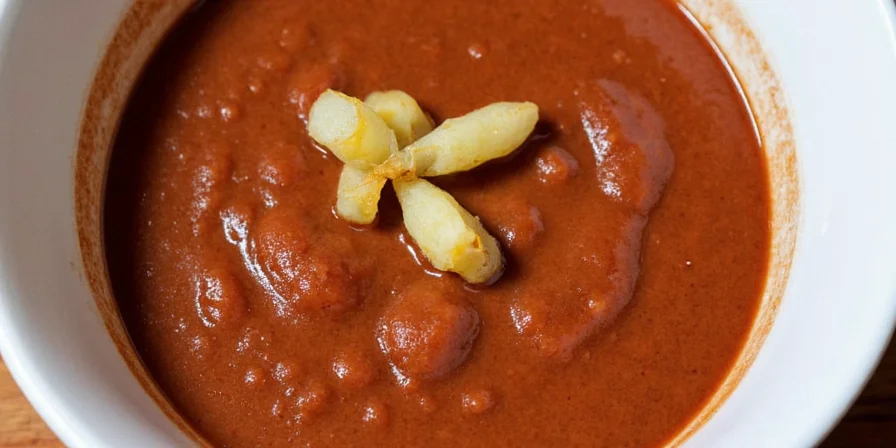
From Kitchen Chaos to Mole Magic: 10 Must-Know Tips for Perfecting Mexican Mole!
Table of Contents
- Introduction: What Makes Mole So Special?
- Tip #1: Know Your Mole Varieties Like a Pro
- Tip #2: Toast Those Spices, Baby!
- Tip #3: Don’t Rush the Roux – Patience Pays Off
- Tip #4: Balance Sweet and Heat Like a Flavor Alchemist
- Tip #5: Use Broth Wisely – The Liquid Gold of Mole
- Tip #6: Blend in Batches – Smoothness Matters
- Tip #7: Simmer Slowly – Let Those Flavors Marry
- Tip #8: Taste as You Go – It’s Science (and Sanity)
- Tip #9: Garnish with Love – Presentation Perks
- Tip #10: Freeze for Flavor Boost – Yes, Really!
- Conclusion: Ready to Rock Your Own Mole Moment?
Introduction: What Makes Mole So Special?
Mole is more than just a sauce—it's a flavor-packed cultural symphony from Mexico that brings together chocolate, spices, nuts, and chiles into one harmonious blend. Whether you're a seasoned cook or a curious kitchen newbie, mastering mole can feel like conquering Everest… but don't worry—we’re here to hand you a sherpa and a spoon.
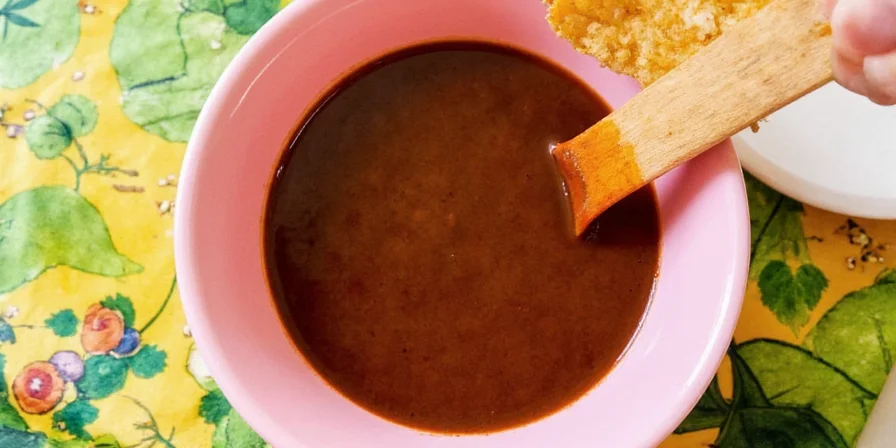
Tip #1: Know Your Mole Varieties Like a Pro
There are dozens of mole variations across Mexico. The most famous include:
| Mole Type | Key Ingredients | Region |
|---|---|---|
| Mole Poblano | Chiles, chocolate, sesame seeds | Puebla |
| Mole Negro | Blackened chiles, chocolate, spices | Oaxaca |
| Mole Verde | Tomatillos, green chiles, herbs | Oaxaca |
| Mole Amarillo | Yellow chiles, tomatoes, spices | Oaxaca |
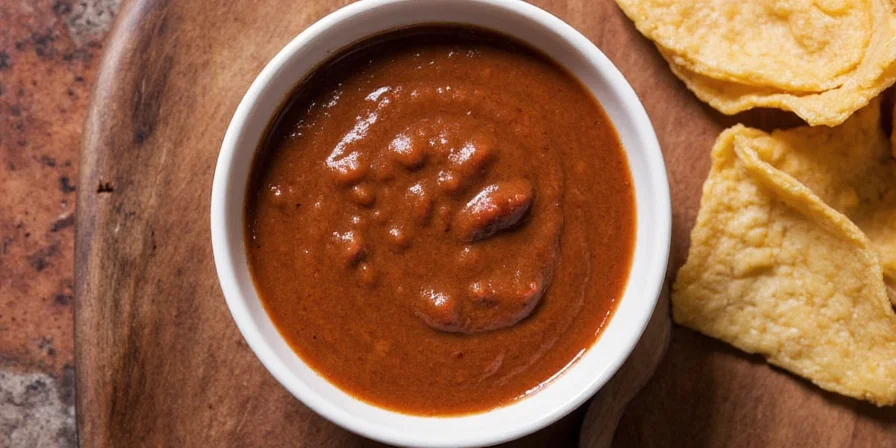
Tip #2: Toast Those Spices, Baby!
Toasting spices before grinding enhances their aromatics and deepens the flavor. Don’t skip this step unless you want your mole to sing off-key.
- Use a dry skillet over medium heat.
- Stir constantly—spices can go from golden to burnt fast.
- Toast anise, cinnamon, cloves, and coriander first; add softer ingredients later.
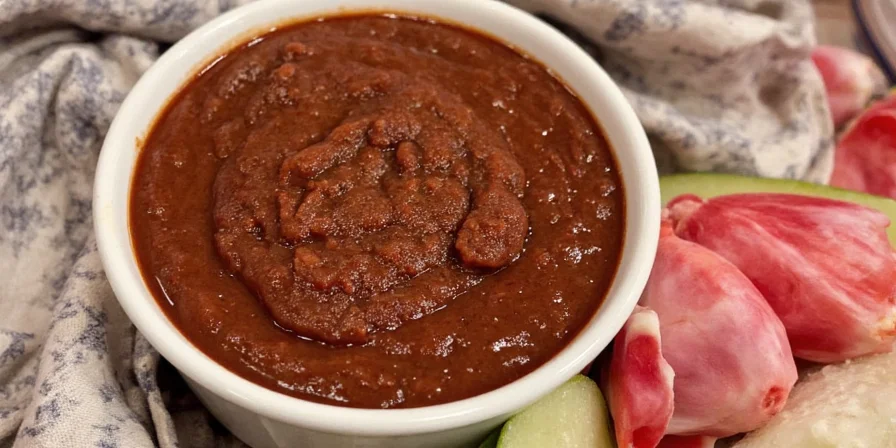
Tip #3: Don’t Rush the Roux – Patience Pays Off
The base of many moles starts with a roux made from lard or oil and masa or flour. This creates body and richness.
- Cook it until golden brown—not white, not black.
- Keep stirring! A burned roux ruins everything.
- Think of it as laying the foundation of your flavor house.
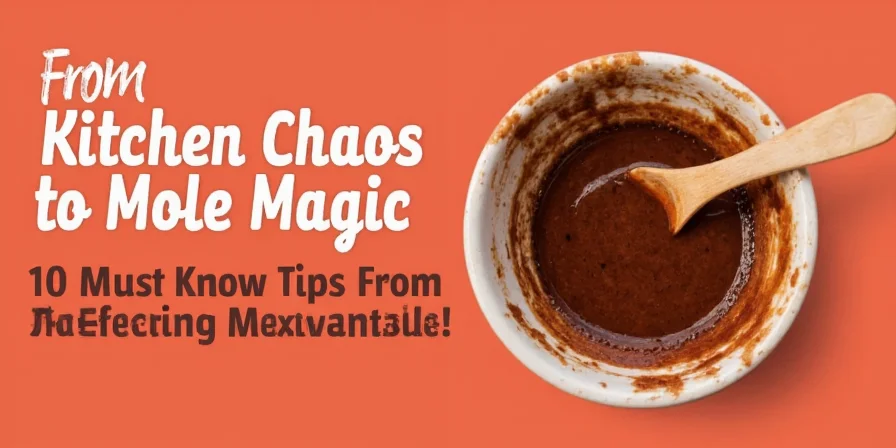
Tip #4: Balance Sweet and Heat Like a Flavor Alchemist
Mole is all about balance—sweet, bitter, spicy, savory, and smoky all come together in harmony.
- Chocolate adds sweetness and depth without making it dessert-like.
- Use raisins or dried fruit for natural sweetness.
- Adjust heat by using milder or spicier chiles depending on your crew.
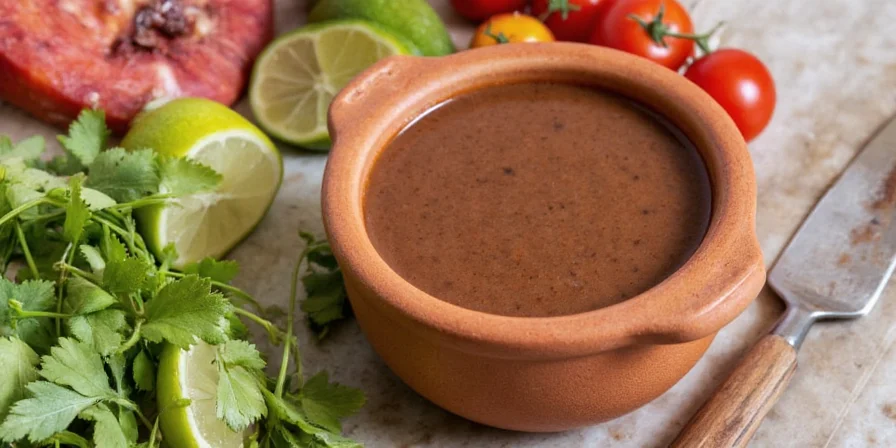
Tip #5: Use Broth Wisely – The Liquid Gold of Mole
Diluting your thick mole paste with broth keeps it saucy and helps infuse more flavor as it simmers.
- Chicken or vegetable broth works best.
- Add slowly—start with 2 cups and adjust as needed.
- Homemade broth = flavor jackpot!
Tip #6: Blend in Batches – Smoothness Matters
A smooth mole means a luxurious texture and better integration of flavors.
- Blend in small batches—especially if using a standard blender.
- Use a high-speed blender for ultra-smooth results.
- Strain through a fine mesh sieve for restaurant-level silkiness.
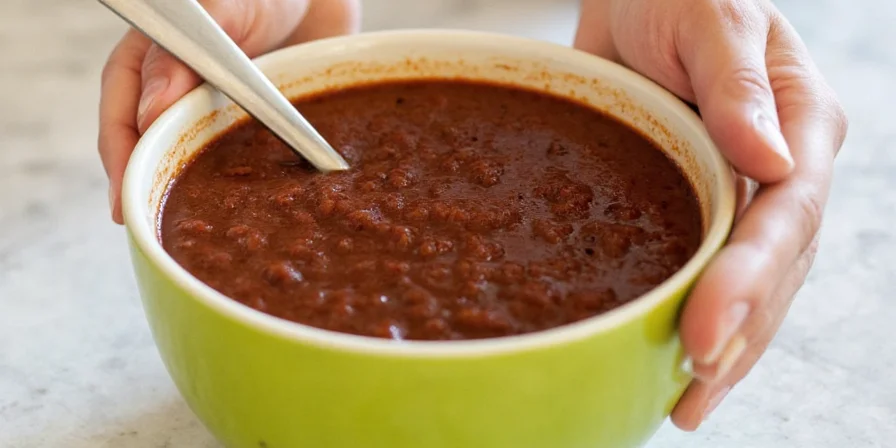
Tip #7: Simmer Slowly – Let Those Flavors Marry
This isn’t a microwave meal. Letting your mole simmer slowly for at least 30 minutes allows all the spices and ingredients to fuse beautifully.
- Simmer uncovered, stirring occasionally.
- Skim foam off the top for a cleaner look.
- If it gets too thick, add more broth or water.
Tip #8: Taste as You Go – It’s Science (and Sanity)
You wouldn’t drive blindfolded—why cook without tasting?
- Taste after every major addition: spices, broth, chocolate, etc.
- Fix imbalance early: need more heat? Add a pinch of chili powder. Too bitter? A dash of sugar.
- Trust your taste buds—they know what’s up.
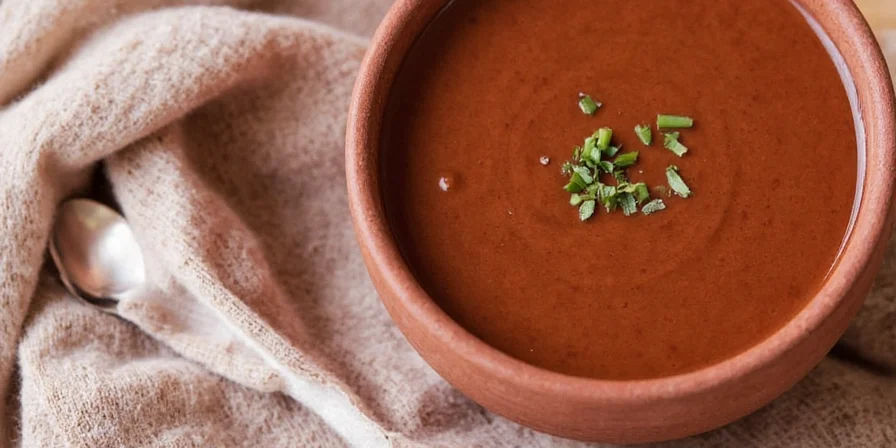
Tip #9: Garnish with Love – Presentation Perks
Mole should look as good as it tastes. Elevate your plating game with these simple garnishes:
- Romano cheese shavings
- Toasted sesame seeds
- Fresh cilantro or epazote leaves
- Sliced almonds or pumpkin seeds
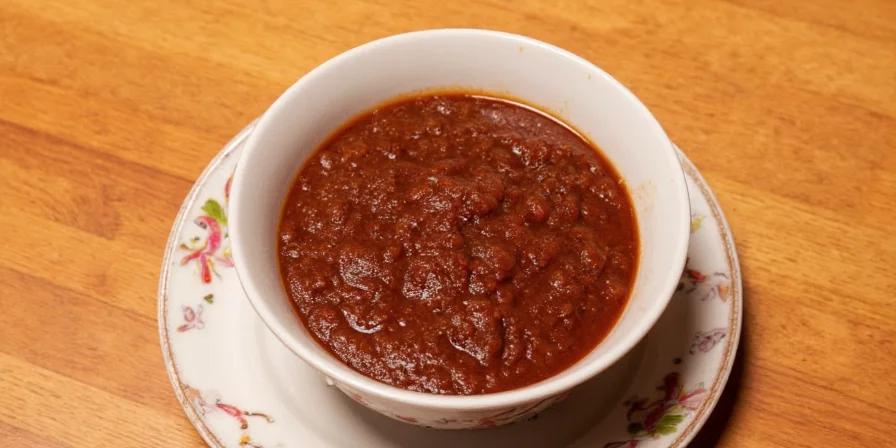
Tip #10: Freeze for Flavor Boost – Yes, Really!
Like a fine wine or a good joke, mole often tastes better the next day—and even better after freezing!
- Freeze mole in portions for future meals.
- Thaw and reheat gently when ready to use.
- Flavors deepen over time—this is your cheat code for last-minute dinner magic.
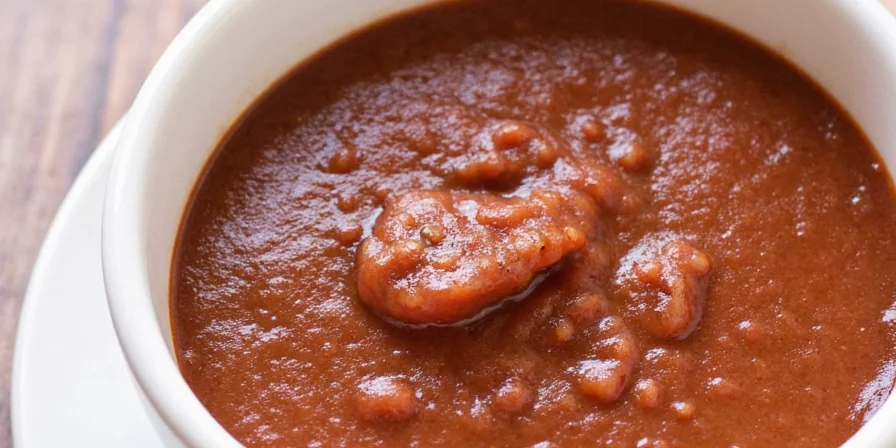
Conclusion: Ready to Rock Your Own Mole Moment?
Whether you're cooking for a holiday, impressing guests, or just indulging in a weekend food project, mastering mole is a rite of passage for any spice lover. With these ten tips, you’re now armed with the knowledge, tools, and confidence to tackle this global spice gem.
So grab those chiles, toast those spices, and let’s get simmering. Your mole masterpiece awaits!




 浙公网安备
33010002000092号
浙公网安备
33010002000092号 浙B2-20120091-4