
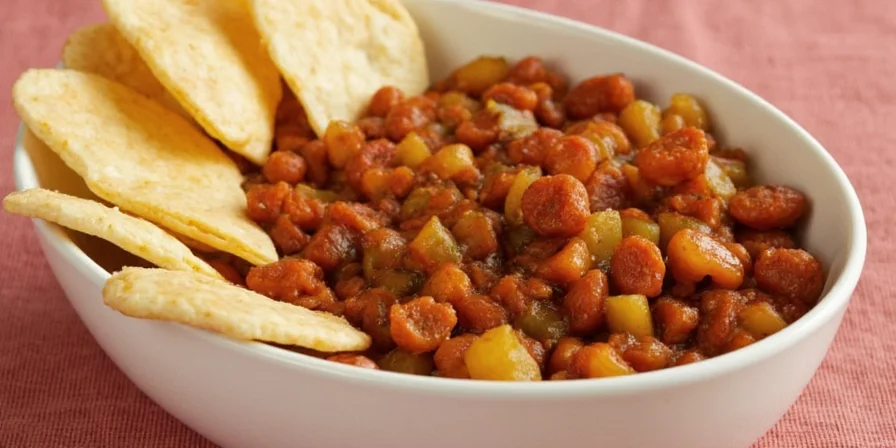
Spice Up Your Life: The Puerto Rican Mixture That’ll Make Your Taste Buds Dance!
If you’ve ever tasted a dish seasoned with the magic of Puerto Rican spice mixtures, you know it’s not just about flavor—it’s about feeling. These blends are like a vibrant party on your tongue, full of life, color, and history. In this blog post, we’re diving deep into the world of Global Spice Traditions, focusing on the unique and flavorful Puerto Rican mixture that’s taking kitchens by storm.
Table of Contents
- What Exactly Is a Puerto Rican Spice Mixture?
- Key Ingredients in a Classic Blend
- Why It Stands Out in Global Spice Traditions
- How to Use It Like a Pro
- Mix It Yourself: A DIY Recipe
- Common Mistakes (and How to Avoid Them)
- Visual Comparison Table
- Spice Blend Gallery
What Exactly Is a Puerto Rican Spice Mixture?
The Puerto Rican spice mixture, often called “recuerdo” or more commonly known as Sofrito or Adobo, is a dynamic blend of herbs, salts, peppers, and aromatics. Unlike other spice mixes that focus mainly on dried ingredients, Puerto Rican blends often combine both fresh and dried components to create layers of flavor that go far beyond basic seasoning.
Key Ingredients in a Classic Blend
- Cumin: Earthy and warm, cumin brings depth.
- Garlic Powder: Because everything tastes better with garlic—especially when you don’t have to peel it!
- Oregano (Puerto Rican Style): Often a mix of dried oregano and fresh culantro (also known as recao).
- Annatto (Achiote): Adds a nutty, peppery flavor and that signature golden-orange hue.
- Black Pepper: For a little kick without stealing the spotlight.
- Coriander: Brightens the entire mix.
- Bay Leaf: Subtle but powerful—don’t underestimate it.
Why It Stands Out in Global Spice Traditions
While many global cuisines rely on a few dominant spices, the beauty of the Puerto Rican mixture lies in its balance. Each ingredient plays a role in creating harmony—no single spice overpowers the others. This makes it incredibly versatile and adaptable across different dishes, from stews and soups to grilled meats and rice.
| Spice Mix | Main Flavor Notes | Common Uses | Heat Level |
|---|---|---|---|
| Puerto Rican Mixture | Earthy, herbal, aromatic | Stews, meats, rice, marinades | Mild to Medium |
| Indian Garam Masala | Warming, sweet-spicy | Curries, lentils, flatbreads | Mild to Medium |
| Moroccan Ras el Hanout | Floral, earthy, smoky | Kebabs, tagines, couscous | Mild to Medium |
| Chinese Five-Spice | Warm, sweet, savory | Duck, pork, stir-fries | Mild |
How to Use It Like a Pro
Want to bring that island flair into your kitchen? Here are some pro tips:
- Start Small: You can always add more spice, but once it’s in, there’s no going back!
- Toasting the Spices: Toasting the mixture before using enhances the aroma and flavor. Just heat it in a dry pan for a couple of minutes until fragrant.
- Use with Fresh Herbs: Pair with fresh cilantro, recao, or parsley for a double herb punch.
- Add at the Right Time: Add early for slow-cooked dishes; sprinkle toward the end for fresh flavor bursts.
Mix It Yourself: A DIY Recipe
Ready to become a spice alchemist? Try this easy homemade recipe:
Ingredients:
- 2 tbsp ground cumin
- 1 tbsp garlic powder
- 1 tbsp dried oregano
- 1 tbsp coriander
- 1 tsp annatto seeds (or achiote powder)
- 1 tsp black pepper
- ½ tsp bay leaf powder
Instructions:
- Toast annatto seeds in a dry pan until fragrant (skip if using powder).
- Let cool slightly, then grind all ingredients together in a spice grinder or mortar and pestle.
- Store in an airtight container away from light.
Common Mistakes (and How to Avoid Them)
- Mixing too much at once: Spice blends lose potency over time. Start with small batches.
- Ignoring freshness: Check expiration dates. Spices older than six months start to fade in flavor.
- Using wet spices: Make sure all ingredients are completely dry before grinding.
- Over-seasoning: This blend is potent! Use sparingly, especially if adding salt later.
Visual Comparison Table
Check out how the Puerto Rican spice mixture stacks up against similar blends from around the globe:
| Blend Name | Origin | Color | Primary Use | Best Paired With |
|---|---|---|---|---|
| Puerto Rican Mixture | Puerto Rico | Brownish-orange | Meat, beans, rice | Tomato sauce, citrus zest |
| Garam Masala | India | Tan to dark brown | Curries, roasted veggies | Yogurt, mint chutney |
| Ras el Hanout | Morocco | Reddish-brown | Tagines, lamb | Honey, apricots |
| Five-Spice | China | Dark brown | Pork, duck | Plum sauce, scallions |
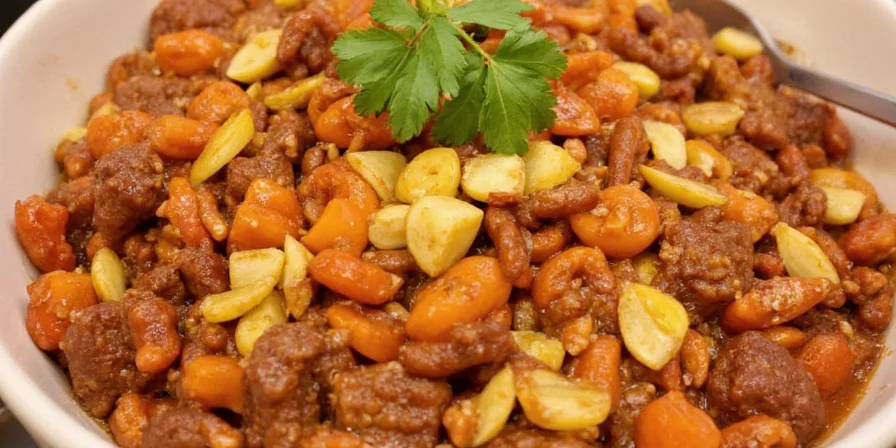
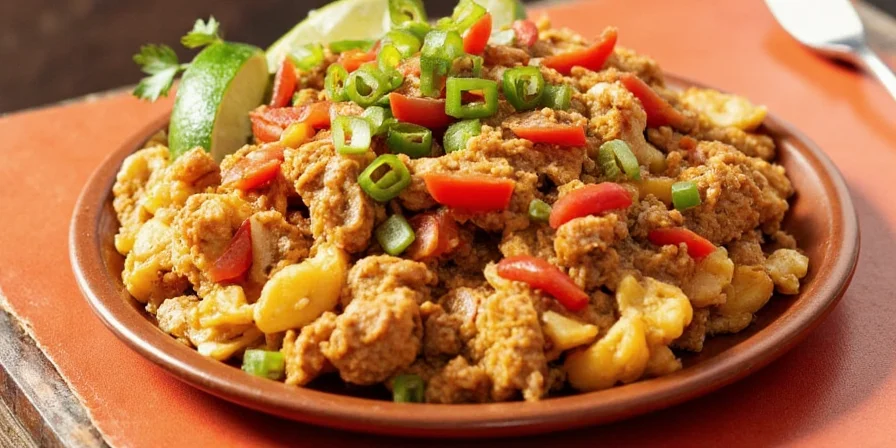
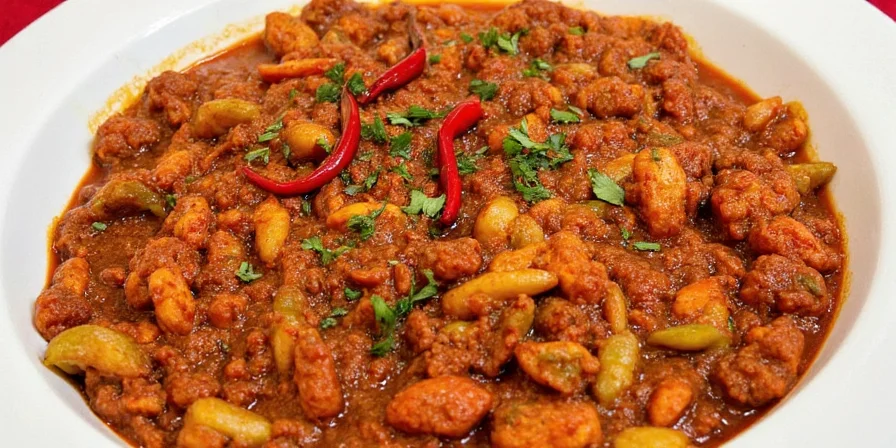
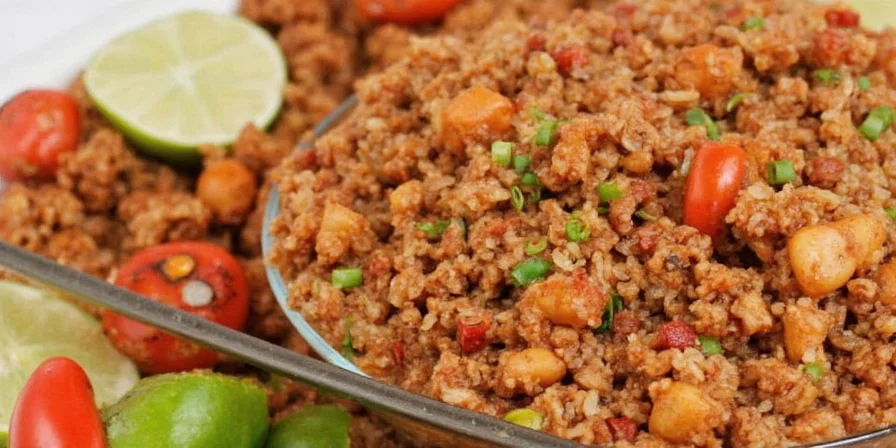
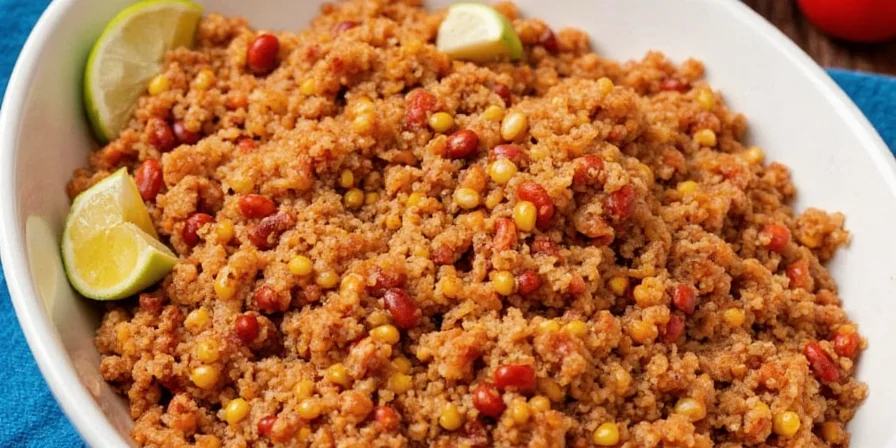
Spice Blend Gallery
Conclusion
The Puerto Rican spice mixture is more than just a seasoning—it’s a culinary passport to the Caribbean. Whether you’re a professional chef or a weekend warrior in the kitchen, this blend offers a perfect balance of warmth, brightness, and depth. By mastering its use, you unlock a world of flavors that can elevate even the simplest dishes.
So why stick to plain old salt and pepper when you can season with stories, tradition, and a touch of island soul? Next time you reach for the spices, grab that Puerto Rican blend—and let your taste buds take a vacation!




 浙公网安备
33010002000092号
浙公网安备
33010002000092号 浙B2-20120091-4